
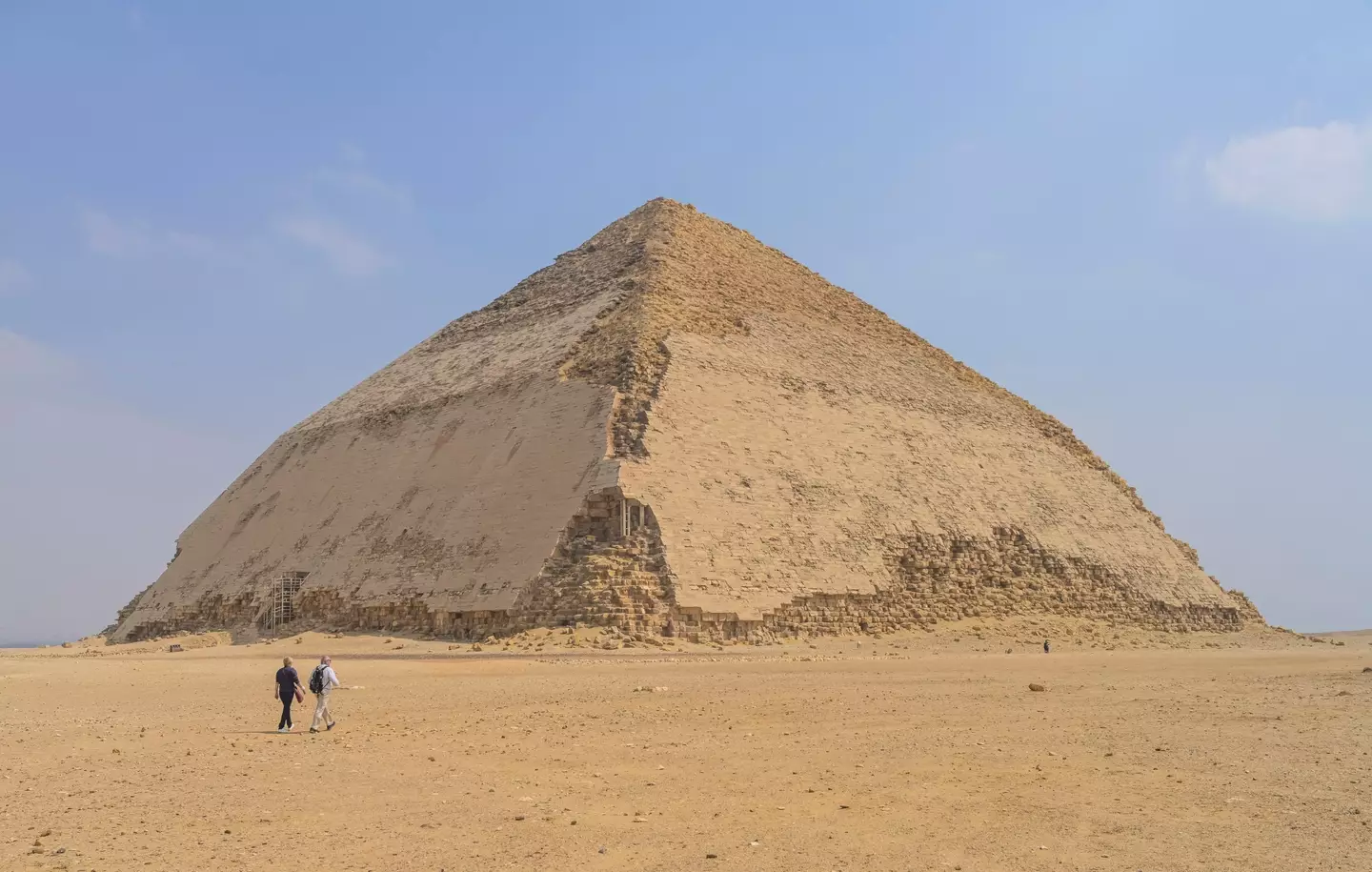
Rarely do archaeologists encounter a pyramid untouched for millennia, yet that incredible moment unfolded within Egypt’s famed necropolis of Dahshur. This remarkable 4,000-year-old relic has emerged not just as an ancient structure, but as a cryptic chapter in the epic saga of one of history’s most extraordinary civilizations.
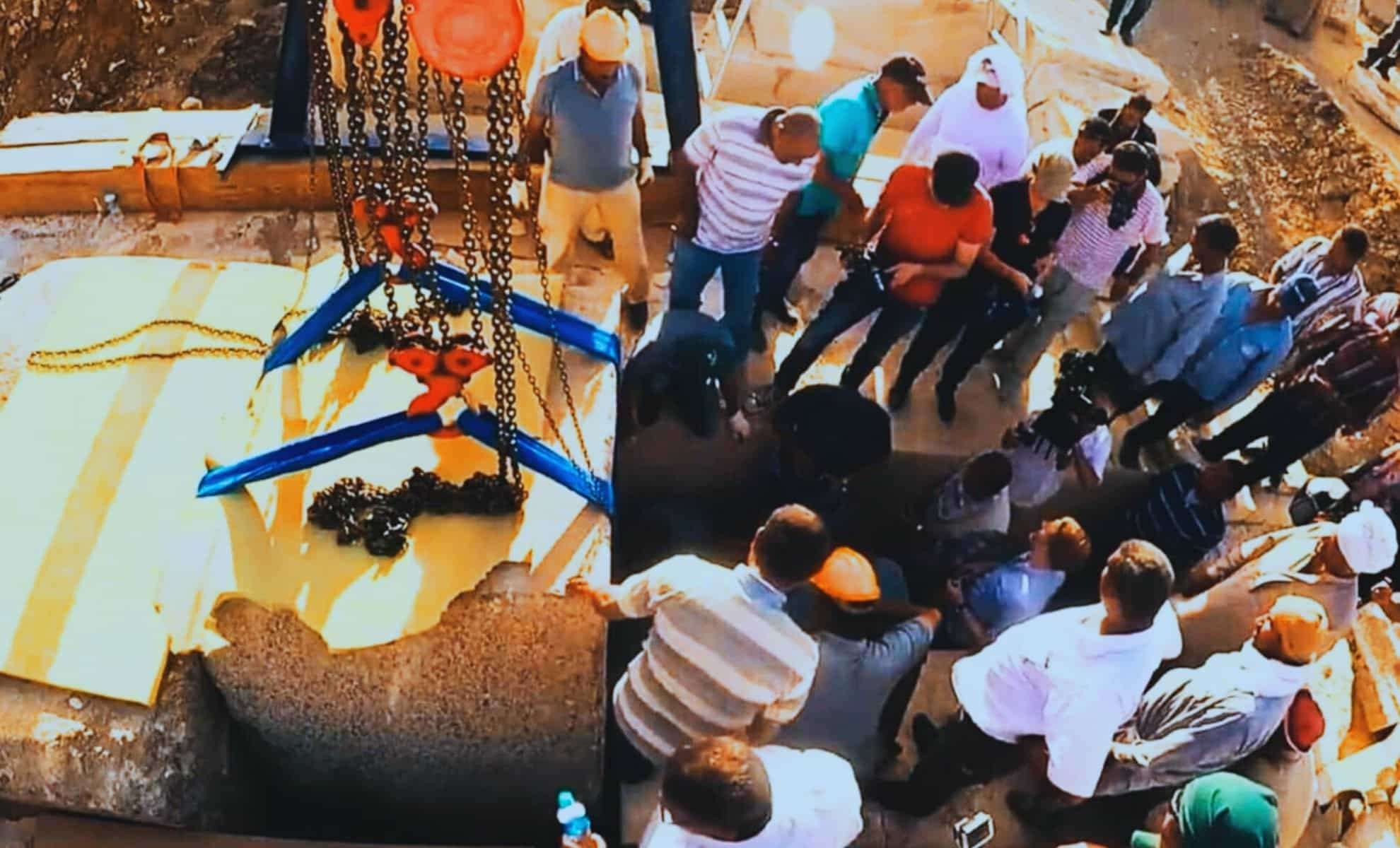
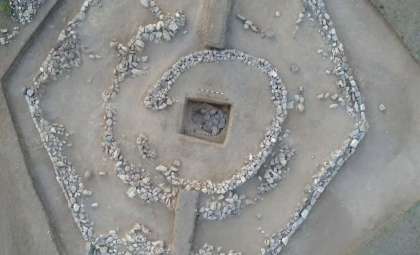
As reported by The Archaeologist, the adventure began during routine quarry work in Dahshur, a location celebrated for the iconic Bent and Red Pyramids. While digging, workers stumbled upon something rare: expertly carved limestone blocks hidden beneath the desert sand. This was no ordinary debris, but a hint of something extraordinary below the surface.
Once Egypt’s Ministry of Tourism and Antiquities was informed, a specialized excavation team led by British Egyptologist Dr. Chris Naunton arrived promptly to explore the site. It quickly became clear that their discovery was of immense historical significance.

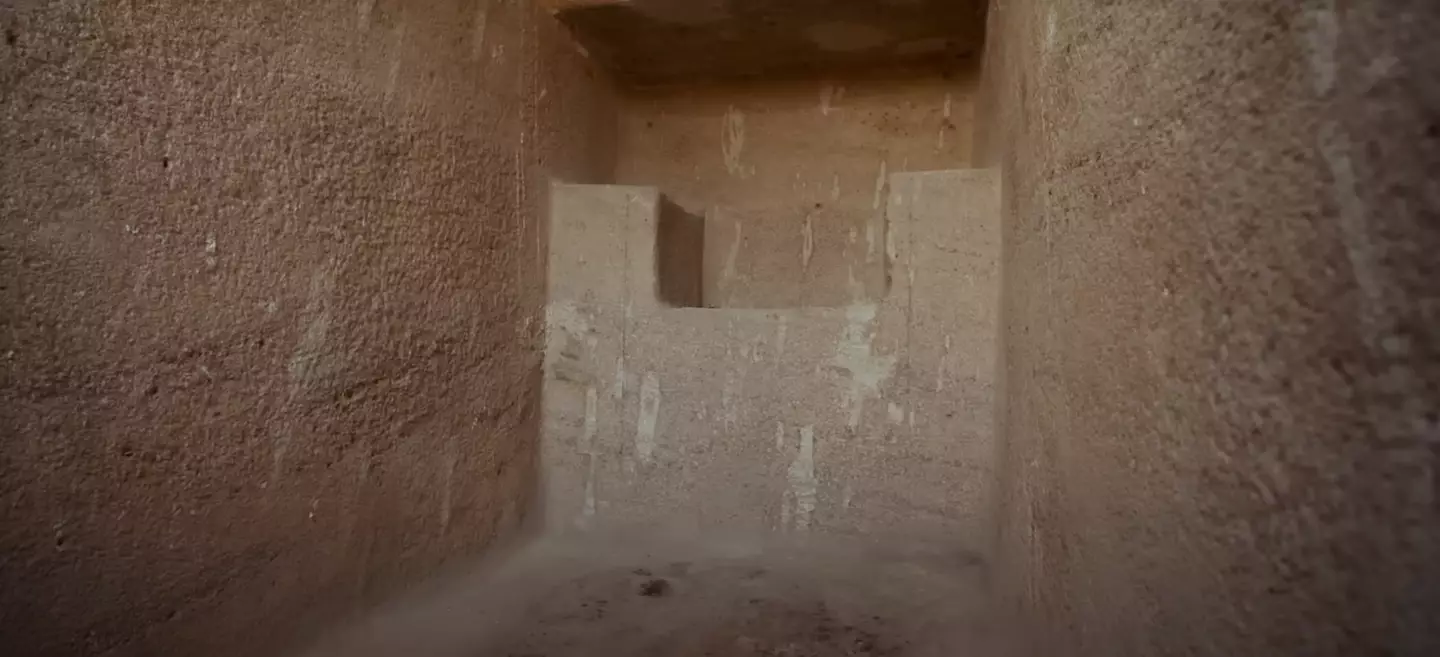
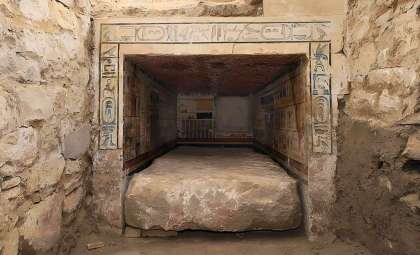
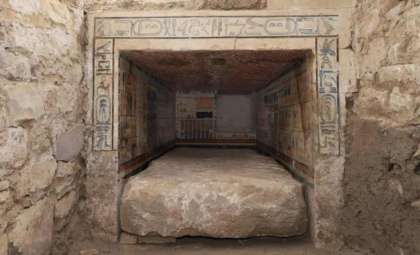
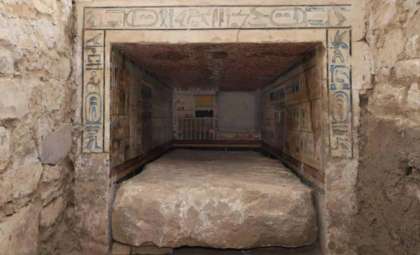
Descending through a narrow passageway that led to a central burial chamber, Dr. Naunton and his team anticipated priceless artifacts or treasures. Instead, they uncovered a scene that defied their expectations. Though sealed tight for nearly 4,000 years, the burial chamber appeared disturbed. Evidence indicated it had been ransacked long ago, yet strikingly, the tomb's exterior seal remained unbroken, presenting a baffling paradox.

Who Tampered With the Tomb Despite an Intact Seal?
Given the untouched seal, archaeologists struggled to explain the disarray inside. Their analyses ruled out recent theft, implying that the violation occurred centuries ago. Dr. Naunton referred to the scene as an “ancient crime scene,” theorizing the disruption happened during the burial timeframe itself.
This puzzling scenario raises intriguing questions: was this a betrayal from within? Did those charged with safeguarding the royal burial pilfer treasures? The ramifications of this discovery stretch deep into our understanding of ancient Egyptian funerary customs.
Unveiling the Enigma of Princess Hatshepsut
The most astonishing revelation came with the identification of the tomb’s occupant. Cutting-edge scanning technologies restored fragmented hieroglyphics on a canopic chest, confirming it belonged to Princess Hatshepsut of Egypt’s 13th Dynasty. Historians recognize the name Hatshepsut, but this princess was distinct from the famed pharaoh who ruled later.
This newly uncovered Hatshepsut was a royal figure erased from historical records until now. The existence of a pyramid in her honor points to her prominent status, critically raising questions about the deliberate omission of her legacy. What does this silence reveal about the political unrest of her era?
Reassessing Ancient Egypt’s Historical Narrative
The reopening of Princess Hatshepsut’s tomb extends beyond a single royal discovery; it triggers a reexamination of the politics of remembrance in Ancient Egypt. Her deliberate exclusion underscores how history can be shaped by victors who erase dissenting voices from time’s record.
Moreover, the find invites fresh speculation about internal dynastic power struggles. Was the looting an act of political maneuvering or a purge within the royal household? The possibility that her tomb was compromised before sealing hints at deeper intrigues of betrayal and conspiracy targeting Princess Hatshepsut.
- Categories:
- News




0 comments
Sign in to Comment