
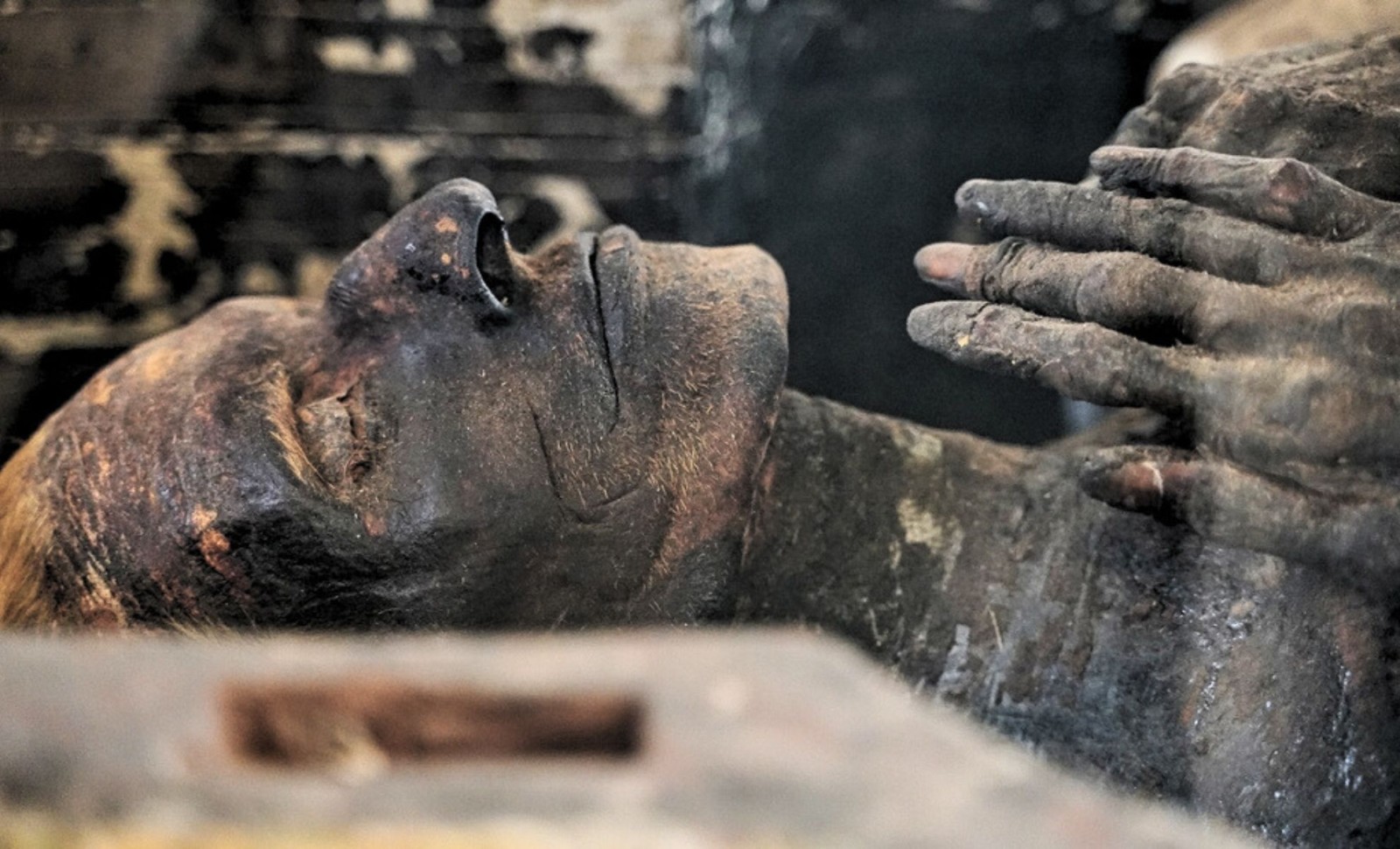
Archaeologists have uncovered three tombs on Luxor’s West Bank that shed new light on the administrative elite of Ancient Egypt. These tombs, dating back over 3,000 years to the New Kingdom period, offer valuable insights into the complex civil and religious hierarchies that governed Egypt. Unlike the royal resting places found in the Valley of the Kings, these burial sites belonged to prominent officials who managed the extensive logistics behind temple operations and regional administration.
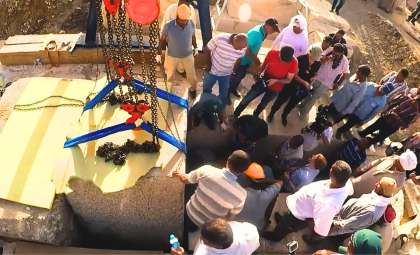
The excavation was fully conducted by Egyptian experts under the Ministry of Tourism and Antiquities (MoTA), marking a significant shift from foreign-led excavations to nationally directed projects. Led by Dr. Mohamed Ismail Khaled, Secretary-General of the Supreme Council of Antiquities, the initiative demonstrates growing Egyptian leadership in archaeology.
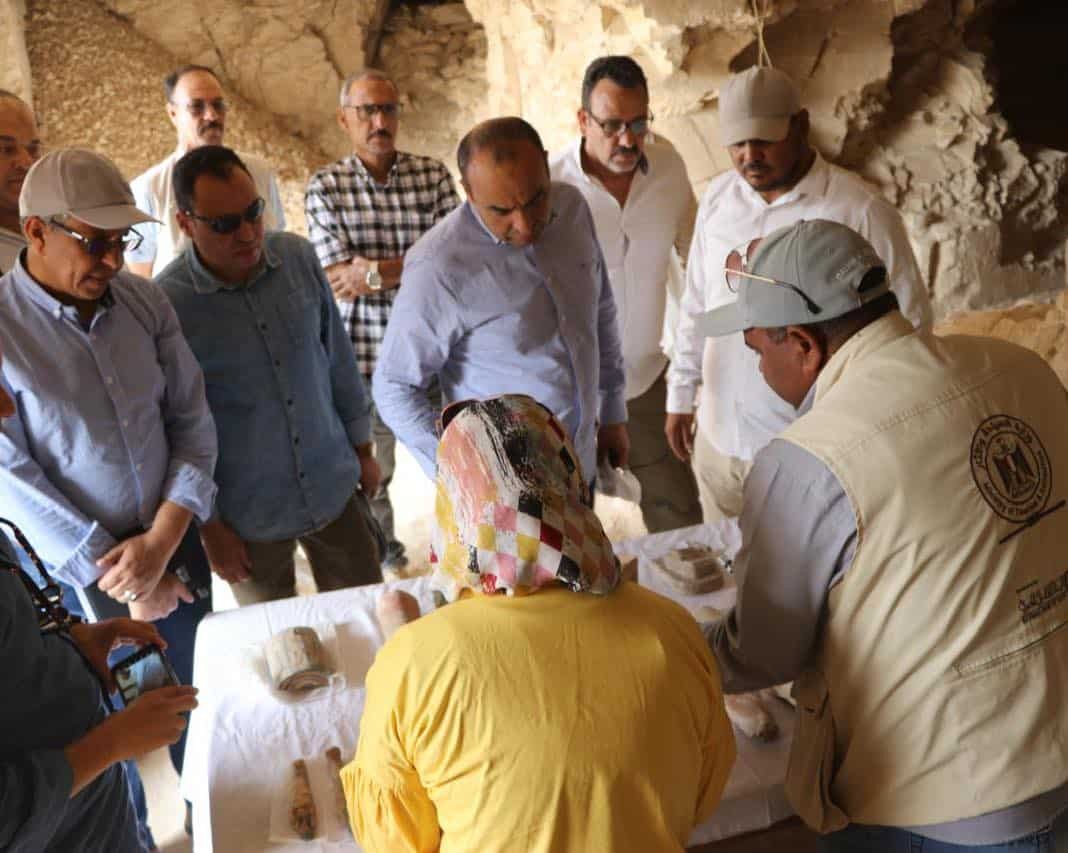
These tombs belong to officials named Amun-em-Ipet, Baki, and a figure known only as “S.” Each served key roles in administration or religious duties during the Eighteenth and Nineteenth Dynasties (circa 1550–1200 BCE). Their tomb inscriptions, painted reliefs, and architectural design provide crucial details about their positions and societal responsibilities.

New Evidence From Theban Necropolis Sheds Light on Ancient Power Networks
Located in Dra Abu el-Naga, a crowded burial area within the Theban necropolis, these tombs lie near the temples of Karnak and Luxor. Historically, this site was reserved for elite burials linked to temple estates and royal administration.
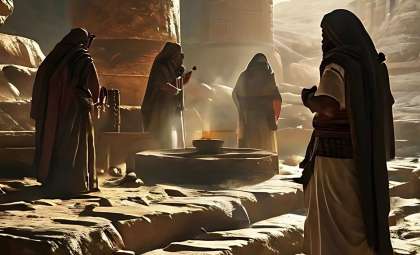
Amun-em-Ipet, an official from the Ramesside Period, served within the Amun temple complex. Although parts of his tomb have deteriorated, existing depictions show ritual offerings and funerary gatherings, reflecting temple ceremonies. His tomb’s layout, featuring a small courtyard, a square chamber, and a niche, exemplifies typical mid-ranking elite funerary architecture of the Nineteenth Dynasty.
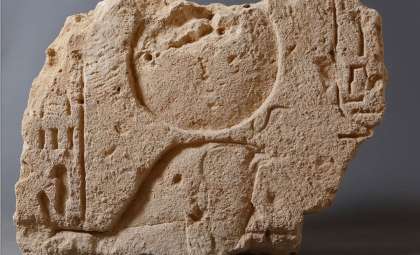
Baki held the position of grain silo supervisor in the Eighteenth Dynasty, managing temple food storage and distribution systems. His name and title appear prominently on his chapel's inscriptions, which stylistically align with other New Kingdom tombs documented by the Theban Mapping Project (Metropolitan Museum of Art).
The third tomb belonged to “S,” a scribe and the mayor of the northern oases. His jurisdiction included oversight of the Temple of Amun in Egypt’s western deserts, indicating his authority extended into important frontier areas vital for resource gathering, trade routes, and national security.
Hieroglyphs Reveal Everyday Functions of Ancient Egyptian Officials
The hieroglyphic texts found in these tombs are more than decorative—they serve as functional records detailing the governmental and religious responsibilities of their occupants. These men were central to the operation of temple estates, tax collection systems, and local governance across wide regions.
Baki’s role in grain management was crucial, as grain was a fundamental element of taxation and labor payment under the New Kingdom. His control over storage and distribution supported the sustenance of temples, military forces, and economic stability.
Known simply as “S”, the scribe’s duties spanned both administrative and territorial management. Holding the mayoral office in the northern oases and supervising desert temples, he acted as a link between central Thebes and remote settlements, coordinating logistics across vast desert stretches.
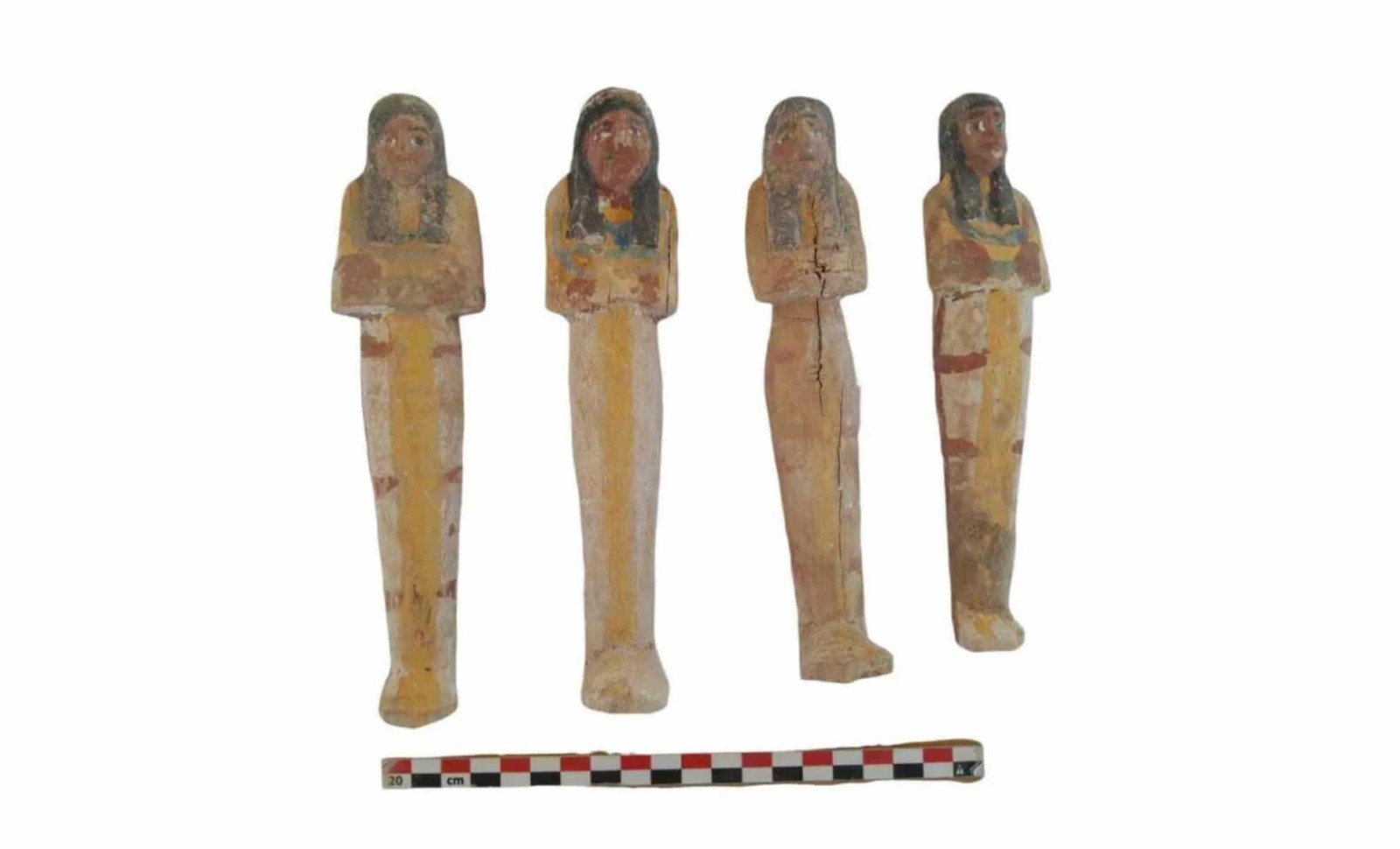
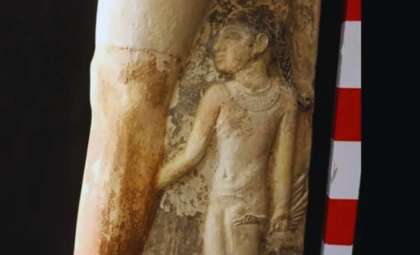
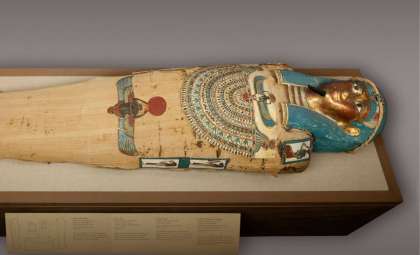
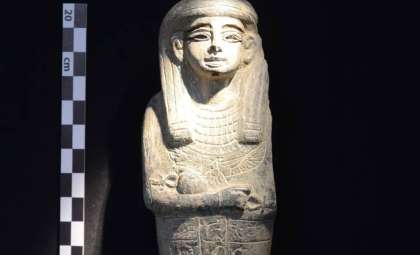
The tombs’ architectural sophistication also reflects their owners’ influence. Though smaller than royal tombs, they feature painted chapels, multiple chambers, and shabti figurines—funerary statues intended to labor for the deceased in the afterlife. These artifacts, associated with Book of the Dead rituals, illustrate the strong connection between political power and religious traditions.
Steps Toward Preservation and Study
Currently, the tombs are undergoing careful conservation measures, including stabilization of surfaces, protection of pigments, and comprehensive recording of inscriptions. MoTA has confirmed the use of 3D digital mapping to preserve these sites virtually for education and future scholarship.
Additionally, many tombs at Dra Abu el-Naga show evidence of reuse over time, with modifications, damage, and architectural changes reflecting evolving burial practices during periods of change. Researchers are studying these adaptations alongside the newly discovered features to better understand shifts in mortuary customs.
An in-depth academic publication will be released following the conclusion of fieldwork, with findings contributing to ongoing comparative research alongside studies conducted in other elite burial zones like Sheikh Abd el-Qurna and el-Khokha.
Looking ahead, the upcoming Grand Egyptian Museum, which will feature more than 100,000 artifacts, plans to showcase stories of officials such as Baki and S, illuminating the intricate workings of Ancient Egypt beyond the pharaohs’ courts.
- Categories:
- Science



0 comments
Sign in to Comment