
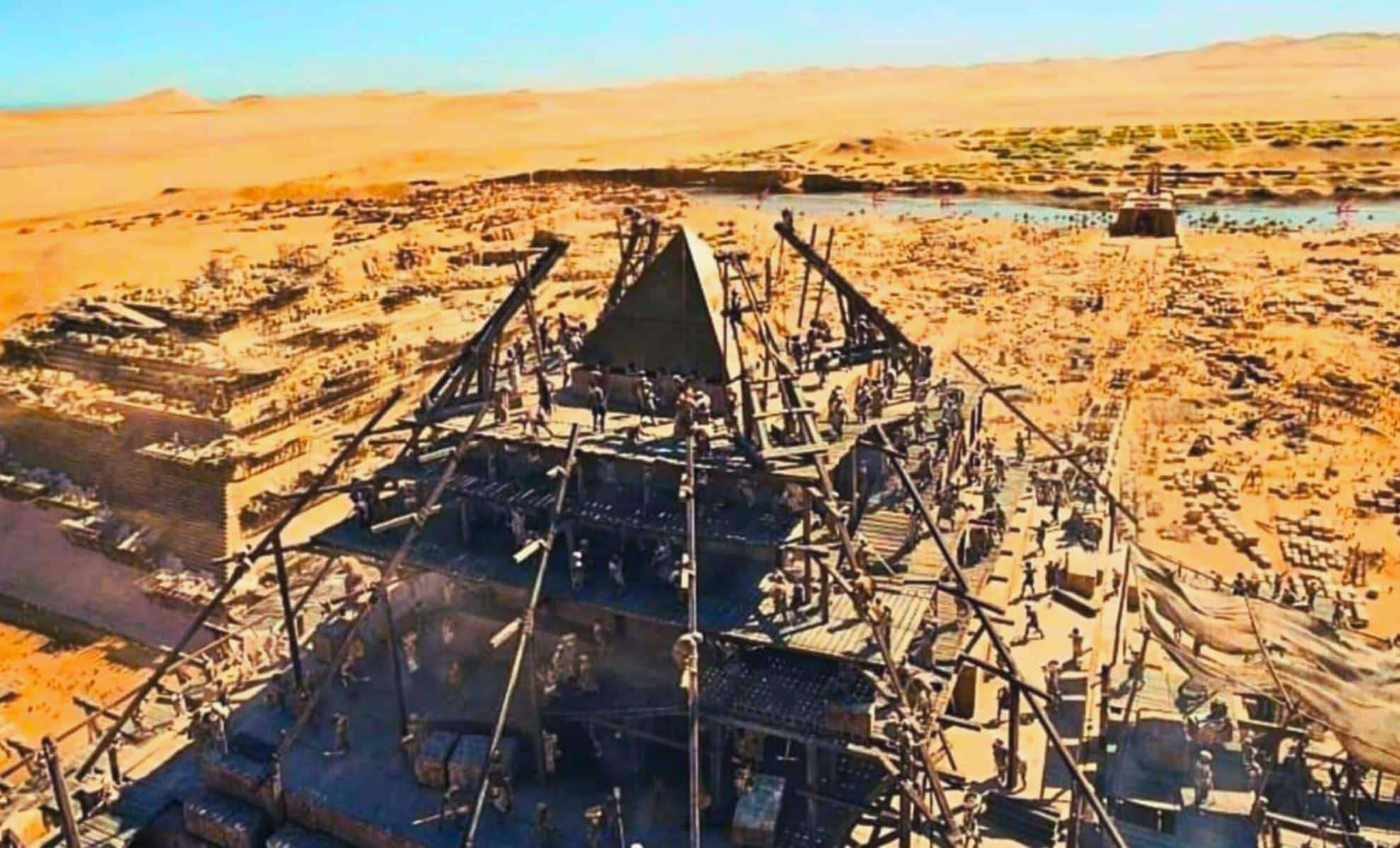
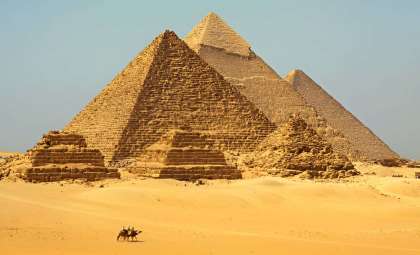
Recent investigations are transforming our understanding of how the Great Pyramids were erected by the ancient Egyptians. Contrary to the long-held notion that enormous stone blocks were moved by sheer manpower along huge earthen ramps, a cutting-edge hypothesis suggests they might have employed a hydraulic lift mechanism—a sophisticated innovation allowing precise assembly of these monumental structures.
This novel proposition originates from a group of French scientists led by Xavier Landreau, whose study appeared in PLOS ONE. Their findings highlight that the construction of the Step Pyramid of Djoser around 2680 BC might have been aided by water-powered technology. Let's explore what this theory reveals about ancient Egyptian innovations.
Challenging the Ramp Theory With Water Power
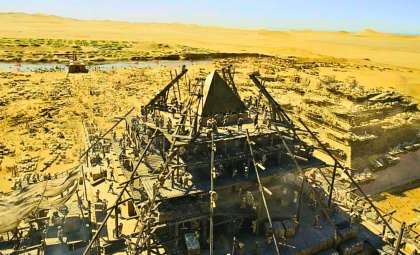
For decades, scholars have maintained that the pyramids were built by dragging stone blocks along sloping ramps made from mudbrick. However, Landreau and his team propose a revolutionary alternative: blocks could have been elevated inside the pyramid through a hydraulic lift system driven by water pressure.

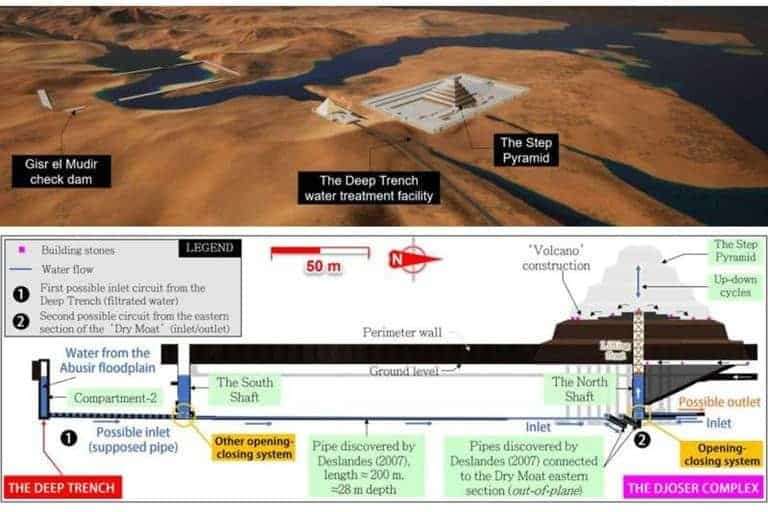
They hypothesize that the Egyptian builders created buoyancy within the pyramid's core shafts, allowing the stones to be floated upward, rather than hauled manually. This "volcano construction" method, as termed by the team, offers a plausible way to position huge blocks with remarkable accuracy using water's lifting force.
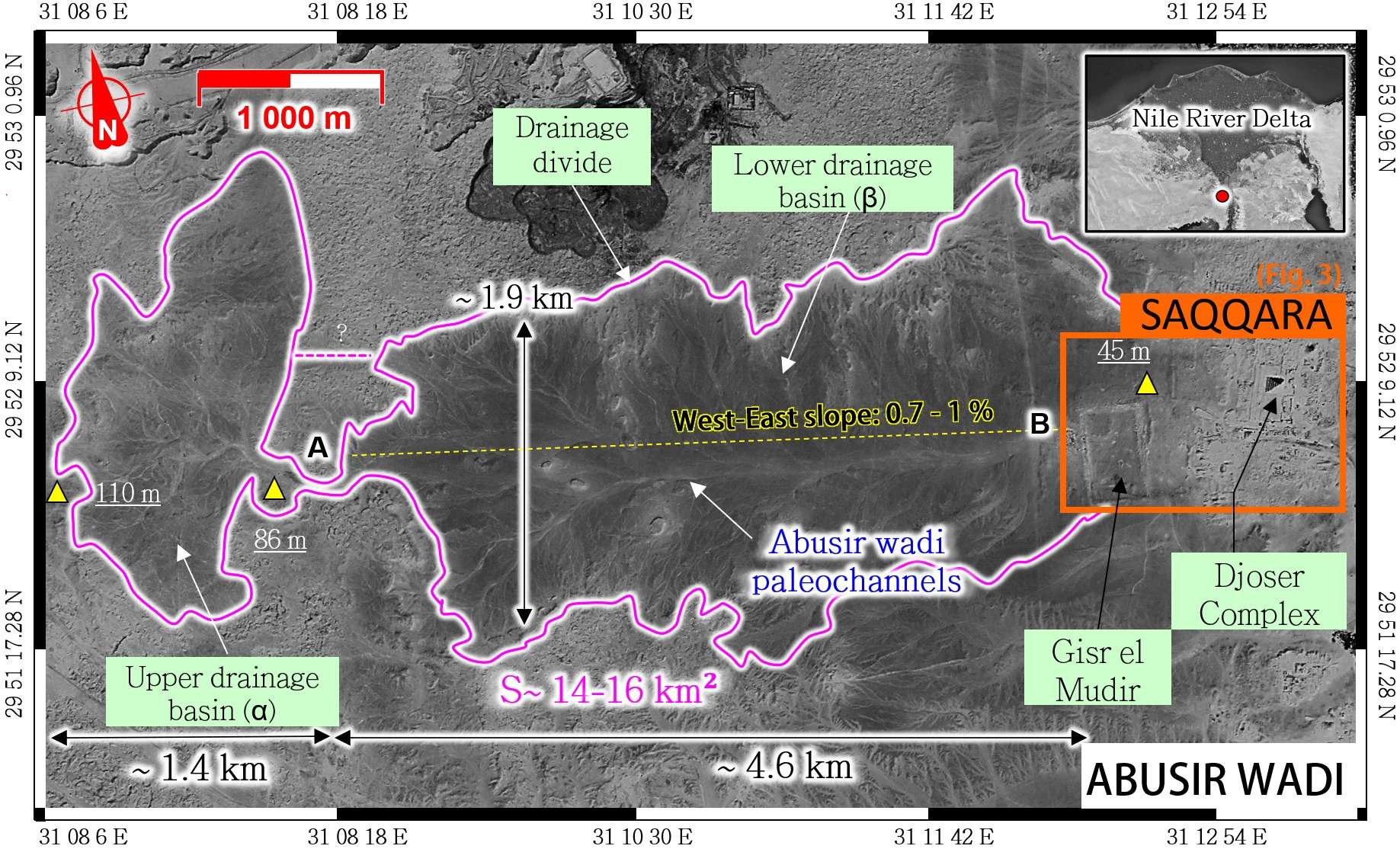
The researchers studied the Saqqara Plateau in detail, analyzing geographic features, water sources, and satellite images. Their data suggest the ancient engineers may have captured water from nearby seasonal streams, or wadis, to operate this hydraulic mechanism.
Key Hydraulic Structures: Gisr el-Mudir and the Dry Moat
A pivotal element in this theory is the Gisr el-Mudir, a large, enigmatic enclosure west of the pyramid. The team posits that instead of serving a purely ceremonial purpose, it functioned as a check dam to capture sediment and regulate water flow. This system would have ensured the steady water supply necessary to power the lifts drawing stone blocks upwards.
Additional backing comes from the presence of the Dry Moat encircling the pyramid. Initially thought to be symbolic, the moat may have acted as a water filtration system, purifying the water before its use in construction. Evidence such as its rock-cut compartments suggests it was part of a broader water management system controlling flow and purifying resources for the building process.
Collectively, these features reveal that ancient Egyptians might have integrated water as an active and essential tool in their architectural achievements, rather than a mere natural element.
Advances in Egypt’s Hydraulic Technologies
Ancient Egyptians were skilled in harnessing water for agricultural irrigation, transport, and moving heavy loads on river barges. However, discovering a hydraulic lifting device integrated into the Step Pyramid's construction points to a previously unexplored level of technological sophistication.
The team argues this water-based lifting technique could predate known water-lifting technology by millennia, highlighting a remarkable leap in ancient engineering. This finding could dramatically expand our appreciation of ancient Egyptian scientific ingenuity and their early mastery of complex mechanical systems.
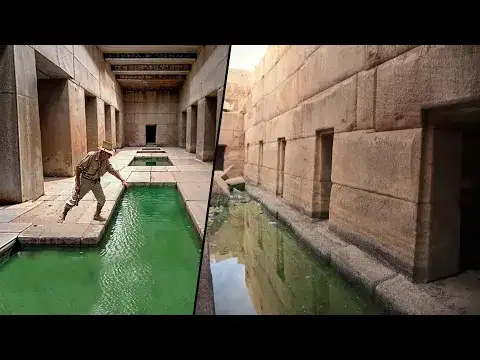
Furthermore, the pyramid’s internal design, including shafts and tunnels, exhibits extraordinary precision and alignment. Such meticulous craftsmanship hints that builders employed advanced planning tools to achieve unparalleled accuracy, likely supported by this hydraulic technology.
Remaining Mysteries and Future Research
While promising, the hydraulic lift hypothesis awaits further proof. The puzzling absence of King Djoser’s remains and funerary texts inside the pyramid fuels debate about its original purpose, which may have extended beyond tomb construction to an architectural or mechanical function.
The researchers call for more focused archaeological digs between the Dry Moat, Gisr el-Mudir, and inner pyramid shafts. These explorations could yield definitive evidence supporting their concept that water engineering played a vital role in pyramid assembly.
As new discoveries unfold, we may soon recognize that alongside human ingenuity and perseverance, the innovative harnessing of water was instrumental in accomplishing Egypt’s most iconic monuments.
- Categories:
- Science









0 comments
Sign in to Comment