
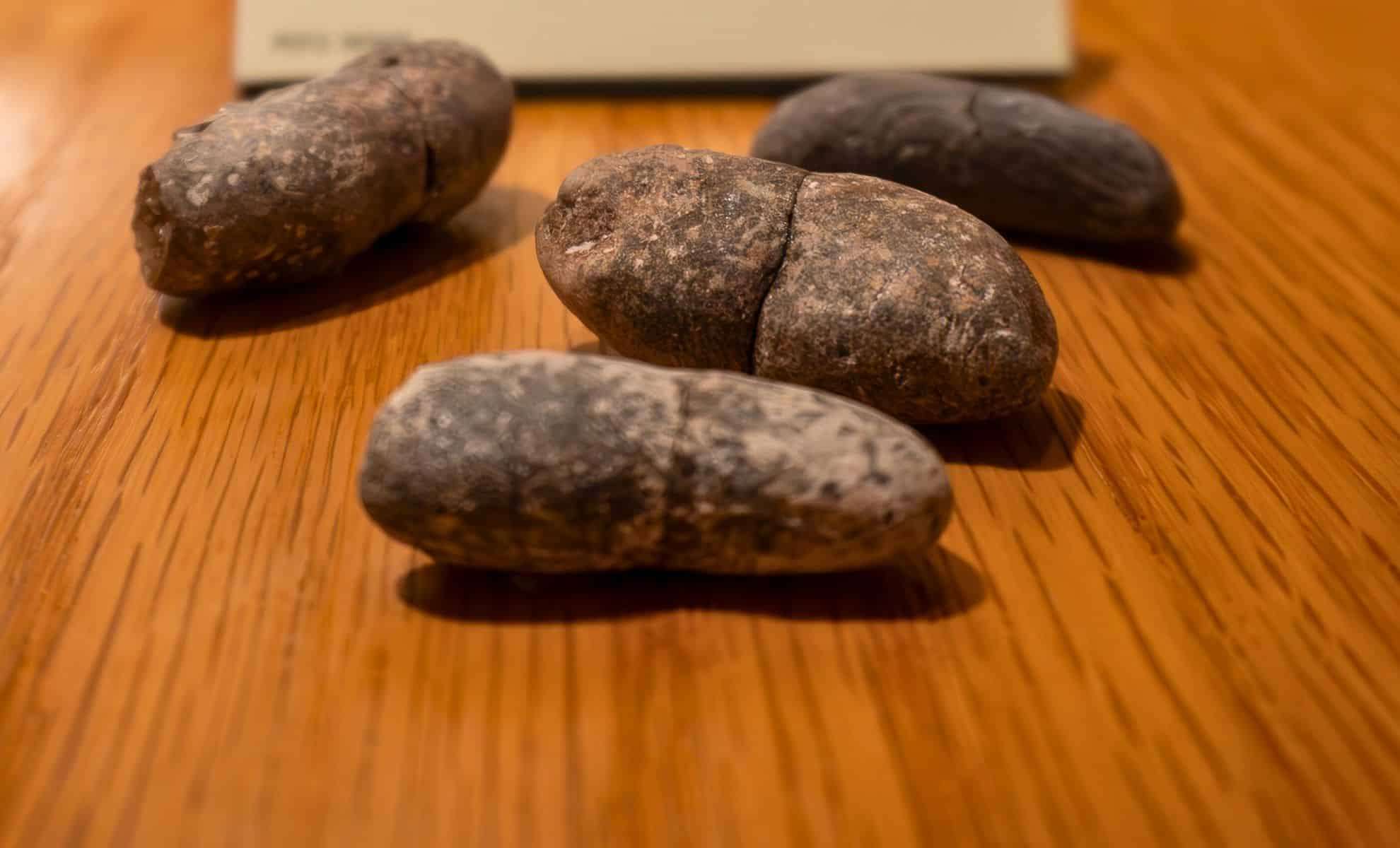
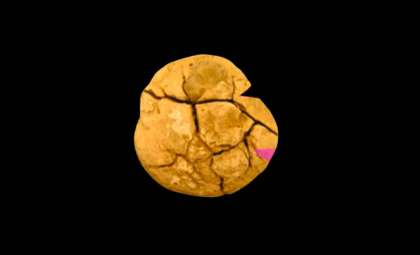
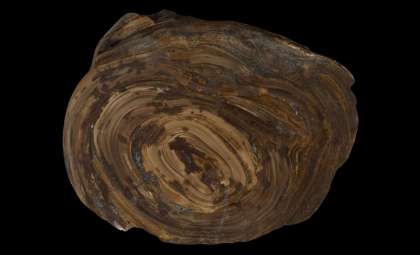
How much can petrified feces tell us about the distant past? Quite a remarkable amount, according to recent research. A new paper published in the journal Geobiology highlights that ancient fossilized droppings—called coprolites—can retain molecular remnants over hundreds of millions of years, offering valuable insights into the diets and habitats of extinct species. Unexpectedly, the preservation mechanism defies previous assumptions.
Uncovering Molecular Preservation in Prehistoric Droppings
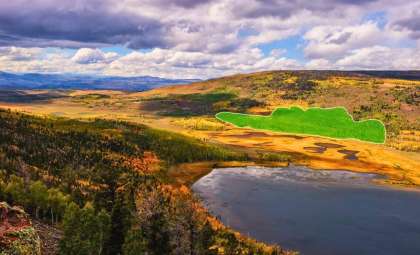
Scientists at Curtin University in Australia focused on coprolites estimated to be around 300 million years old, mostly sourced from the renowned Mazon Creek fossil deposits in the USA. While Mazon Creek is celebrated for its exceptional fossil integrity, this study pushed beyond physical impressions. Prior work had detected cholesterol traces—markers for carnivorous diets—in these fossils, but researchers questioned how such fragile molecules endured for so long.
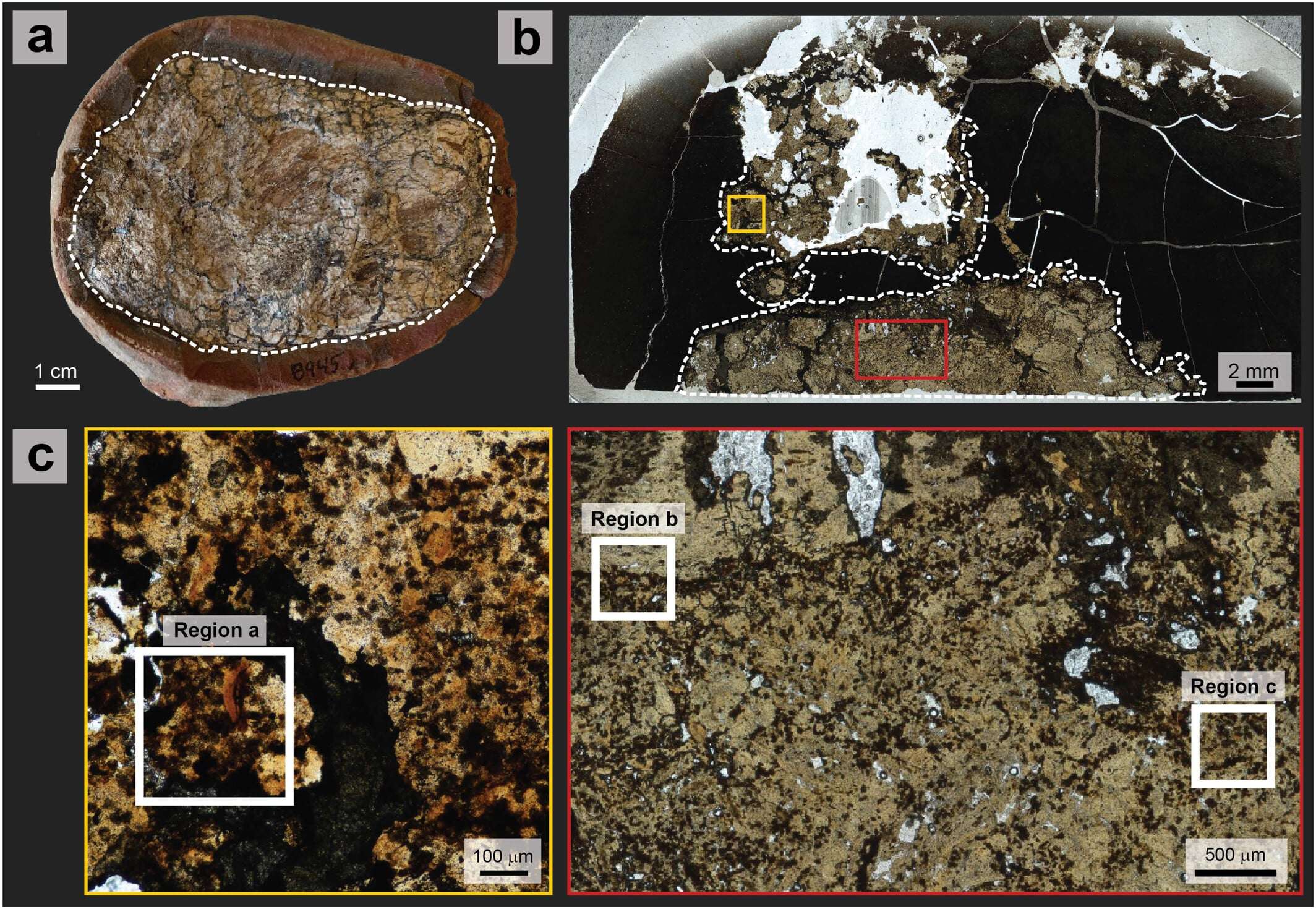
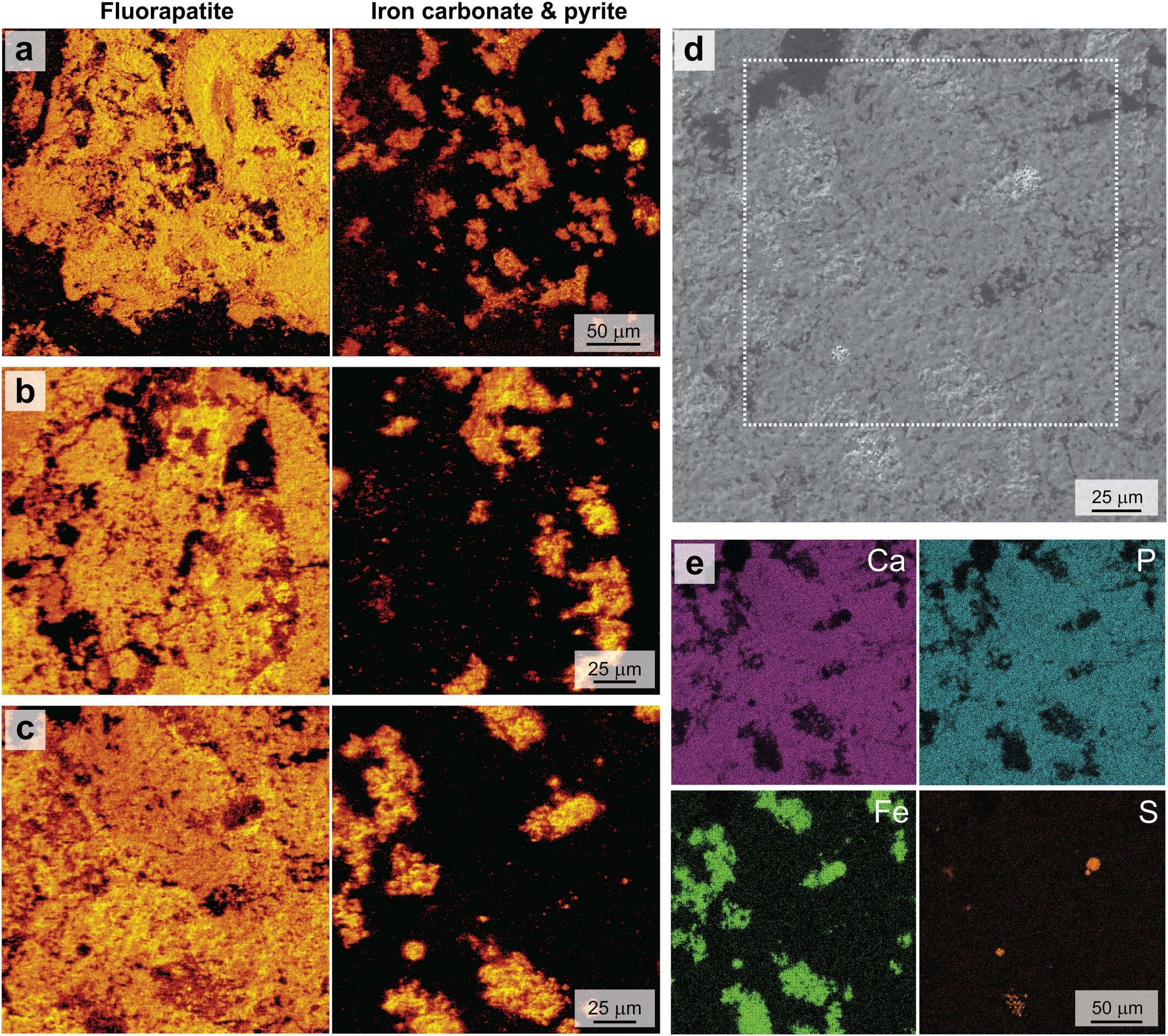
The prevailing belief was that phosphate minerals were responsible for preserving these features, as they are known to stabilize fossil structures. Yet, the investigation revealed a surprising protector: microscopic iron carbonate grains. These tiny mineral particles appear to encapsulate biomolecules, protecting them from breakdown over immense timescales.

“It’s akin to finding a treasure chest—phosphates—but the real prize is hidden in the surrounding gravel,” explains Dr. Madison Tripp, the study’s lead author and Adjunct Research Fellow at Curtin’s School of Earth and Planetary Sciences. Even for her extensive experience in fossil chemistry, these findings were unexpected.
Evidence Across Eras and Environments
To ensure that this discovery wasn’t a unique occurrence at Mazon Creek, the researchers broadened their scope, analyzing fossils from various periods, species, and habitats. Consistently, the distinctive link between mineral formations and preserved molecules appeared. This pattern was neither accidental nor rare—it was recurring.
Professor Kliti Grice, co-author and Director of Curtin’s WA-Organic and Isotope Geochemistry Center, emphasizes its significance: “This is far from an isolated incident or a stroke of luck. We’re witnessing a repeating phenomenon, suggesting carbonate minerals have reliably safeguarded biological data throughout Earth’s history.”
What does this mean? Iron carbonate minerals could play a more vital role in molecular fossil preservation than previously acknowledged, presenting new opportunities in the search for ancient life evidence.
A New Path for Fossil Research
Understanding which mineral types excel at protecting ancient biomolecules enables paleontologists to adopt more targeted strategies. Rather than leaving discoveries to mere luck, researchers can now focus on specific rock formations where fossilized feces might harbor molecular secrets. Essentially, scientists are beginning to search for molecular evidence alongside traditional bone discoveries.
This advancement not only aids fossil identification but revolutionizes reconstructing historic ecosystems. “It enriches our understanding of ancient life—beyond physical appearances to behaviors, ecosystems, and decomposition processes,” Grice remarked. These nuances are not always apparent from bones or shells alone.
The key details, ranging from dietary habits to decay pathways, are preserved within fragments of ancient excrement. Although unconventional, these remain among the most promising reservoirs of molecular information from deep time.
- Categories:
- News





0 comments
Sign in to Comment