
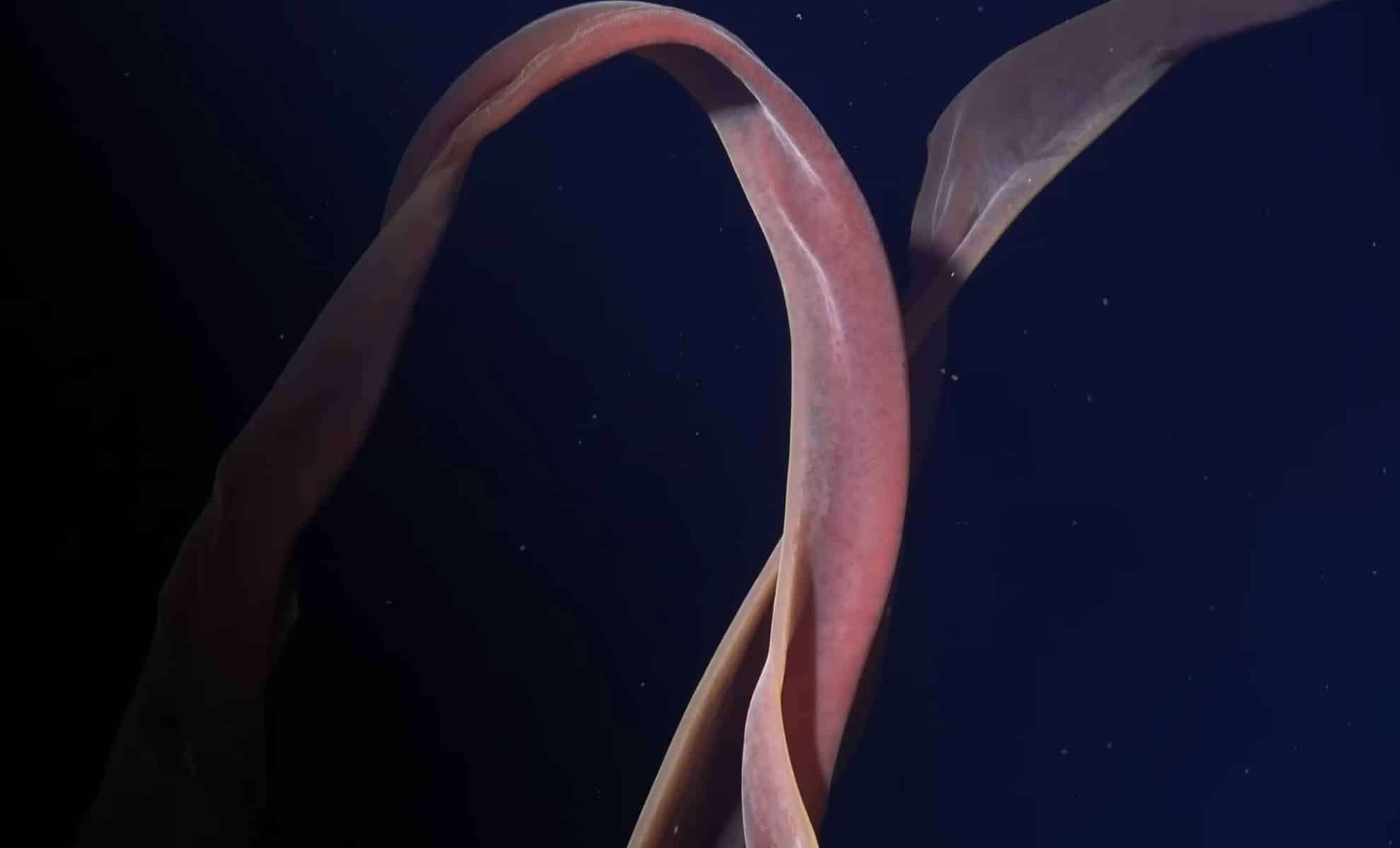
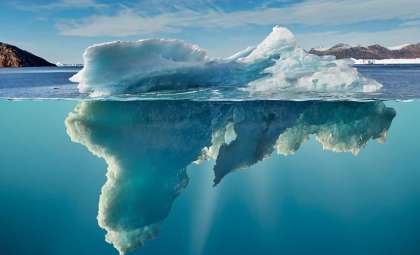
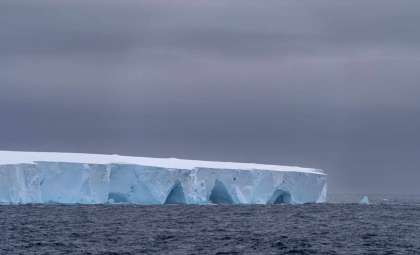
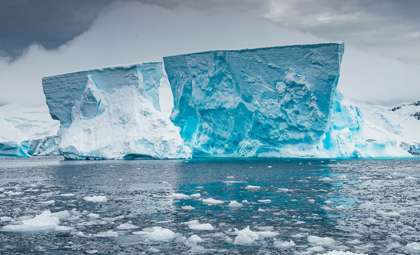
According to a Washington Post article, scientists aboard the research vessel Falkor (too) made a startling discovery beneath a colossal 19-mile-long iceberg that recently separated from the George VI Ice Shelf in Antarctica.
This ice shelf, situated along the Antarctic Peninsula, has suffered extensive impact from climate change, leading to its recent fragmentation. The detachment of this enormous iceberg exposed a hidden, thriving marine ecosystem that had likely been concealed under ice for many centuries.
Hidden Underwater Habitat Emerges
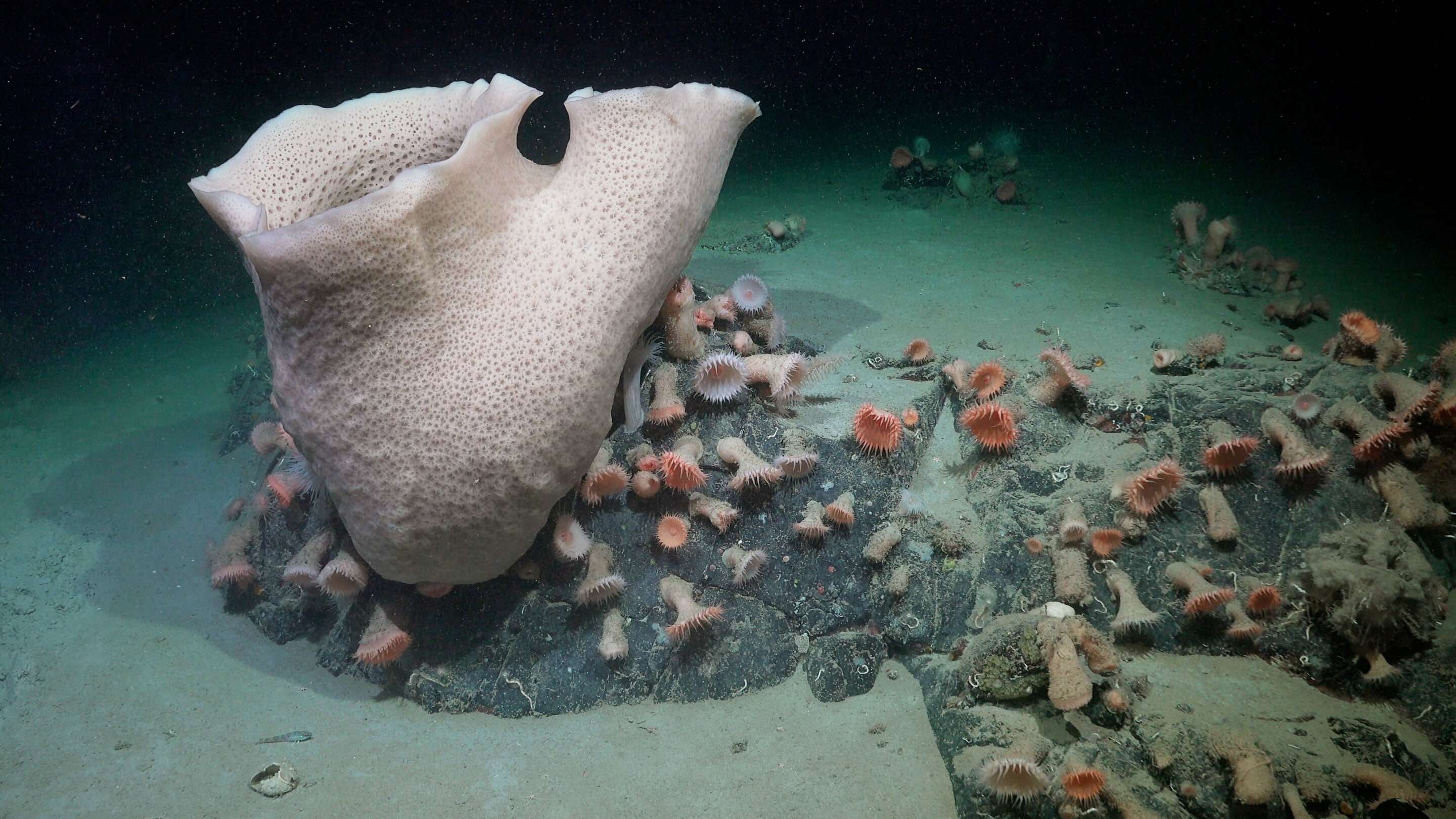
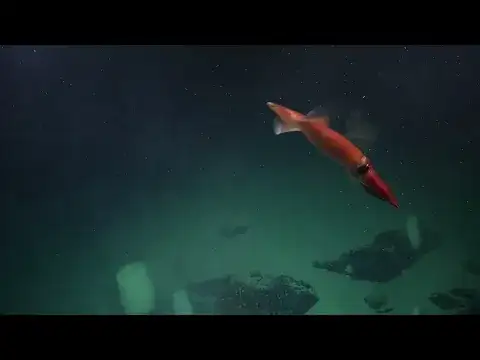
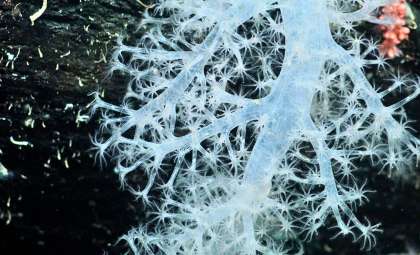
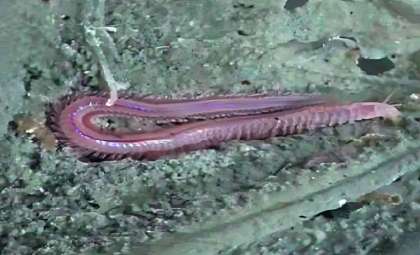
The expedition team, unsure of what to expect below the iceberg, was astonished by the variety and abundance of marine species flourishing under such extreme conditions. They observed a vibrant community including octopuses, crustaceans, sea snails, fish, and worms, suggesting a resilient and diverse ecosystem.

These organisms have managed to persist and evolve within complete darkness and isolation, adapting to the harsh environment over time. Videos provided by the Schmidt Ocean Institute, which supported this exploration, reveal extraordinary biodiversity, including tentacled anthropods and striking red thorny crustaceans.
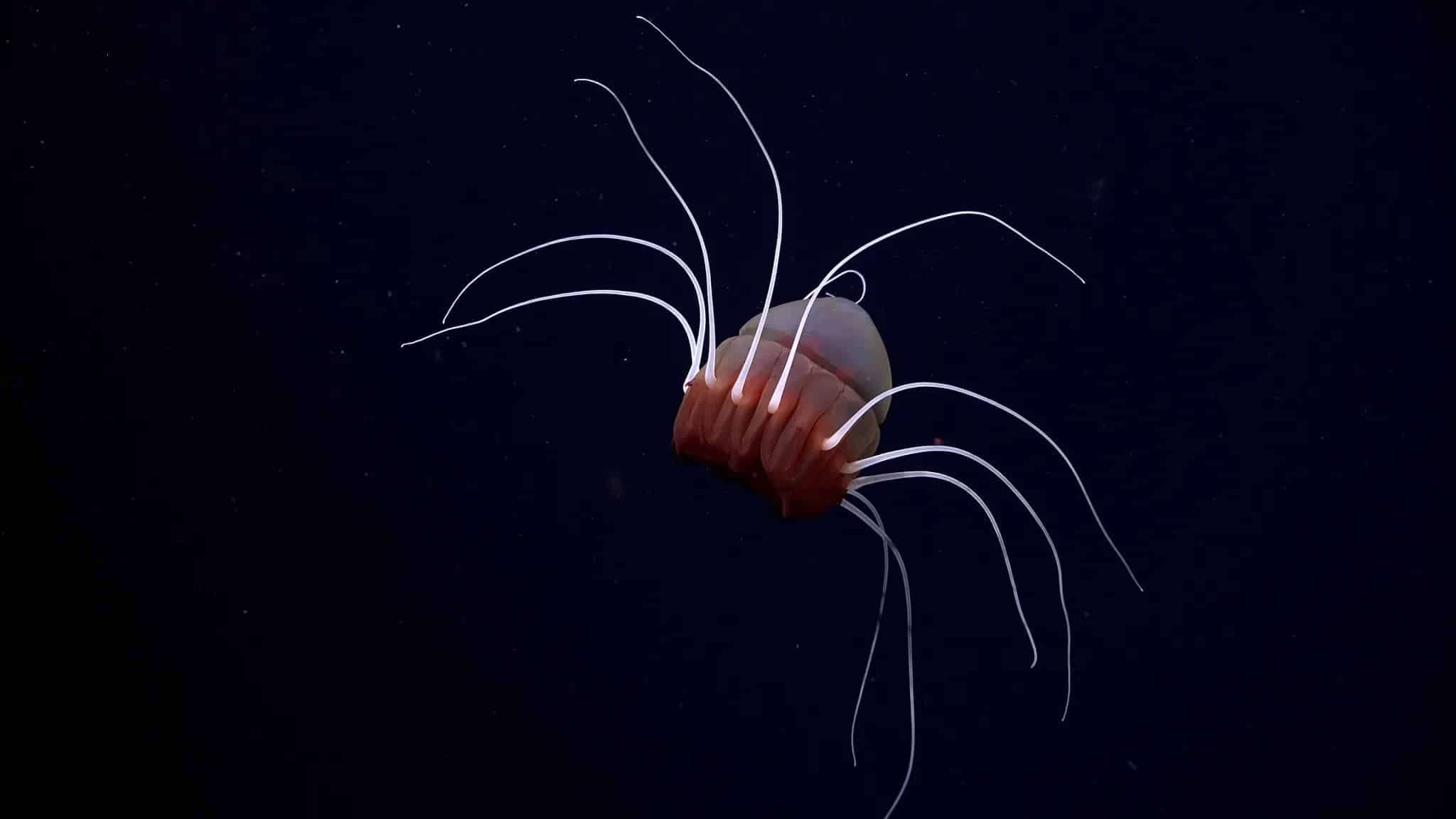
One especially notable photo shared by the Institute depicts a helmet jellyfish, a tentacled species never before recorded in this region. Patricia Esquete, lead scientist from Portugal’s University of Aveiro, conveyed her amazement at the find:
“We didn’t expect to find such a beautiful, thriving ecosystem. Based on the size of the animals, the communities we observed have been there for decades, maybe even hundreds of years.”
Insights into Survival in Harsh Environments
The Antarctic region is marked by isolation, darkness, and subzero temperatures, making it one of Earth’s most challenging habitats. This recent discovery sheds light on the unexpected adaptability and persistence of marine organisms under such extreme conditions.
The study’s outcomes also provide crucial data on how ecosystems might evolve as global climate shifts accelerate. Researchers hope these insights will guide predictions about the resilience and future transformations of remote ocean habitats amid environmental changes.
The team emphasized that understanding these resilient ecosystems is vital not only for biological knowledge but also for anticipating climate change’s broader effects on fragile regions like Antarctica.
With ongoing global warming causing glaciers and sea ice to melt, monitoring the response of marine communities in such vulnerable locations remains a priority for scientists worldwide.
Climate Change and the Stability of Antarctic Ice Shelves
The George VI Ice Shelf ranks among Antarctica’s most susceptible ice formations, already showing signs of stress from environmental warming. A 2021 investigation highlighted notable surface melting on this ice shelf, with the recent iceberg separation adding to concerns about regional ice stability.
Scientists warn that further collapse could accelerate the flow of glacial ice into oceans, amplifying sea level rise worldwide. As the largest grounded ice mass on the Antarctic Peninsula, the George VI Ice Shelf’s deterioration would have significant global ramifications.
Given the dynamic changes in this area, researchers remain eager to track how the newly discovered marine species beneath the iceberg will adapt to their altered surroundings. Esquete and colleagues continue analyzing collected samples, anticipating it may be several months before they confirm any newly identified species.
This extraordinary discovery highlights the necessity for continued scientific exploration in Antarctica, where uncovering unknown ecosystems may be pivotal to understanding Earth’s ecological future amid climate change.
- Categories:
- Science





0 comments
Sign in to Comment