
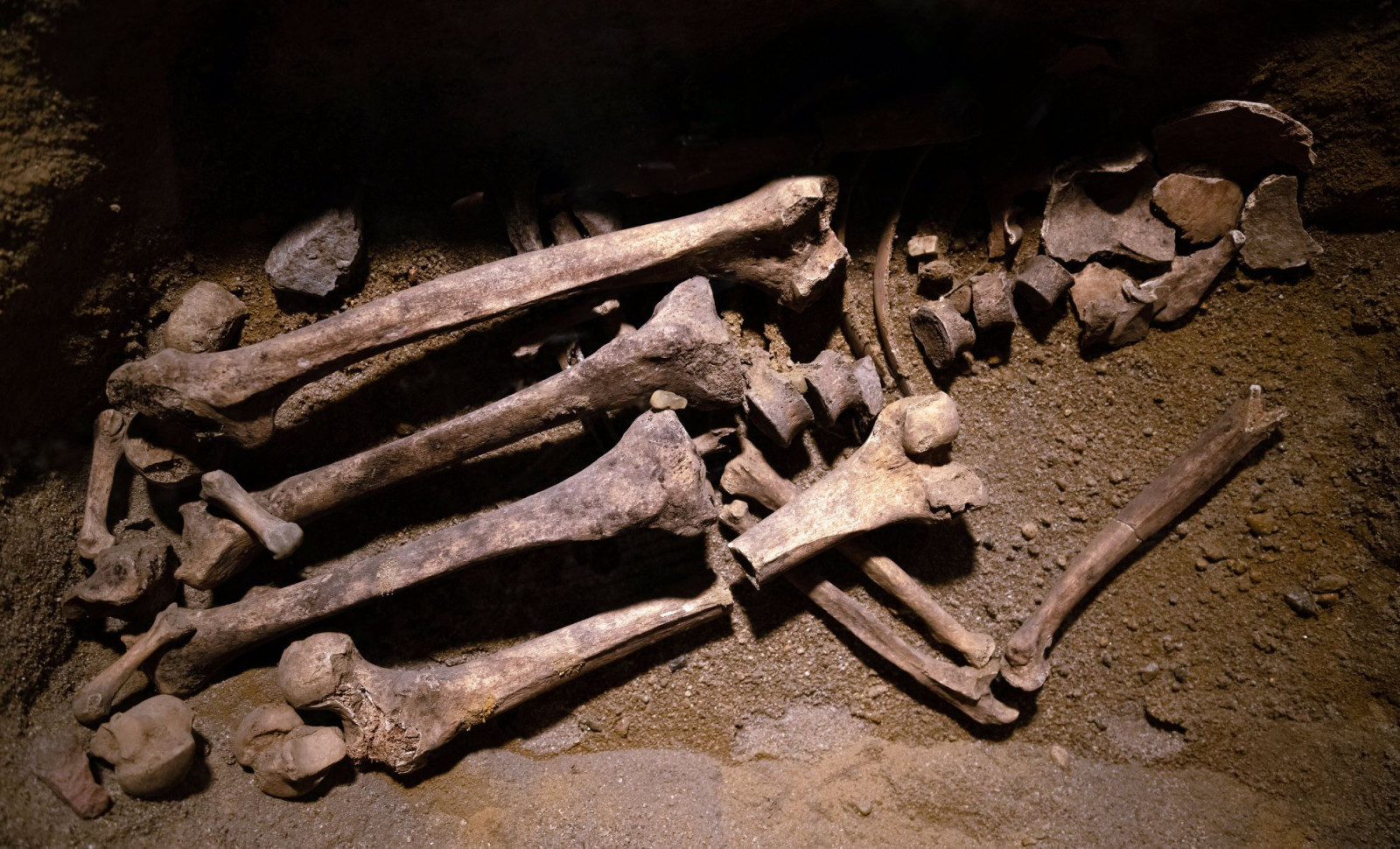
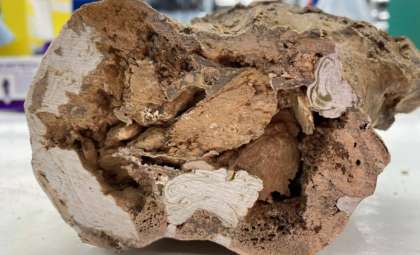
For more than six decades, researchers believed the Ushikawa site in Japan housed some of the nation’s earliest human remains. However, recent investigations have overturned this long-standing assumption. What were once thought to be prehistoric human bones have been reclassified as bear fossils.
Discovered in the late 1950s, these fossils were initially hailed as a crucial discovery, believed to represent a human who lived over 20,000 years ago. Advanced methodologies, particularly state-of-the-art CT imaging, have now clarified the actual origin of these bones.
Uncovering the Fossil Misclassification
The Ushikawa remains were originally identified as human due to the morphology of the bones, which included an upper arm bone (humerus) and a lower limb bone (femur). Scientists presumed these belonged to an ancient human inhabitant of Japan.

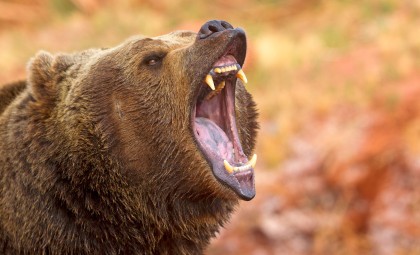
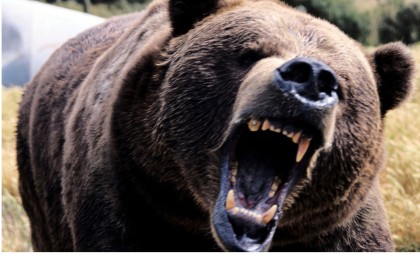
However, the new research published in Anthropological Science indicates these fossils actually come from a brown bear (Ursus arctos). What was considered a humerus turned out to be the radius bone from a bear’s forelimb, and the femur also originated from a bear species.
This isn’t the first instance where ancient bones were misidentified—back in the 1980s, the so-called “Akashi Man” was reclassified after further examination showed it was not human.
Modern Imaging Unmasks True Origins
How did scientists determine the fossils’ true nature? The breakthrough came with the use of modern CT scanning technology, which allowed for detailed internal examination of the bones that was previously impossible. According to researcher Gen Suwa, CT scans revealed distinctive traits unique to bear anatomy.
Features like the bone shapes and structures seen in the scans conclusively proved the fossils are from bears, not humans.
“From these observations and taking into account the individual variation in bear bone morphology, we were able to determine that the Ushikawa ‘human humerus’ fossil is a fragment of the shaft of a bear’s radius, and that the femoral head fossil is also bear bone,” said the authors.
Reevaluating Japan’s Prehistoric Human Presence
With the Ushikawa fossils now identified as belonging to bears, the earliest verified human fossils on mainland Japan are dated between approximately 14,000 and 17,000 years ago, located near Hamakita quarry. This revision alters our understanding of when humans first settled in the region, providing a clearer timeline of prehistoric habitation. Additionally, fossils on the Ryukyu Islands may date back as far as 32,000 years.
Similar cases of fossil misidentification emphasize the difficulty paleontologists face. For instance, a study from the University of Chicago Press Journals revealed that a bone in Alaska initially thought to be from a bear was later found to belong to a Native American woman who lived approximately 3,000 years ago.
“Although the ‘Ushikawa man’ remains were found to be nonhuman, their historical scientific significance as a contribution to the subsequent development of paleoanthropological research remains unchanged,” as cited by the Japanese newspaper Mainichi.
These instances highlight the complexities involved in fossil identification, especially when earlier researchers lacked access to the advanced tools available today.
- Categories:
- Science



0 comments
Sign in to Comment