
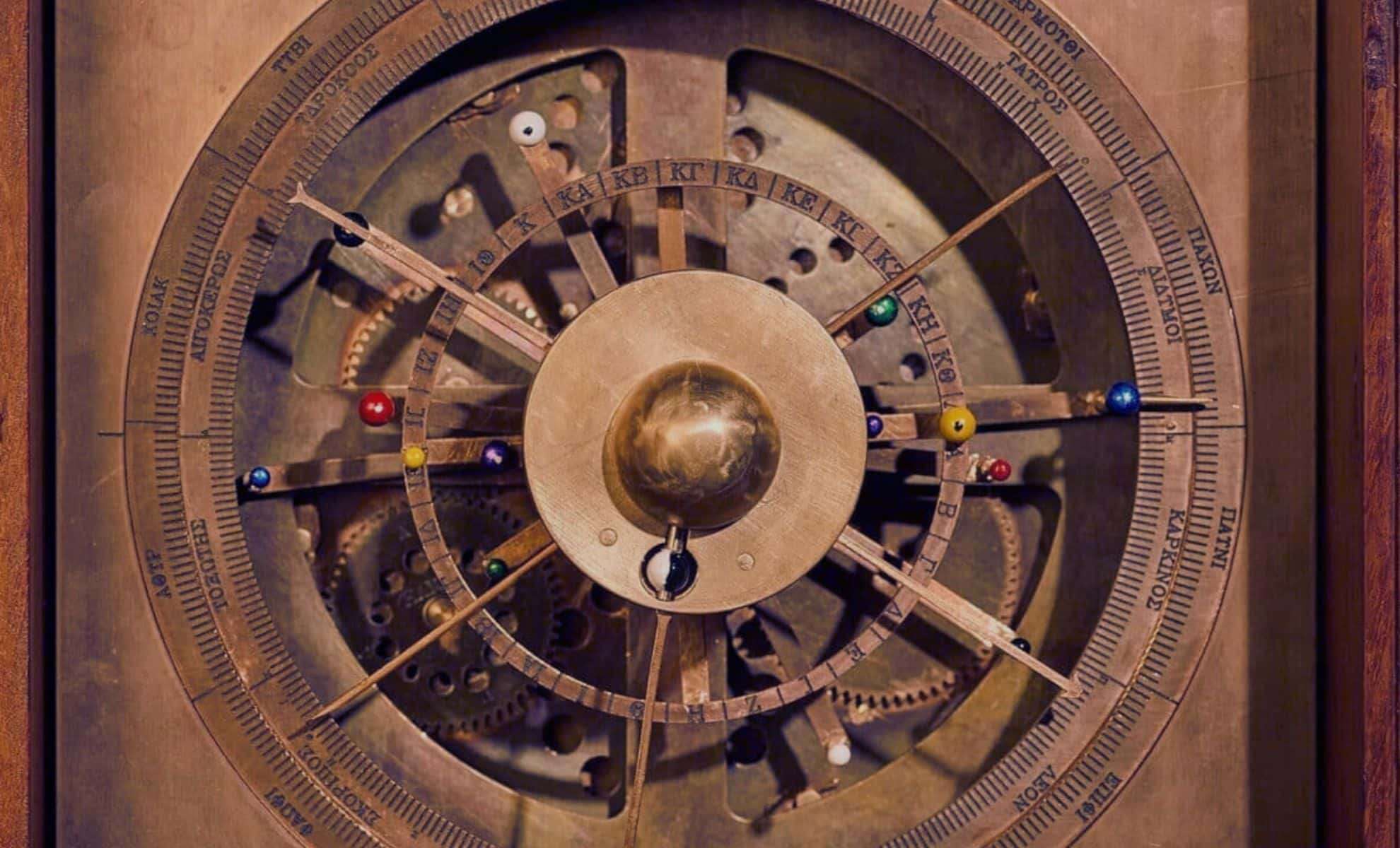
In 1900, sponge divers near the island of Antikythera, Greece, uncovered a shipwreck that concealed a marvel of ancient technology. Far beyond a simple relic, this object—a complex mechanical device—left archaeologists and scientists puzzled for decades. Known today as the Antikythera mechanism, it stands as the earliest known analog computer.
Unveiling a Treasure from the Depths
The find occurred over a century ago when divers sheltering from a storm explored a wreck dating back to approximately the first century BCE. Among the recovered artifacts, the Antikythera mechanism emerged as the most remarkable. Originally mistaken for a corroded mass, it was soon recognized as an advanced astronomical instrument. This shoebox-sized device contains more than 30 meshing gears that tracked celestial events with extraordinary accuracy.
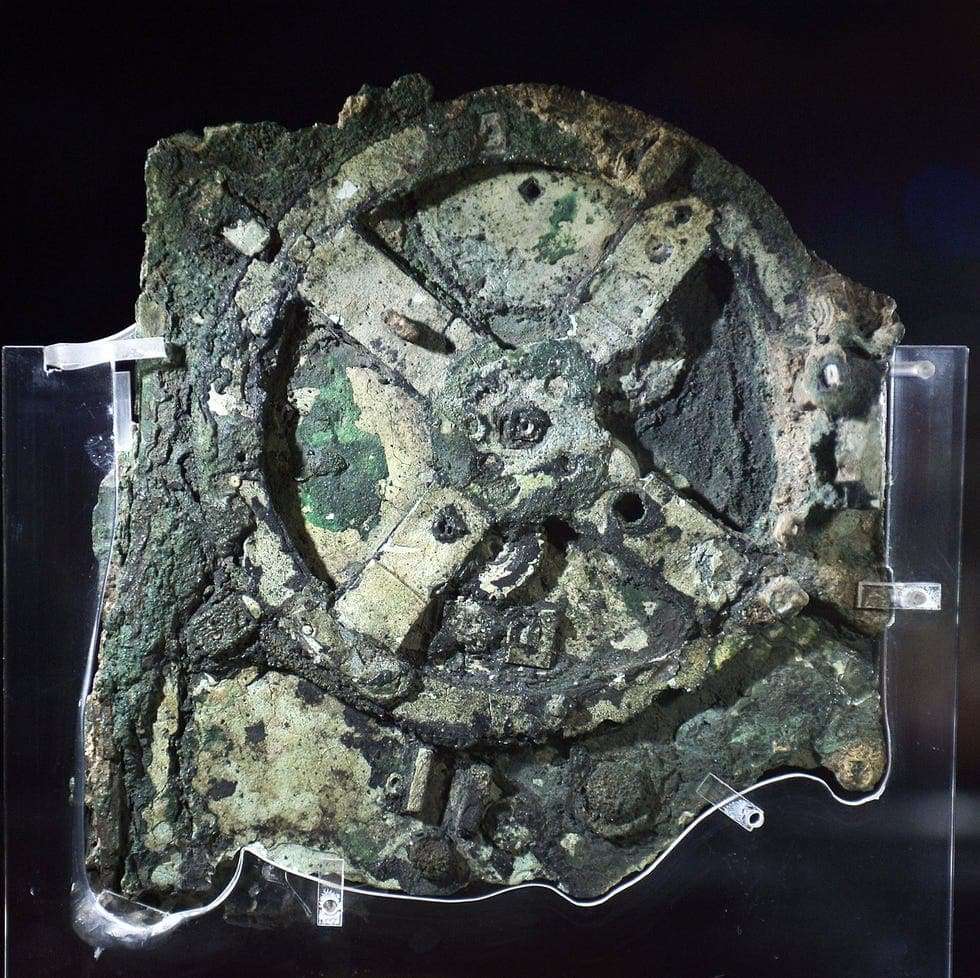
Though the wreck is dated to circa 65 BCE, the mechanism itself likely dates earlier, possibly between the third and first centuries BCE. Scholars debate how such a sophisticated tool found its way onto a Roman-era trading vessel, with theories ranging from it being a war prize to a diplomatic gift to Julius Caesar.

Insight Into Ancient Mechanical Genius
The complexity impressed researchers from the outset. Designed to simulate the orbits of the sun, moon, and five planets visible in antiquity—Mercury, Venus, Mars, Jupiter, and Saturn—the mechanism featured dials on its front showing lunar phases. Its rear held two spiral scales indicating long-term astronomical cycles, including the 19-year Metonic lunar calendar and the eclipse-predicting Saros cycle.
One of the mechanism’s most remarkable components is its pin-and-slot system, which accounted for the moon’s elliptical orbit speeds. This employed epicyclic gearing—small gears rotating around larger ones on offset axes—a technology previously believed only to have emerged in the Middle Ages. This accurate modeling of celestial dynamics was revolutionary for its era, astonishing historians and engineers alike.
Decoding the Device with Modern Technology
Extensive study throughout the 20th century only revealed fragments of its secrets until physicist Derek de Solla Price led research in the 1970s that identified it as an astronomical calculator. Advances in X-ray tomography and detailed scanning techniques later uncovered over 2,000 inscribed characters, with 95% decoded to date.
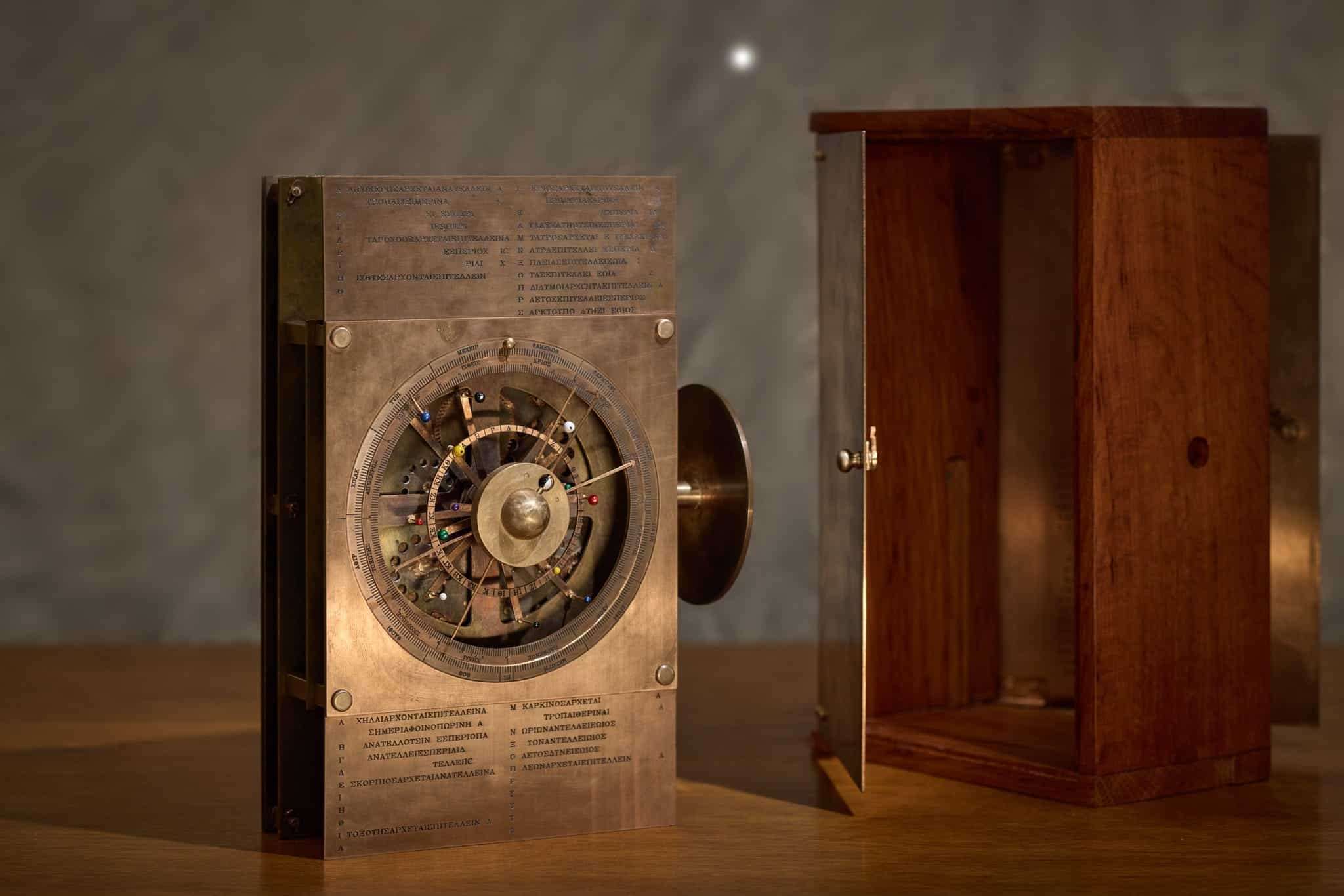
In a landmark discovery in 2024, Graham Woan from the University of Glasgow and colleague Joseph Bayley applied advanced statistical techniques, often used in gravitational wave research, to determine the number of holes on the calendar ring. This insight strongly suggests the device operated according to a lunar calendar, challenging previous assumptions that it used the Egyptian solar calendar.
Continuing Fascination and Scholarly Debate
Despite decades of analysis, the Antikythera mechanism remains a source of intrigue. Experts such as Tony Freeth view its use of epicyclic gears and other features as the pinnacle of Hellenistic technological advancement, unrivaled until medieval times. Nonetheless, the recent conclusion about its lunar calendar basis has sparked controversy, with some researchers questioning how such complexity aligns with a lunar system.
The mysteries surrounding the device’s exact purpose, design, and provenance endure, but the Antikythera mechanism endures as a powerful symbol of the extraordinary engineering capabilities of ancient Greece. Today, it continues to inspire and challenge our perceptions of early technological innovation.

- Categories:
- Tech
















0 comments
Sign in to Comment