
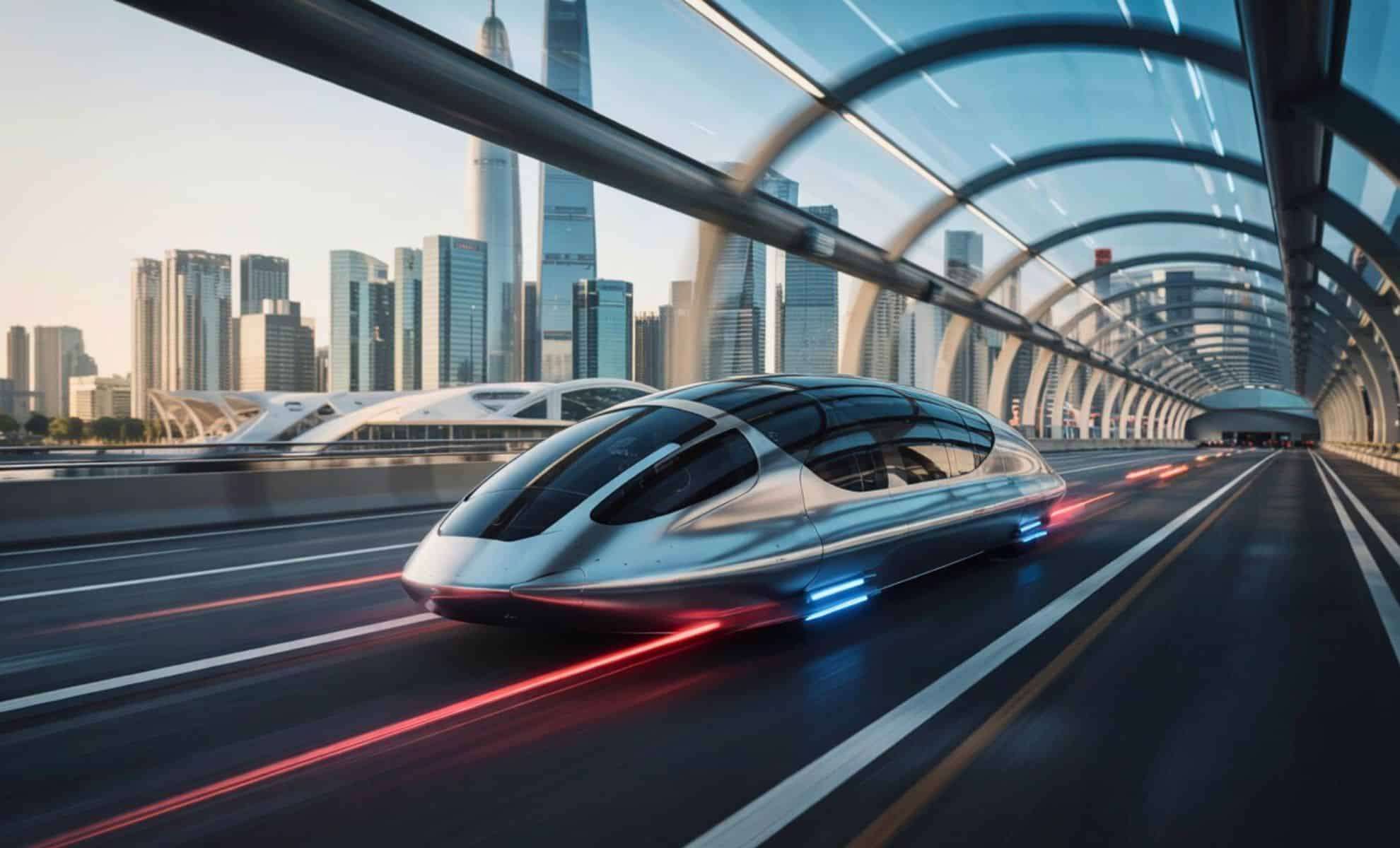
China is advancing the future of travel with an innovative supersonic hyperloop system that aims to surpass conventional airplanes in speed and efficiency. Integrating magnetic levitation (maglev) with near-vacuum tubes, this cutting-edge project is actively being tested and may soon be operational on select routes later this year.
Accelerating Innovation in Shanxi Province
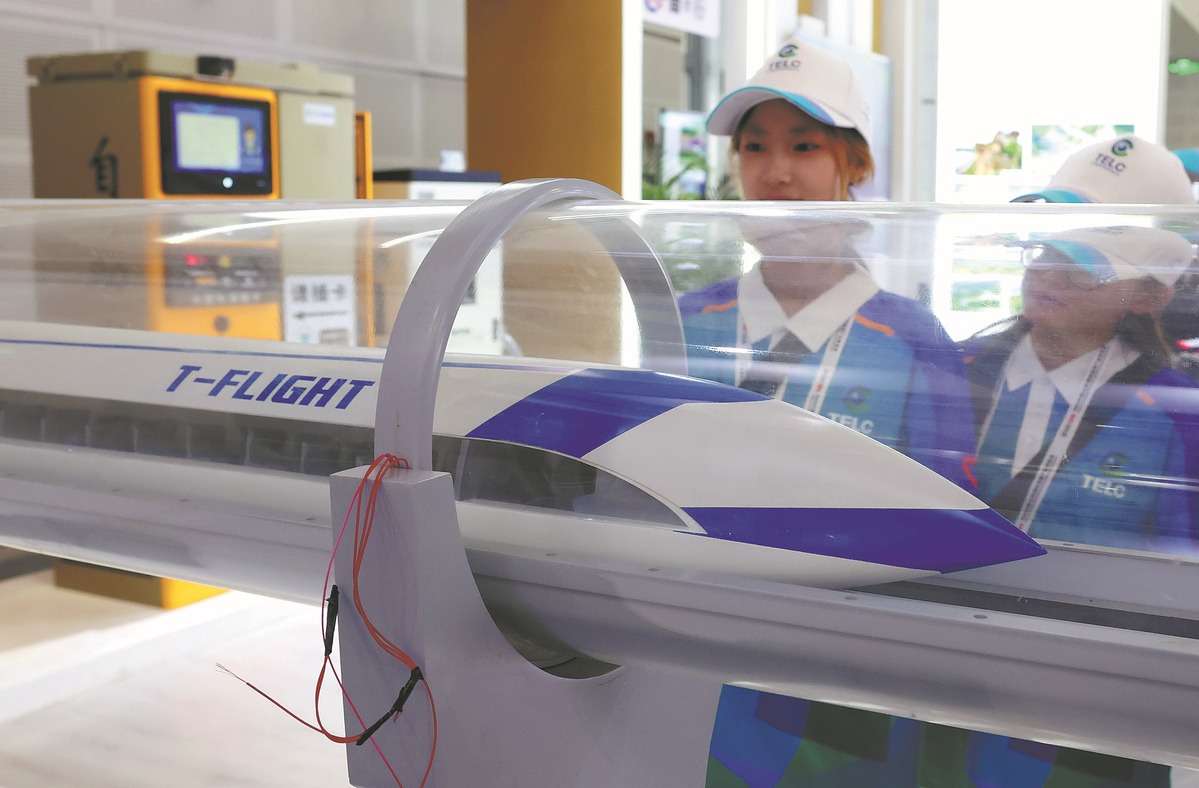
The first phase of testing is underway in Shanxi province, where the China Aerospace Science and Industry Corporation (CASIC) has established a 2-kilometer trial track. The hyperloop pods glide above the track using magnetic levitation, nearly eradicating friction.
Simultaneously, the pods run through tubes with drastically reduced air pressure, minimizing aerodynamic drag and enabling potentially revolutionary speeds.

Though official speeds during early trials remain undisclosed, insiders indicate the system could ultimately reach over 1,000 kilometers per hour.
This speed could cut travel between Beijing and Shanghai to roughly 90 minutes, a drastic improvement over the current high-speed rail duration of about four and a half hours.
Driving China's Vision for Future Transportation
This project fits into a larger goal to revolutionize domestic transit by 2030, connecting major economic centers via a hyperloop network. The swift completion of the Datong testing site in just 18 months highlights China’s rapid infrastructure development abilities.
Officials plan for commercial hyperloop service to start as soon as 2025, with gradual expansion over the following decade. From an economic standpoint, the system promises to be markedly more cost-effective than traditional air travel.
Analysts project operational expenses to be 20 to 30 percent lower than those of airlines covering similar distances. Energy efficiency gains come from less reliance on fossil fuels and a reduced environmental impact.
Additionally, hyperloop stations planned within city centers could save even more time compared to airports, which are usually situated far from urban cores.
Technical Hurdles and Safety Concerns
Despite the impressive potential, significant engineering and safety obstacles remain. Sustaining a near-vacuum environment across thousands of kilometers presents one of the largest challenges, as any minor tube puncture could compromise the system’s operation.
To counter these risks, the development of pressurized capsules able to endure sudden pressure changes is underway, alongside advanced emergency evacuation protocols.
Temperature changes over seasons and day-night cycles threaten tube stability. Researchers are experimenting with cutting-edge composite materials engineered to withstand expansion and contraction to ensure consistent alignment.
The projected investment to establish a national hyperloop network is substantial, surpassing $150 billion. This raises critical considerations regarding financial viability and scalability, especially given China’s existing, extensive high-speed rail system.
- Categories:
- Tech





0 comments
Sign in to Comment