
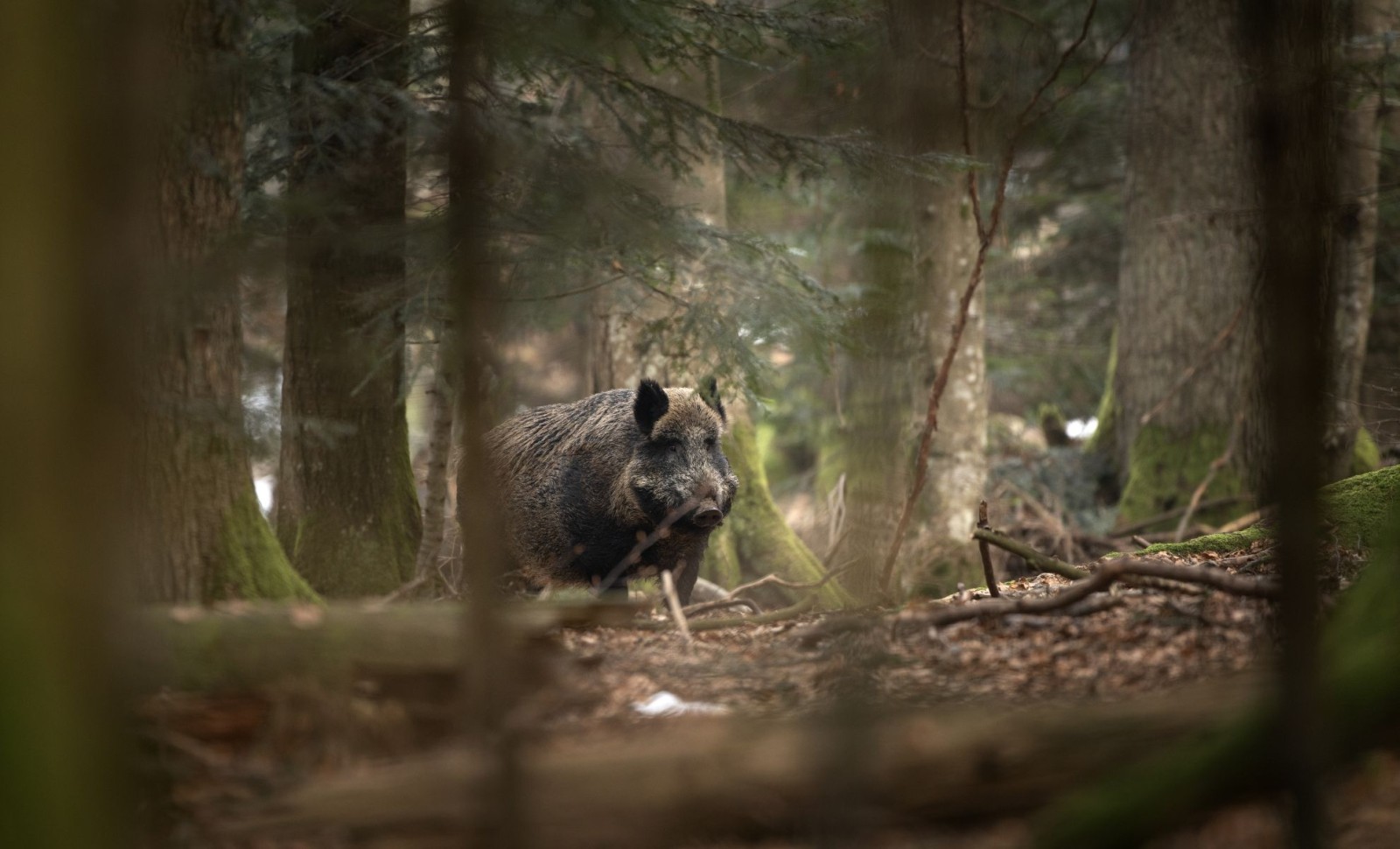
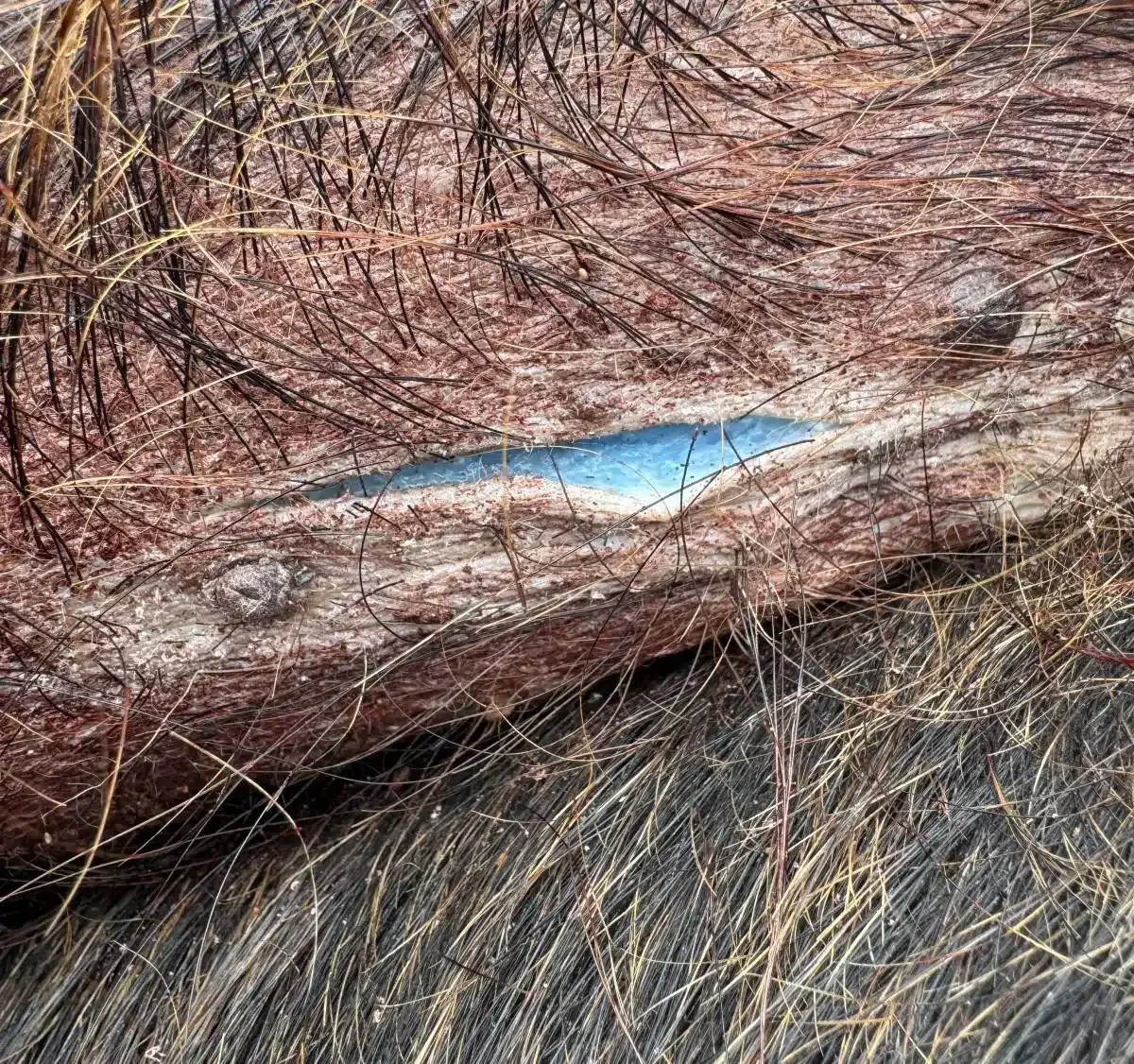
In California, hunters recently encountered an unusual phenomenon: wild pigs exhibiting bright blue fat beneath their skin. Reported by The Los Angeles Times, this startling observation has prompted public alerts and concerns about potential toxic substances affecting local wildlife. The vivid blue coloration was strictly limited to the pigs’ fat, while the muscle and other tissues appeared normal.
The Danger Lurking in Toxic Fat
The discovery occurred in Monterey County thanks to experienced trapper Dan Burton, who had never witnessed anything like this in his years of wildlife work.
“I’m not talking about a little blue,” he told Los Angeles Times. “I’m talking about neon blue, blueberry blue.”
Add Cosmo Herald as a Preferred Source

Investigations by state wildlife officials identified the cause as diphacinone, an anticoagulant rodenticide often dyed bright colors for identification. According to the California Department of Fish and Wildlife (CDFW), this poison disrupts blood clotting, leading to internal bleeding in affected animals.
While diphacinone breaks down more quickly than some newer anticoagulants, it can linger long enough in animal tissues to pose risks to scavengers, predators, and humans who consume the meat. Ryan Bourbour, a pesticide investigator at CDFW, explains:
“Hunters should be aware that the meat of game animals, such as wild pig, deer, bear and geese, might be contaminated if that game animal has been exposed to rodenticides.”
The Impact on Wildlife Populations
Diphacinone remains a common tool in agriculture to manage rodent populations, but despite updated regulations introduced in 2024, preventing unintended exposure to wildlife continues to be challenging. Residues of this poison have been found in predators like mountain lions, bobcats, foxes, and vulnerable species including the San Joaquin kit fox and northern spotted owl.
Many predators are affected indirectly by consuming prey that have ingested rodenticides, causing harm throughout the food chain.
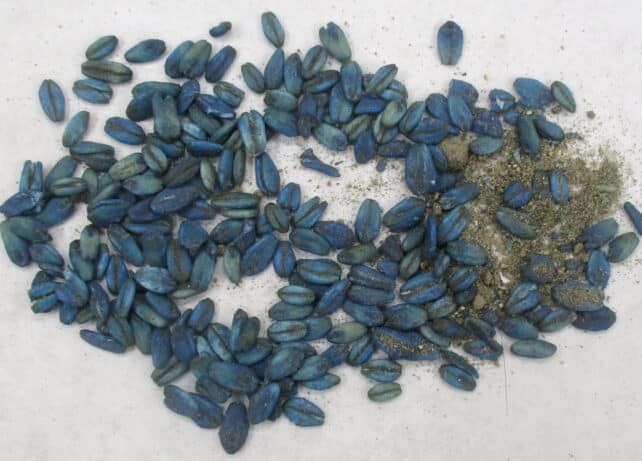
Experts have long warned about the hidden dangers of such anticoagulants. As reported by Science Alert, symptoms in poisoned animals often remain unnoticed until it’s irreversible, unless timely treatment with vitamin K is administered.
Advocating for Eco-Friendly Pest Solutions
In response to these findings, there is growing momentum for adopting pest control methods that minimize chemical use. Integrated pest management (IPM) techniques have been championed as safer alternatives, prioritizing physical barriers, traps, and natural repellents such as essential oils or introducing natural predators.
The CDFW emphasizes the need for greater caution when applying rodenticides in wildlife habitats, advising applicators to carefully assess the area to avoid accidental exposure.
“It is important to ensure non-target wildlife are not using the area where the pesticide is to be applied,” the department advises.
Although proper use of bait stations and controlled deployment can reduce risks, inconsistent enforcement and awareness remain ongoing challenges.
- Categories:
- Science










0 comments
Sign in to Comment