
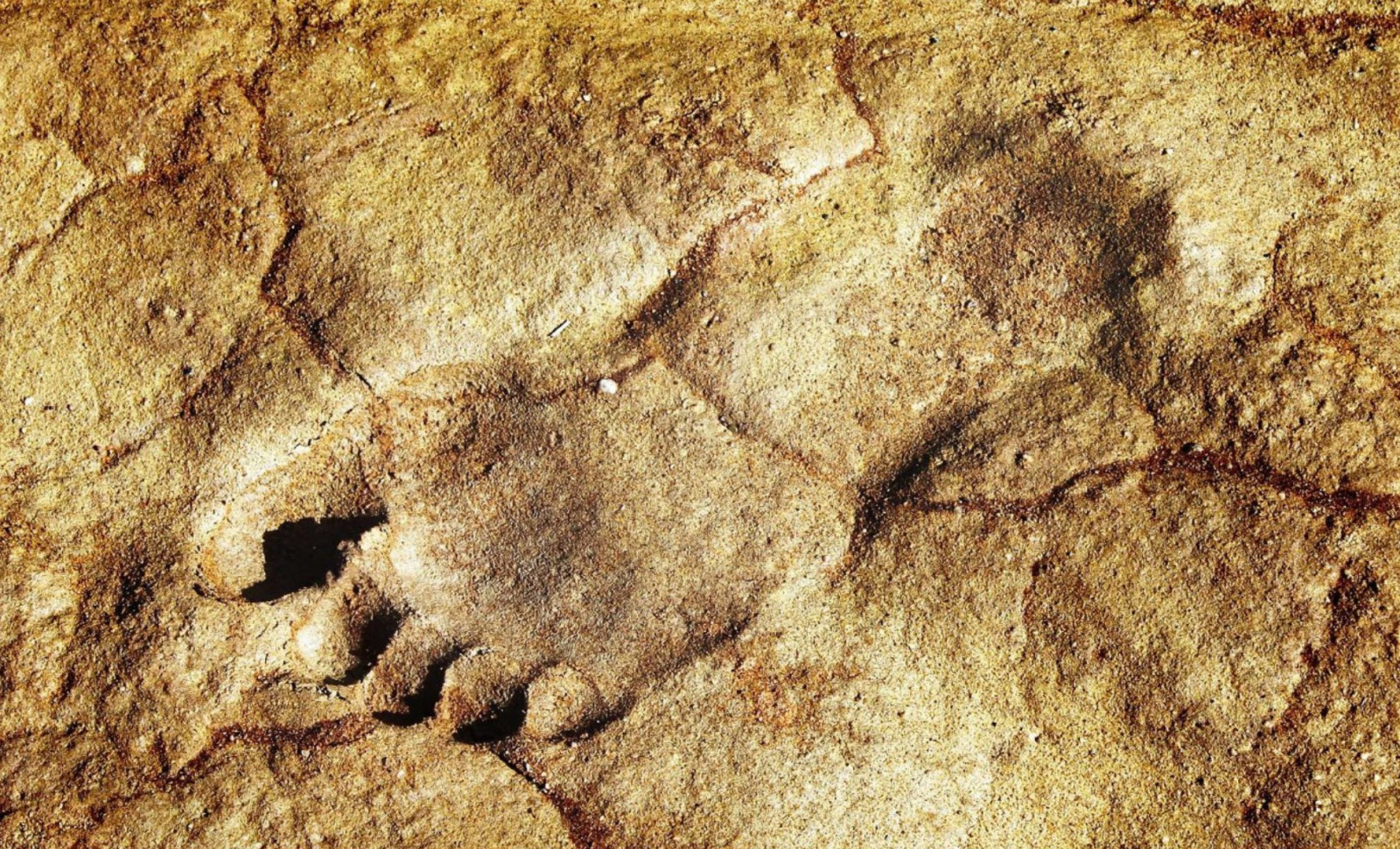
In the windswept expanses of Saudi Arabia’s Nefud Desert, researchers uncovered fossilized footprints dating back over 115,000 years. These tracks, found alongside those of ancient elephants and camels near the shores of a long-gone lake, reveal evidence of early human presence in an area previously thought uninhabited at that time.
This remote and challenging location had escaped detailed study until a 2017 survey revealed remarkable sediment impressions suggesting a fleeting human visit in a now-arid environment.
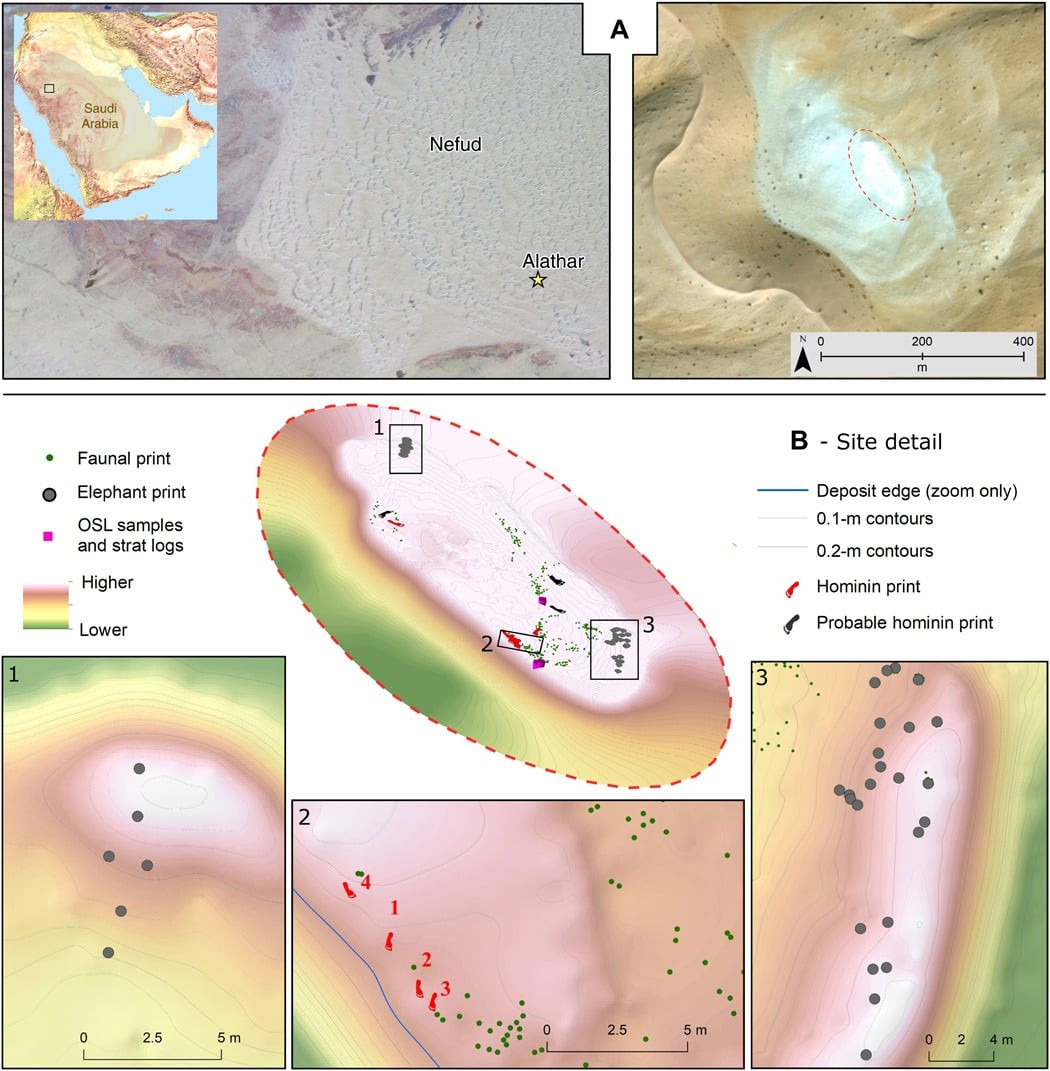
While no tools or animal bones with human modification were found, this cluster of delicate footprints provides new insights into the region’s prehistoric inhabitants, pushing back the timeline for human activity well beyond earlier assumptions.

Oldest Human Footprints Found in Arabia
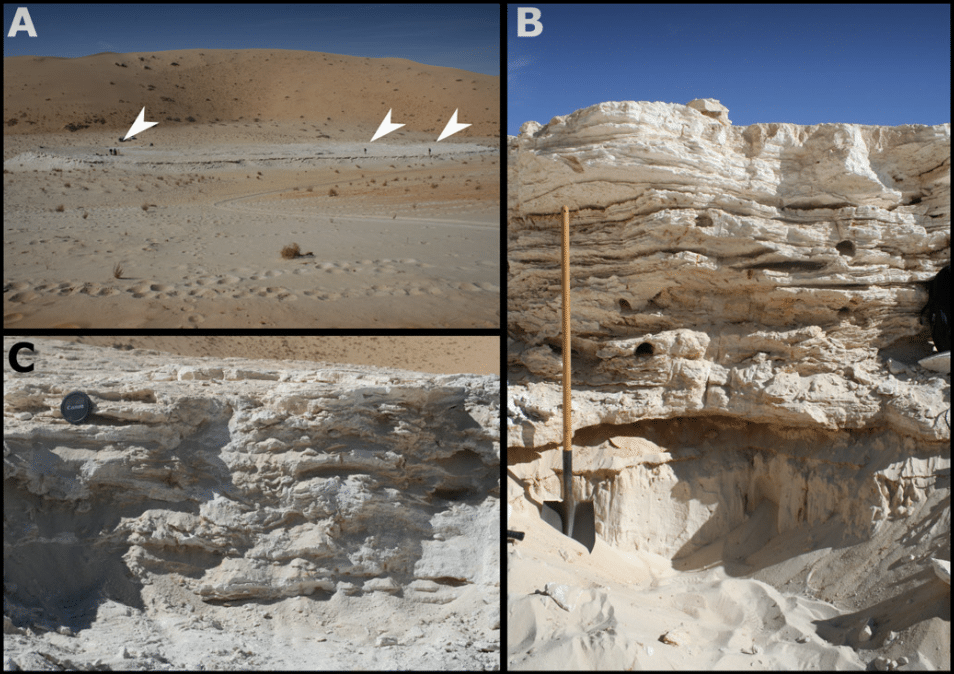
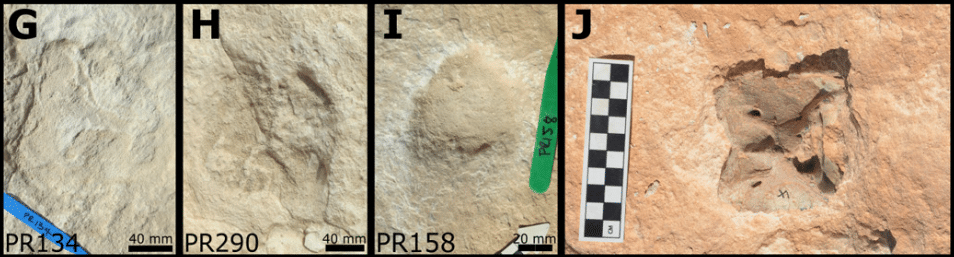
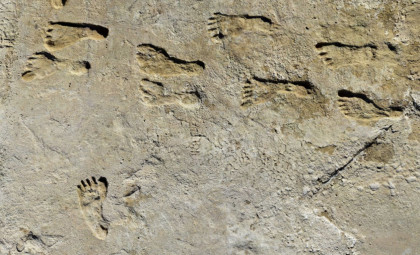
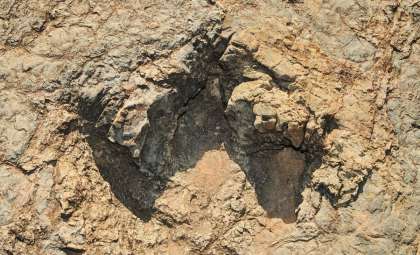
Known as Alathar, which means “the trace” in Arabic, this site in the western Nefud harbors seven ancient human prints embedded in sediments that once lined a freshwater lake. Using optically stimulated luminescence dating, scientists dated the layer to about 115,000 years ago, aligning with the last interglacial period when the climate shifted temporarily to wetter conditions.
International researchers from Saudi Arabia, the UK, and Australia analyzed the footprints, confirming their anatomical characteristics and regional fossil data matched those of early Homo sapiens.
As the authors report, “Seven hominin footprints were confidently identified, and given the fossil and archaeological evidence for the spread of H. sapiens into the Levant and Arabia during [130,000–80,000 years ago] and absence of Homo neanderthalensis from the Levant at that time, we argue that H. sapiens was responsible for the tracks at Alathar.”
These footprints now stand as the earliest direct proof of Homo sapiens inhabiting the Arabian Peninsula, indicating they ventured inland earlier than the fossil or toolkit records had suggested.
Transient Visit Marks a Thirst-Driven Moment
The Alathar location does not reflect a permanent settlement. No stone tools, evidence of fire, or butchery marks were discovered. This data implies a brief stopover, likely motivated by water scarcity. According to the study, “The lack of archaeological evidence suggests that the Alathar lake was only briefly visited by people. These findings indicate that transient lakeshore use by humans during a dry period of the last interglacial was likely primarily tied to the need for potable water.”
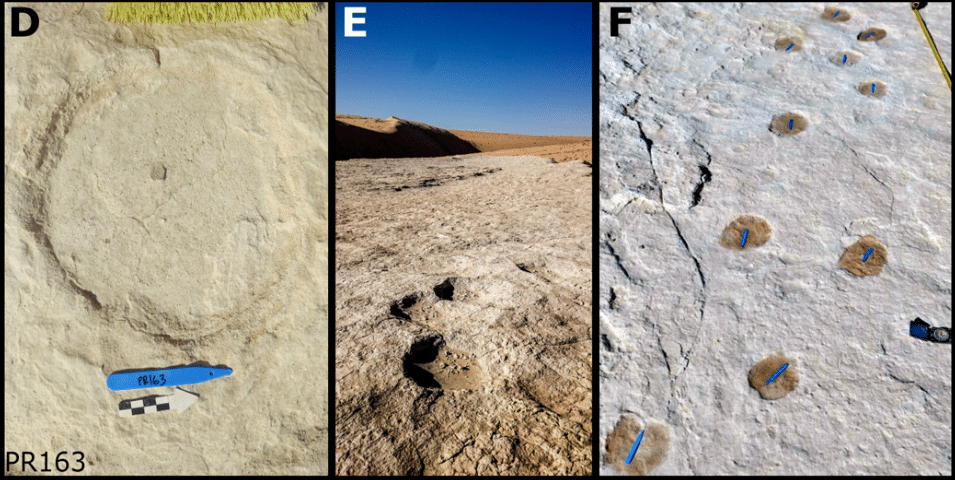
Alongside human footprints, numerous prints from large animals such as elephants, camelids, equids, and bovids were documented. This suggests the area was a vibrant seasonal hub for migrating wildlife. The footprints’ rapid preservation likely occurred within hours or days prior to sediment burial.
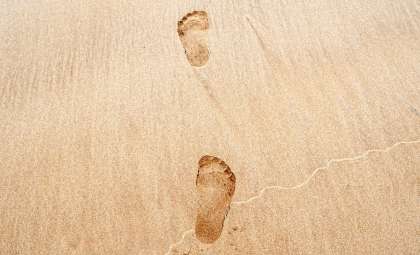
Such print preservation is exceptional; experimental findings indicate that human footprints made in wet terrain lose distinct features within a couple of days and often vanish within four. The impeccable detail of Alathar’s prints points to quick sediment coverage, securing their fossilization.
Climatic Conditions Facilitated Migration
The footprints date back to a wetter phase during the last interglacial period, spanning approximately 129,000 to 71,000 years ago, when rainfall patterns in Arabia supported freshwater lakes and savannah-like environments inhabited by large mammals.
This time frame likely formed natural corridors linking Africa, the Levant, and South Asia, facilitating human movement through what is now inhospitable desert. Some previous models had proposed Arabia was bypassed; however, Alathar’s evidence, together with additional palaeoenvironmental research, indicates repeated human entry during favorable climatic intervals.
A 2021 Nature publication described multiple vanished waterways across Arabia, enhancing the possibility that cyclical “green windows” opened pathways for early human migration during the late Pleistocene.
Tracks Reveal Moments of Ancient Life Interacting
Footprints offer a unique snapshot, unlike bones or tools, directly recording human presence and behaviors. Their positional relationships with animal tracks and sediment information allow scientists to reconstruct interactions and movement patterns.
The isolation of these prints, without later human overlays, hints this may represent one of the final visits before environmental shifts forced human groups to relocate.
- Categories:
- Science


0 comments
Sign in to Comment