
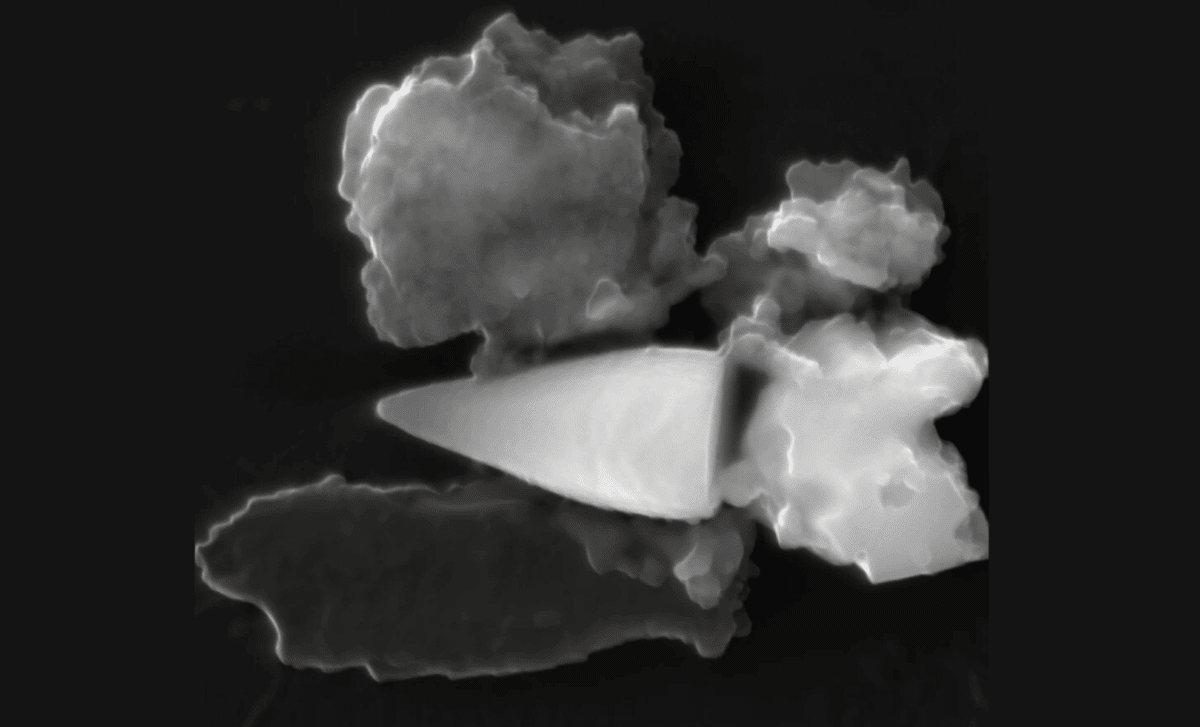
Researchers have made an extraordinary finding: fossilized magnetic particles indicating that some prehistoric creatures possessed the ability to orient themselves using Earth’s magnetic field. This discovery, conducted by teams from Cambridge University and the Helmholtz-Zentrum Berlin, offers fresh perspectives on how ancient lifeforms might have navigated vast distances. Their results, recently featured in Nature, shed new light on the enigmatic biological navigation of the distant past.
Magnetofossils: Fossil Evidence of Ancient Magnetic Navigation
Magnetofossils—minute magnetic remnants created by ancient organisms—have revealed early proof of magnetic sensing in prehistoric fauna. Unearthed from seabed sediments and dating back roughly 97 million years, these fossils suggest that magnetoreception, the ability to detect Earth's magnetic field, existed in animals long before current species appeared. While they don't match any known species directly, the magnetic traits of these fossils imply a natural navigation system deeply rooted in evolutionary history.
Research co-leader Rich Harrison from Cambridge University remarked,

“Whatever creature made these magnetofossils, we now know it was most likely capable of accurate navigation.”
This points to the possibility that early migratory animals harnessed Earth's magnetic field to travel long distances, similar to modern species like migratory birds, sea turtles, and eels. This pioneering work emerges from extensive collaboration between European scientists, enriching our understanding of ancient animal navigation.
Magnetic Tomography: A Breakthrough Imaging Technique
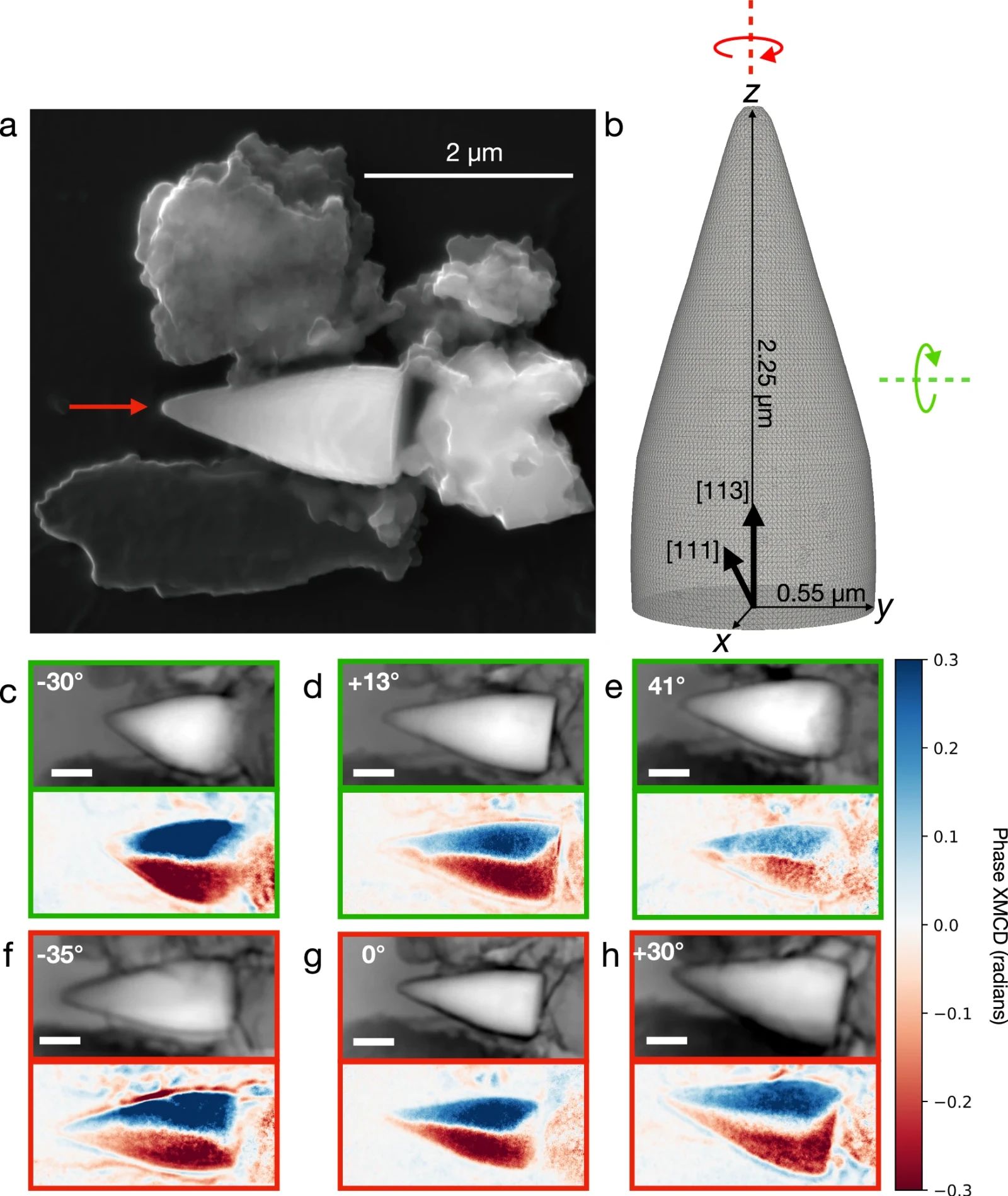
A standout feature of this research is the use of magnetic tomography, a novel imaging procedure that enabled scientists to visualize the inner structures of fossilized magnetosomes with unprecedented detail—far beyond what's achievable with conventional X-rays. Because these fossils are significantly larger than the typical bacterial magnetofossils, conventional methods were insufficient. Magnetic tomography revealed the precise alignment of magnetic fields inside the particles, offering vital clues about their navigational function.
Claire Donnelly from the Max Planck Institute and co-author of the study published in Nature, commented,
“That we were able to map the internal magnetic structure with magnetic tomography was already a great result, but the fact that the results provide insight into the navigation of creatures millions of years ago is really exciting!”
This cutting-edge technique represents a significant advance in exploring ancient life, offering a level of detail that transforms the study of paleomagnetism.
Uncovering the Identity of Magnetofossil Creators
The exact origins of these magnetic fossils remain uncertain. Scientists speculate the creators might have been migratory marine animals common in the Cretaceous seas. One plausible candidate is the early eel, which appeared about 100 million years ago. Known for their remarkable migratory journeys, eels might have been among the first to employ Earth's magnetic field for navigation.
Rich Harrison elaborates on the challenge, stating,
“This tells us we need to look for a migratory animal that was common enough in the oceans to leave abundant fossil remains.”
Although eels represent a strong possibility, pinpointing the precise species will require more extensive examination of ancient migration dynamics. These fossils, regardless of origin, provide invaluable clues about the evolutionary roots of magnetoreception.
Evolutionary Insights from Magnetic Fossils
The study's implications are far-reaching, illustrating how primitive bacterial magnetoreception could have evolved into the intricate biological GPS systems seen in various modern animals. Harrison emphasizes,
“Giant magnetofossils mark a key step in tracing how animals evolved basic bacterial magnetoreception into highly-specialized, GPS-like navigation systems.”
The fossilized magnetic data reveal that these ancient creatures likely possessed an advanced internal compass comparable to those found in species today. This magnetic sense would have been essential for navigating vast ancient oceans with limited visual markers. The discovery highlights magnetoreception as a vital evolutionary adaptation that contributed to the survival and migratory success of numerous species over millions of years.
- Categories:
- News












0 comments
Sign in to Comment