
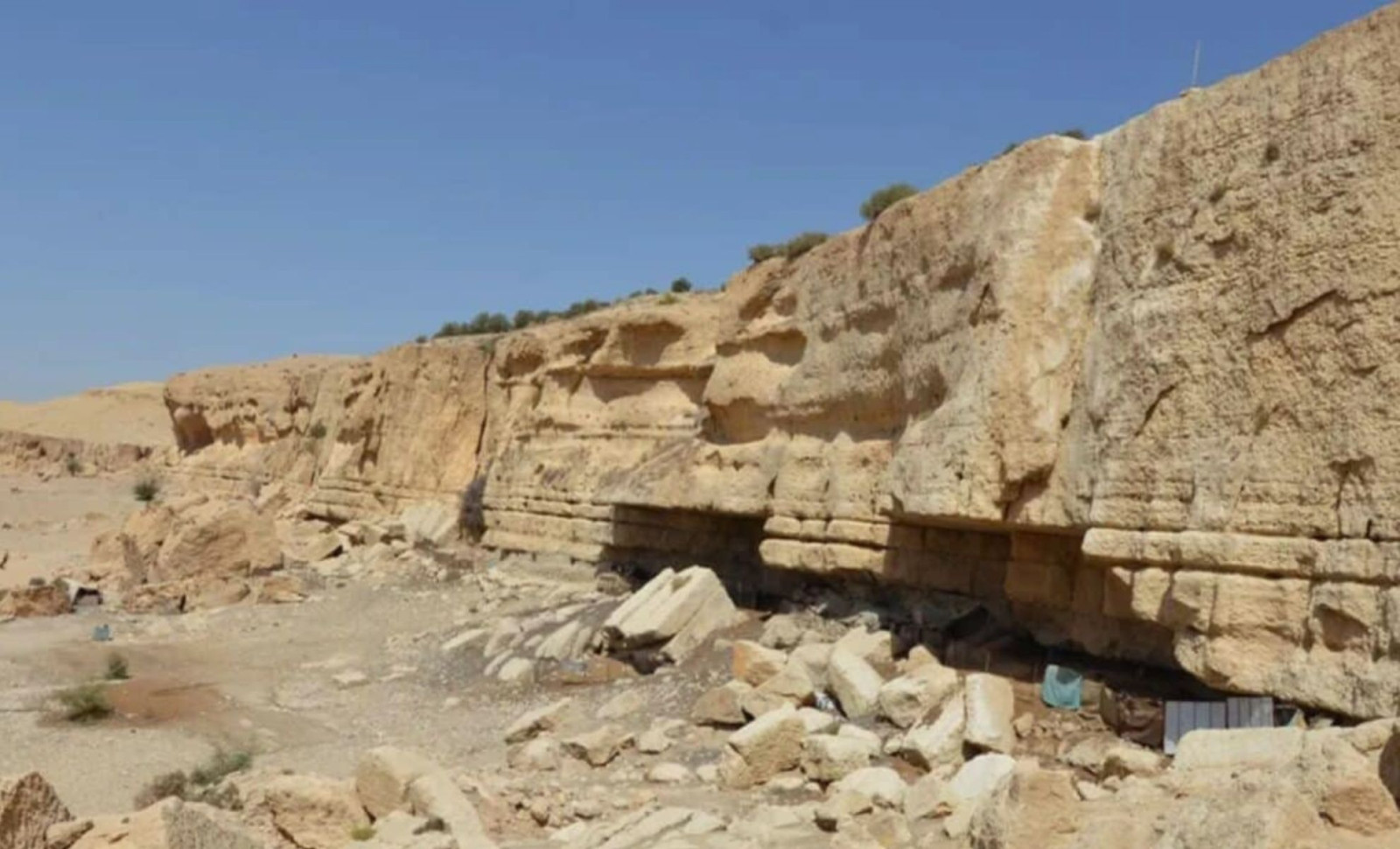
Archaeologists working in Jordan have reportedly pinpointed the long-forgotten Byzantine city of Tharais by interpreting details from a 1,500-year-old mosaic map. Following extensive fieldwork and excavations, the team revealed ruins, inscriptions, and religious artifacts near the village of El-’Iraq.
The investigation relied heavily on the well-known Madaba Mosaic Map, an elaborately crafted floor mosaic made during the rule of Emperor Justinian I between 527 and 565 A.D. Situated in Madaba, Jordan, this map illustrates 157 locations across the Holy Land, some of which remained undiscovered until now, including Tharais.
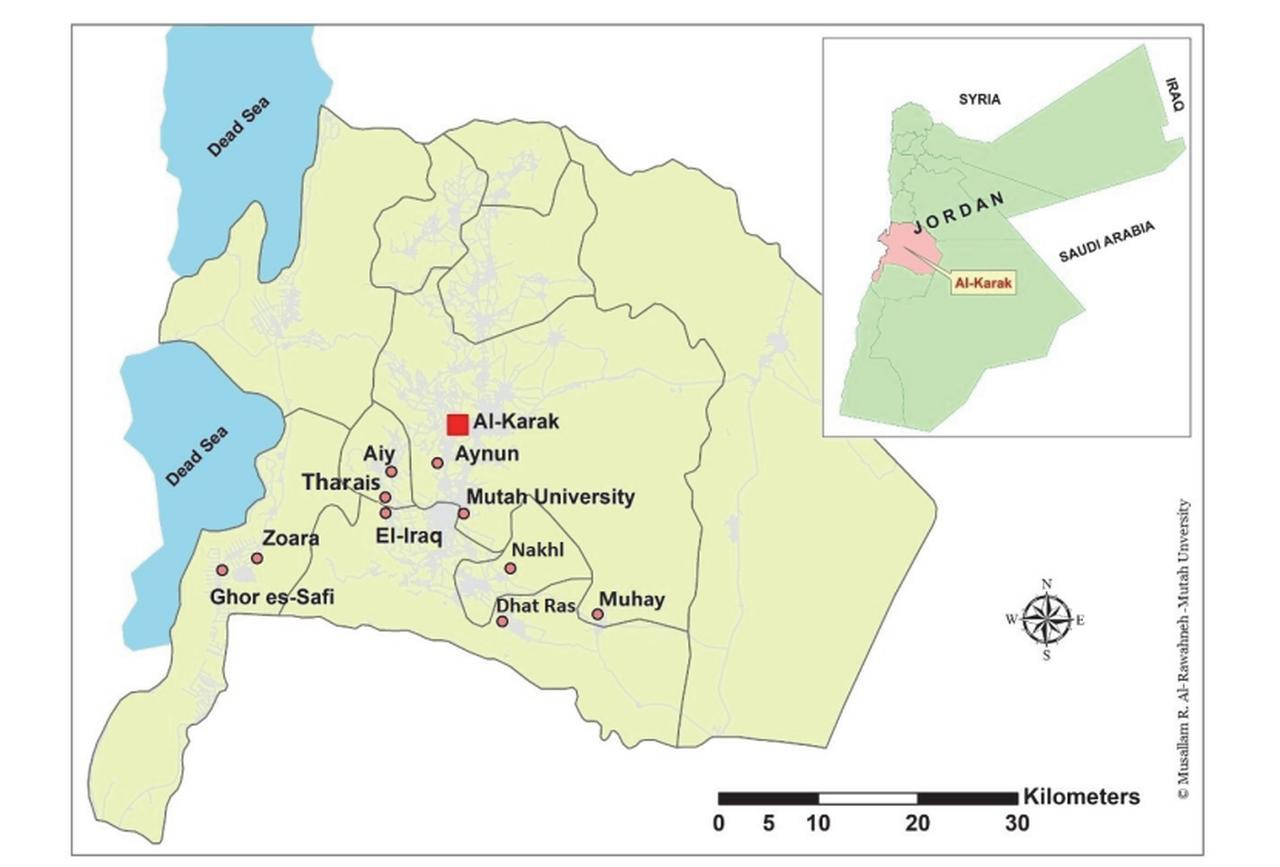
Beginning in 2021 and led by Musallam R. al-Rawahneh from Mutah University, the team integrated historical cartography and on-site surveys conducted southeast of the Dead Sea. Their attention eventually centered around the El-’Iraq region.

Unearthing Remnants of a Forgotten City
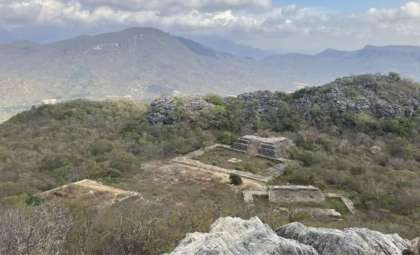
During the excavation, the archaeologists found clear indications of Byzantine settlement. Artifacts such as mosaic floor fragments, pieces of ancient glassware, and various tools emerged from the site. Additionally, they uncovered the remains of what appears to be a Byzantine basilica. The building's features, including a long rectangular design and an open central nave, are consistent with early Christian place of worship architecture.
A report in Gephyra mentions that archaeologists from France and Spain joined the project, discovering funerary writing in both Greek and Latin. These inscriptions support the existence of an ancient Christian population in the area.
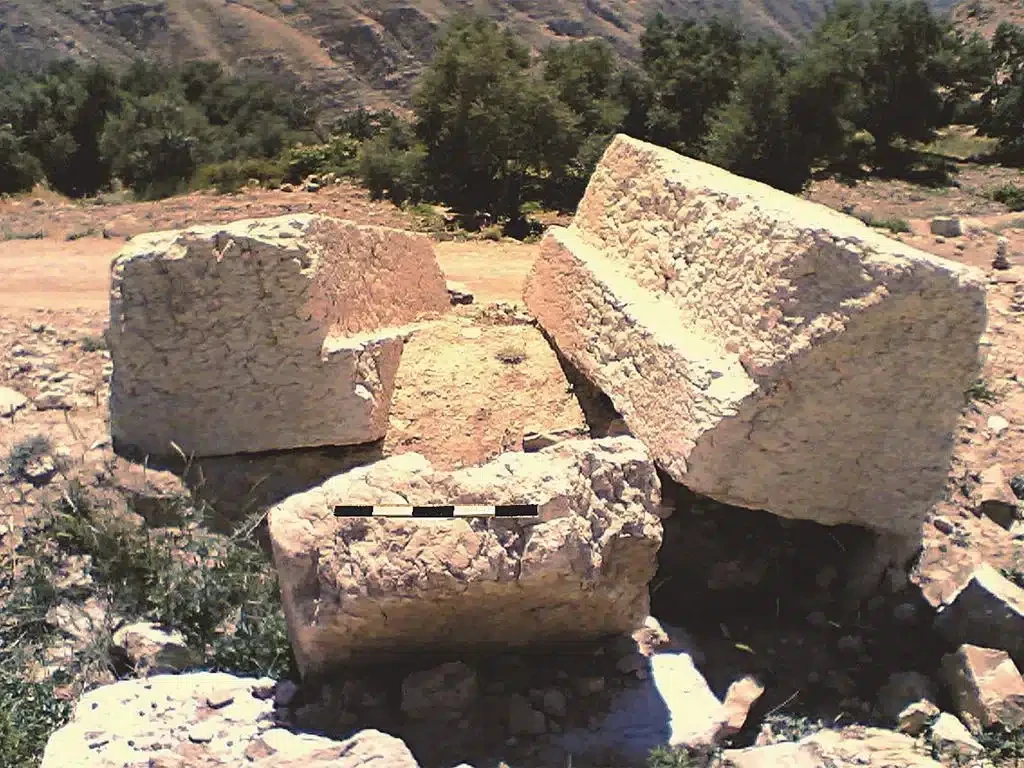
The team also found a doorway whose architectural style strongly matches traditional Byzantine church designs. Gradually, the uncovered elements aligned with the depiction of Tharais on the ancient mosaic.
Tharais: A Hub Beyond a Village
Experts suggest that this site was more than a mere farming village. According to statements highlighted in Türkiye Today, Musallam R. al-Rawahneh noted that Tharais likely functioned both as a “sacred site and a commercial stopover.”
The religious significance is evident, with the basilica ruins, inscriptions, and church-style architectural elements all pointing toward a vital spiritual role.
“These architectural elements strongly suggest that Tharais was not just a settlement, but a religious and commercial hub during the Byzantine period.”
This assessment aligns with Tharais’s notable positioning on the Madaba Mosaic Map. Archaeologists believe the city was a key waypoint for pilgrims and local Christian populations during Byzantine times.
Simultaneously, evidence of daily living conditions surfaced in the form of broken artifacts, scattered tools, and worn stone implements, indicating prolonged habitation rather than brief use.
Signs of Economic Vitality in the Ancient City
The excavation uncovered facilities related to production and agriculture, such as olive oil presses, windmills, and grape-crushing devices. These findings imply that Tharais maintained an active economy alongside its spiritual importance, with olive oil and wine production playing crucial roles within Byzantine society.
Furthermore, the layout of the ruins aligns closely with the portrayal of Tharais in the Madaba Mosaic Map. The positioning of its gates, towers, and remaining structures correspond to those illustrated in the mosaic.
Al-Rawahneh emphasized the growing urgency to safeguard the site amidst expanding urbanization near El-’Iraq.
“Our aim is not just to uncover Tharais,” he stated, “but also to advocate for the protection of Jordan’s rich cultural heritage.”
- Categories:
- Science




0 comments
Sign in to Comment