
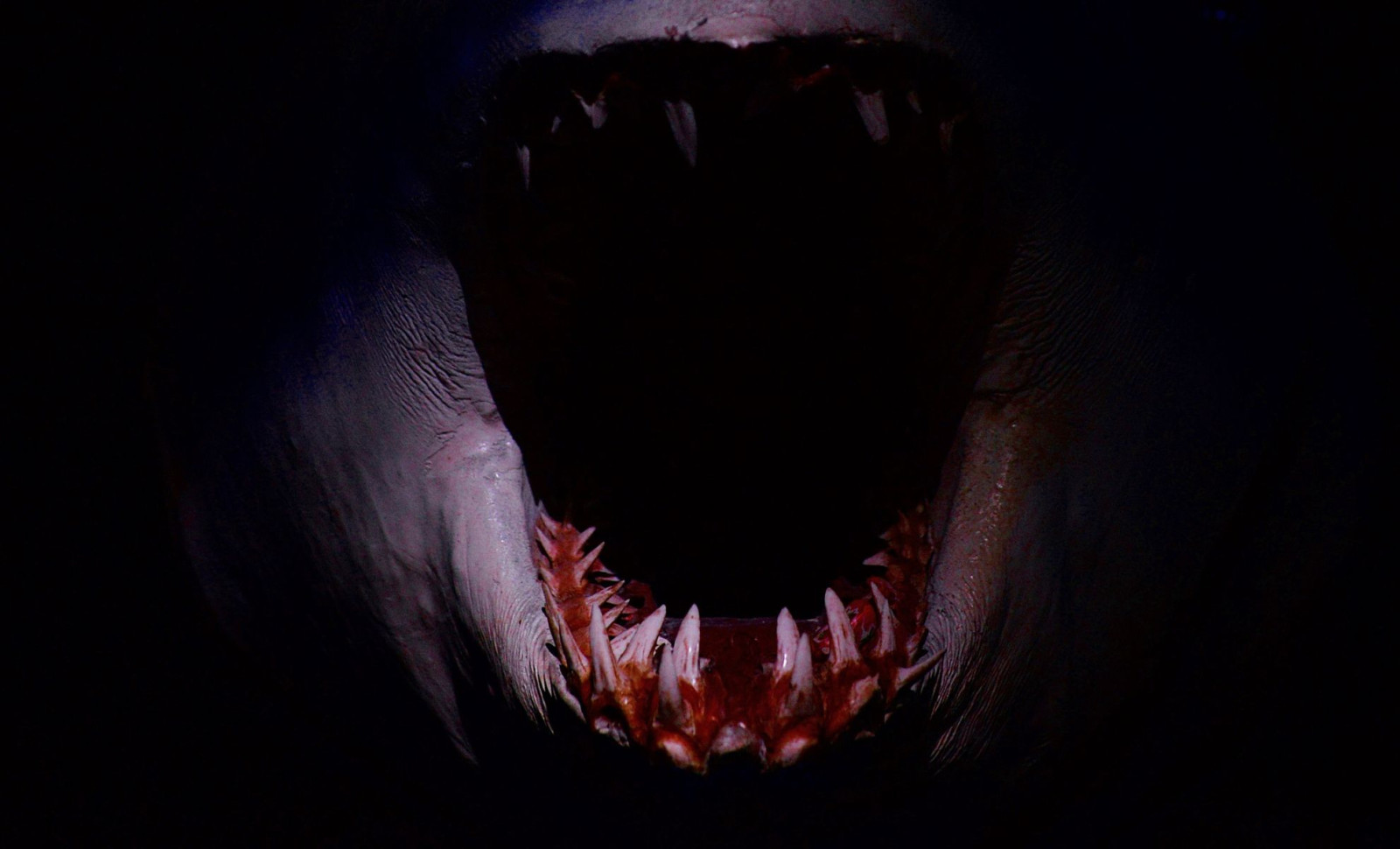
A recently unearthed marine reptile featuring keen, dagger-like teeth is providing scientists with a unique window into ocean life during the very last days of the dinosaur period. Named Khinjaria acuta, this formidable predator inhabited the waters near present-day Morocco approximately 66 million years ago. Its fossilized remains suggest ancient seas teeming with gigantic predators, strikingly different from modern marine ecosystems.
Outlined in a recent research paper, this species belongs to the Mosasauridae family, a group of sizable marine lizards closely related to today’s Komodo dragons and snakes. These reptiles dominated the Late Cretaceous oceans while dinosaurs such as Tyrannosaurus and Triceratops ruled on land.
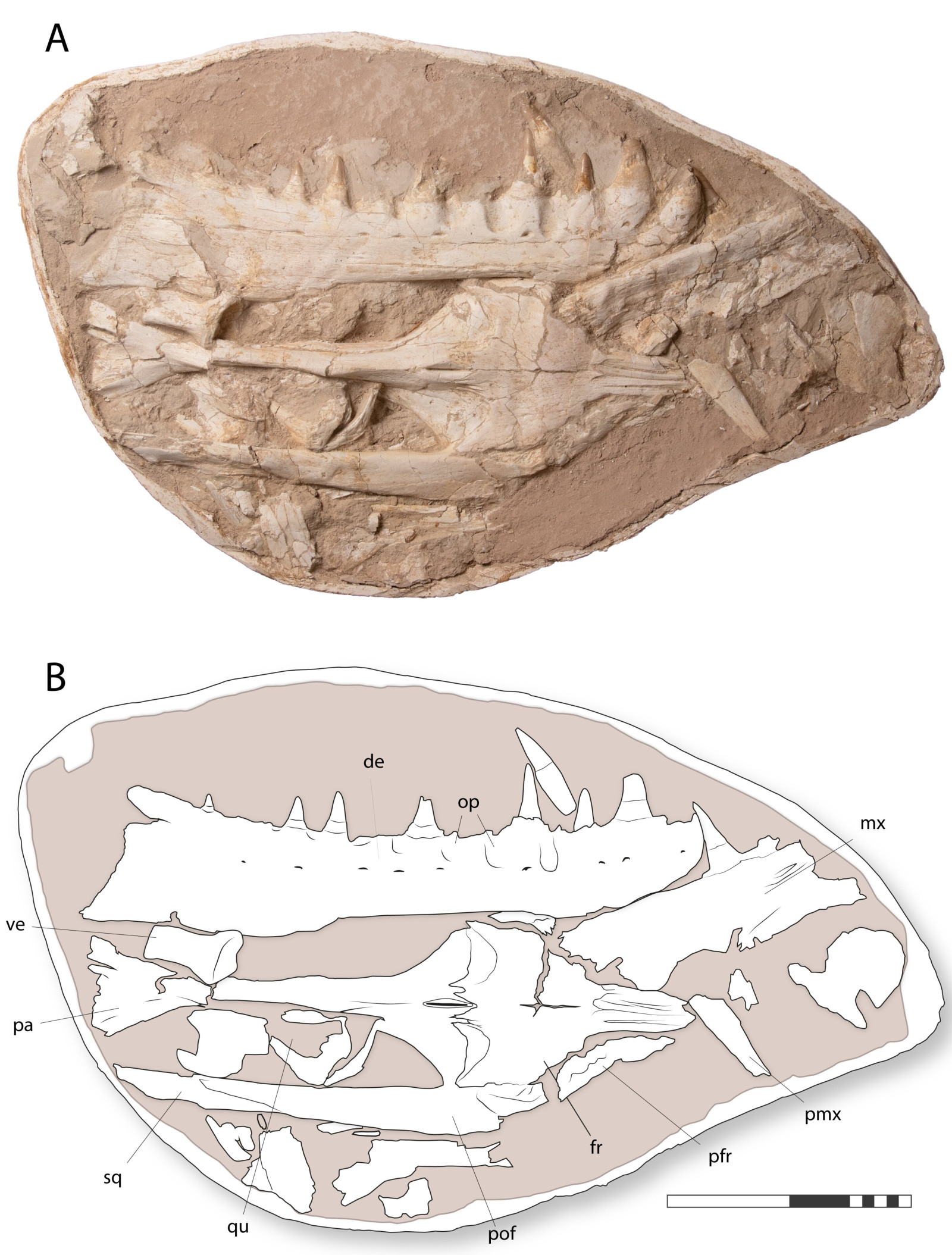
The fossil, which includes a skull along with various skeletal fragments, was discovered in a phosphate mine situated southeast of Casablanca. This investigation brought together experts from institutions such as the University of Bath, Marrakech Museum of Natural History, Muséum national d’Histoire naturelle in Paris, Southern Methodist University, and the University of the Basque Country.

A Fearsome Predator Equipped with Blade-Like Teeth
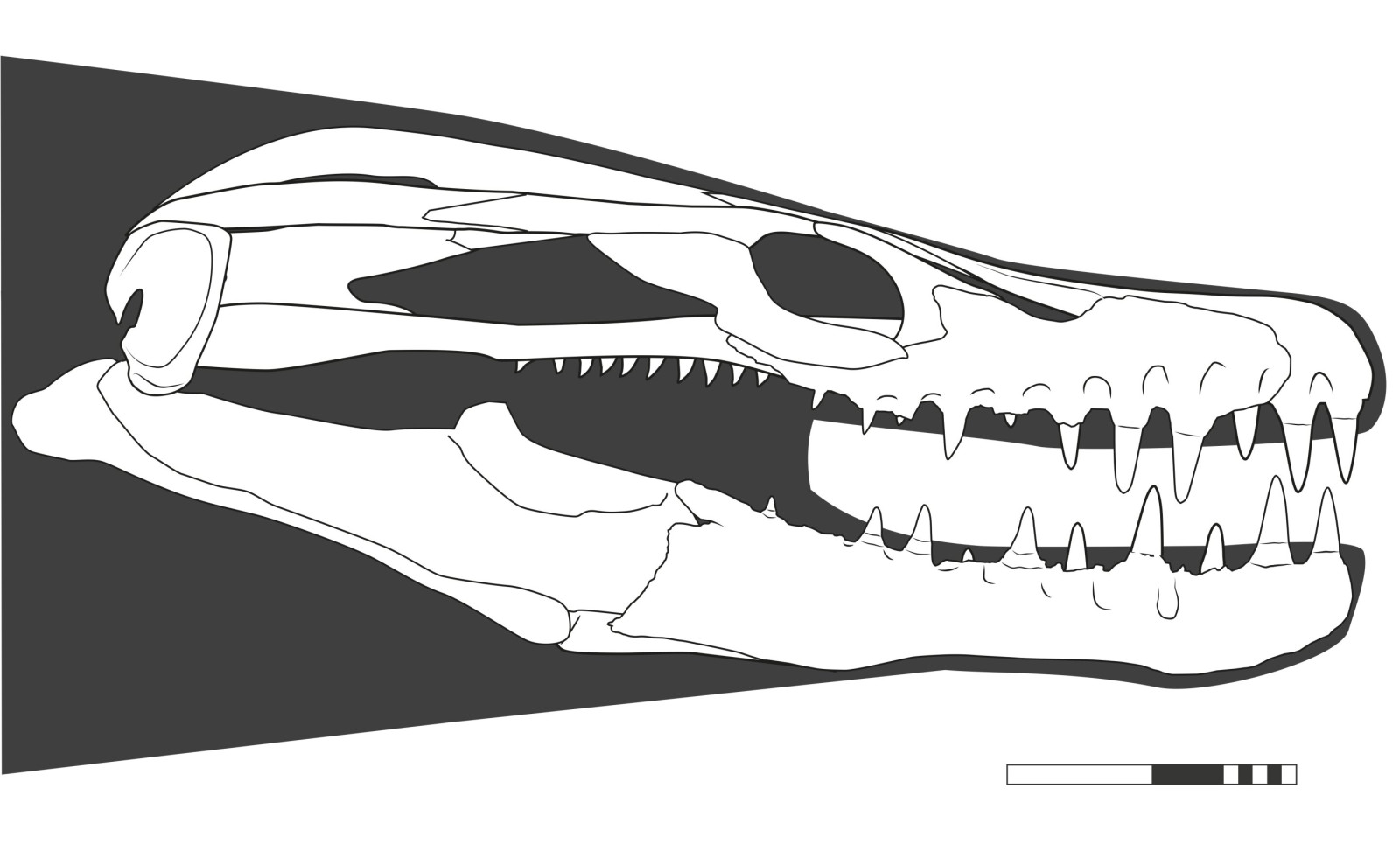
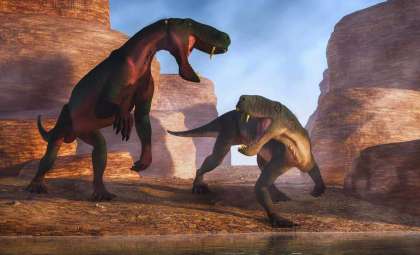
Khinjaria acuta is immediately recognizable by its distinct skull structure. It possessed a short, robust snout lined with elongated, sharp teeth crafted for gripping prey. As Professor Nour-Eddine Jalil from the Muséum national d’Histoire naturelle explains, the extended rear portion of the skull accommodated powerful jaw muscles, indicating a strong bite.
Unlike other mosasaurs in the same fossil layer, whose teeth were adapted to crushing or slicing, Khinjaria’s dentition appears specialized for puncturing and holding prey firmly. This adds to the diverse range of tooth shapes previously identified among Moroccan mosasaurs.
Though based solely on the skull and related remains, the study published in Cretaceous Research highlights this predator’s unique adaptations, indicating its status at the peak of its food chain.
An Ocean Dominated by Massive Predators
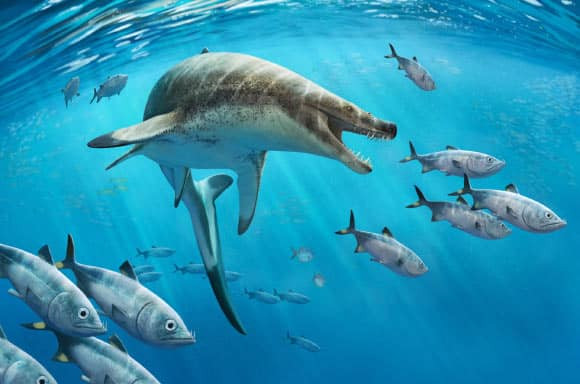
The discovery’s broader impact lies in the glimpse it offers into Late Cretaceous marine ecosystems. According to Dr. Nick Longrich of the University of Bath, the ancient seas off Morocco were inhabited by numerous species exceeding the size of a modern great white shark. These predators exhibited a variety of tooth shapes, reflecting different hunting techniques.
While some mosasaurs had teeth designed for piercing, others evolved dentition suited for cutting, tearing, or crushing prey. The inclusion of Khinjaria, with its short muzzle and large blade-like teeth, broadens the spectrum of feeding adaptations. Dr. Longrich commented:
“There seems to have been a huge change in the ecosystem structure in the past 66 million years. This incredible diversity of top predators in the Late Cretaceous is unusual, and we don’t see that in modern marine communities.”
Contemporary oceans are home predominantly to a few apex hunters like orcas, great white sharks, and leopard seals.
Phosphate Deposits in Morocco Reveal an Ecological Hotspot
The remarkable variety found within Morocco’s phosphate layers is closely tied to the ancient environment where they formed. According to Professor Nathalie Bardet, this region was once covered by a warm, shallow epicontinental sea influenced by ocean currents that uplifted nutrient-rich cold waters to the surface. She elaborated:
“These zones are caused by currents of deep, cold, nutrient-rich waters rising towards the surface, providing food for large numbers of sea creatures and, as a result, supporting a lot of predators. This is probably one of the explanations for this extraordinary paleo biodiversity observed in Morocco at the end of the Cretaceous.”
Other marine species discovered in these deposits include Thalassotitan, the saw-toothed Xenodens, and star-toothed Stelladens. Professor Jalil emphasized that no other fossil site has yielded such an abundance and diversity of species from this final phase of the dinosaur era.
- Categories:
- Science






0 comments
Sign in to Comment