
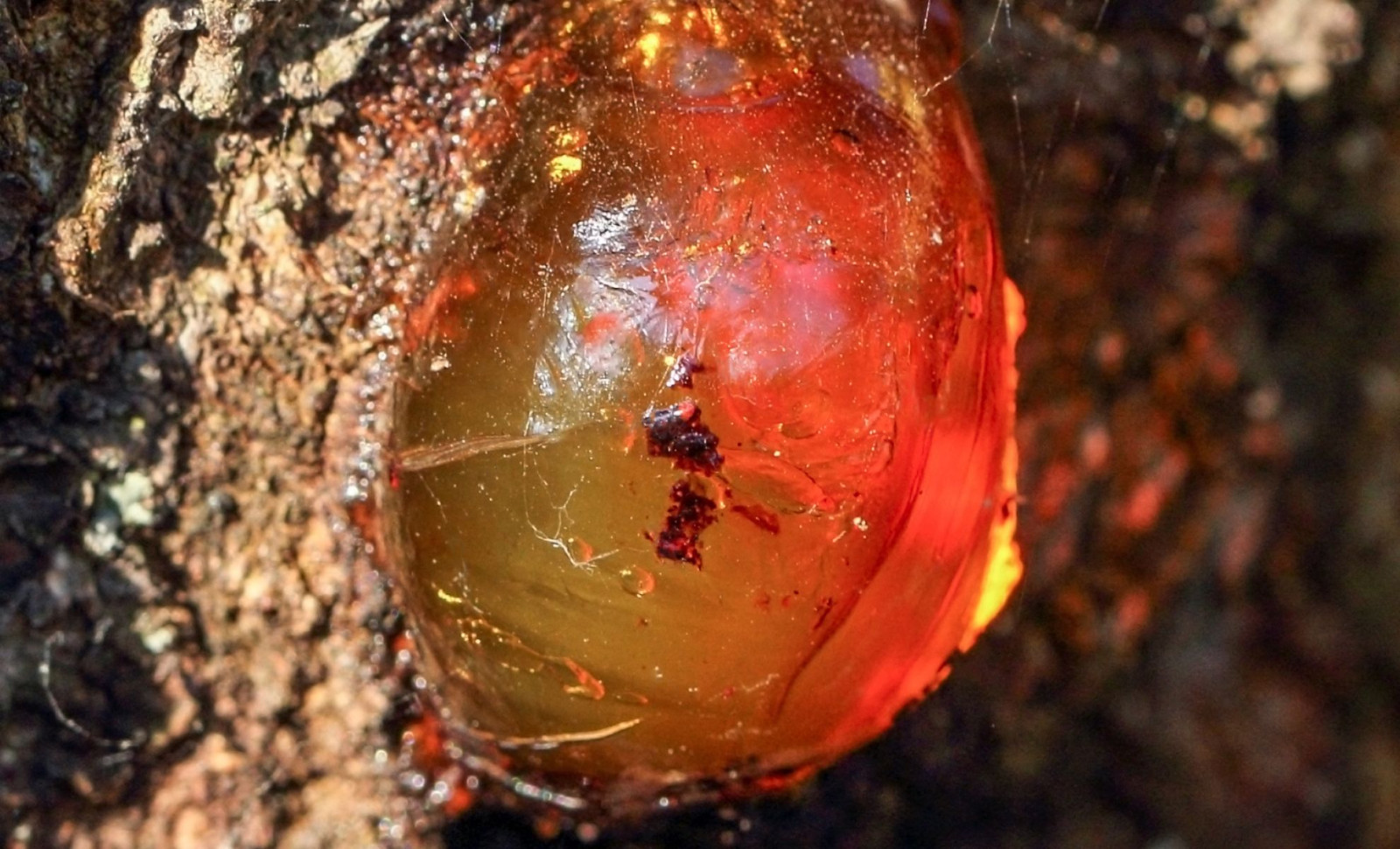
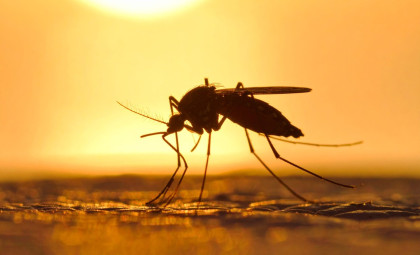
A remarkably preserved mosquito dating back 125 million years, encased in Lebanese amber, has been recognized as the oldest mosquito fossil ever documented. Reported in the journal Current Biology, these specimens reveal unexpected evolutionary details.
This rare find provides valuable clues about the early stages of mosquito evolution, a group extensively studied by scientists worldwide. The evidence implies that blood consumption might have been common to both male and female mosquitoes in the past, unlike today’s species where only females feed on blood.
These newly uncovered fossils come from Early Cretaceous amber deposits in Lebanon, notable for their rich biological inclusions and some of the oldest amber deposits known.

Unveiling an Unusual Mosquito Ancestor Through Amber Fossils
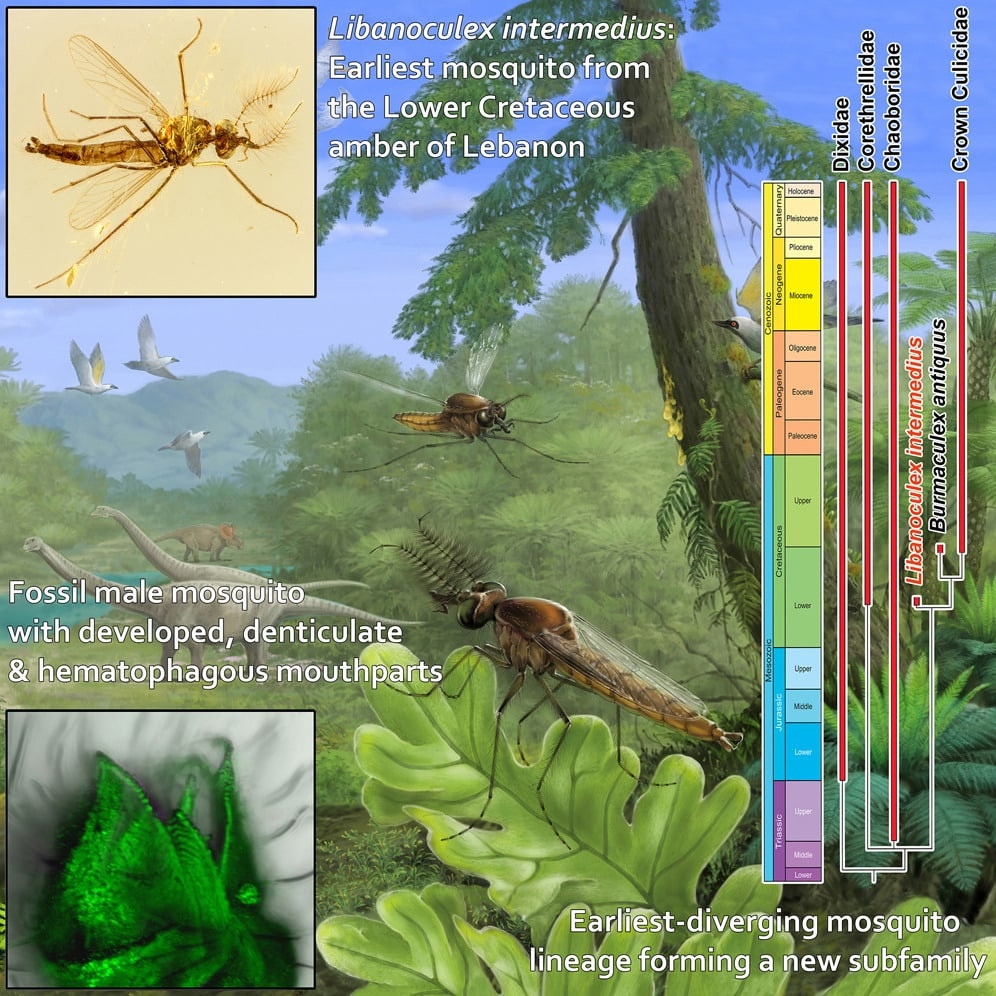
The fossils represent a newly identified species named Libanoculex intermedius, prompting the creation of a new extinct mosquito subfamily titled Libanoculicinae.
The Current Biology publication highlights that these fossils extend the fossil record of mosquitoes by about 30 million years beyond previous finds. Before this, the oldest confirmed fossils date back to the mid-Cretaceous, despite genetic studies indicating an earlier Jurassic origin.
“Molecular dating suggested that the family Culicidae arose during the Jurassic, but previously the oldest record was mid-Cretaceous,” Dr. André Nel of the National Museum of Natural History of Paris explained in comments accompanying the study. “Here, we have one from the Early Cretaceous, about 30 million years before.”
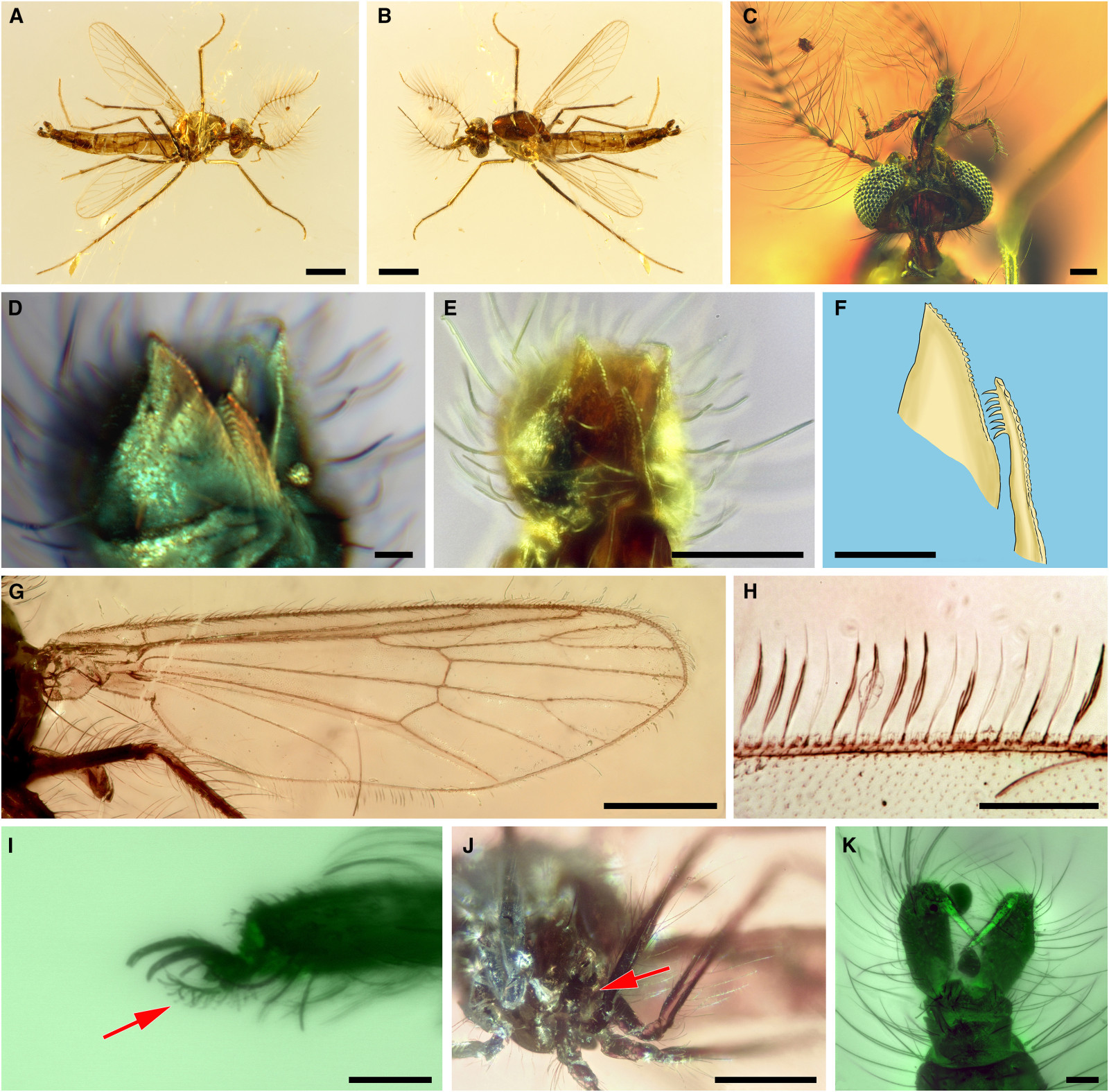
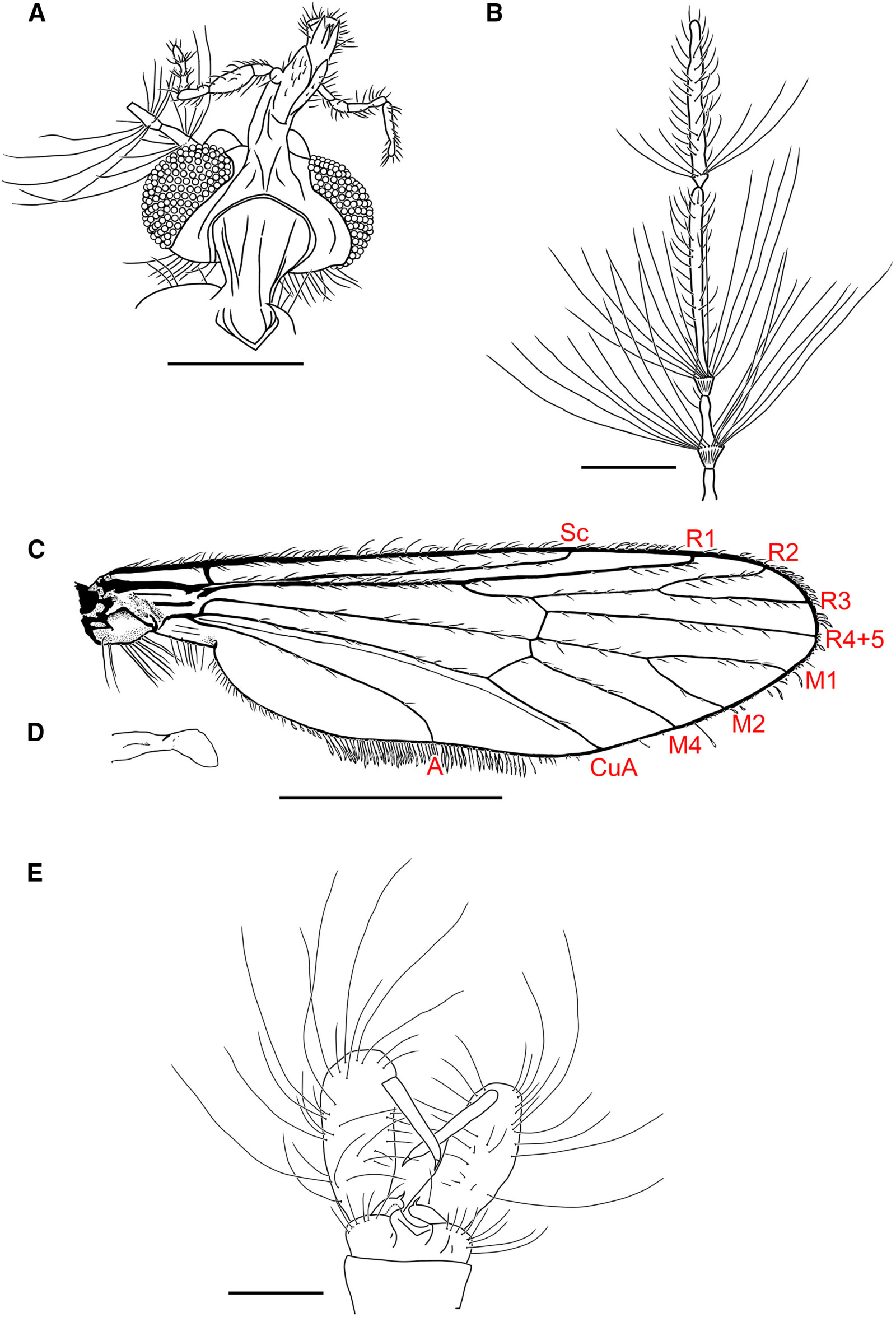
Dr. Dany Azar from the Chinese Academy of Sciences and Lebanese University noted the amber formed during a period when flowering plants were spreading and pollinator diversity was increasing. The amber’s exceptional preservation allowed detailed examination of the mosquito’s antennae, wings, and mouthparts, which were critical for deducing their feeding habits.
Evidence Suggests Males Once Blood-Fed
Scientists were surprised to find that the fossils belonged to male mosquitoes equipped with elongated piercing mouthparts and sharp mandibles. In current mosquito species, such features are linked to blood-feeding, although male mosquitoes today do not bite.
“This discovery also suggests that not only were the earliest female mosquitoes hematophagous but males were also in some cases,” the researchers wrote in the paper. “In future work, we want to learn more about the utility of having hematophagy in Cretaceous male mosquitoes.”
Though it remains unclear why male mosquitoes may have fed on blood in the past, these fossils offer a window into mosquito evolution millions of years ago.
Crucial Link in Mosquito Evolutionary History
Beyond the species itself, the research reveals wider evolutionary implications. Phylogenetic assessments placed Libanoculex intermedius on an ancient lineage predating another extinct mosquito group, Burmaculicinae.
This helps bridge what scientists call a “ghost-lineage gap”, where genetic data predicts groups before fossil records confirm them. Such fossil evidence is rare, especially for delicate insects like mosquitoes.
The team emphasizes that this finding sheds light on mosquito diversity during the Mesozoic Era and clarifies the timeline for the emergence of blood-feeding behaviors. Dr. Nel remarked, “they’re also curious to explore why this no longer exists.”
- Categories:
- Science





0 comments
Sign in to Comment