
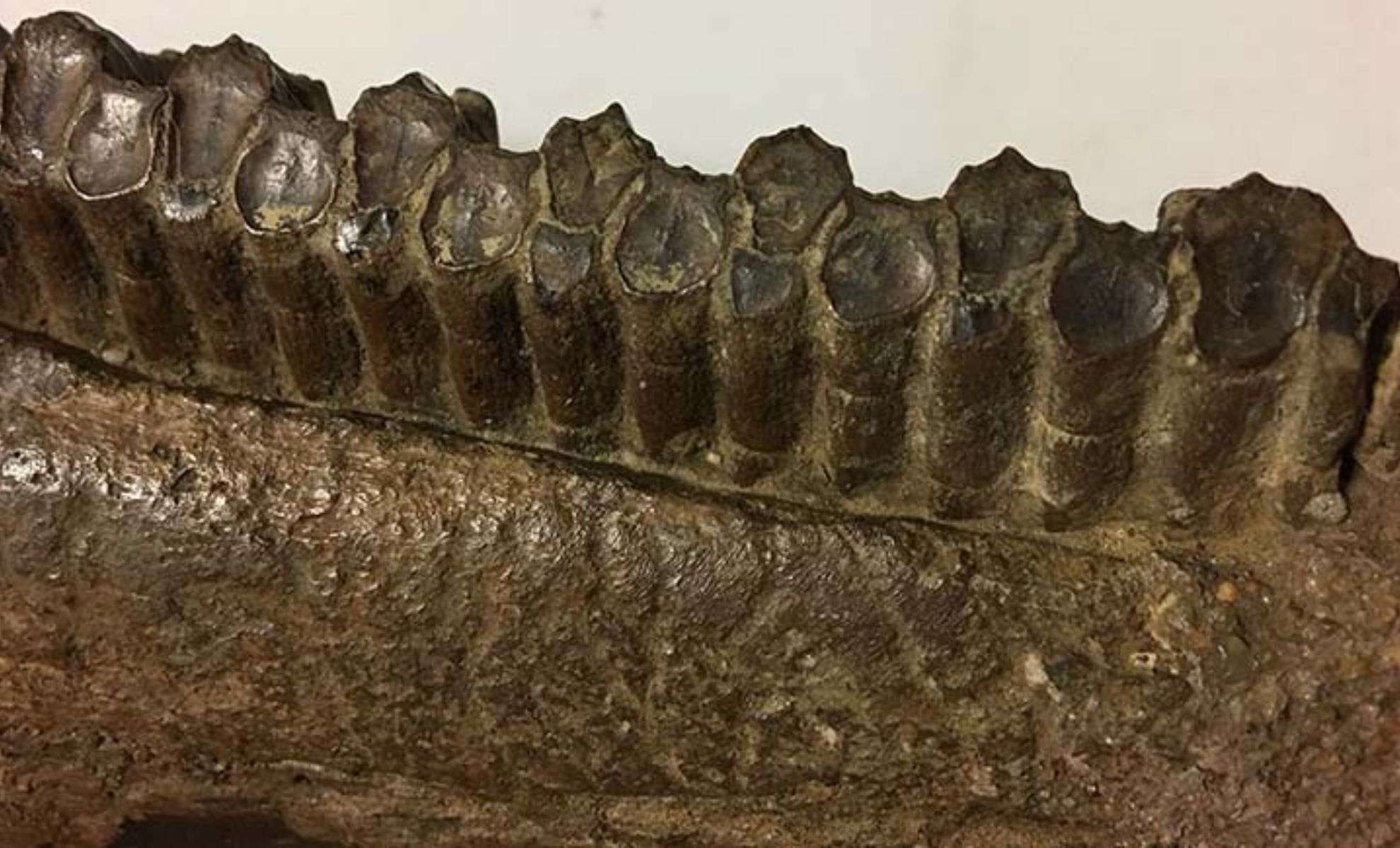
Recent research uncovers how certain plant-eating dinosaurs evolved accelerated tooth regeneration adapted to changing vegetation over millions of years. The investigation centers on a group of bipedal herbivores called ornithopods, which include notable members like Iguanodon and the duck-billed hadrosaurs.
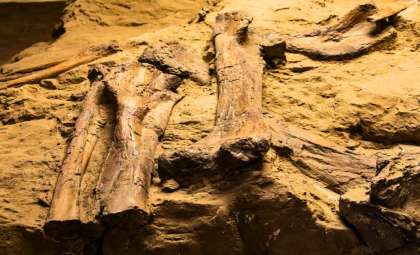
Originating in the mid-Jurassic, these dinosaurs flourished throughout the Cretaceous, becoming one of the most dominant herbivorous groups. Their fossil jawbones reveal insightful details about their feeding habits and the remarkable speed at which they renewed their teeth. This rapid tooth replacement was crucial as their diet shifted toward more abrasive plants.
Innovations in Jaw and Tooth Design
At the core of their evolutionary success was the development of a so-called dental battery, a complex arrangement of teeth in various stages of eruption and wear. This design ensured that as older teeth wore down, fresh ones continuously emerged to maintain effective chewing. Species such as Edmontosaurus regalis could sustain thorough mastication without losing feeding efficiency thanks to this adaptation.

Dr. Attila Ősi of Eötvös Loránd University, a co-author on the paper, explains that the rate of tooth replacement sped up significantly during ornithopod evolution. Early species replaced teeth every 200 days or so, but this interval shortened to roughly 50 days in later Cretaceous lineages, as reported to the Natural History Museum. This shift aligned with their adaptation to tougher, more abrasive vegetation.
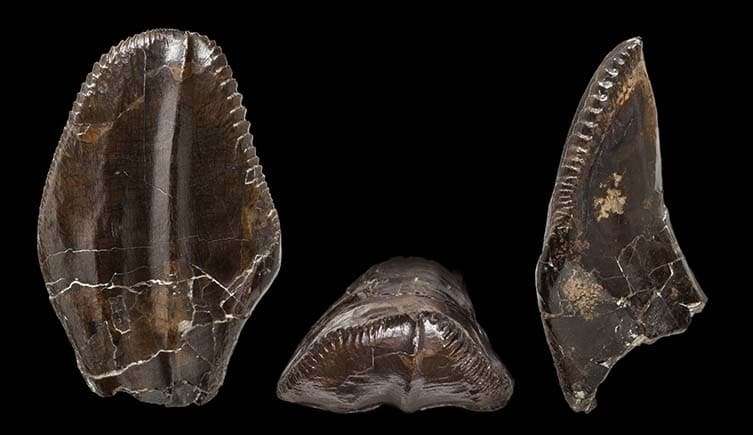
How Diet Influenced Tooth Renewal Speed
The study's results indicate a strong link between the types of plants these dinosaurs consumed and how rapidly they replaced their teeth. As flora evolved during the Cretaceous, dinosaurs that survived were those capable of processing tougher, fibrous vegetation. This lifestyle necessitated more extended feeding periods and intense chewing, resembling feeding habits observed in contemporary ruminants such as cows and sheep.
The IFLScience article highlights that earlier ornithopods likely dined on softer, nutrient-rich foods such as fruits and tender greens. These less abrasive diets meant slower tooth replacement intervals. However, as tougher vegetation became prevalent, their dentition required accelerated regeneration to sustain adequate nutrition and survival.
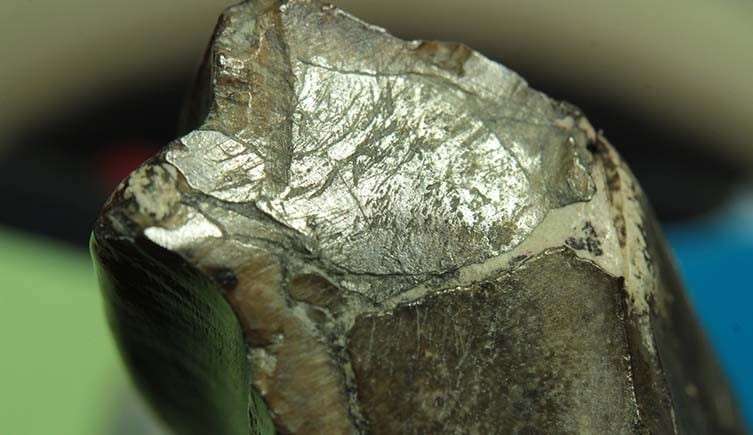
Dental Adaptation as a Key to Dinosaur Survival
The evolutionary modifications in jaw and tooth architecture not only mirror dietary shifts but also reflect the broader environmental transformations of the late Mesozoic. The specialization of their dental systems underlines the critical role of efficient food processing in their evolutionary trajectory.
The Natural History Museum notes that the evolutionary pressure to sustain rapid tooth wear and regeneration likely favored species with such adaptations, while those unable to evolve these traits eventually disappeared from the fossil record.
- Categories:
- Science








0 comments
Sign in to Comment