
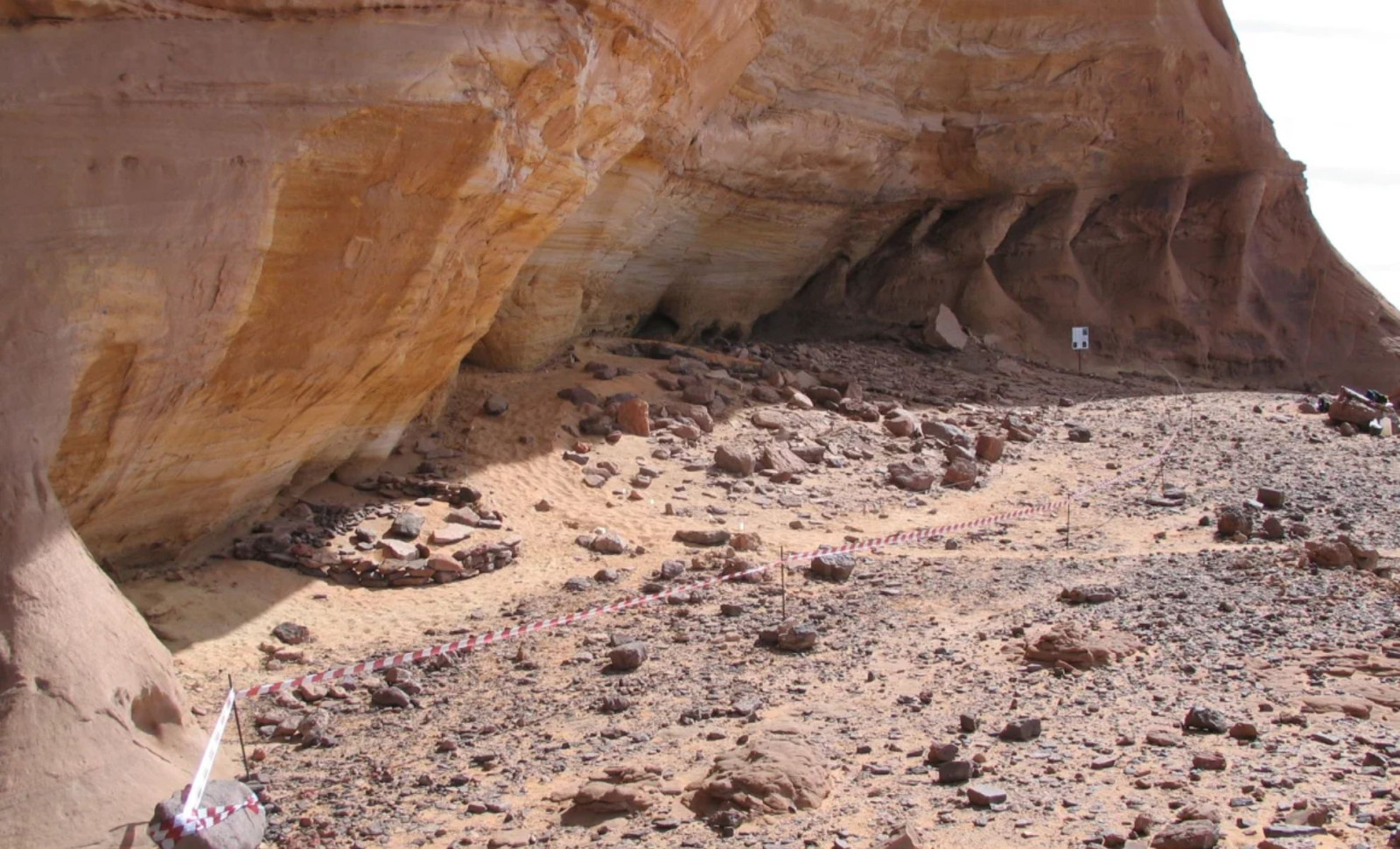
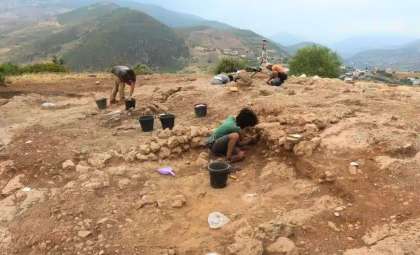
Archaeologists unearthed two naturally mummified individuals dating back 7,000 years at the Takarkori rock shelter in Libya’s southwestern Sahara. The site revealed well-preserved remains from one of the earliest known human burial grounds in the region.
A recent publication in Nature details that these individuals lived during the African Humid Period, an era when the Sahara was lush with rivers and grasslands, contrasting with today's desert environment.
A Hidden Ancestral Group in Saharan Prehistory
Under the guidance of Nada Salem of the Max Planck Institute for Evolutionary Anthropology, DNA was extracted from the women’s leg bones and teeth. Analysis revealed a previously unidentified human genetic lineage.

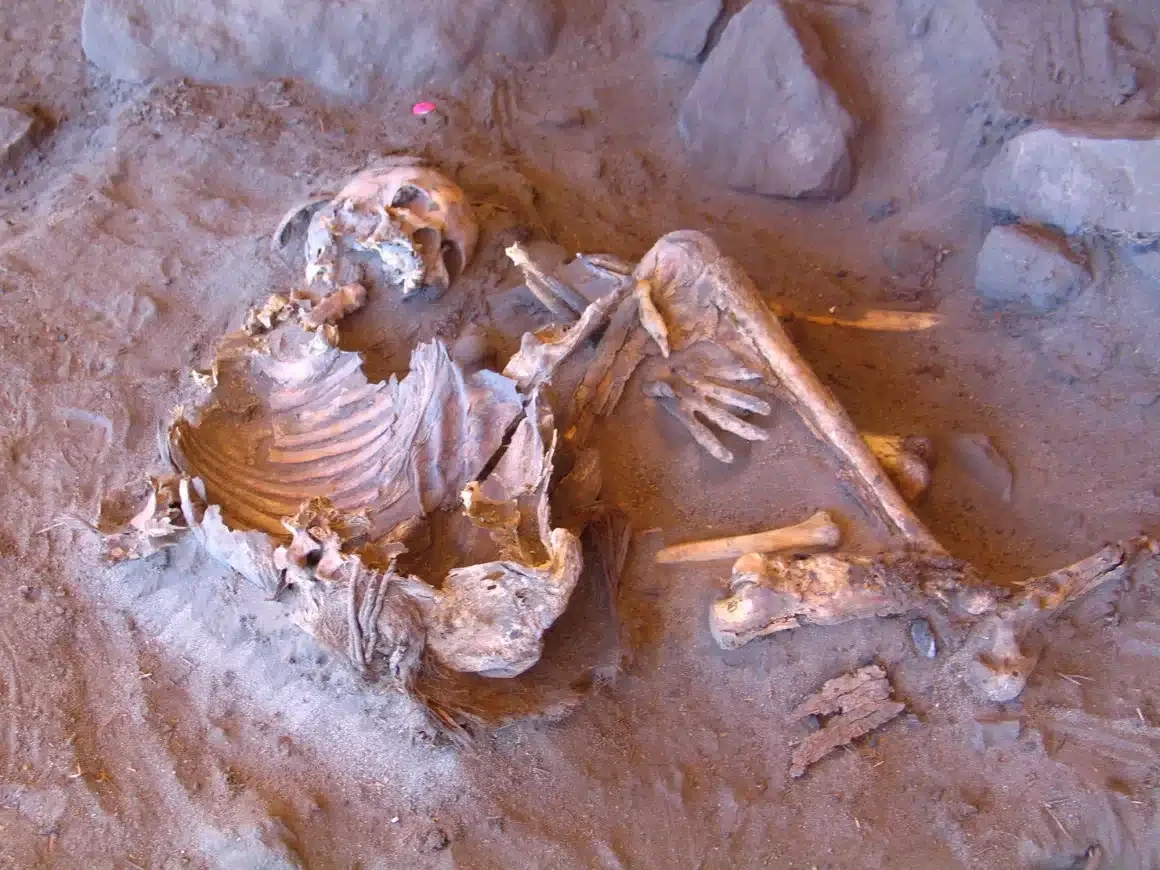
This distinct lineage appears to have diverged from sub-Saharan populations around 50,000 years ago, coinciding with early modern humans’ dispersal from Africa. The study highlights that this group is not closely related to any contemporary populations in the region.
“DNA extracted from two pastoralist women who were buried at the rock shelter around 7,000 years ago reveals that most of their ancestry can be traced to a previously unknown ancient North African genetic lineage,” said Louise Humphrey, a research leader at the Natural History Museum’s Centre for Human Evolution Research in London.
These findings support earlier chemical data indicating the buried individuals lived off local water sources and soil, remaining in the Takarkori area throughout their lives.
Uncovering a Unique Neanderthal Legacy
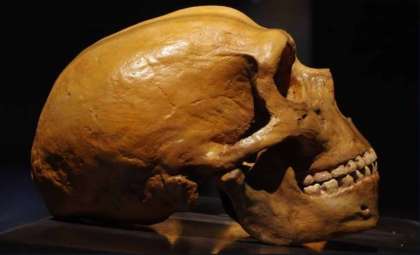
Perhaps most intriguing is the minimal presence of Neanderthal DNA—only 0.15 percent—within the mummies’ genetic makeup. This amount is roughly one-tenth the level seen in populations outside Africa but remains marginally higher than typical ancient or modern sub-Saharan groups.
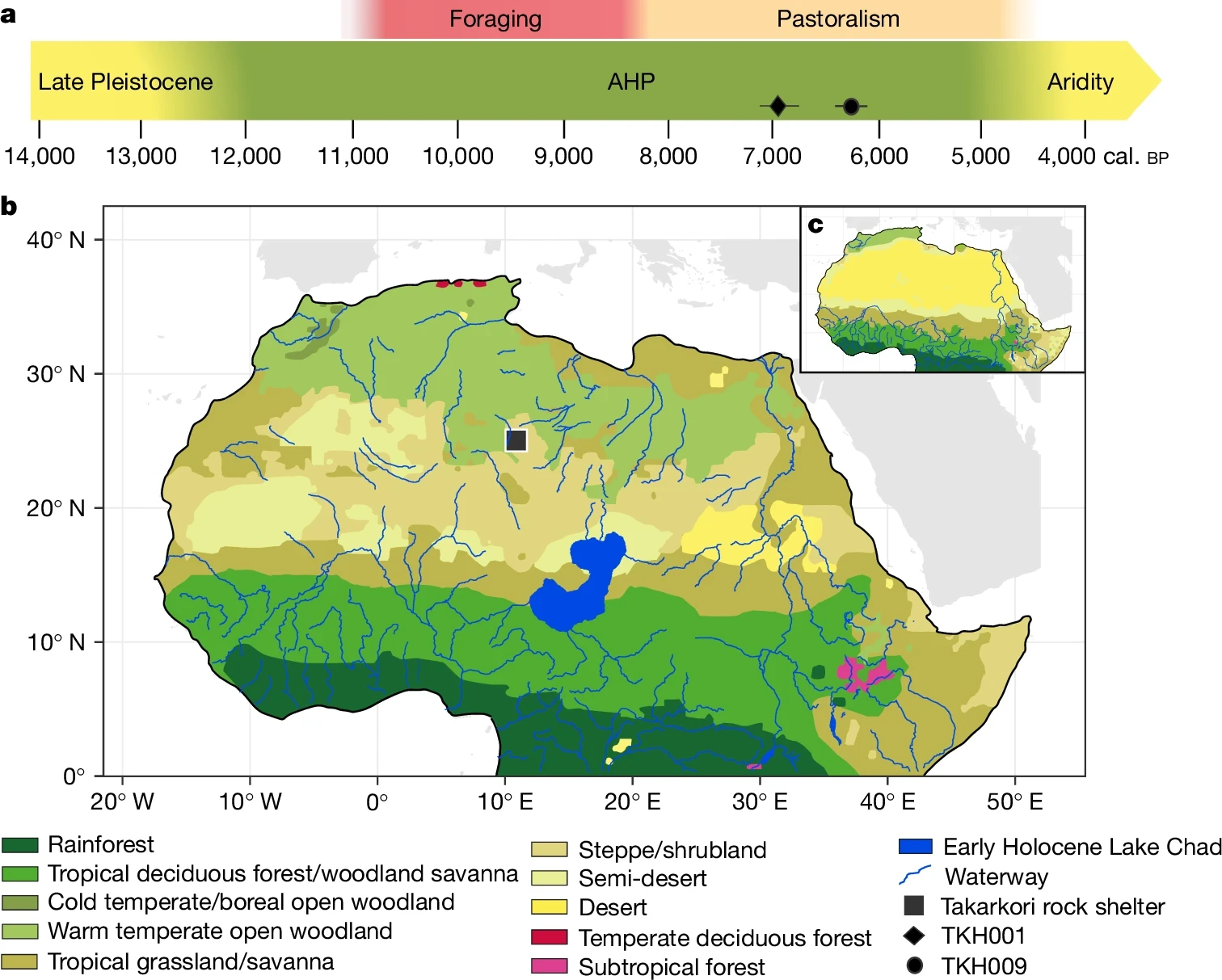
This faint Neanderthal signature suggests intermittent interactions with Near Eastern populations, possibly due to occasional trade or migration, though no evidence points to substantial migration into the central Sahara. Genetically, this community aligns more closely with groups that stayed within Africa rather than those who moved to Eurasia.
The Emergence of Pastoralism Locally
Alongside the mummies, the excavation revealed pastoral tools and remains of cattle, sheep, and goats, indicating the women were part of a herding society. Yet their DNA lacks indications of mixing with agricultural groups from the Levant or southern Europe.
According to an Earth.com article, these results imply that pastoralism spread through cultural adoption rather than migration. The artifacts, including pottery and tools, demonstrate gradual evolution at the site, suggesting steady cultural change without dramatic population shifts.
- Categories:
- Science







0 comments
Sign in to Comment