
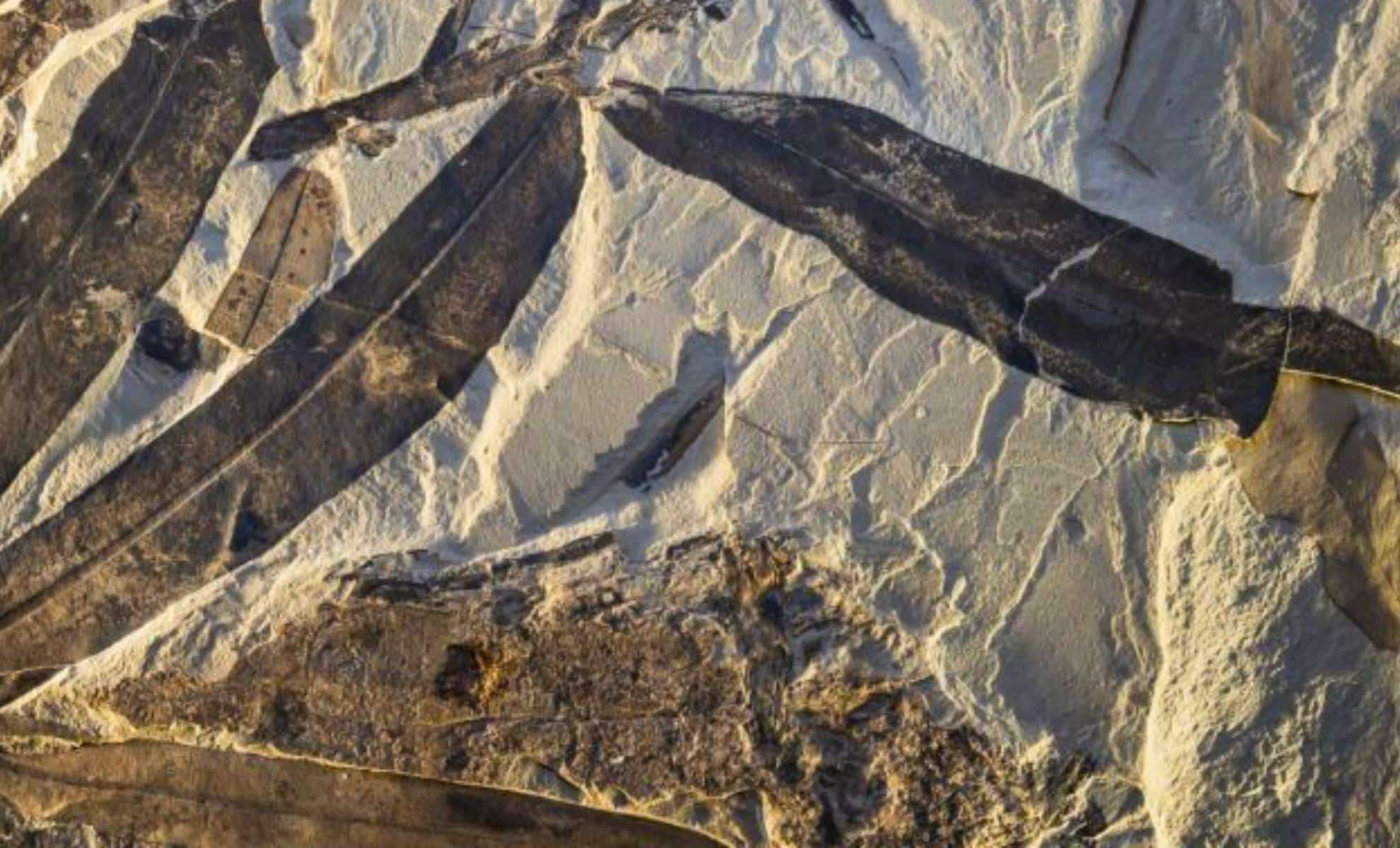
A recently unearthed plant fossil from Utah’s Green River Formation has sent ripples through the botanical community. Detailed in the journal Annals of Botany, this species, named Othniophyton elongatum or “elongated alien plant,” is dated at approximately 47 million years old. Remarkably, it does not fit into any existing or extinct plant families known to science.
Misidentification That Spanned Five Decades
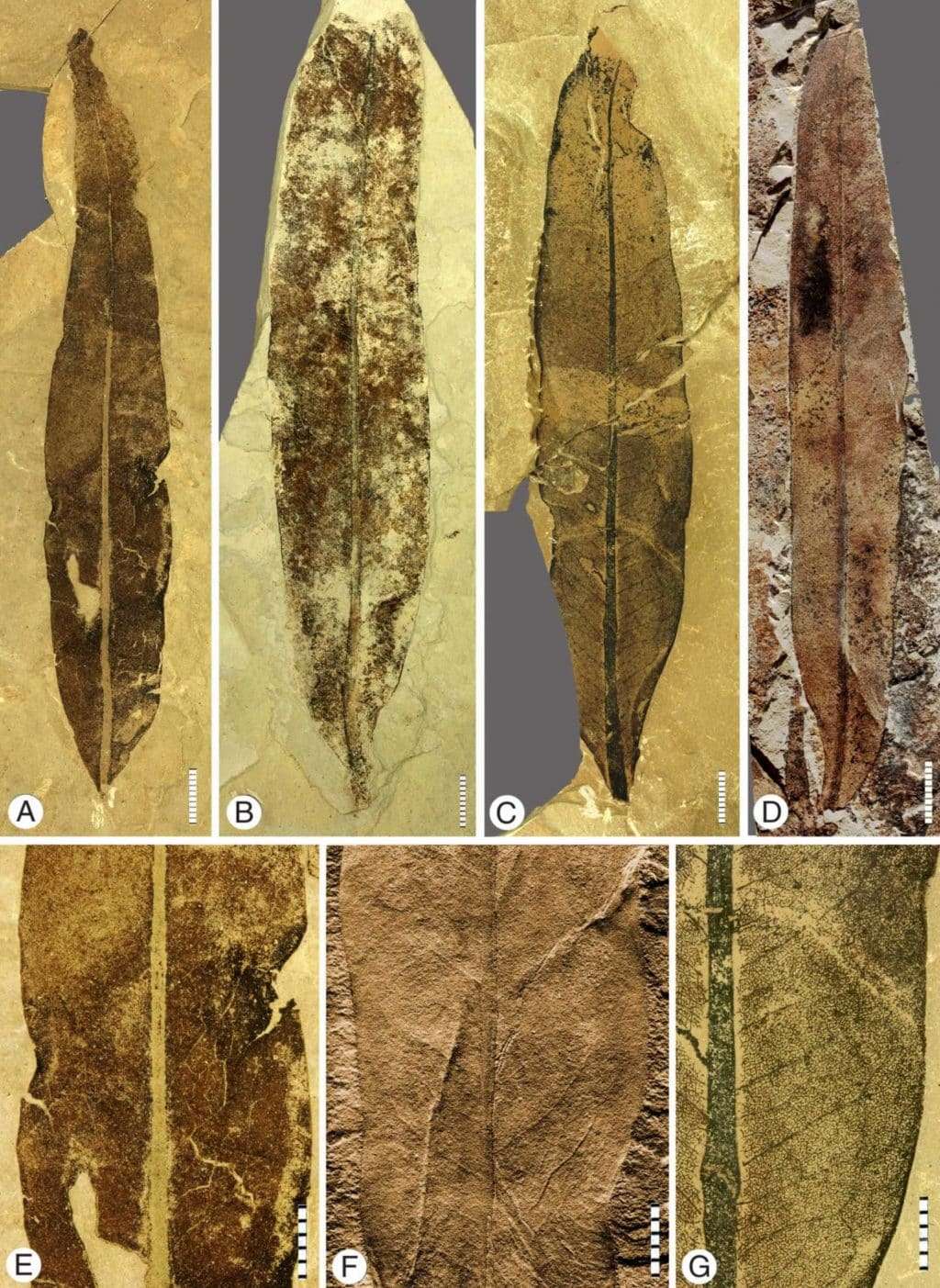
When fossilized foliage was first discovered in eastern Utah in 1969, it was assigned to the ginseng family, Araliaceae. Paleobotanist Harry MacGinitie designated the species as Oreopanax elongatum, linking it to plants like Oreopanax xalapensis, which exhibit compound leaves similar to ginseng or angelica.
At that time, only a handful of leaf specimens were available, and researchers depended heavily on leaf shape and vein patterns to classify the plant. This limited information made the connection to the ginseng family a reasonable conclusion.

However, this assumption obscured the plant’s authentic biological classification. Decades later, new research has exposed that early classification as mistaken.
Comprehensive Fossils Provide Fresh Insights
In recent years, paleobotanist Steven Manchester from the Florida Museum of Natural History uncovered more complete specimens from the same region. Notably, these fossils included twigs with flowers, fruits, and leaves still attached, an uncommon find in plant fossil records. Manchester commented, “This fossil is unusual because it preserves a twig with fruits and leaves together. Typically, these are found separately.”
Having access to these additional structures allowed researchers to revise prior assumptions. It was clear the leaves were not compound but simple and connected directly to the twig — ruling out affiliation with the ginseng family.
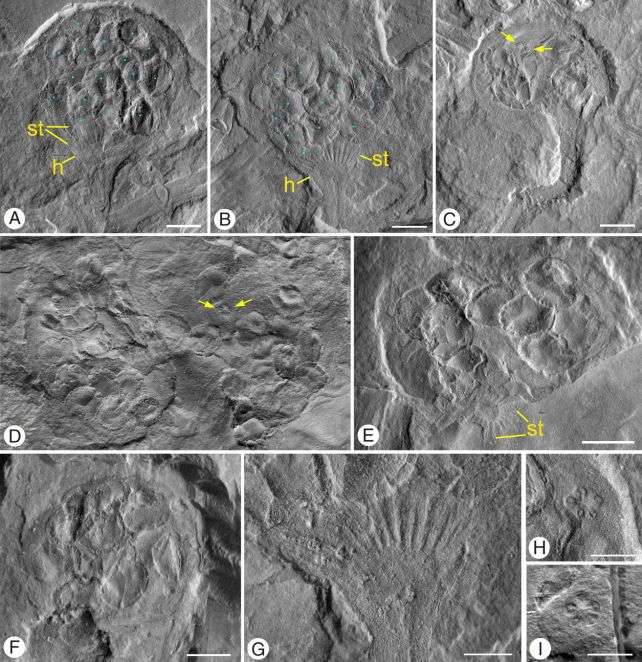
More puzzling were the fruits of Othniophyton elongatum. Their shape, internal architecture, and seed formation did not correlate with any of the more than 400 known plant families, extant or extinct.
Advanced Imaging Technologies Reveal Hidden Features
The research breakthrough came with the installation of a digital microscope system enhanced by artificial intelligence at the museum. This technology produced high-resolution images exposing previously unseen details. Researchers discovered the fruits retained their stamens—male reproductive parts—even at maturity. Typically, these structures detach after fertilization in contemporary plants, but here they persisted.
“Usually, stamens fall off as the fruit matures, but this specimen unusually keeps them intact as seeds become ready for dispersal,” explained Manchester. “Nothing like this has been observed in any modern species.”
Additional observations included imprints of the internal seeds within the fruits, a preservation quality rarely achieved in specimens of this antiquity. Each new detail reinforced the uniqueness of this plant fossil.
An Evolutionary Lineage Lost to Time
Despite detailed preservation and cutting-edge examination, scientists could not link Othniophyton elongatum to any known living or fossil plant group. Consequently, the team proposed it represents a previously unknown, entirely extinct plant family with no surviving relatives. Its name—Othniophyton elongatum—was carefully chosen, combining Greek and Latin roots to mean “elongated alien plant.”
Julian Correa-Narvaez, the study's lead author and University of Florida PhD candidate, highlighted the discovery’s significance: “This offers valuable clues regarding how plant groups evolved and diversified in the past.” Paleoartist and graduate student Ashley Hamersma produced an intricate visual reconstruction of the plant, depicting its flowers, fruit, leaves, and notably persistent stamens.
- Categories:
- News






0 comments
Sign in to Comment