
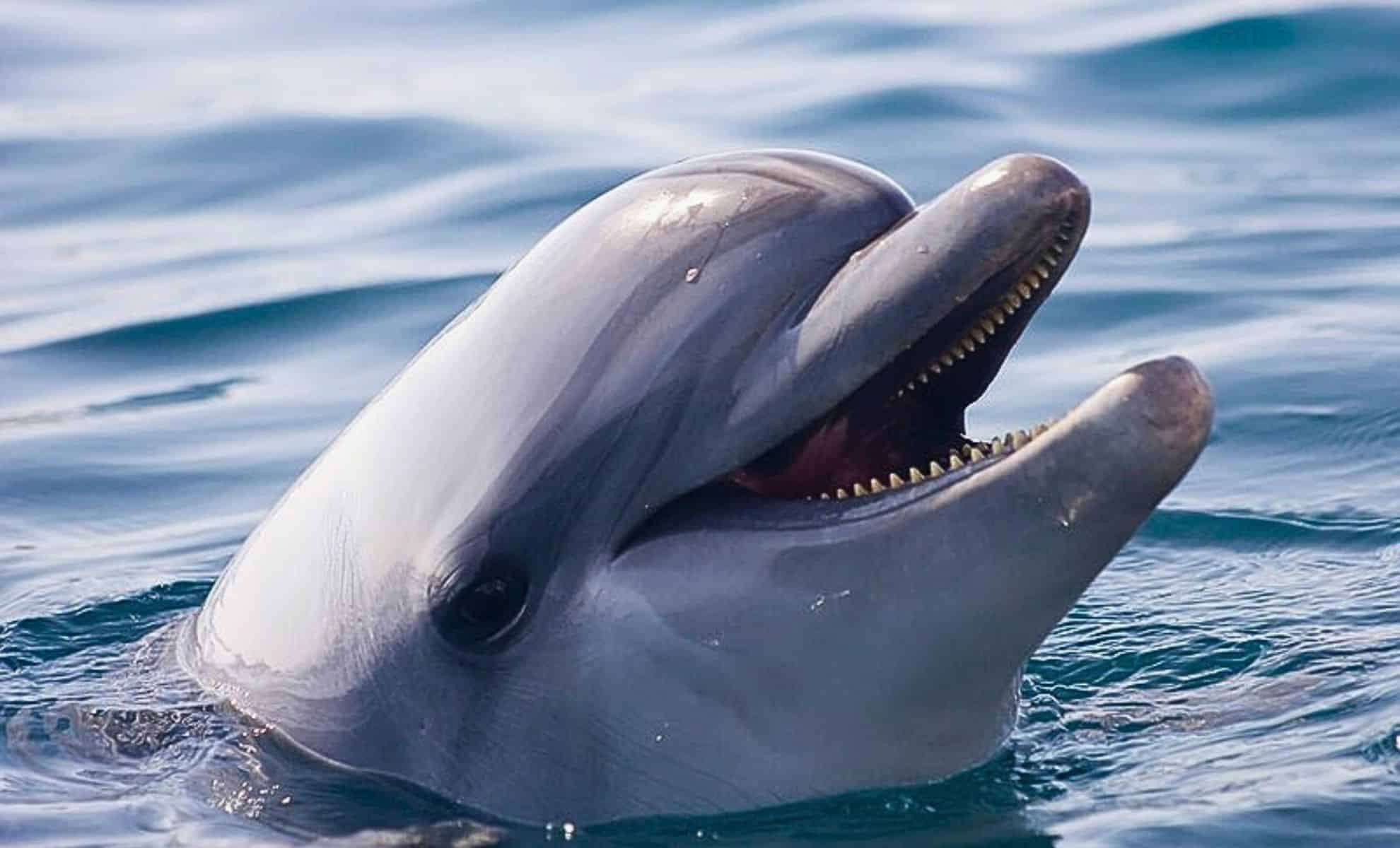
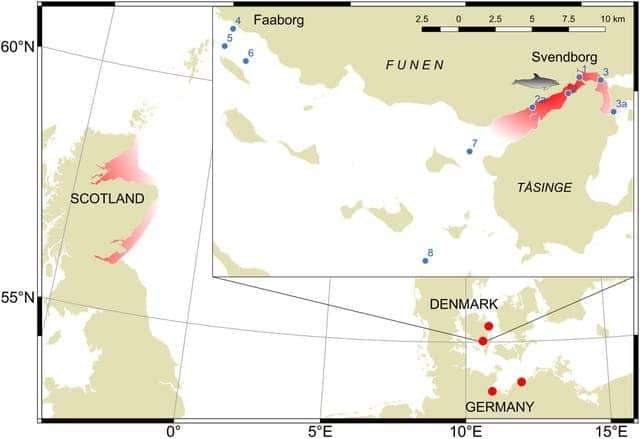
Nicknamed Delle, a male bottlenose dolphin has made an unexpected home in the Baltic Sea, far from the warm, lively waters typical of his species. His presence near Denmark’s Svendborgsund channel has drawn attention from marine scientists and locals alike, offering new insights into the behaviors of dolphins living in solitude.
An Unprecedented Solitary Dolphin Encounter
Generally, bottlenose dolphins live in groups, depending on their social bonds for communication, hunting, and defense. The brackish and chillier waters of the Baltic Sea create a difficult environment for these animals. Delle’s ability to survive here—alone and without a population of his kind nearby—is exceptional. Despite these challenges, he appears active and engaged, skillfully moving and vocalizing within this isolated habitat.
Analyzing Delle’s Underwater Sounds
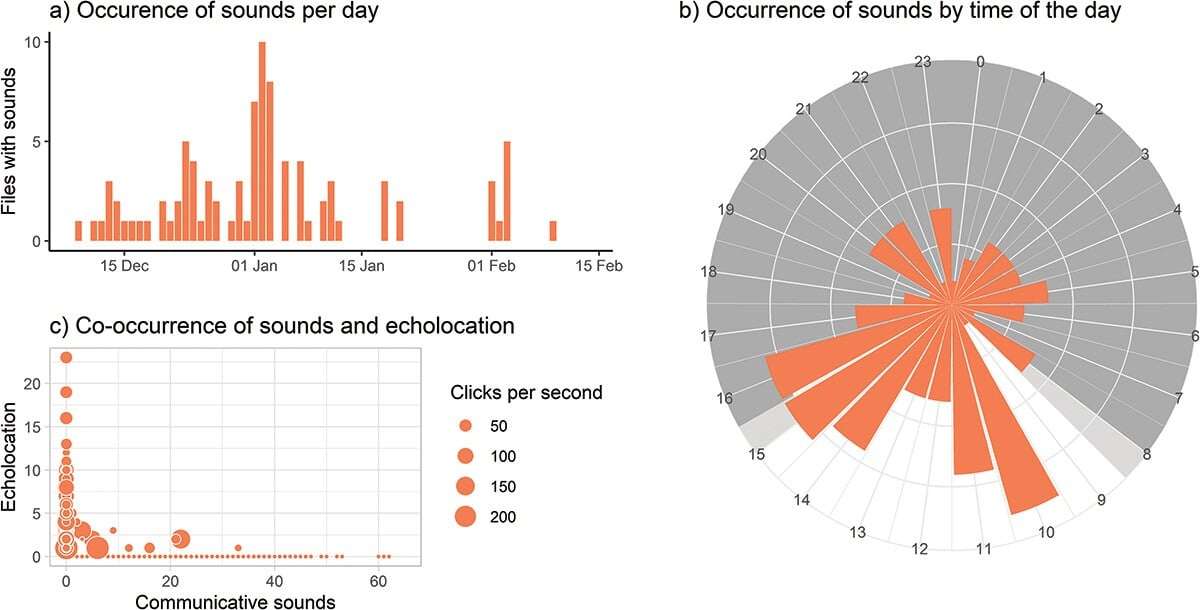
Scientists at the University of Southern Denmark conducted an in-depth analysis of Delle’s acoustic signals recorded from December 2022 through February 2023. They captured more than 10,000 unique vocalizations, demonstrating that Delle is highly responsive to his surroundings despite his solitary state.

His sound patterns include:
- Sharp clicks and melodic whistles, used primarily for echolocation and social calls.
- Low-frequency tones and rhythmic noises, believed to aid in navigation and locating food sources.
- Sounds indicating aggression or territoriality, showing his adaptability to varied circumstances.
A compelling theory proposes that Delle might be vocalizing to himself as a method of emotional self-expression or self-stimulation under conditions of isolation.
Unraveling the Enigma of Dolphin Self-Communication
Delle’s continuous and varied vocalizing, in the absence of other dolphins or humans, suggests complex cognitive processes at play. Scientists hypothesize some sound patterns may function as coping responses to loneliness, comparable to human laughter or internal dialogue.
Alternatively, this acoustic activity might help maintain a routine or sense of normalcy in an otherwise unusual setting.
Adaptation to a Tough Environment
Living in the Baltic Sea demands unique survival skills from Delle. The region's colder waters and less salty conditions, combined with different prey species, require significant adjustments. His ability to flourish here highlights the resilience and flexibility of bottlenose dolphins, though his long-term survival remains uncertain given their need for social interactions to sustain mental health.
Broader Significance for Marine Science
Delle’s unusual presence gives researchers a distinctive chance to observe how solitary marine mammals respond to isolation and shifting habitats. His stay in the Baltic Sea might reflect wider ecosystem changes, such as altered migratory routes or ocean warming.
Marine biologists are eager to decipher what his vocal patterns tell us about dolphin communication and emotional complexity, potentially informing future conservation efforts for these charismatic marine animals.
The full study is accessible in Bioacoustics.

















0 comments
Sign in to Comment