
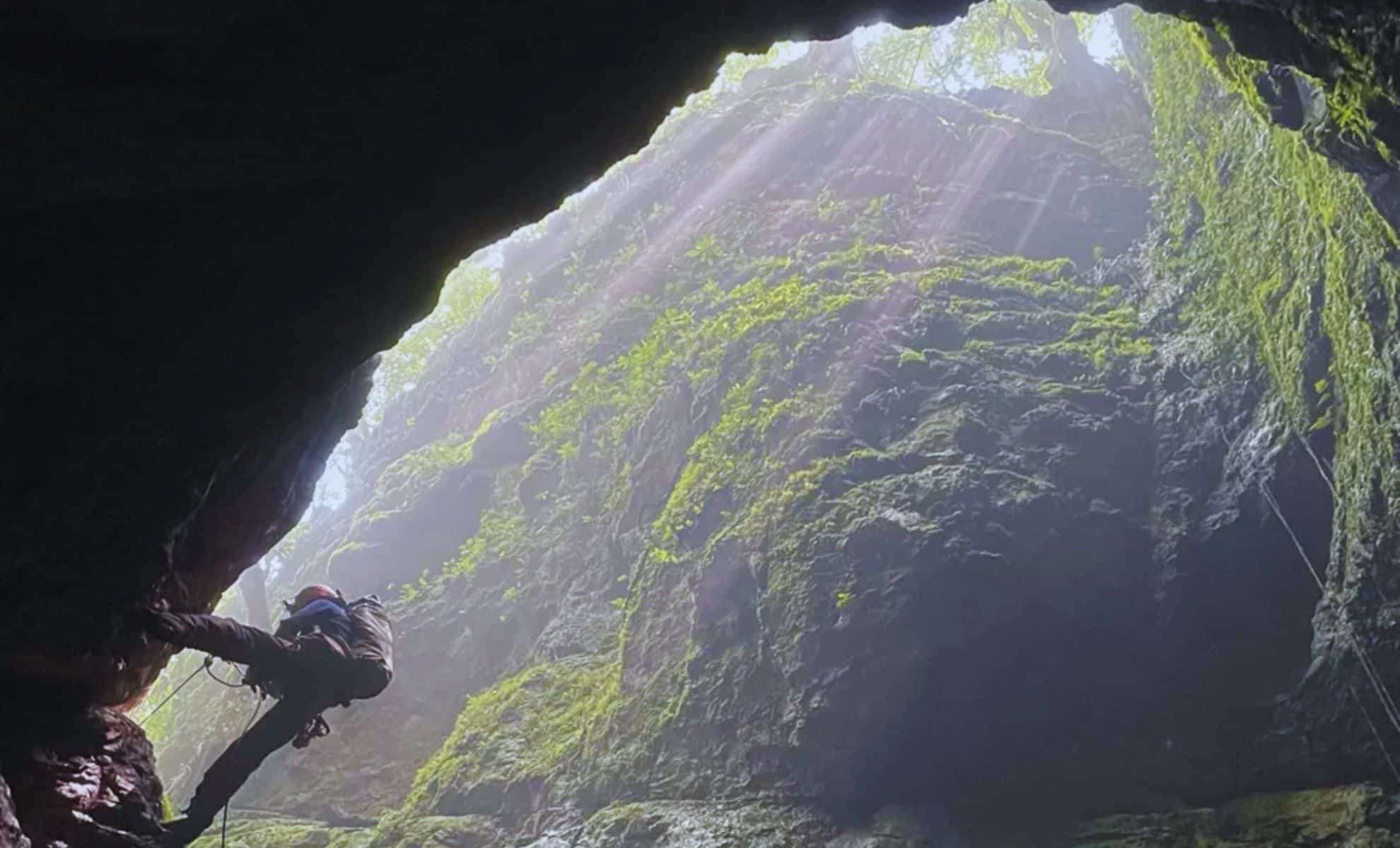
Known as the Western Hemisphere's deepest cave, Mexico's Sistema Huautla has been discovered to be more extensive than earlier measurements suggested. Recent explorations have expanded the documented stretches of this intricate underground maze.
Situated within Oaxaca's Sierra Mazateca mountains, this vast cave system is estimated to have formed around 15 million years ago, providing a unique window into the geological and biological developments spanning millions of years.
Delving Into the Depths of Sistema Huautla
Sistema Huautla was first explored in the 1960s by spelunkers from Austin, Texas. Since 2014, the Sistema Huautla Speleological Project (PESH) has led annual missions to chart and analyze this sprawling cave network.

The most recent mission took place in April 2023, timed to coincide with drier periods intended to mitigate flooding hazards underground. Despite this, unseasonably high rainfall hampered some exploration activities.
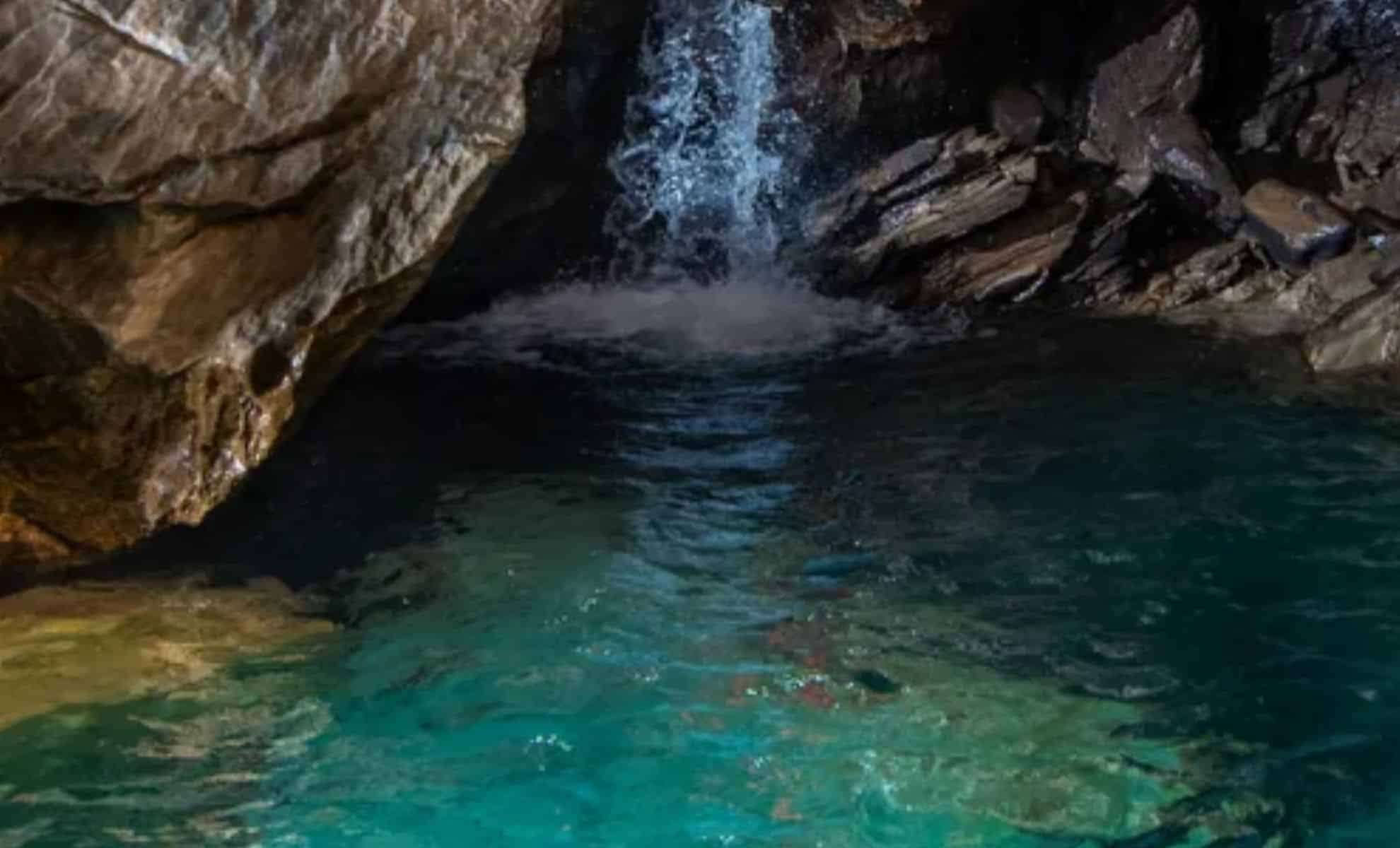
This remarkable cave plunges to a depth of 5,118 feet (1,581 meters), comparable to stacking four Empire State Buildings atop one another. Featuring 26 interconnected entrances, newly uncovered passages continue to highlight its immense and complex structure. Its scale and antiquity make Sistema Huautla vital for geological investigations and understanding life's adaptations in extreme habitats.
Discoveries Within Mexico's Massive Cave System
Besides detailed mapping, these explorations have yielded significant scientific insights. The cave hosts diverse fauna, including species like spiders, millipedes, beetles, silverfish, and a population of common vampire bats (Desmodus rotundus) dwelling near one entrance.
Moreover, preserved fossils of extinct creatures offer a glimpse into bygone ecosystems. Stalagmites inside the cave provide invaluable data on ancient climate conditions, formed by mineral-rich water dripping over thousands of years.
Mapping More of Mexico’s Subterranean Realm
In parallel with exploring Sistema Huautla, the team extended the mapped passages of a nearby cave called Cueva Elysium by 1.9 miles (3 kilometers). This initiative underscores continued efforts to document Mexico’s underground terrain, with findings shared with local scientists to support studies in geology, biology, and climatic evolution.
The 2024 expedition plans to investigate two additional caves adjacent to Sistema Huautla, pushing further to unlock Mexico’s hidden underground landscapes. These ongoing ventures highlight the evolving field of speleology and deepen our appreciation of the natural world. Brad Wuest, one of the explorers, was seen replenishing his water supply from a natural waterfall deep inside the cave.
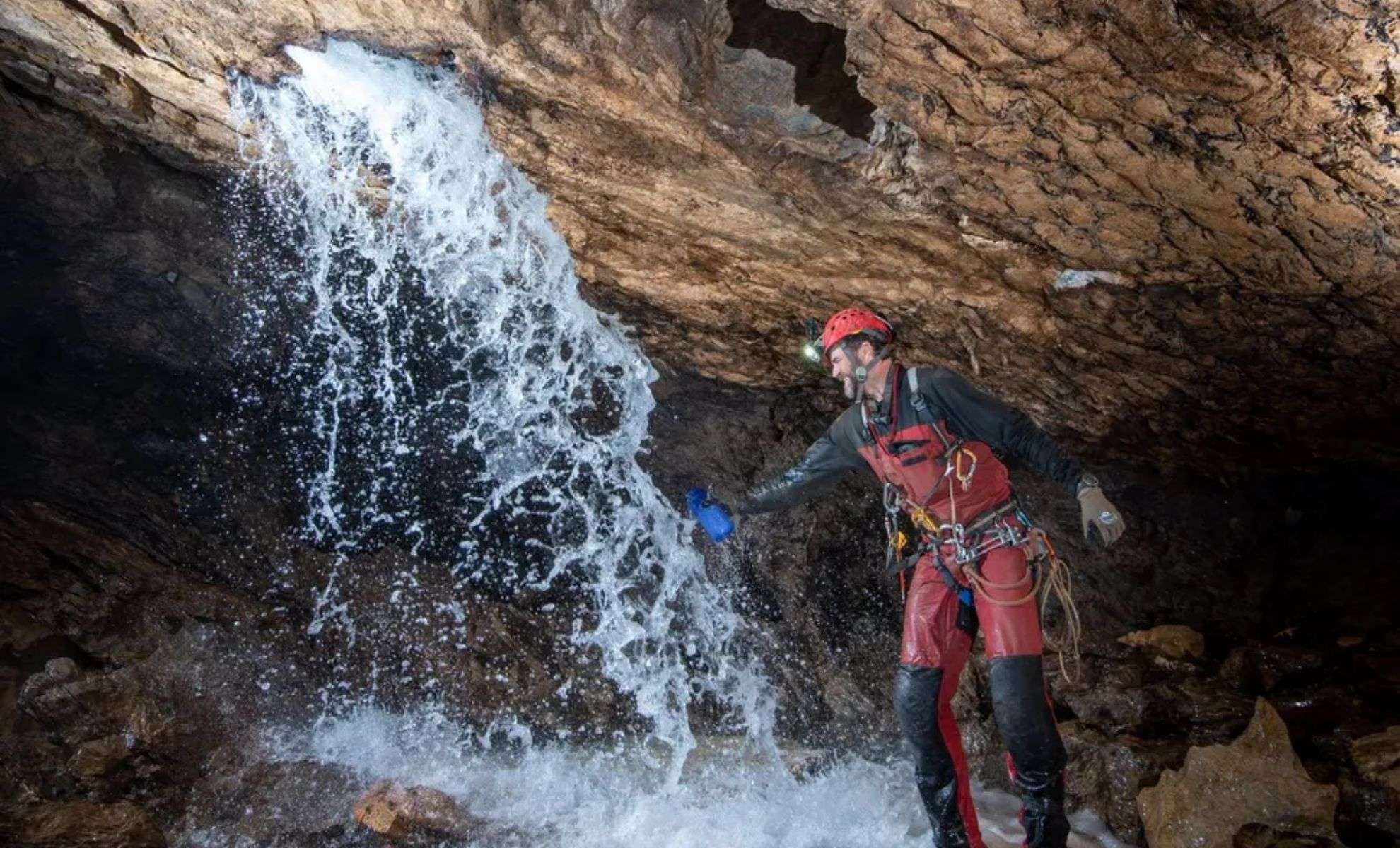
Lead spelunkers Tommy Shifflett and Bill Steele stress the importance of closely tracking water levels during expeditions because flooding can be life-threatening. Steele explained, “With teams camping deep underground without any surface contact, monitoring water levels is essential.”
- Categories:
- News







0 comments
Sign in to Comment