
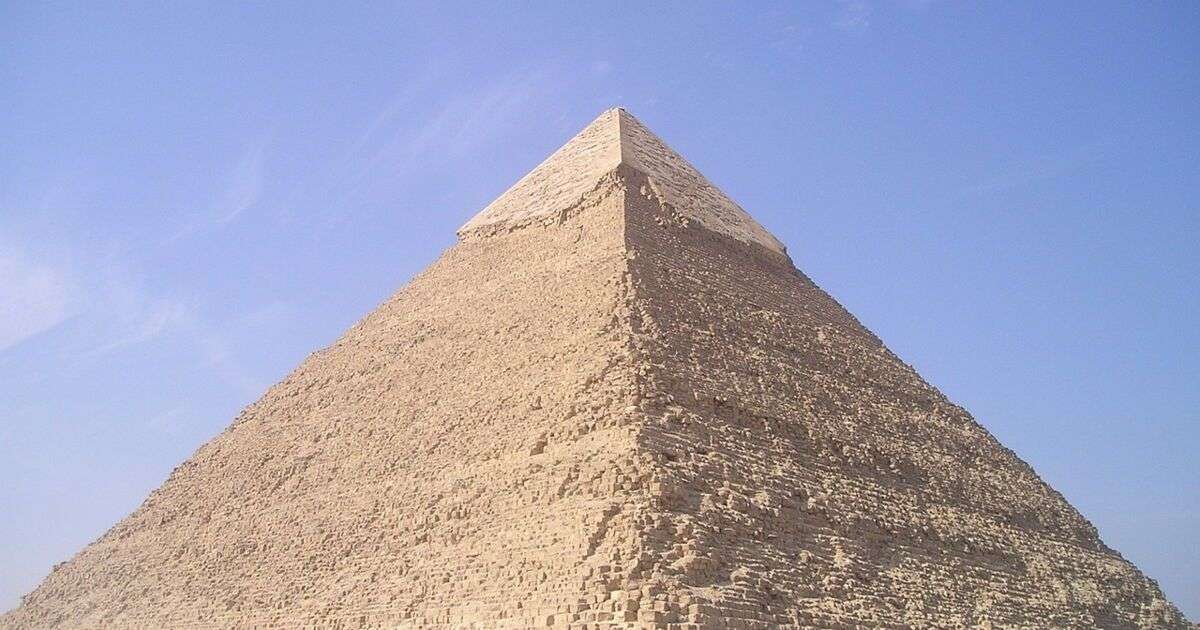
The creation of Egypt’s pyramids continues to fascinate experts and enthusiasts alike due to the enormous limestone blocks involved and the extraordinary skill required. Iconic monuments such as the Pyramid of Khufu located on the Giza Plateau showcase ancient craftsmanship that still sparks questions about how these gigantic stones were handled.
What methods were used to move these massive blocks?
Many hypotheses exist to explain how these hefty stones were hauled and positioned. Some researchers propose that the blocks were floated along the Nile River on boats before being precisely shaped at the construction sites. Another intriguing possibility is that the stones were formed from an early type of synthetic stone mixture, though most historians favor conventional quarrying and transport theories.
The central puzzle is how the Egyptians managed to relocate stones that weighed several tons across considerable distances. A widely accepted idea points to the Tura quarries as the source of the limestone blocks for the Pyramid of Khufu. These stones were likely transported down the Nile by boat, a theory supported by ancient texts like Merer’s diary, also called the Jarf papyrus, dating back to around 2560 BCE.

Techniques for moving heavy stone in antiquity
Shifting 2-ton-plus limestone slabs demanded innovative strategies. Egyptians navigated the Nile with boats to transfer stones from quarries to construction zones, as revealed by studies in underwater archaeology. Near the building sites, networks of canals guided stones to artificial basins adjacent to pyramid locations. Supporting evidence includes sediment and pollen analyses showing that these regions were once swampy and benefited from water access, facilitating transport.
Ongoing scientific investigations continue to illuminate these processes. Research published by the National Academy of Sciences in 2022 suggests that shifts in local water levels may have influenced the cessation of pyramid construction. The 2013 discovery of Merer’s diary by Pierre Tallet provided valuable insight into the logistical management of moving such heavy materials.
The workforce behind these ancient wonders
Rather than slaves, the pyramids were built by a large, skilled labor force. The Great Pyramid's architect, Hemiunu, who served Pharaoh Khufu, exemplifies the advanced organization and ingenuity of the builders.
Merer’s diary offers rare perspectives on the workers’ lives at Giza, highlighting that they received compensation for their efforts instead of forced labor conditions.
Sources of our knowledge
Our comprehension of pyramid construction has expanded through decades of research and publications such as “This ancient journal reveals how Egyptians built pyramids” (National Geographic), “Archaeologists finally know how Egyptians moved huge stones” (L’Internaute), “The secret revealed? Study looks into stone block transport” (Science et Vie), and “The enigma explored” (Passion égyptienne).
The allure of Egypt’s pyramids stems not only from their architectural brilliance but also from enduring mysteries regarding their construction. As new findings emerge and global research progresses, modern audiences continue to marvel at humanity’s impressive engineering achievements realized thousands of years ago.
- Categories:
- Nature
















0 comments
Sign in to Comment