
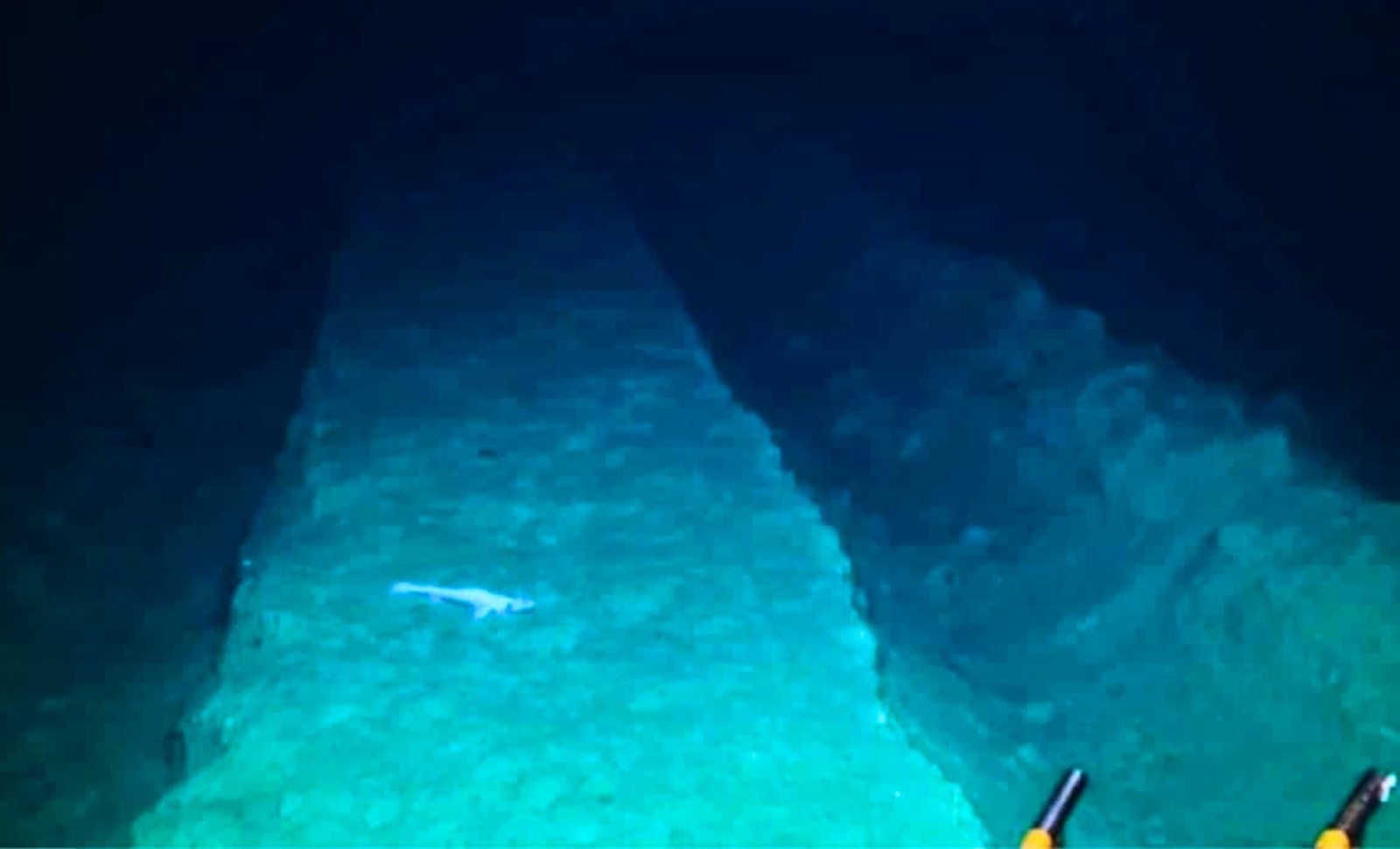
In 1979, a groundbreaking mining apparatus ventured nearly five kilometers beneath the Pacific Ocean’s surface, tracing loops across the seabed in a remote area known as the Clarion–Clipperton Zone. This early trial was seen as a crucial step toward accessing valuable minerals hidden in the deep sea. More than four decades on, the damage inflicted during that mission remains clearly visible.
Recently published findings in Nature revisit this historic mining site, providing a rare long-term look at how the deep ocean responds to industrial disruption. The results were disturbing: the ecosystem showed only limited biological recovery, the physical scars endured unchanged, and the ocean’s slow regeneration process appeared incapable of repairing even this relatively small disturbance. As commercial mining interests seek approval to exploit the same region, the study highlights critical concerns about the environmental costs associated with deep-sea extraction.
The Prototype's Lasting Impact on the Seafloor
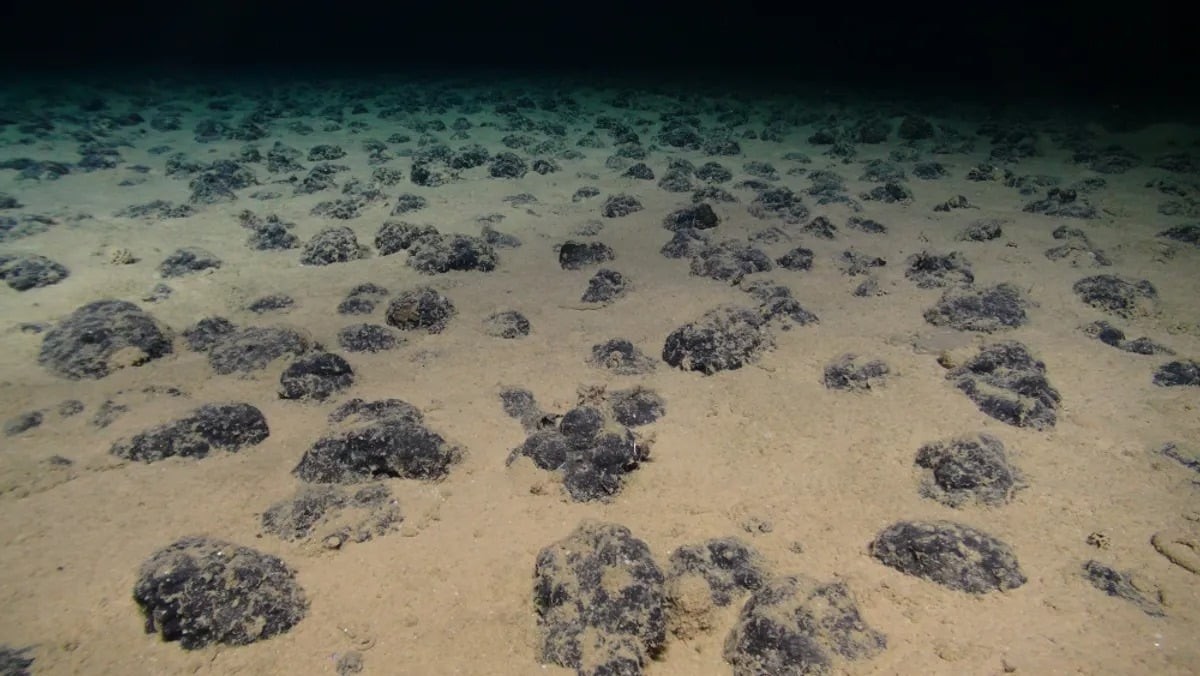
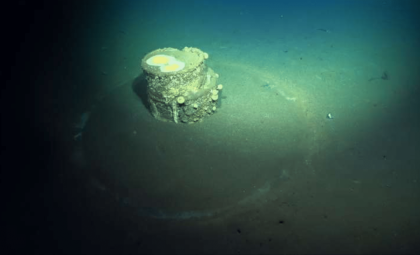
The mining operation, conducted by the Ocean Minerals Company (OMCO), employed a remote-controlled machine designed to harvest polymetallic nodules. These rocky deposits contain significant amounts of nickel, cobalt, and manganese—metals essential for manufacturing batteries for electric cars and sustainable energy solutions, as detailed in a 2020 Nature Reviews Earth & Environment article.

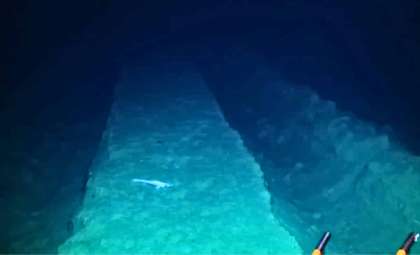
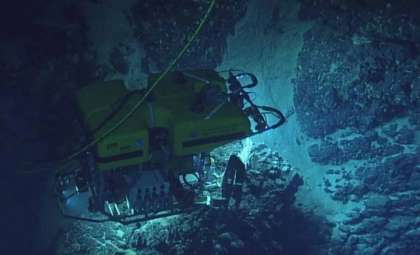
The vehicle disrupted around 0.4 square kilometers of seabed, dragging sediments and removing nodules. In 2023, researchers revisited the site using advanced robotic submersibles equipped with high-definition imaging tools.
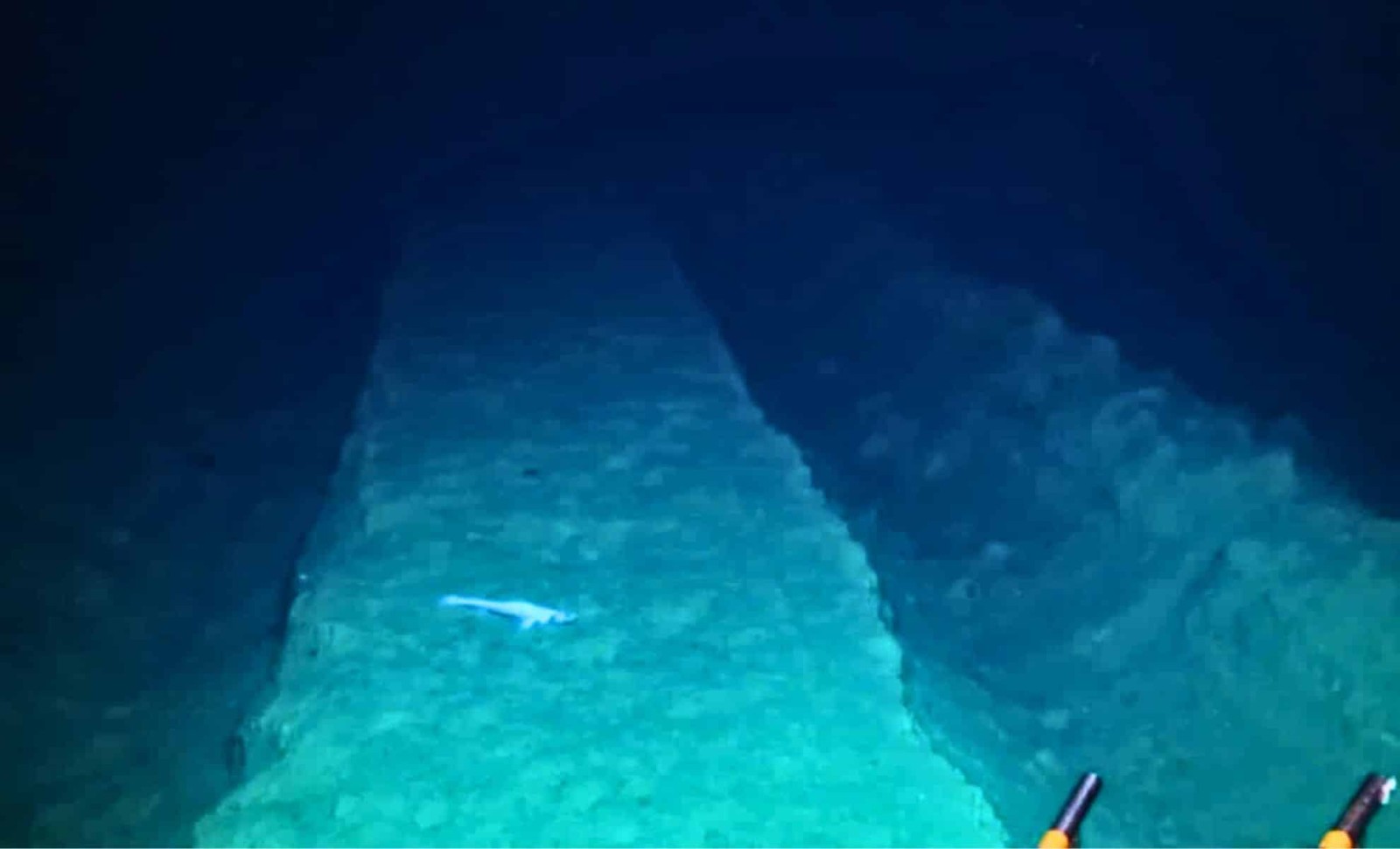
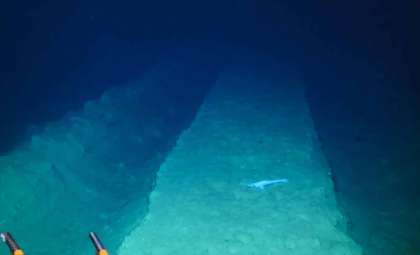
Decades later, the deep furrows remain almost intact, measuring one to three meters wide and up to 0.8 meters deep. This persistence reflects the ocean’s sluggish sediment deposition rate at these depths, estimated at just 1.5 to 11 millimeters per thousand years, according to the UK’s National Oceanography Centre.
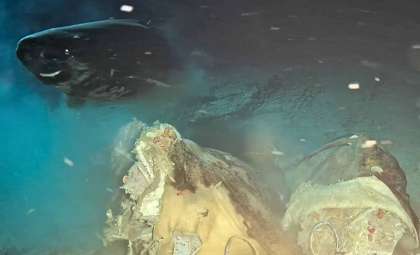
Besides visible tracks, the disturbance reshaped the seafloor’s texture and structure, altering where organic matter collects and which species can inhabit the area. Some tracks even accumulated marine debris, including plastics, further highlighting the long-lasting environmental footprint.
Patchy Recovery of Marine Life
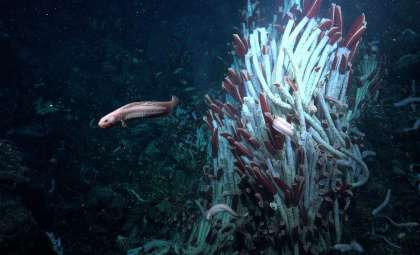
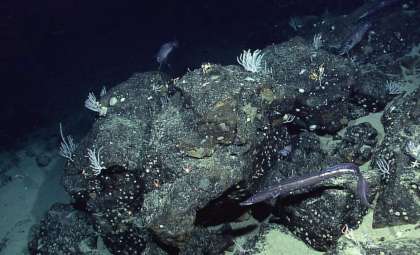
Marine life has gradually returned to the affected zones, but with uneven progress. The study noted promising resurgence of mobile creatures such as sea cucumbers, brittle stars, and xenophyophores, massive single-celled organisms that flourish in deep sediments. Populations of xenophyophores reached up to eight per square meter in disturbed areas, indicating some ability to rebound.
However, slow-growing and stationary species, including sponges and anemones, which rely on hard surfaces like nodules for attachment, remain scarce. Most nodules were removed or buried during the mining, creating conditions hostile to these organisms’ return.
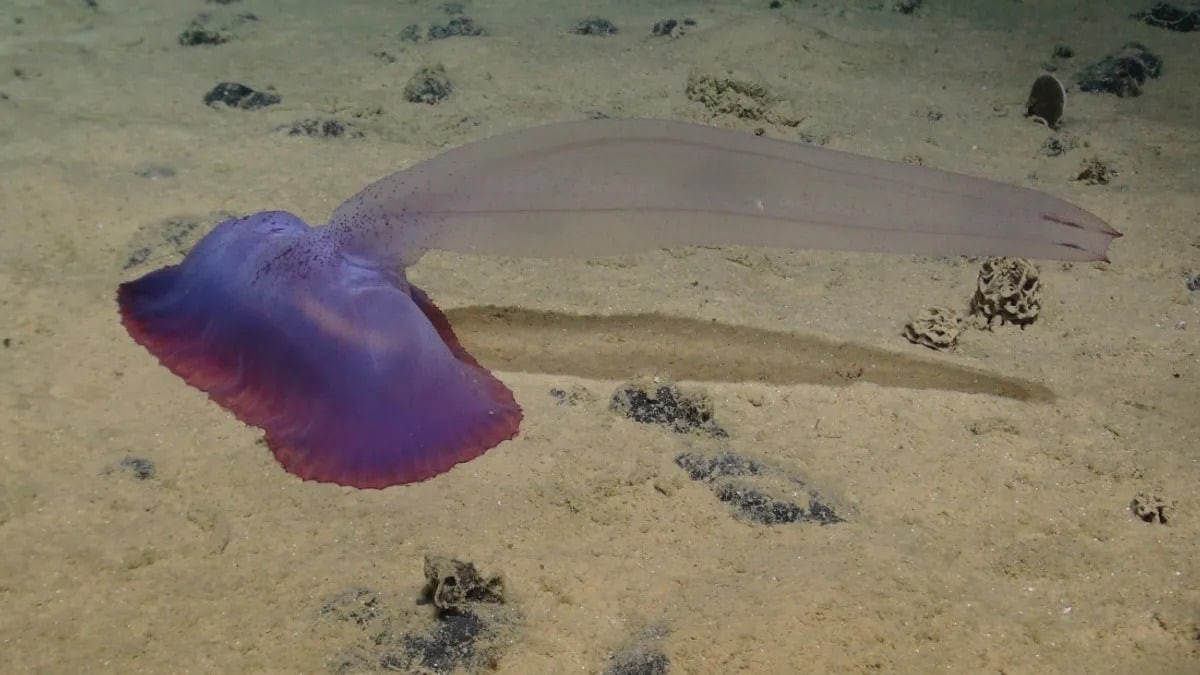
Analysis of photographic transects spanning nearly 6,000 square meters revealed that megafaunal densities in mined areas remain only about one-third of those in undisturbed regions nearby. This aligns with observations from the DISCOL experiment in the Peru Basin, where ecosystems showed limited recovery more than twenty years following similar disturbances.
Scaling Up Mining Could Intensify Ecological Harm
While the 1979 experiment impacted a relatively modest patch of seabed, commercial mining plans envisage disturbing hundreds or even thousands of square kilometers. The Clarion–Clipperton Zone, spanning 4.5 million square kilometers between Hawaii and Mexico, is partitioned into exploration segments overseen by the International Seabed Authority (ISA), the body responsible for regulating mineral extraction beyond national jurisdictions.
Though the ISA is still developing its deep-sea mining regulations, interest and exploration activities are increasing. Earlier this year, a thorough Marine Policy study highlighted the gaps in governance and scientific knowledge concerning environmental risks.
One key concern is sediment plumes produced by mining machinery. These clouds of stirred particles can drift beyond mined sites, settling on untouched habitats and disturbing filter feeders as well as sediment chemistry. The 2023 expedition detected minimal visible sediment plumes from the 1979 mining, but noted sediment accumulation near tracks and modest shifts in local species patterns. Increases in bryozoan and echinoderm numbers nearby suggest some biological reactions, though the overall ecological impact remains uncertain.
Supporters of deep-sea mining argue that current technology, especially crawler-type collectors, may lessen environmental damage. Still, scientists warn that the extent, repetition, and combined effects of large-scale mining are unpredictable. Lead author Dr. Adrian G. Glover commented, “The footprint left by a single machine operating for four days is still evident. Imagine the consequences with dozens of machines working over decades.”
- Categories:
- News




0 comments
Sign in to Comment