
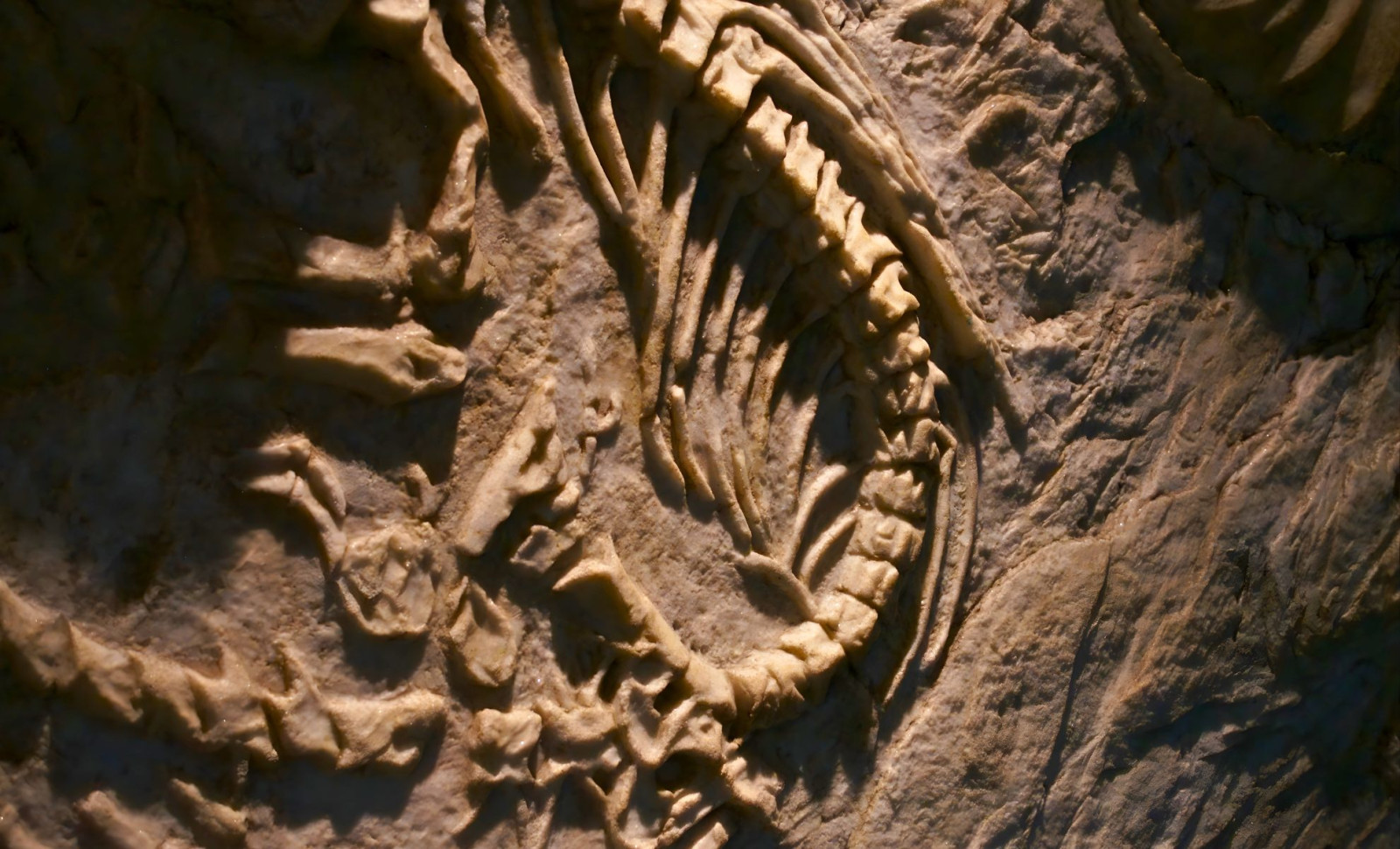
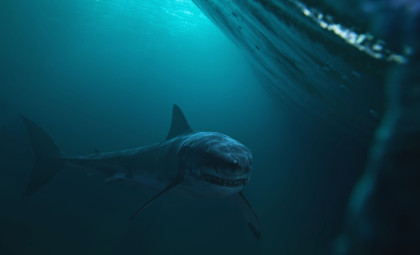
In Peru’s Pisco Basin, famous for its rich marine fossil heritage, researchers have uncovered a specimen of Cosmopolitodus hastalis, an extinct shark species closely linked to the modern great white shark. This discovery is remarkable due to the extensive preservation of the skeleton, a notable rarity in shark fossil studies.
The fossil was retrieved from an arid coastal area roughly 235 kilometers south of Lima, a location that was once covered by the Pacific Ocean. The Pisco Basin is known for its exceptionally well-preserved fossils of whales, dolphins, and various other marine creatures. However, fossils of this completeness are uncommon, as shark skeletons are mainly cartilaginous and tend to decompose swiftly.
Discovery of an Almost Intact Shark Skeleton
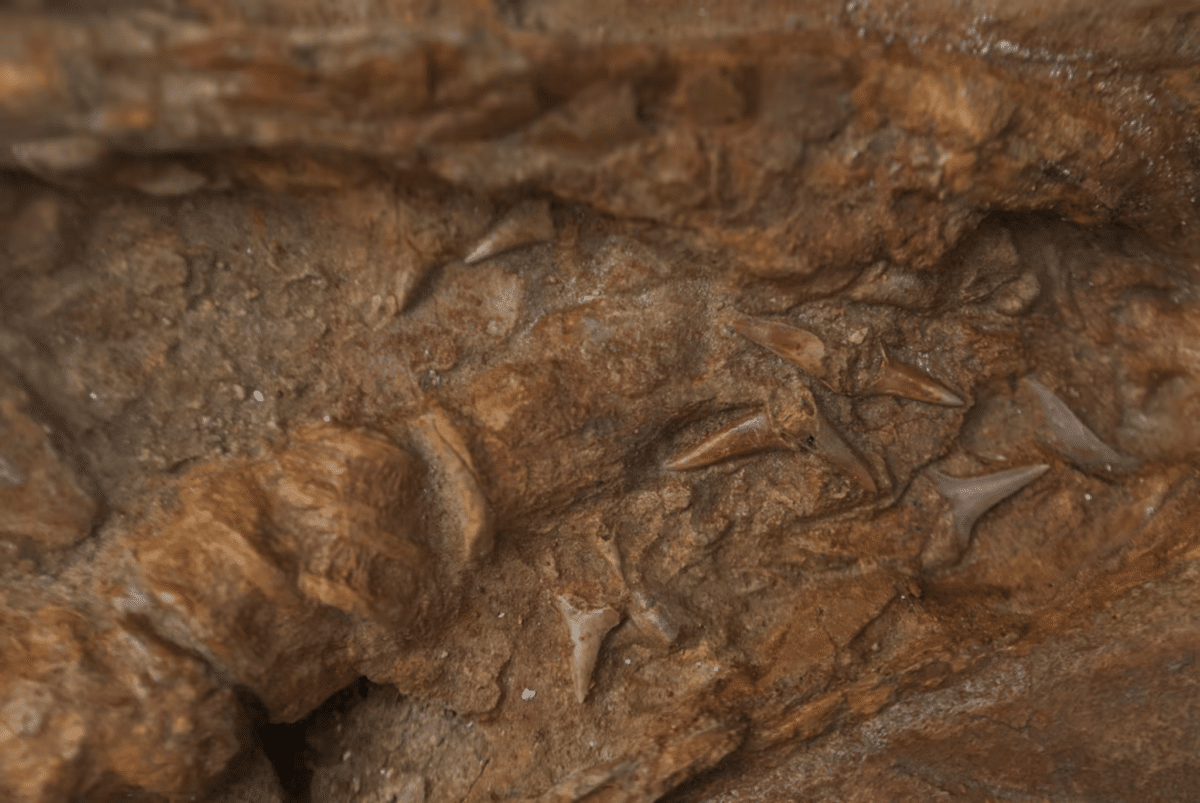
During the fossil’s unveiling, engineer Cesar Augusto Chacaltana from Peru’s Geological and Mining Institute emphasized the “remarkable fossilization” of this top oceanic predator’s remains. The exhibit, shown in glass cases, included a sizable jaw lined with sharp, serrated teeth.

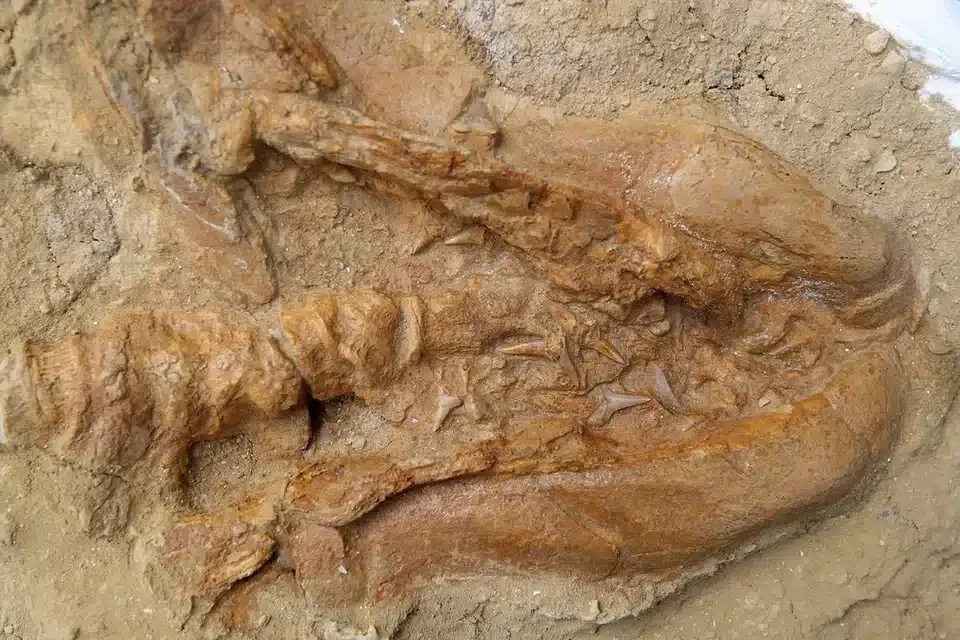
Paleontologist Mario Urbina, who also spoke at the event, noted that “complete shark fossils are extremely rare worldwide.” He highlighted the fossil’s vital role in shedding light on the evolution of marine predators.
This research confirms that dominant, agile marine hunters with advanced adaptations like serrated teeth and hydrodynamic body shapes were present around 9 million years ago.
Shark’s Preserved Stomach Contents Reveal Diet
A notable aspect of the finding is the intact stomach contents, where scientists found remains of sardines, indicating the shark’s diet preference. Urbina explained that anchovies, common in today’s oceans, had not evolved then, leaving sardines as the main prey for large predators.
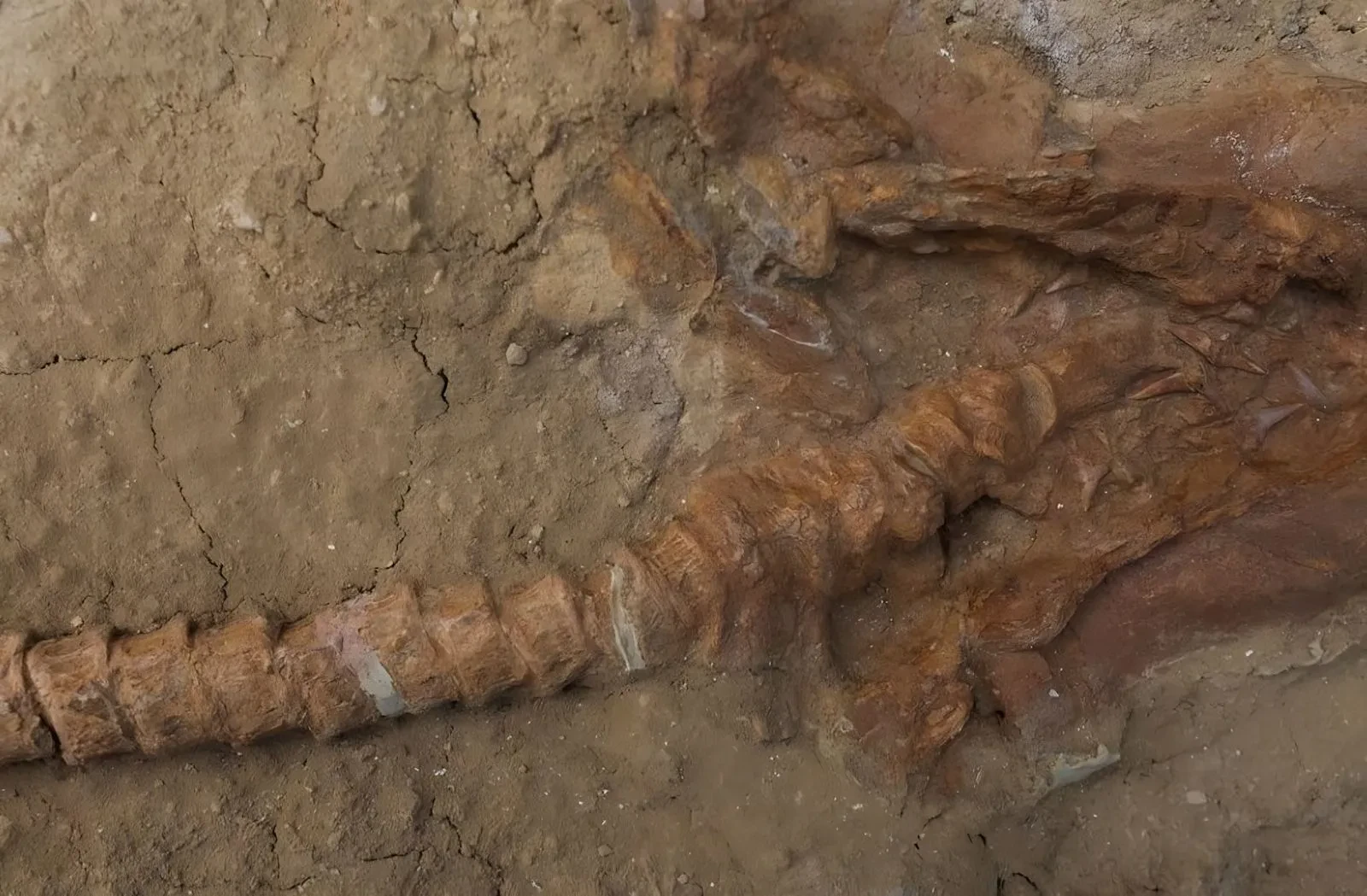
According to Reuters, this evidence enriches scientists’ understanding of the food webs that existed during the late Miocene era and corroborates prior findings about predator diets in the southern Pacific.
Pisco Basin Continues to Yield Marine Discoveries
The Pisco Basin strengthens its status as a key site for marine fossil finds. As noted previously, the area has produced numerous important specimens that help trace the evolution of significant sea creatures.
This shark fossil complements other major discoveries, including a juvenile crocodile fossil found in November 2024 and a giant river dolphin skull discovered in April 2024, collectively enhancing the timeline of prehistoric marine life in South America and underscoring the region’s once-thriving biodiversity.
- Categories:
- Science




0 comments
Sign in to Comment