
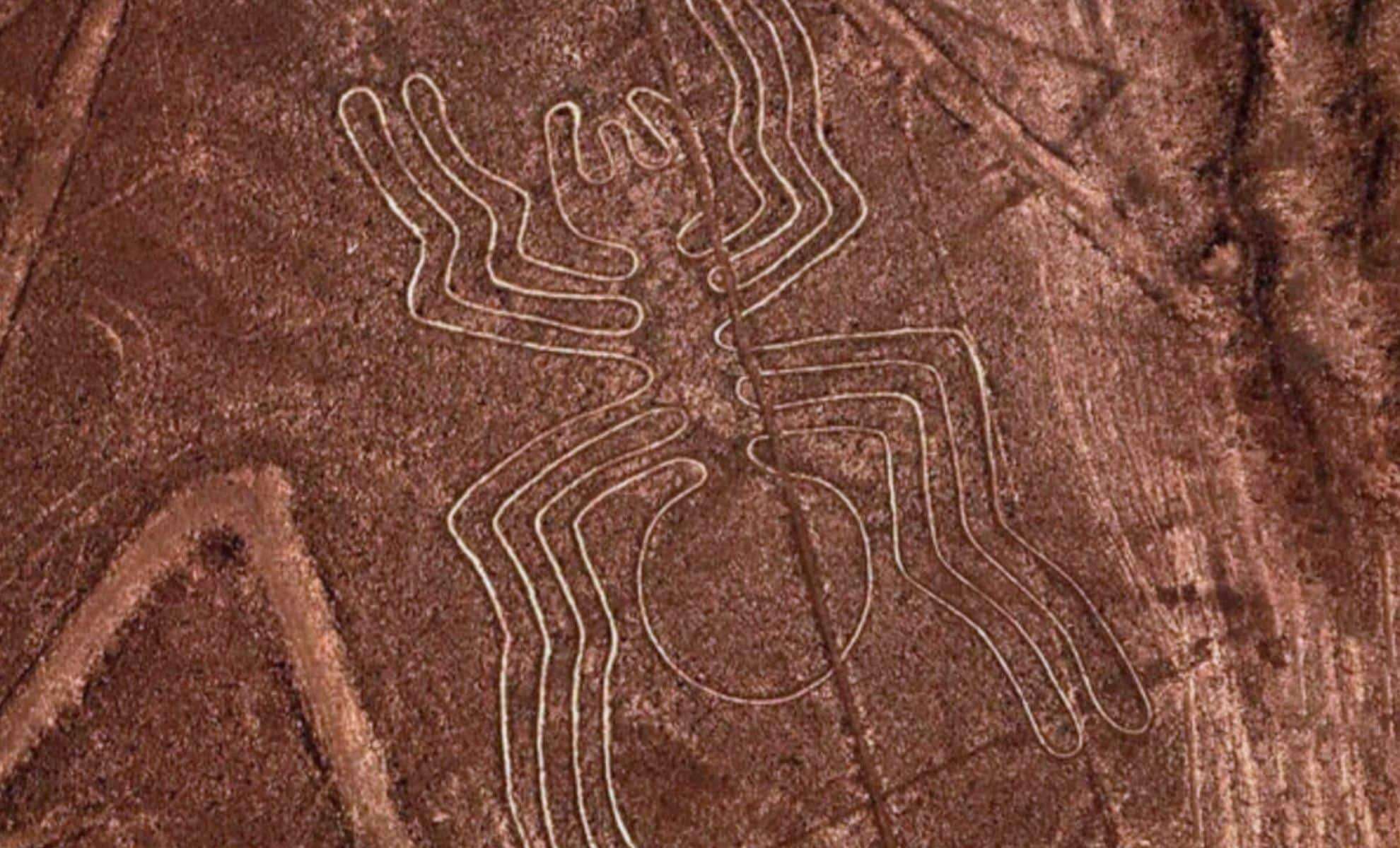
Within half a year, researchers from Yamagata University’s Institute of Nazca together with IBM uncovered an astonishing 303 new Nazca Lines geoglyphs in Peru’s arid coastal region, effectively doubling the amount previously known. Detailed in Proceedings of the National Academy of Sciences (PNAS) and confirmed by lead archaeologist Prof. Masato Sakai, this achievement represents one of the most rapid expansions in archaeological understanding of this UNESCO World Heritage Site.
These vast, ancient geoglyphs—etched in the desert between approximately 200 BC and 650 AD—feature stylized representations of animals, plants, and geometric shapes, with some designs extending over hundreds of meters. Previously, many of these elaborate forms remained hidden due to the sheer scale of the landscape and the constraints posed by traditional surveying techniques.
Artificial Intelligence Ushers in a New Era of Exploration
For over one hundred years, research into the Nazca Lines relied heavily on aerial photos, ground expeditions, and detailed manual charting. The current breakthrough was achieved by implementing AI models trained on thousands of aerial views, allowing detection of subtle lines and faint geometric patterns unrecognizable to observers.

The AI sifted through vast amounts of satellite and drone high-resolution images, identifying likely geoglyph candidates for in-person verification. “The speed of this survey was made possible by integrating AI technology,” Sakai noted. Each flagged site was then inspected by archaeologists on site to confirm findings and provide contextual understanding.
This newly revealed collection includes depictions of big cats, birds, aquatic creatures, and abstract designs, which are thought to have played roles in ceremonial rites, astronomical alignments, or territorial markers. The remarkable accuracy and symmetry of these vast images reflect the Nazca culture’s sophisticated mastery of geometry and spatial design.
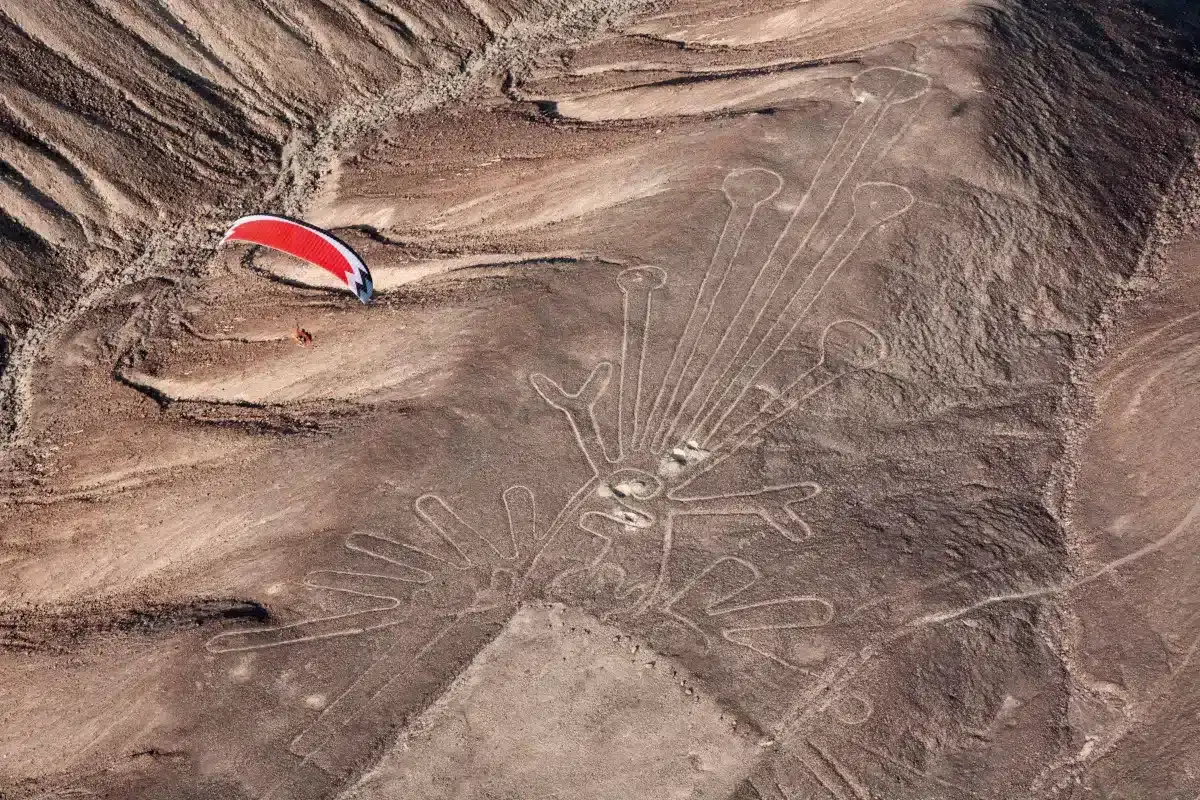
Insights Into Sacred Routes and Ceremonial Practices
Although speculation has ranged from cosmic calendars to alien messages, fresh evidence favors a more culturally grounded explanation. Sakai’s group suggests many newly identified figures were part of ritual paths used by the Nazca people for spiritual journeys connecting the divine and landscape.
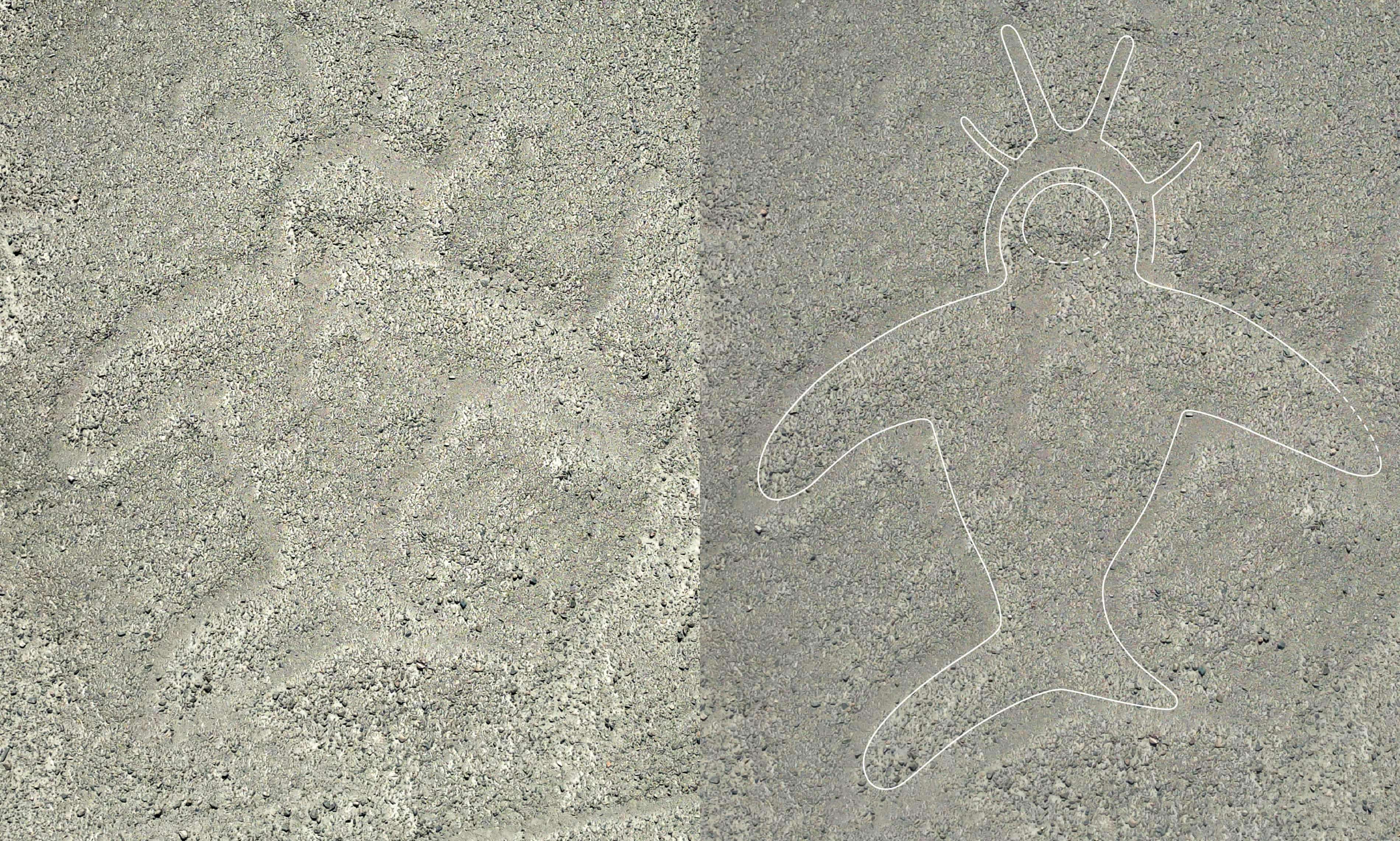
This interpretation builds on earlier work by Maria Reiche, the German astronomer and mathematician renowned for mapping and analyzing the precision of Nazca’s designs. The alignment, scale, and placement of these new geoglyphs support the theory that they form a cohesive, spiritual topography rather than random artistic creations.
Expanding Archaeology’s Horizons with AI Tools
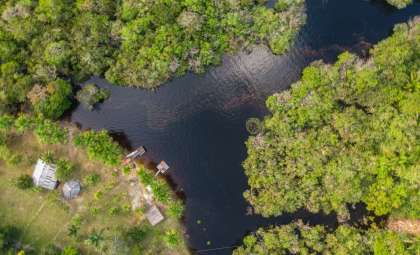
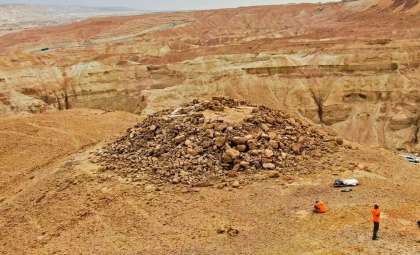
The Nazca discovery exemplifies a broader archaeological trend of integrating AI to unearth concealed historical treasures. AI-assisted efforts have tracked ancient burial mounds across Europe, located buried ancient communities beneath dense foliage, and identified sunken shipwrecks on the ocean floor. At the Saruq Al Hadid site in UAE, AI has been pivotal in analysing satellite data to map artifact concentrations, enabling targeted excavation.
Dr. João Fonte of ERA Arqueologia describes this shift as a “transformative boost in efficiency,” adding that projects which once took years can now be finalized in mere days. Coupled with remote sensing and photogrammetric techniques, AI offers unparalleled perspectives on ancient landscapes, allowing detailed reconstruction with extraordinary fidelity.
Balancing AI Innovation with Human Expertise
Despite AI-driven success, experts underline the enduring importance of archaeologists’ judgment. Dr. Alexandra Karamitrou from University of Southampton, who specializes in AI applications for archaeology, cautions that “AI is not flawless, particularly in archaeological contexts.” Every AI-identified location requires on-site validation to eliminate false positives.
Nevertheless, AI’s impact continues growing. Enhanced algorithms promise better preservation of endangered historic sites. In the case of the Nazca Desert, ongoing AI research expands the map of this enigmatic civilization, unveiling more about their rituals, cosmology, and artistic achievements dating back over 1,500 years.
- Categories:
- Science





0 comments
Sign in to Comment