
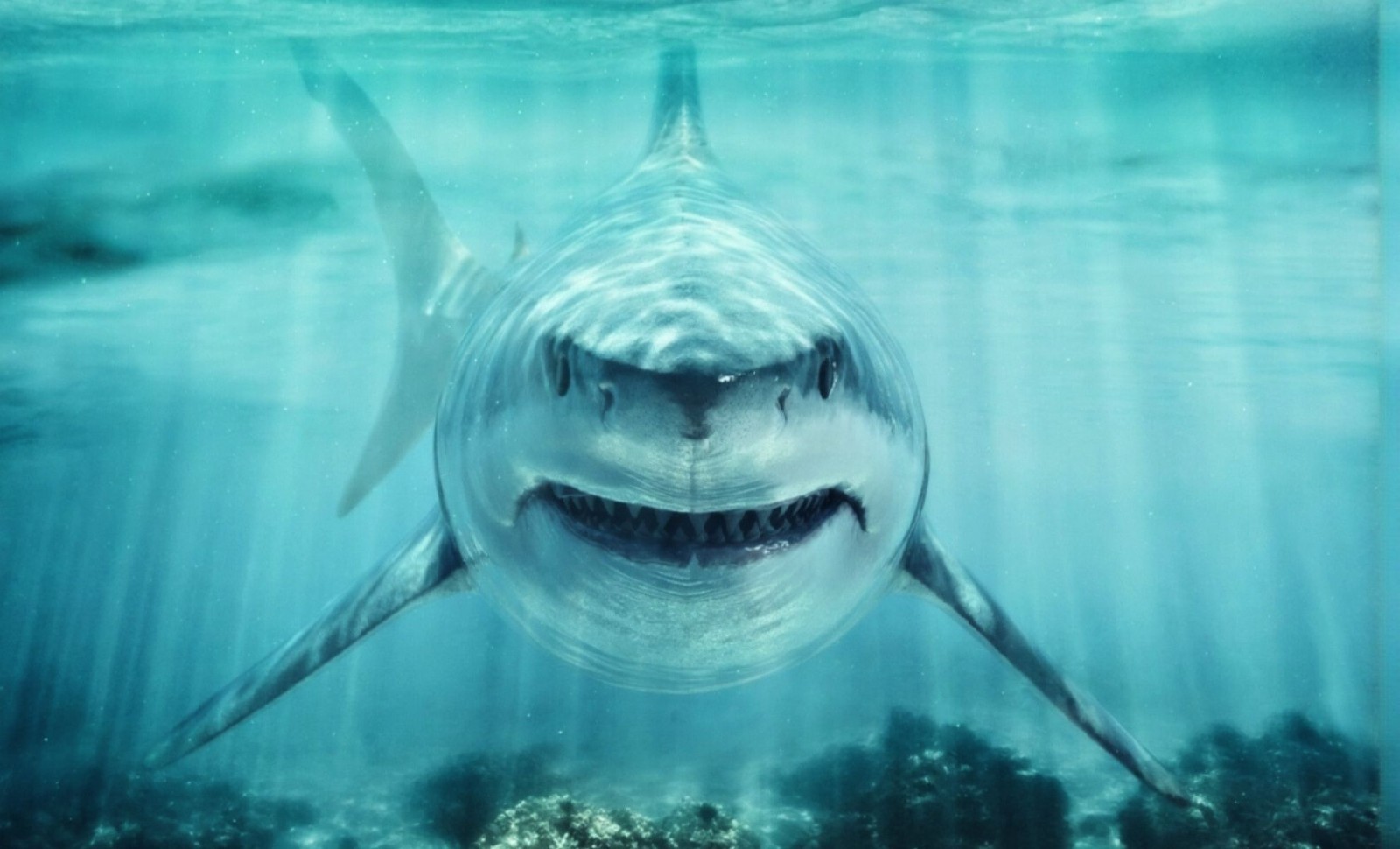
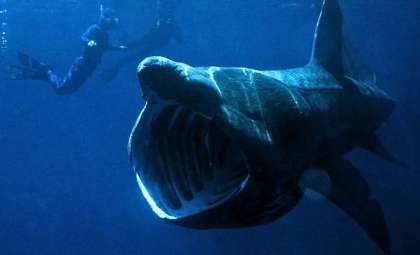
Approximately 115 million years ago, the marine environment near northern Australia was inhabited by a colossal shark species that challenges previous assumptions about prehistoric oceanic predators. The latest fossil evidence reveals that sharks achieved gigantic sizes much earlier than scientists had predicted, competing with massive marine reptiles during the Era of Dinosaurs for dominance.
Excavations close to Darwin, Australia—an area renowned for its abundance of ancient marine fossils—have unveiled remains proving that sharks reached impressive dimensions far sooner than previously believed. For decades, researchers assumed sharks of this magnitude evolved much later in history.
A Shark Larger Than Previously Known
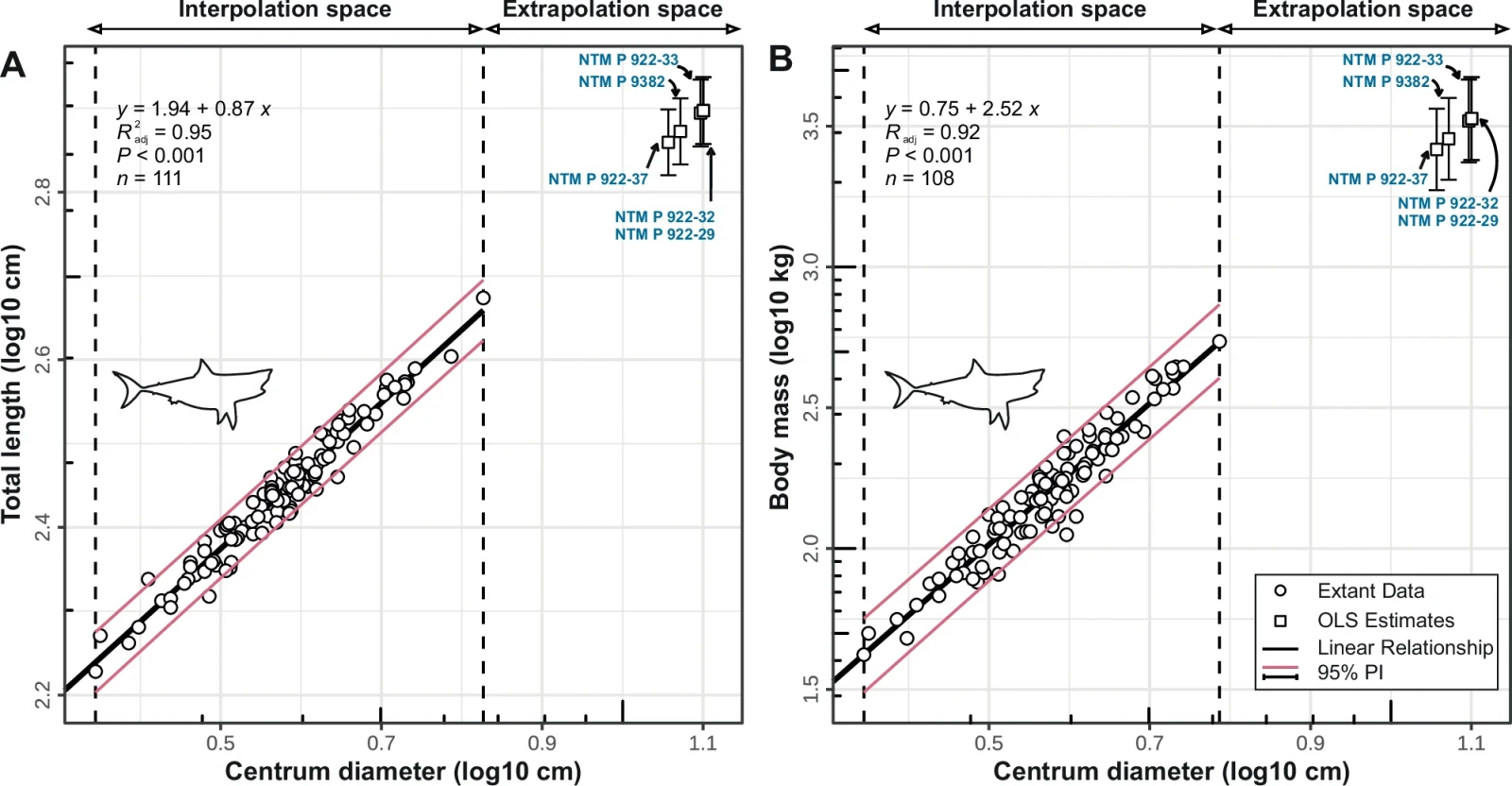
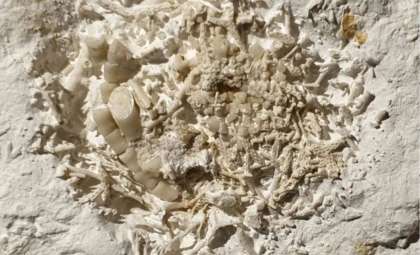
The recovered fossils, particularly the vertebrae, indicate that this shark considerably surpassed the size of today’s Great White sharks. The vertebral centra measured over 12 cm in diameter, significantly larger than the roughly 8 cm vertebrae typical of modern large sharks. These fossils belong to the group known as cardabiodontids, formidable apex predators that ruled the oceans about 100 million years ago.

Findings published in Communications Biology highlight that this specimen is 15 million years older than previously documented cardabiodontid fossils, indicating that enormous sharks thrived far earlier than expected. Imagining these immense sharks sharing the seas with creatures like the long-necked plesiosaurs adds a fascinating layer to our understanding of prehistoric marine ecosystems.
Contenders for Ocean's Apex Predator Position
These sharks inhabited waters alongside some of the most extraordinary marine reptiles ever discovered. Fossils from the Darwin region reveal that the oceans were populated by ichthyosaurs, sometimes referred to as “fish-lizards”, and plesiosaurs—dominant ocean giants. The new evidence suggests that apex predator roles in these ancient seas were hotly contested between sharks and marine reptiles alike.
This remarkable discovery opens avenues for further research and raises compelling questions about the interactions between these powerful sea hunters.
Did they compete directly for prey? Were they adversaries, or did they coexist peacefully? Though definitive answers remain elusive, these fossils offer a unique window into a complex prehistoric food web where sharks were already significant players.
The Importance of Vertebrae Fossils Beyond Teeth
Studying sharks is challenging due to their skeletons being composed of cartilage, which rarely fossilizes compared to bone. This explains why shark fossils primarily consist of teeth, which sharks continuously shed. However, discovering vertebrae like these is exceedingly rare and invaluable for scientists, allowing deeper insights into the anatomy and evolutionary history of ancient apex predators.
Sharks have been around for more than 400 million years, though ancestors resembling modern sharks only emerged about 135 million years ago. These Australian fossils demonstrate that even during that era, sharks were ascending to the impressive forms of today’s formidable hunters.
- Categories:
- Science




0 comments
Sign in to Comment