
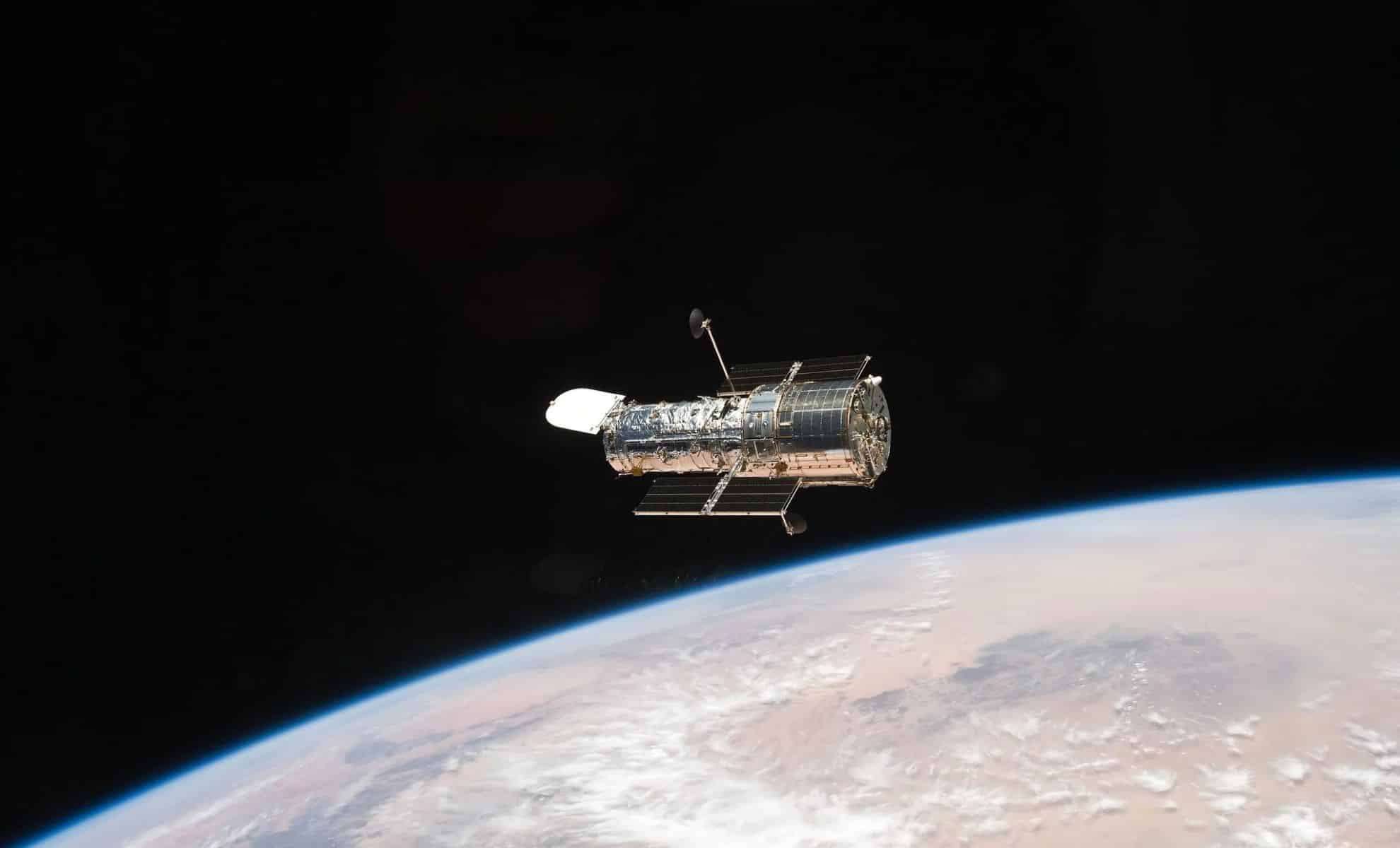
NASA’s Hubble Space Telescope has produced a striking image of the spiral galaxy NGC 4689, situated about 54 million light-years away within the constellation Coma Berenices.
Named after the legendary Egyptian Queen Berenice II, the constellation adds an intriguing historical dimension to this celestial find. Captured using Hubble’s Wide Field Camera 3, the image highlights the galaxy’s luminous core and sprawling spiral arms, rich with star-forming regions interspersed with dense dust lanes.
Insights from Hubble’s Image of NGC 4689
This detailed image showcases Hubble’s remarkable precision, revealing the complex anatomy of NGC 4689. It emphasizes vibrant star birth zones alongside darkened dust-filled areas. The galaxy’s radiant core glows intensely, contrasting the more diffuse brightness of its vast spiral arms extending outward.


As a component of the Virgo Cluster, an enormous grouping of galaxies, NGC 4689 offers important clues about galaxy growth and development within such dense environments. Hubble’s observations enable astronomers to dissect the star populations, their locations, and ages, shedding light on the galaxy’s evolutionary past.
How Hubble Advances Astronomy
Hubble’s ability to capture crisp images across diverse light wavelengths—from ultraviolet to visible—has been fundamental in pushing the boundaries of cosmic understanding. This multi-spectrum approach uncovers features invisible to other telescopes.
Regarding NGC 4689, these imaging techniques allow scientists to chart the spatial distribution of gas and stars, pinpoint zones bustling with newborn stars, and identify regions dominated by older stellar inhabitants. Matching this detailed data with models enhances our grasp on how galaxies transform over cosmic time.
Collaborative Strength with the James Webb Telescope
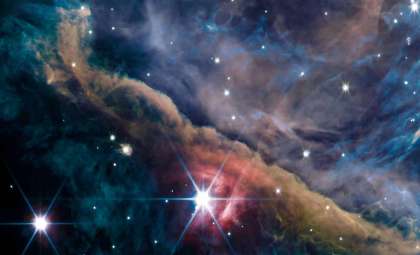
The joint efforts of the James Webb Space Telescope (JWST), launched in late 2021, perfectly complement Hubble’s data. While Hubble excels at capturing ultraviolet and visible wavelengths, JWST specializes in infrared observations, ideal for penetrating dust-obscured parts of galaxies. Together, they offer a holistic view of galactic phenomena.
Galaxies such as NGC 4689 benefit tremendously from this partnership: Hubble reveals detailed stellar structures and populations, while JWST uncovers hidden star-forming regions embedded in dust and analyzes cooler cosmic components. This collaboration deepens insights into the complex lifecycle of galaxies.
Upcoming Observation Initiatives
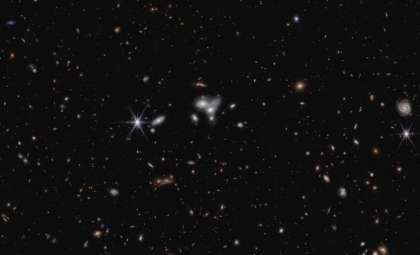
In 2024, Hubble’s mission includes deep-field studies aimed at examining the earliest phases of galaxy formation. These observations focus on cosmic regions teeming with galaxies at various evolutionary stages.
Notably, the Hubble Frontier Fields program targets galaxy clusters akin to the Virgo Cluster. Studying these groups allows astronomers to understand galaxy interactions and gravitational lensing effects, where massive objects bend and amplify the light from more distant galaxies, enabling detailed observations.
Looking Ahead in Galactic Exploration
The imagery and data from NGC 4689 exemplify Hubble’s ongoing vital role in advancing cosmic knowledge. Future studies will leverage combined observations from Hubble and JWST to probe galaxies with unprecedented detail. Integrating data from these observatories helps build a richer, more nuanced understanding of how galaxies form and evolve.
Galaxy clusters, consisting of thousands of galaxies, remain a prime research area; their immense scale provides a natural laboratory for exploring galactic evolution over billions of years. Hubble’s sharp imaging and JWST’s infrared vision will together unlock new insights into the fundamental forces shaping galaxies.






0 comments
Sign in to Comment