
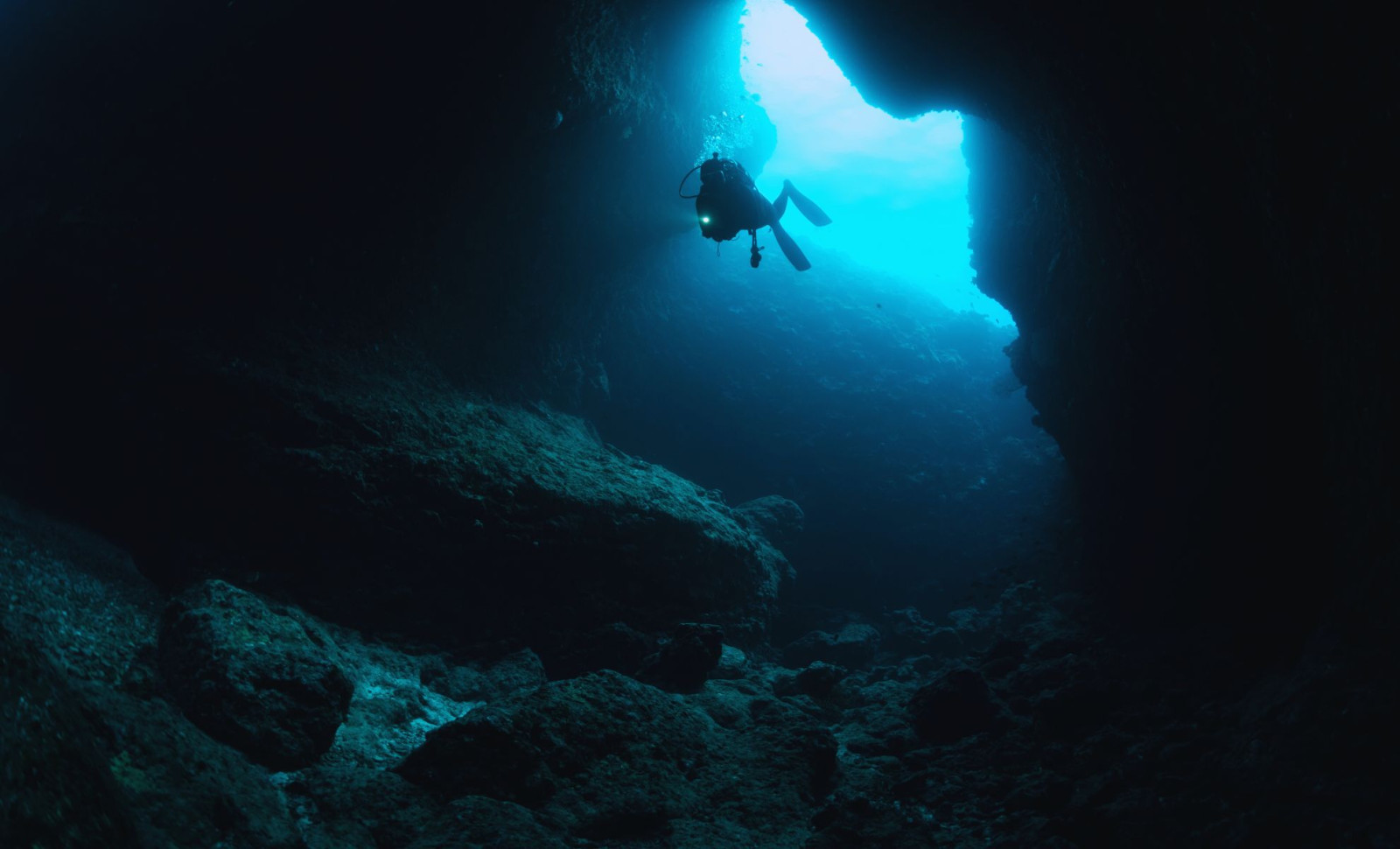
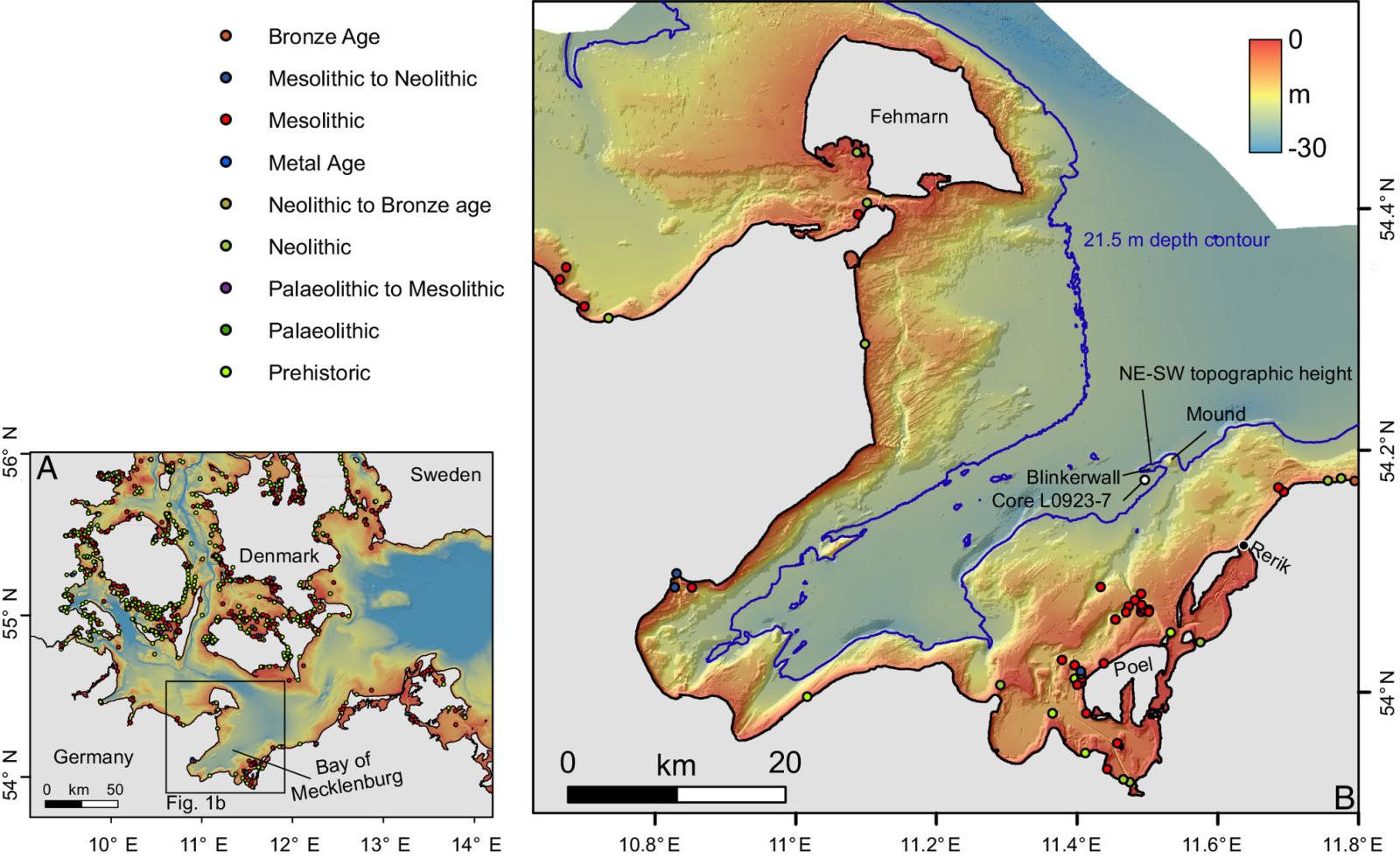
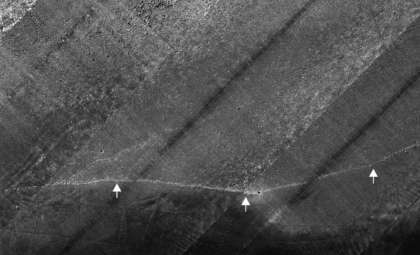
Scientists have identified a 3,000-foot ancient stone barrier submerged beneath the Baltic Sea. This remarkable relic, estimated to be older than 10,000 years, was stumbled upon during a university field expedition in northern Germany. The find occurred in the Bay of Mecklenburg where researchers from the University of Kiel were utilizing echosounder technology to explore the seabed. Initially puzzled by the feature, further analysis revealed the structure’s remarkable historical importance.
Believed to have been erected more than ten millennia ago, this wall is now considered among the earliest and most extensive hunting constructions from the Stone Age period.
An Unexpected Discovery with Historic Value
This submerged stone formation came to light unintentionally. While surveying the seafloor as part of a University of Kiel field course, students detected the prominent stone formation at approximately 70 feet depth. The research team was at first unsure of its nature.

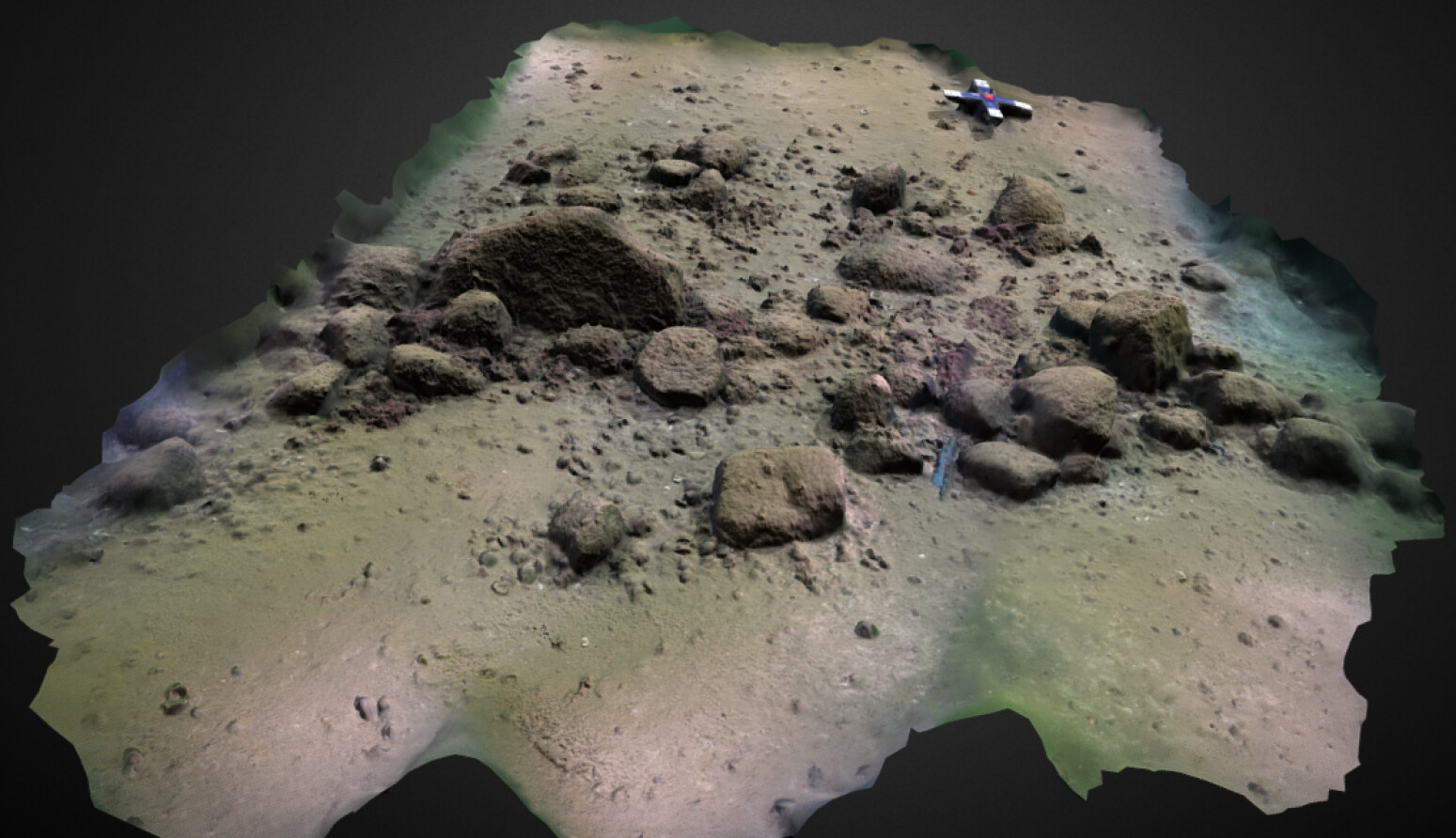
Closer examination soon confirmed that they had encountered “a fascinating find.” As detailed in a recent publication in The Proceedings of the National Academy of Sciences (PNAS), the wall extends over half a mile and comprises roughly 1,673 stones arranged in a purposeful manner. The precision of this arrangement strongly indicates deliberate human construction rather than natural geological processes. The lead researchers commented:
“It’s usually small stones—like tennis or soccer ball size—so movable stones,” he stated. “But then at some places where we have a large stone, the direction of the wall changes.”
The intentional placement of the stones led scientists to conclude the wall was built by early humans, not shaped by glacial or other natural phenomena.
Function as a Prehistoric Hunting Mechanism
Berit Eriksen, a prehistoric archaeologist affiliated with the University of Kiel, proposes the structure was likely designed to assist in reindeer hunting. Initially skeptical that it was a crafted hunting device, Eriksen became convinced by the evidence. Situated next to a submerged coastline with water alongside it, the wall’s position would have helped herd reindeer along the barrier towards a strategically positioned “shooting blind” where hunters could effectively capture the animals.
Reindeer are known to follow walls or barriers, making this stone structure an ingenious method to funnel them into confined zones. This technique would have enabled Stone Age hunters to trap numerous animals simultaneously, a vital strategy for enduring the era’s harsh environmental conditions. The discovery highlights the sophistication of early humans in manipulating their surroundings for survival.
Reevaluating Prehistoric Lifestyles
This wall stands as one of Europe’s oldest hunting installations and provides critical insight into prehistoric survival tactics. Ongoing analysis aims to enhance understanding of ancient travel routes, land use, and adaptive behavior in the region.
Jacob Geersen, a marine geologist spearheading the investigation, emphasizes the discovery’s potential to transform perspectives on prehistoric communities in the Western Baltic Sea area.
“It will become important,” the experts wrote, “for understanding subsistence strategies, mobility patterns, and inspire discussions concerning the territorial development in the Western Baltic Sea region.”
- Categories:
- Science






0 comments
Sign in to Comment