
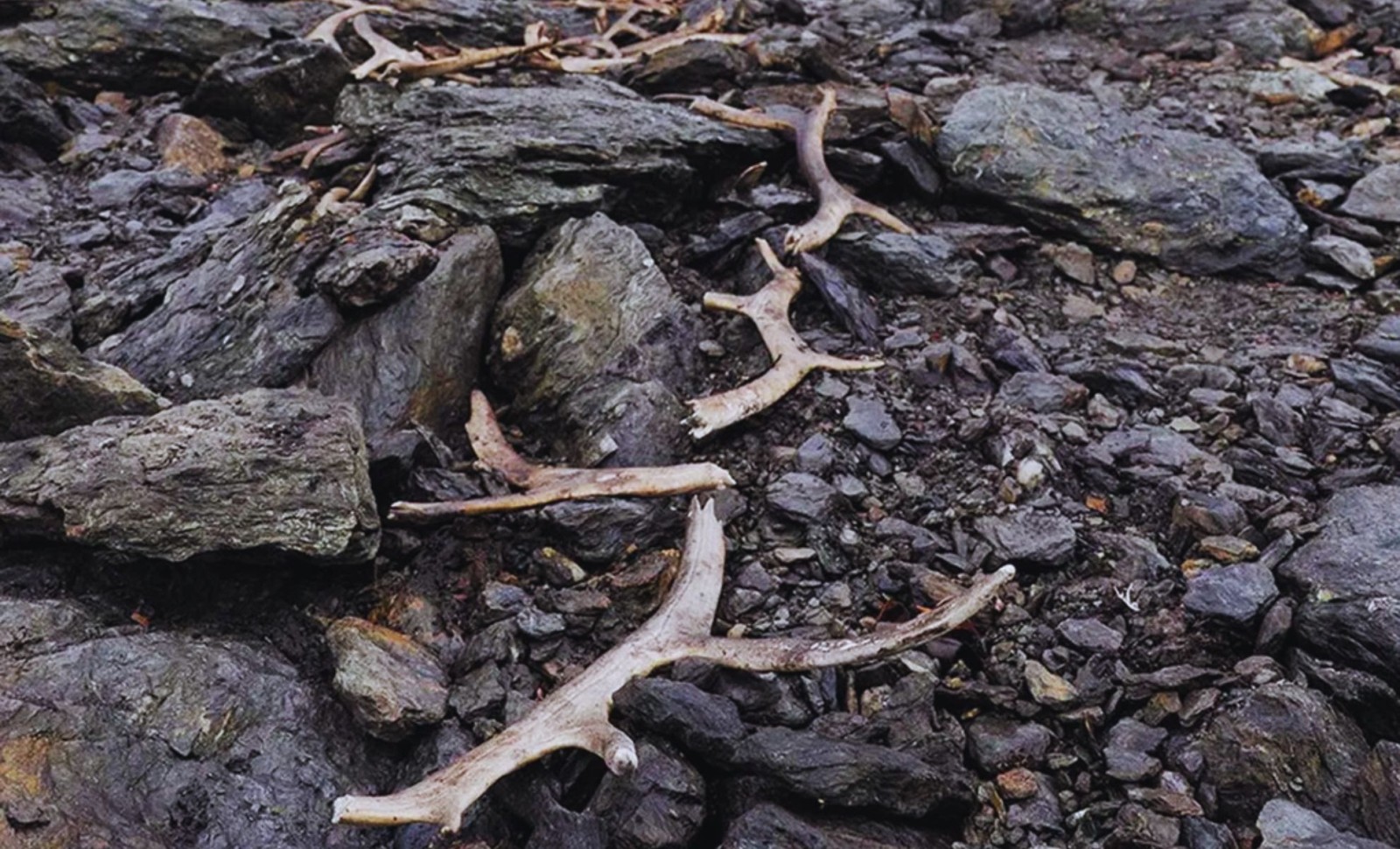
High in the Norwegian mountains, retreating ice has exposed a remarkable archaeological find: a reindeer trap dating back 1,500 years, discovered by a hiker in 2024. The University Museum of Bergen along with Vestland County collaborated on the detailed study of this site. Positioned nearly 4,600 feet above sea level, the location features extensive wooden fencing and exceptionally preserved hunting implements. Rising temperatures continue to unveil objects that have remained frozen for centuries.
Exceptional Discovery Amid Norway’s Mountain Peaks
Local outdoor enthusiast Helge Titland, famed for his talent in spotting artifacts, stumbled upon the site last year after finding several . This prompted an archaeological investigation led by teams from Vestland County and the University Museum of Bergen.
Researchers uncovered an impressively intact reindeer trap consisting of two expansive wooden fences designed to herd wild reindeer. As explained by Øystein Skår, an archaeologist from Vestland County, this structure is unprecedented in Norway and possibly across Europe. The trap dates back to the late Early Iron Age, a time when societies were becoming more intricate and organized.

Interestingly, the trap appears to have been deserted during a colder phase in the mid-6th century, likely causing hunters to abandon the site. The wooden logs and reindeer antlers were subsequently covered by snow and ice, preserving the site until modern climate shifts gradually exposed the relics.

Intriguing Artifacts: Ornate Oars and More
One of the most extraordinary finds at this site includes decorated oars, which might surprise many. Archaeologist Thomas Bruen Olsen from the University Museum of Bergen notes their elaborate designs, sparking curiosity about their original use in the mountainous setting.
“The most unexpected discovery is one or more oars decorated with detailed ornamentation. What these were used for, and why they were brought into the mountains 1,500 years ago, is still a mystery,” explained Øystein Skår, an archaeologist from Vestland County in the press release.
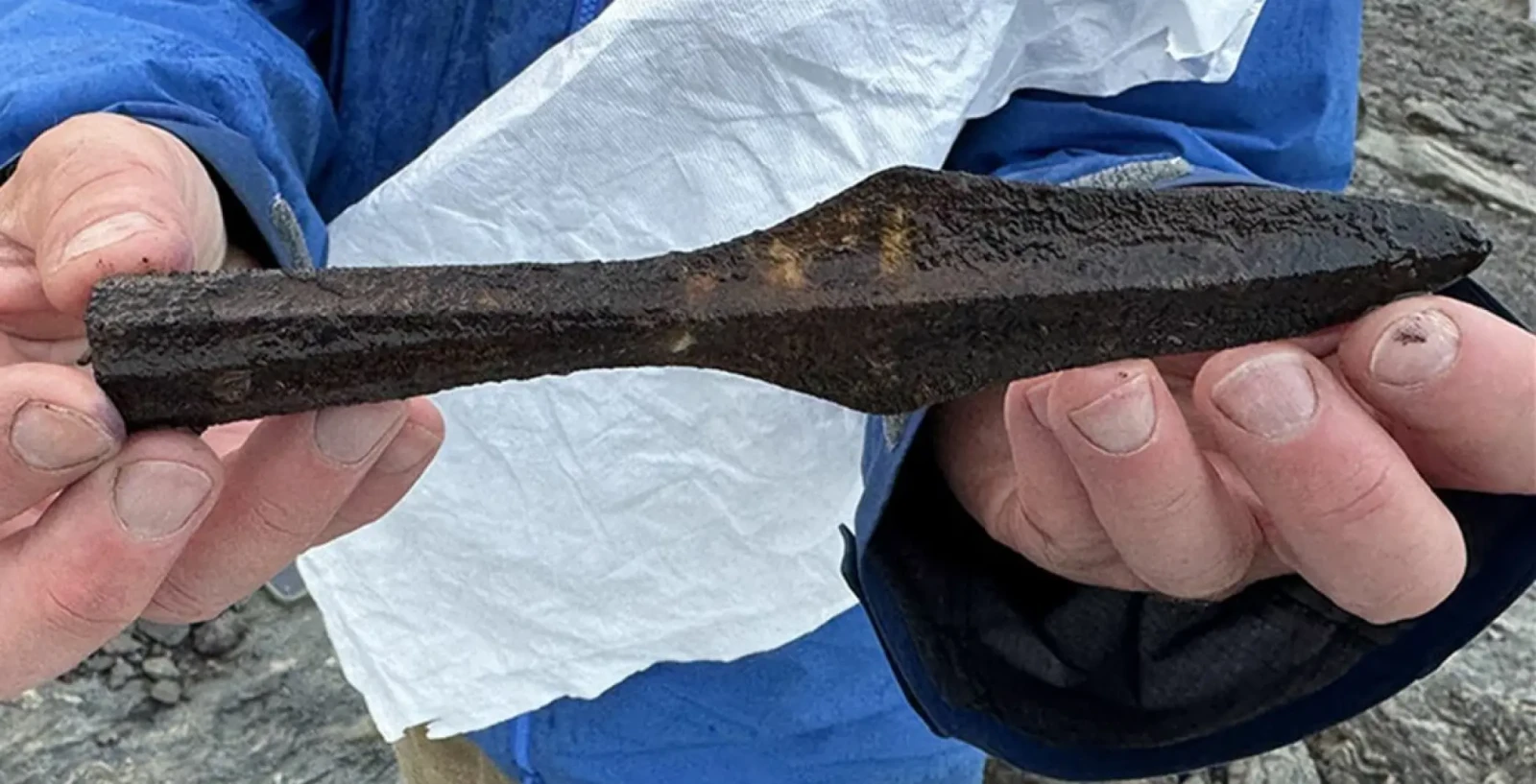
Other artifacts included a brooch crafted from reindeer antler, wooden arrows, and iron spearheads. While the purpose of the oars remains unclear, these items collectively provide insights into the daily lives of early hunters in Norway. The quality of craftsmanship indicates that reindeer hunting extended beyond subsistence, having cultural and social significance.
Reindeer Hunting’s Cultural Importance in the Early Iron Age
This trap and its findings highlight not only ancient hunting methods but also underline the importance of reindeer hunting within Iron Age social structures. Communities in Norway were increasingly affluent and organized at this time.
Fjord settlements prospered, with hunting playing a vital role in their economic wellbeing. According to Leif Inge Åstveit, archaeologist at the University Museum of Bergen, this trap may indicate how crucial wild reindeer were to these societies.
“And we now suspect that wild reindeer hunting played an even greater role than earlier believed,” he noted.
This discovery contributes to accumulating proof that reindeer hunting was a central activity in the Early Iron Age, likely influencing social status and community prosperity.
Uncovering History as Ice Retreats
While unearthing sites like this is exciting, it also spotlights concerns about how climate change threatens the conservation of historic records. As glaciers and ice sheets continue melting, archaeologists race to document artifacts before they degrade.
The relics recovered from this trap are now stored in controlled conditions at the University Museum of Bergen, undergoing careful drying and preservation. Skår stresses the urgency:
“One challenge now is that objects risk disappearing as people collect them. And once the ice melts further, any wooden material will decay quickly.”
- Categories:
- Science











0 comments
Sign in to Comment