
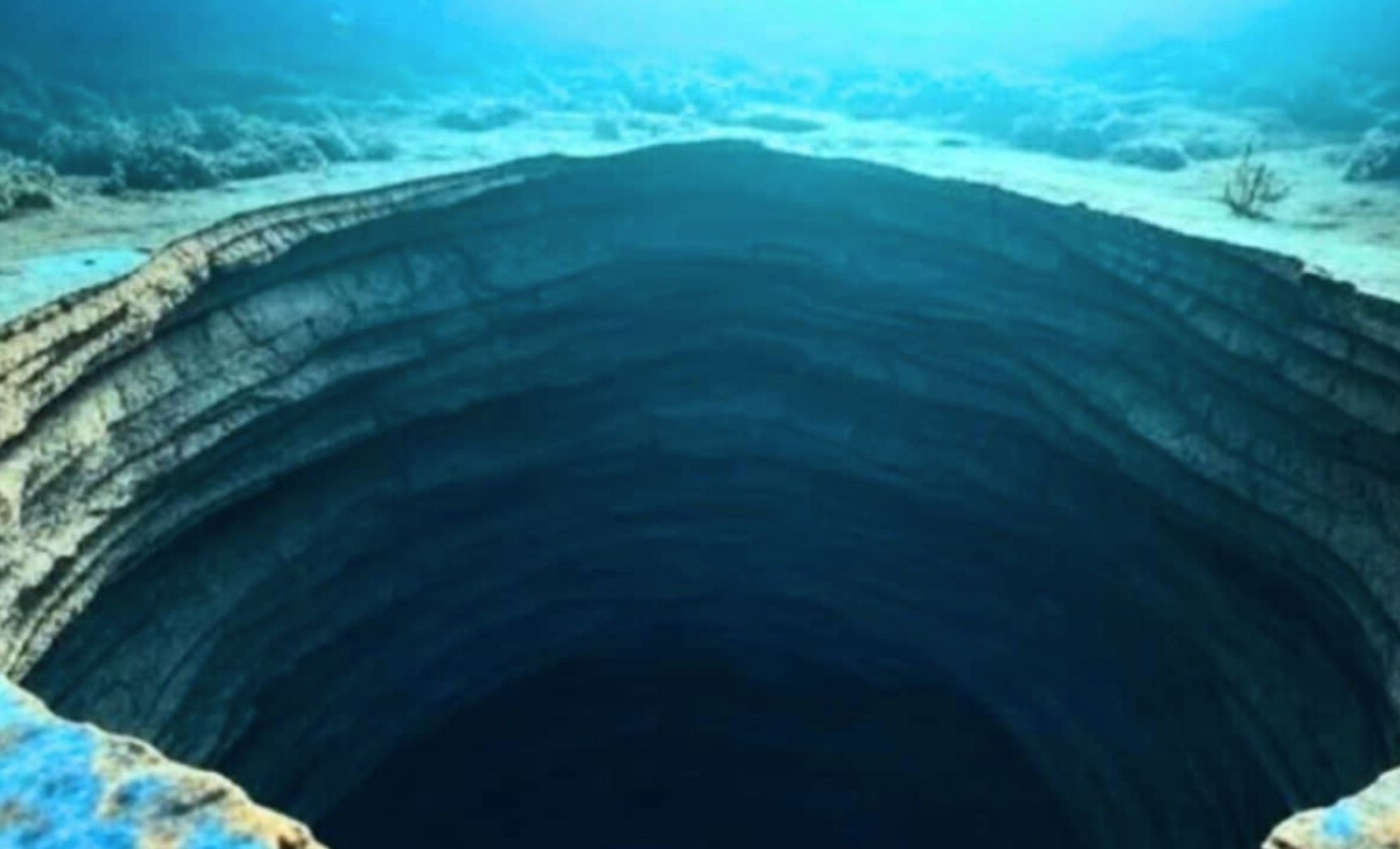
For six decades, a subtle geological anomaly recorded in old USGS archives hinted at an unusual presence beneath the Atlantic Ocean’s salty depths: freshwater hidden beneath the seafloor off New Jersey. The evidence was sparse, and the concept seemed improbable, so the idea was largely ignored.
Last summer, an exploratory drilling mission revisited this location. What researchers uncovered, buried hundreds of meters below the ocean floor and sealed by clay and silt strata, was not a small peculiarity but an immense freshwater reservoir with the potential to support a large city for many generations. This discovery has transformed a Cold War–era curiosity into a landmark hydrological breakthrough, exposing gaps in current regulatory frameworks.
The water dates back to the last ice age. It remains pristine, uncontaminated by modern pollutants, and lies just offshore from one of America’s most populated coastal regions, in waters outside individual state control and beyond existing freshwater extraction laws.

Mission 501
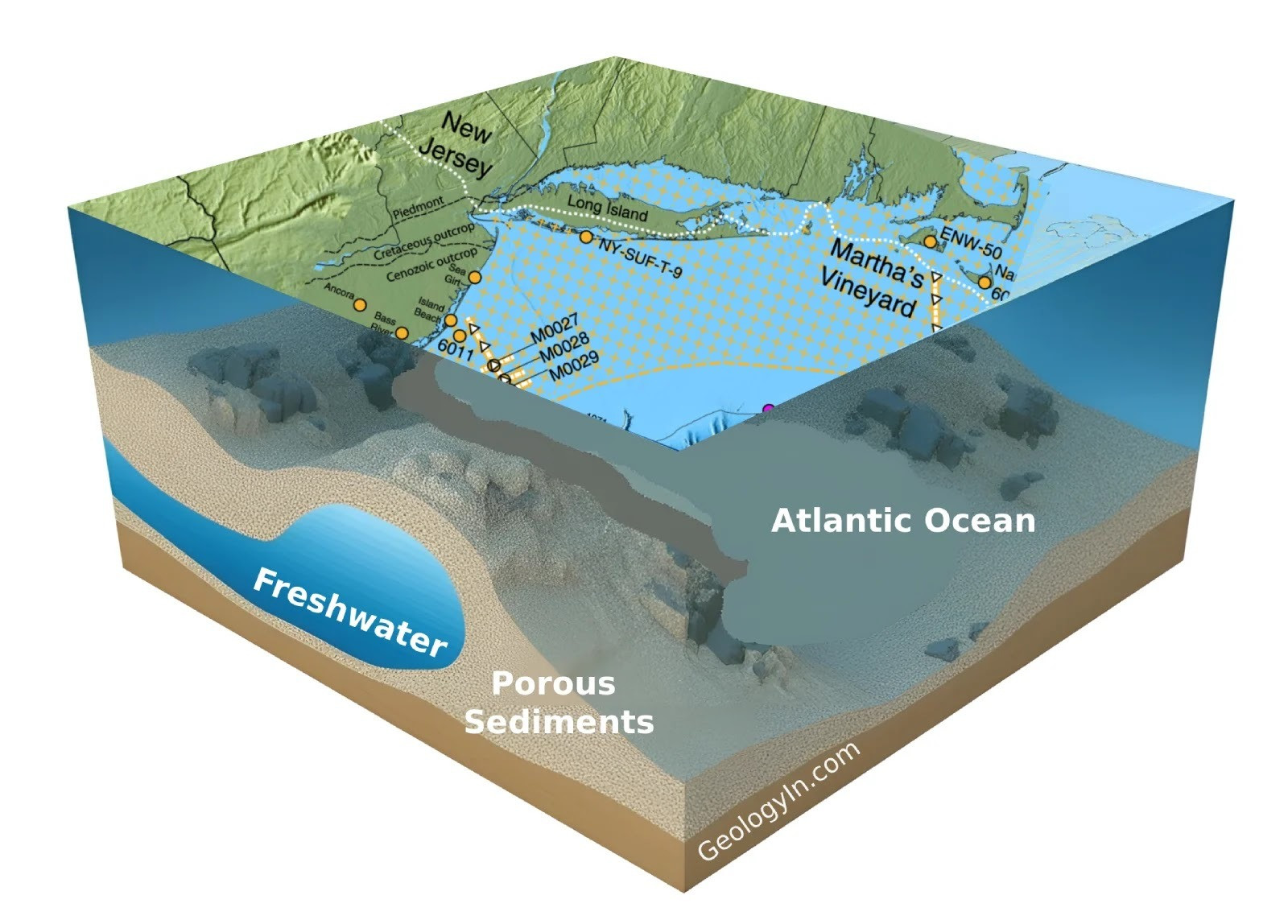
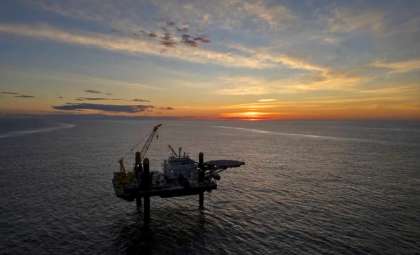
From May to August 2025, an international team aboard the liftboat L/B Robert drilled three exploratory wells off the coast of Massachusetts near Martha’s Vineyard and Nantucket. This operation, known as IODP³-NSF Expedition 501, recovered over 13,000 gallons of water from depths reaching 400 meters beneath the seafloor. Analyses confirmed an extensive freshwater reserve, trapped beneath an impermeable layer of marine clay and silt that isolates it from seawater above.
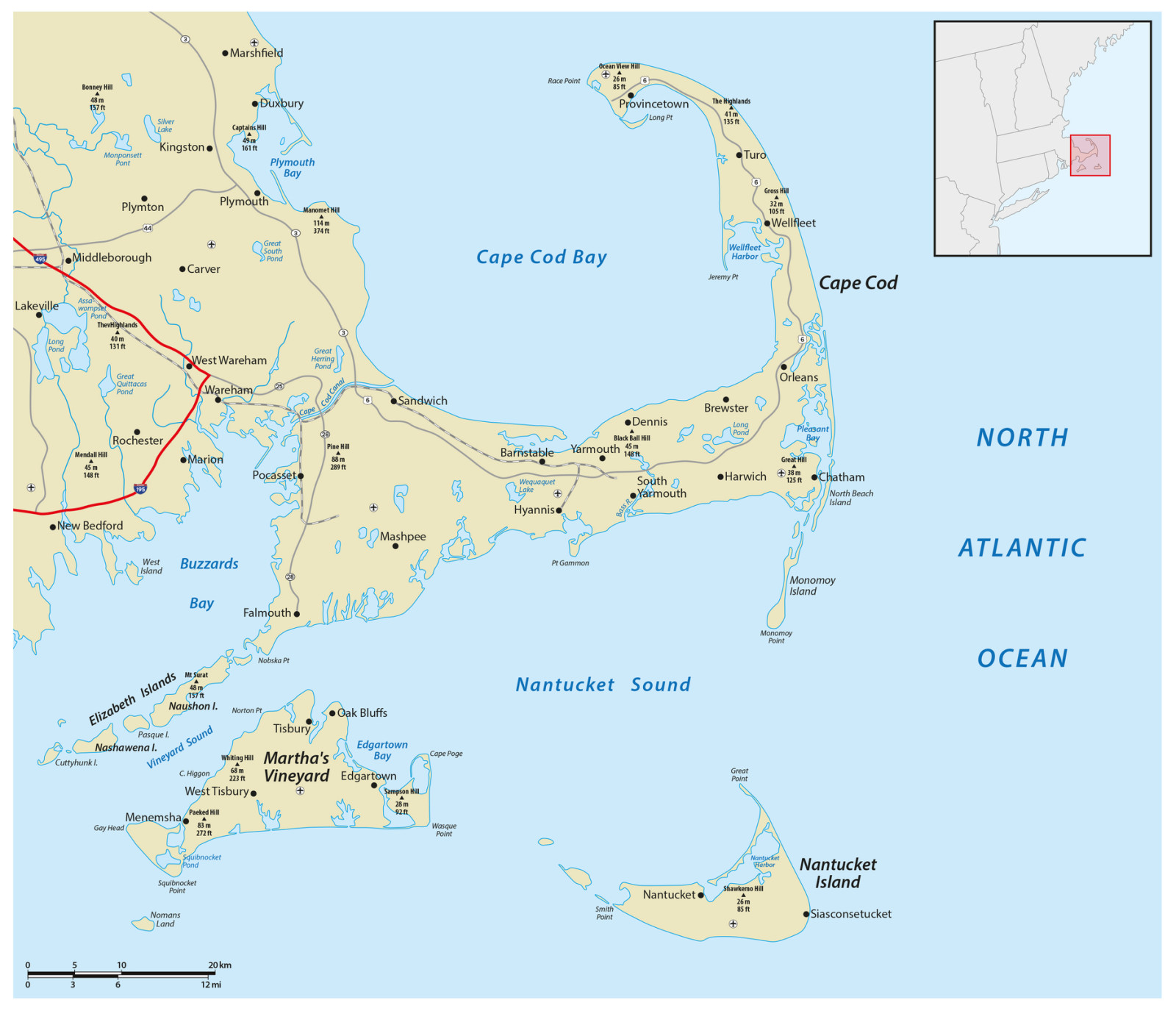
Salinity levels varied depending on proximity to the shore. At the location closest to Nantucket, water contained just one part per thousand of salt—well within safe drinking water limits. At the offshore point farthest away, salinity measured 17 to 18 parts per thousand, about half that of normal seawater. The expedition’s co-leader, Brandon Dugan, geophysics professor at Colorado School of Mines, highlighted the finding: “Discovering freshened water in varied sediment types, both marine and terrestrial, offers valuable insight into the processes that introduced this resource.”
This achievement culminates work dating back twenty years. In 2003, Dugan and Mark Person published research in the Geological Society of America Bulletin modeling how glacial meltwater might have infiltrated coastal sediments during the last ice age. Dugan reflected in an interview with Live Science: “This project has been a lifelong ambition.”
Preserved from the Pleistocene Era
Current isotopic and noble gas data support the hypothesis that the reservoir formed during the last glacial maximum, around 20,000 years ago. At that time, sea levels were substantially lower, exposing the continental shelf. Vast ice sheets pressed down on the region, forcing meltwater deep into sediment layers. As glaciers receded and ocean levels rose, marine clay layers sealed these aquifers, protecting the freshwater below.
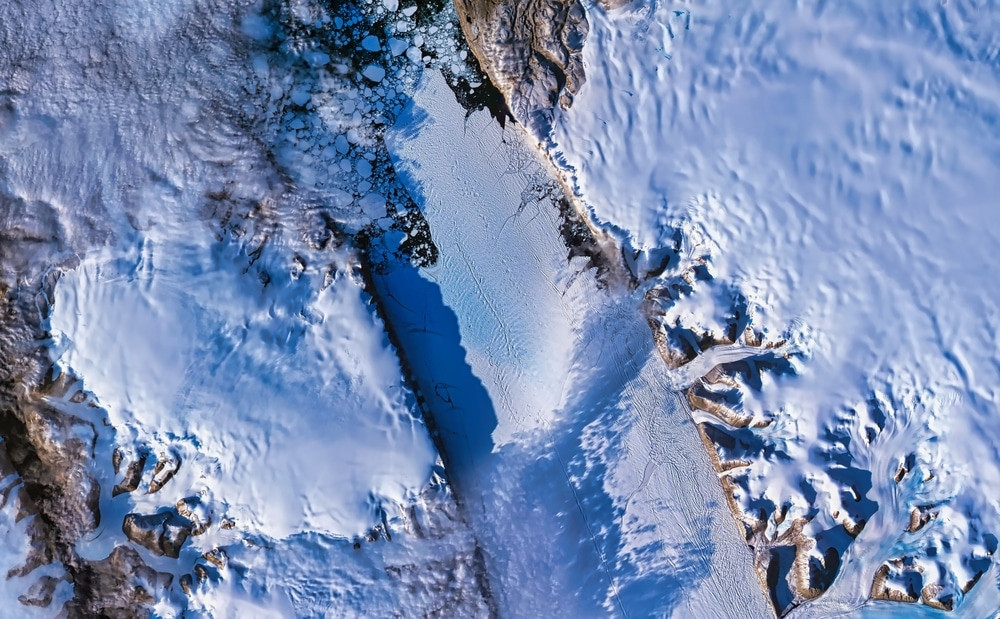
Dugan elaborated on current understanding: “New England’s coastal landscape lacks tall mountains, so rainfall likely also contributed alongside glacier melt. The system may be a hybrid of various freshwater sources.”
The integrity of the reservoir depends on the sedimentary seal. Dugan explained: “A protective layer prevents seawater above from mixing with freshwater beneath. The force that delivered the freshwater was powerful enough to penetrate the seal initially.”
Source Free of Modern Pollutants
The water’s ancient origin means it predates the industrial era and its contaminant burden. René Price from Florida International University told Newsweek: “Being potentially thousands of years old, this subsea aquifer is likely free from synthetic industrial pollutants.”
However, isolation also has drawbacks. Holly Michael, director of the Delaware Environmental Institute and a project participant, cautioned: “The water has dissolved minerals from surrounding rocks over time, so it likely contains high solute concentrations and would need treatment before consumption.”
Regulatory Frameworks Yet to Catch Up
This massive subterranean resource falls entirely within the U.S. Exclusive Economic Zone, an offshore region where the federal government controls resource rights but has never managed freshwater reserves. No existing laws oversee the extraction of underwater aquifers; no permits or environmental protocols are established, and there is no legal guidance on how such operations would integrate with current offshore drilling regulations.
Dugan emphasized the policy void: “With these resources located offshore in federal waters, we must create new governance systems for water rights and management not previously needed.” Science has outpaced legislation: the resource and technology exist, but legal standards do not.
Challenges for Sustainable Extraction
Even with clear regulatory frameworks, technical hurdles remain. Precisely quantifying the reservoir’s size requires detailed modeling of sediment porosity, composition, and connectivity across a vast region that might extend from New Jersey to Maine. This work continues at the Bremen Core Repository in Germany, where samples are being analyzed for pore space and microbial activity.
Extracting freshwater from beneath the seafloor is complex. Conventional groundwater pumping techniques cannot be applied directly. Extraction must mitigate risks such as sediment collapse, saltwater contamination, and harm to deep-sea ecosystems. The exploratory boreholes from Expedition 501 were designed for temporary access; Dugan noted: “Once drilling equipment is removed, the holes naturally seal themselves.” Establishing permanent infrastructure for commercial water withdrawal would involve unknown environmental effects that have yet to be fully explored.
- Categories:
- News









0 comments
Sign in to Comment