
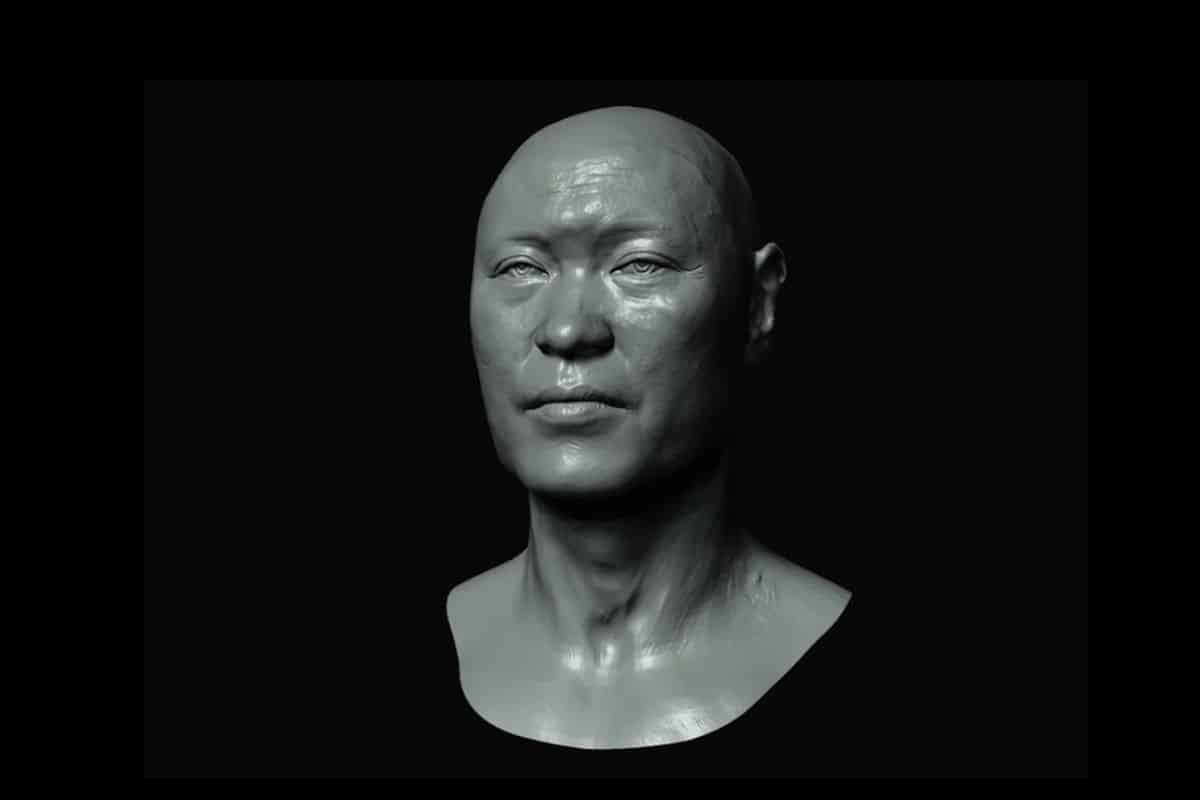
A remarkable new facial reconstruction has resurrected the visage, weaponry, and protective gear of a late Stone Age fighter who lived 4,000 years ago in Siberia. Unearthed in 2004, the warrior’s tomb offers exceptional insight into ancient times, showcasing a sizable shield, bow, and arrowheads alongside his remains.
Unearthing the Burial Site
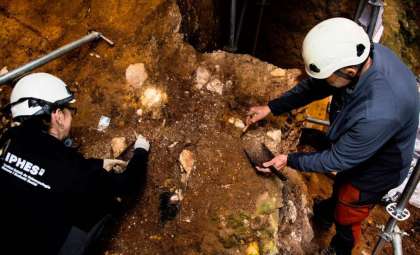
The warrior’s skeleton was found close to the ground’s surface, a fortunate circumstance for the team of archaeologists. Excavations exposed arrow tips and fragments of a bone shield, as well as remnants pointing to a decayed bow.
The shield, likely made by assembling animal bone plates, suggests the warrior was equipped for protection in combat. Radiocarbon techniques dated the burial to approximately 4,000 years ago. The grave also contained human bone fragments.
This finding has prompted theories about possible funerary rituals, including ritual sacrifice or cannibalism, although the archaeological team has not confirmed these practices conclusively. The presence of these bone fragments opens intriguing questions about the customs of the Ymyyakhtakh culture.

Insights into the Warrior’s Life
The reconstructed figure portrays a man approximately 5 feet 5 inches (165 centimeters) tall, who died between the ages of 40 and 50. This is noteworthy since individuals in the late Stone Age rarely lived past their 30s due to difficult conditions and the lack of modern healthcare. His bones exhibit signs of healed wounds, indicating a physically demanding and hazardous lifestyle.
The shape of his skull and facial traits connect him ethnically to Siberia’s Arctic populations. Created through photogrammetry, the reconstruction was unveiled in 2023. Live Science reports the depiction “shows the Ymyyakhtakh warrior carrying a large shield on his back or nearby, alongside a bow and arrow.”
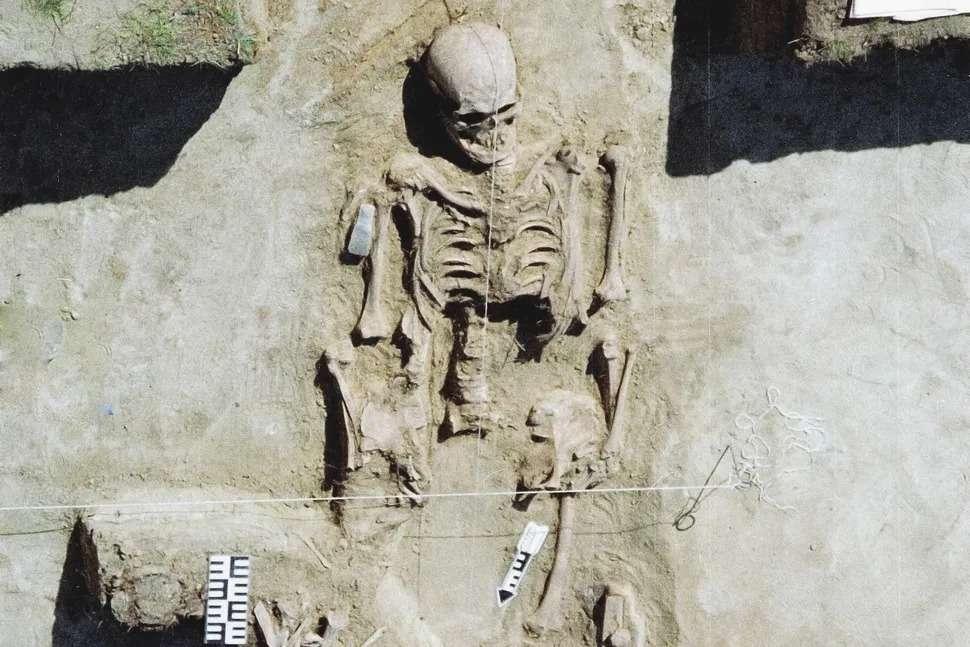
The Kerdugen burial belonged to a man aged between 40 and 50, interred about 4,000 years ago with his weapons, shield, household items, and pottery.
Weapons and Protective Gear
A standout feature of the burial was the shield, reconstructed from animal bones, probably sourced from an Altai wapiti, a species of elk. The bone plates were affixed to a leather backing, creating a strong protective surface for combat use.
Arrowhead shards embedded in six shield plates indicate it was effective in defending the warrior against attacks.
This reconstruction highlights the craftsmanship prowess of the Ymyyakhtakh people, demonstrating their skill in fashioning both practical and elaborate tools and armor from available natural materials.
The Ymyyakhtakh Community
The man belonged to the ancient Ymyyakhtakh culture, a group of mobile hunter-gatherers who adapted to Siberia’s challenging climate.
Unlike some Neolithic societies that transitioned to farming, the Ymyyakhtakh retained their hunter-gatherer lifestyle, utilizing sophisticated tools, weapons, and materials to thrive.
Archaeological finds of unique pottery and other artifacts associated with the Ymyyakhtakh culture provide additional understanding of their everyday life and practices.
- Categories:
- Science








0 comments
Sign in to Comment