
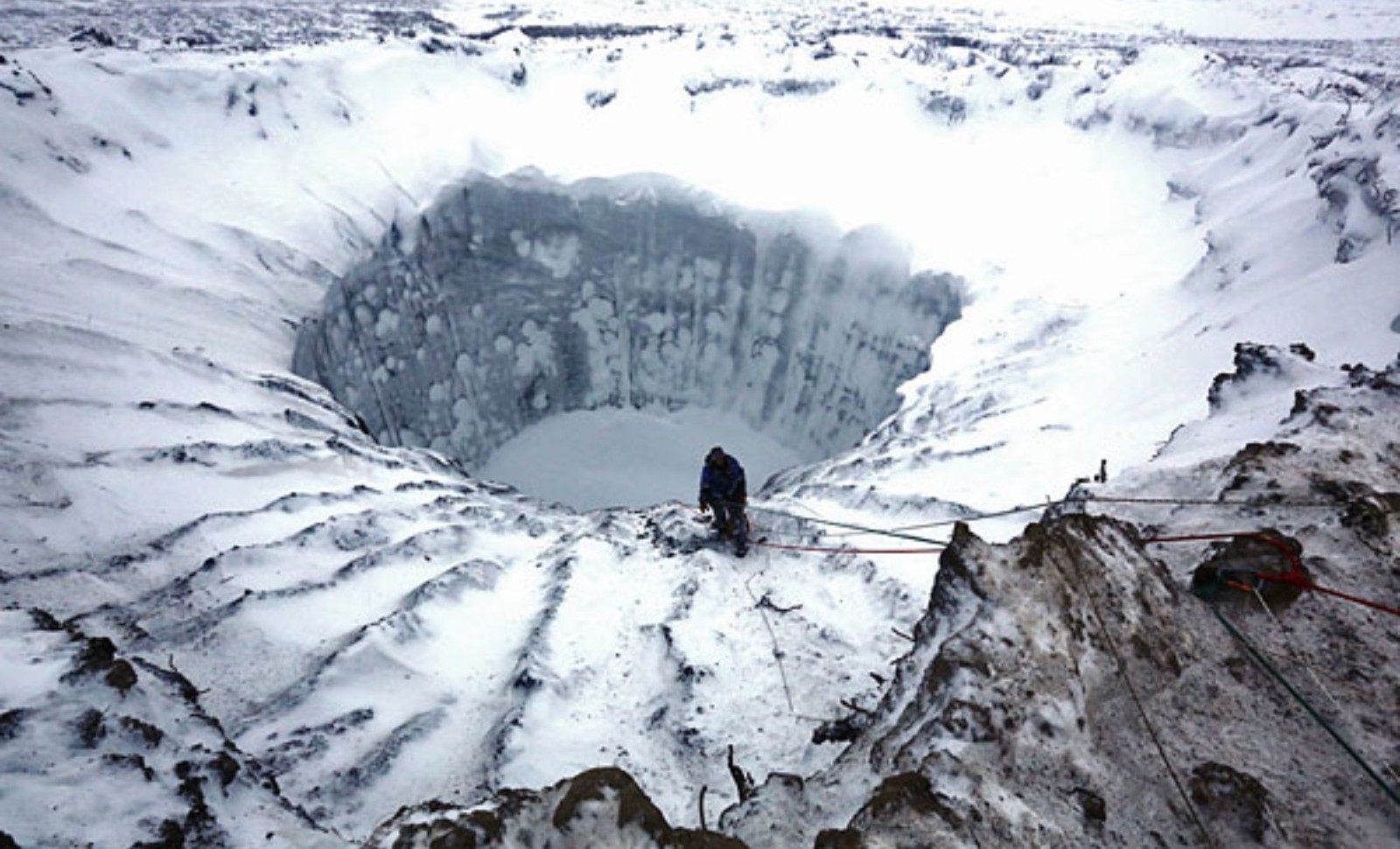
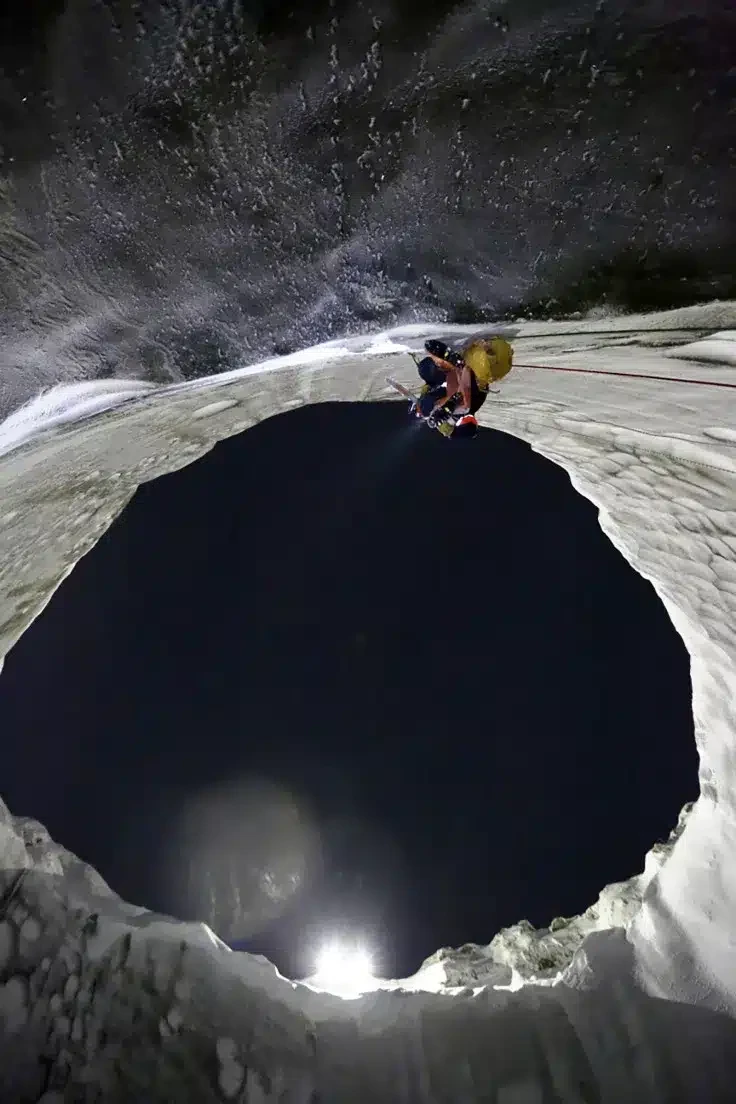
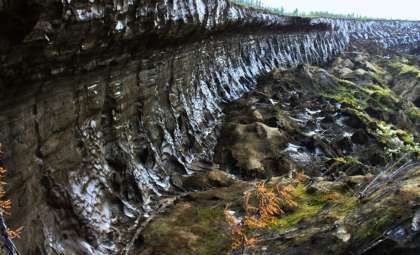
Russian scientists have successfully descended to the base of one of Siberia's enigmatic craters for the first time. The expedition involved navigating icy terrain and subzero temperatures to collect vital data and analyze samples from a depth exceeding 16 meters.
These vast craters garnered attention in mid-2024 when a helicopter pilot's aerial snapshots revealed enormous circular depressions in Siberia’s remote landscape. The largest crater lies far from accessible regions, where extreme environmental conditions prevail, triggering widespread curiosity about their origin.
Winter Conditions Enable Safe Access
As reported by International Business Times, the researchers waited for temperatures to fall to -11°C before entering the crater safely. Warmer seasons transform the depression’s base into a muddy sinkhole due to runoff, making exploration impossible. Only after the water solidified into ice could the team descend fully.

The exploration uncovered a frozen lake beneath the 16-meter pit, estimated to be at least 10.5 meters deep. These findings, alongside evidence of internal gas pressure, lend support to hypotheses that suggest sudden eruptions of subterranean methane are breaching the permafrost.
Geothermal Anomaly at Fault Intersection
The crater’s location at the junction of two tectonic fault lines—noteworthy given the area's usual seismic tranquility—was highlighted by the same source. Despite minimal earthquake activity, scientists recorded elevated temperatures beneath the crater’s floor, suggesting intriguing thermal processes at work.
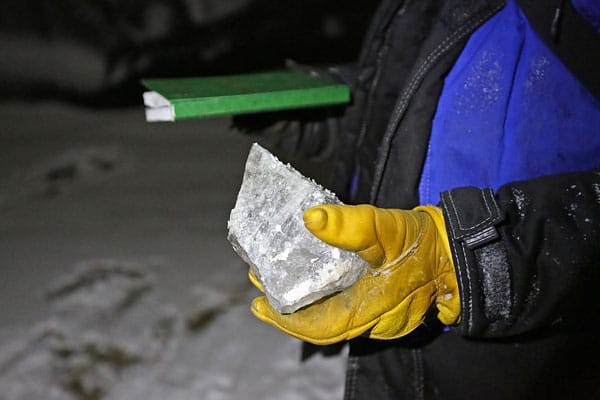
“We took all the probes we planned, and made measurements,” said Vladimir Pushkarev, director of the Russian Centre of Arctic Exploration. He added “Now scientists need time to process all the data and only then can they draw conclusions.”
Reviewing Historical Data to Understand Crater Formation
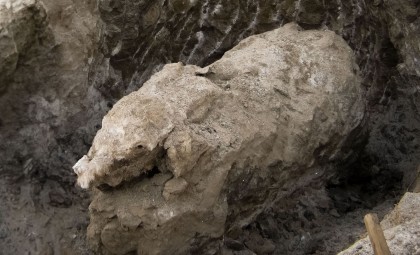
To determine if these craters are recent phenomena or part of a longer-term pattern, experts are examining satellite imagery dating back to the 1980s. Their goal is to identify whether similar formations have occurred unnoticed in these isolated areas.
Pushkarev emphasized that thoroughly analyzing all collected samples and archival images will require time. Meanwhile, he advises the public and media to avoid premature conclusions until the data has been fully assessed. He clarified:
“As of now we don’t see anything dangerous in the sudden appearance of such holes, but we’ve got to study them properly to make absolutely sure we understand the nature of their appearance and don’t need to be afraid about them,” Pushkarev said.
As highlighted by ScienceAlert, this marks the inaugural expedition to the crater’s bottom, potentially confirming or challenging the prevailing theory that methane accumulation beneath thawing permafrost is responsible for these sudden ground ruptures.
- Categories:
- Science



0 comments
Sign in to Comment