
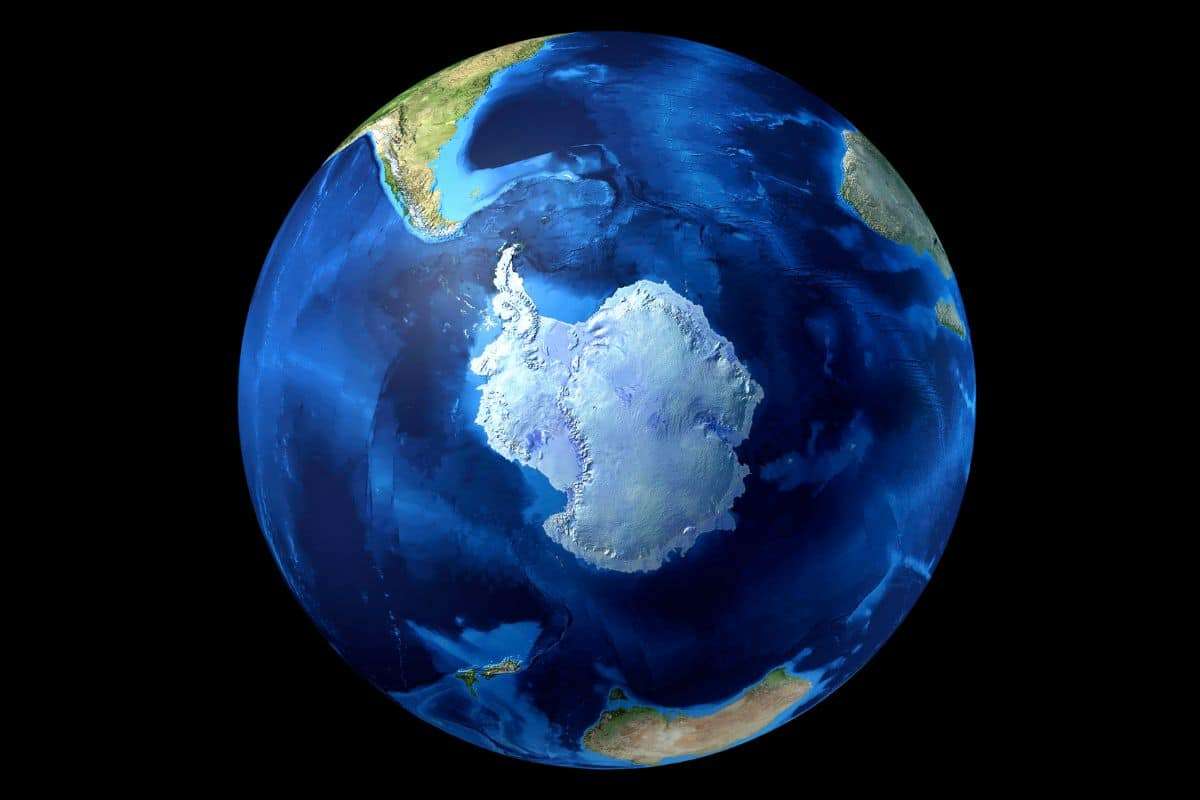
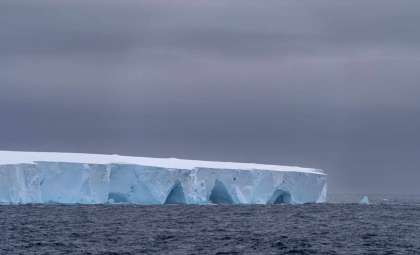
The Antarctic Circumpolar Current (ACC), Earth's strongest oceanic flow, is experiencing a significant slowdown triggered by the accelerated melting of Antarctic ice. Researchers estimate this current could diminish by up to 20% by mid-century, potentially disrupting climate systems globally, exacerbating extreme weather, and harming marine biodiversity. The weakening current may also facilitate the spread of invasive species into Antarctic waters, risking the delicate ecological balance there.
The Role of the Antarctic Circumpolar Current
The ACC functions as a vast ocean conveyor belt, circulating water between the Atlantic, Pacific, and Indian Oceans. It surpasses the Gulf Stream in strength by more than four times, playing a pivotal role in regulating the Earth’s climate by distributing heat, carbon, and nutrients worldwide. This current is essential for maintaining stable weather and sustaining oceanic ecosystems.
Melting ice releases huge volumes of freshwater, which alters the density-driven mechanisms fueling the ACC, weakening its flow. Experts from the University of Melbourne and NORCE Norway Research Centre caution that, under high emissions scenarios, this slowdown will significantly reshape global ocean currents and climate.

Causes Behind the Decline
Advanced ocean and sea ice computer models confirm that the input of freshwater reduces the salinity and density of the Southern Ocean, lowering the power behind the ACC’s circulation.
Researchers including Dr. Taimoor Sohail and Associate Professor Bishakhdatta Gayen highlight that “the ocean is an intricate and delicately balanced system. Should this current's driving force falter, it could trigger severe effects such as increased climate instability, harsher weather extremes, and accelerated global warming due to a diminished oceanic carbon uptake.”
Disruptions to this circulation may also impair deep ocean currents, threatening marine life by destabilizing ecosystems that depend on these flows for nutrient and energy distribution, from fish communities to complex food webs.
Invasive Species Threat in Antarctic Waters
Besides climate impacts, the diminished ACC could allow non-native species to encroach on Antarctic marine environments. Typically, the strong current functions as a barrier against such intrusions.
If the flow weakens, species like kelp-transporting rafts, shrimp, and mollusks may reach Antarctic coastal zones, upsetting local ecosystems. Scientists warn these newcomers might outcompete native organisms, endangering species such as penguins, krill, and regional fish that rely on stable environmental conditions.
From Expected Strengthening to Unexpected Weakening
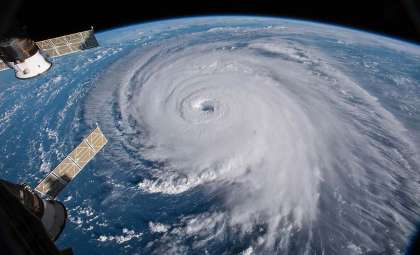
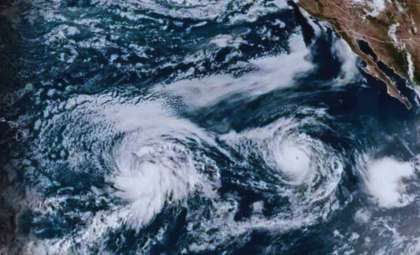
Previously, climate models anticipated that the ACC would accelerate with warming, due to increased temperature gradients between equator and poles. Yet, recent high-resolution modeling reveals the dominant effect of melting ice in reducing the current’s strength, overturning earlier forecasts.
This surprising outcome underscores the complexity of climate systems and the importance of accounting for fine-scale ocean dynamics in predictions.
Mitigating the Downturn
The only way to halt or slow the ACC’s decline is to control global warming effectively. Dr. Sohail warns that if carbon emissions stay unchecked, the current will continue to weaken, even under less severe climate scenarios.
The 2015 Paris Agreement target to limit temperature rise to 1.5°C above pre-industrial times is critical, though recent findings suggest this limit has likely been surpassed already. “Many experts agree we’ve reached that threshold, with future warming expected, leading to further Antarctic ice melt,” explained Dr. Sohail.
- Categories:
- Climate change






0 comments
Sign in to Comment