
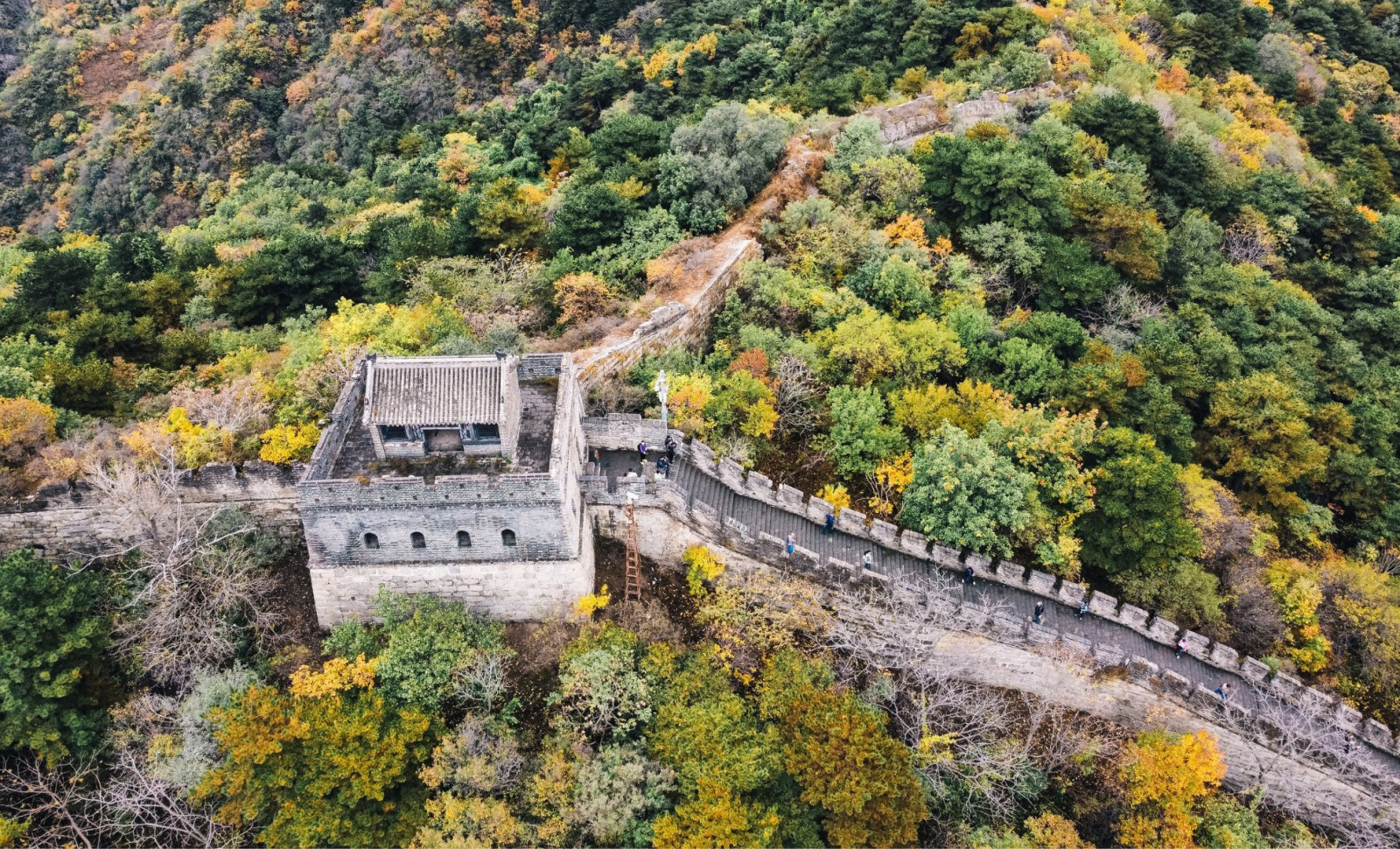
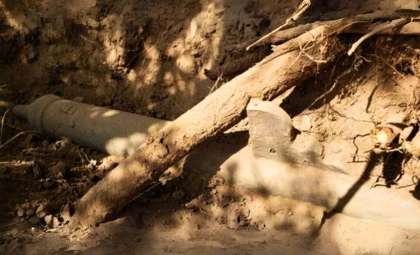
In a significant archaeological find, researchers have unearthed a colossal cannon dating back to the Ming Dynasty in the Jiankou stretch of the Great Wall of China. This heavy artillery piece, weighing approximately 247 pounds and stretching 35 inches long, is believed to have been manufactured in 1632. Along with this, additional relics offer enlightening glimpses into the daily lives of those stationed along the Wall.
Renowned globally as a symbol of defense, the Great Wall of China was more than just a military fortification. Excavations at Jiankou are shedding new light on its diverse purposes, revealing historical layers that extend beyond its defensive role. What remarkable items have emerged from this secluded area?
An Ancient Weapon Unearthed
The standout find in the excavation is the magnificent Ming dynasty cannon, uncovered amid various military artifacts. Shang Heng, a research fellow at the Beijing Institute of Archaeology, noted that an inscription on the cannon marked “Chongzhen Year 5,” corresponding to the year 1632, situating it during a critical era of Chinese history.

Its impressive weight and length attest to the sophisticated craftsmanship of the time. The cannon’s design and scale imply it served as a powerful defense tool placed strategically on the Wall’s watchtowers.
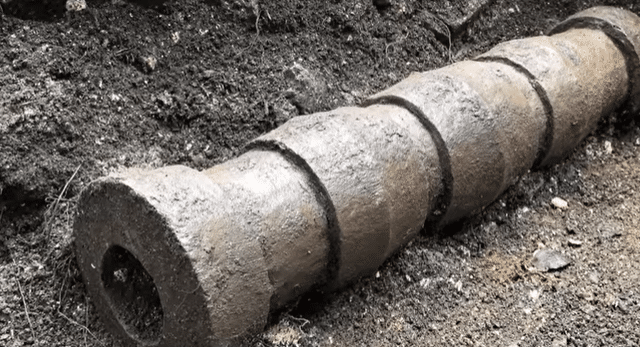
What elevates the significance of this discovery is the cannon’s design. Heng points out its resemblance to European red-coat cannons, especially in barrel size, suggesting the exchange of military technology between China and Europe during this period, highlighting lesser-known cross-cultural influences.
Insights into Soldiers' Daily Lives on the Wall
While the cannon steals the spotlight, everyday artifacts provide a richer story of life at this frontier. Among these were a heated brick bed and stove found in Watchtower 118, revealing how soldiers ingeniously coped with the region’s harsh climate.
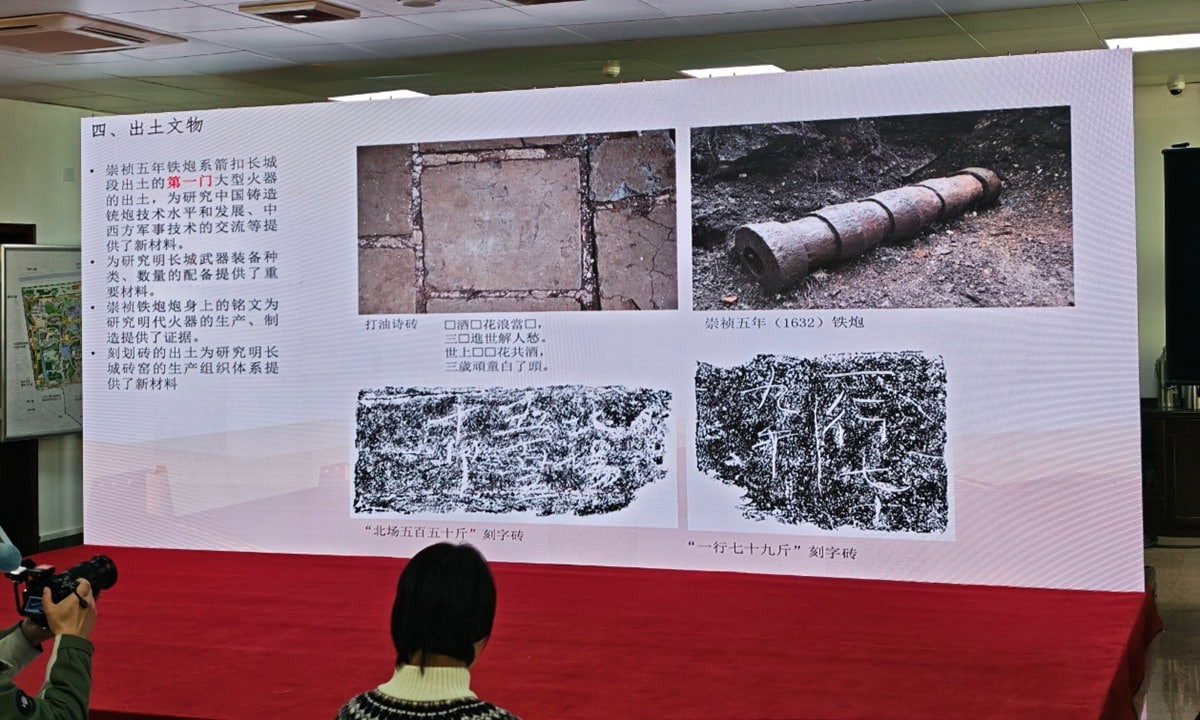
Additional finds, including animal bones, harvested crops, and medicinal plants, imply that troops living here managed to secure essential food and healthcare resources despite the Wall’s isolation.
The Mystery Behind Turquoise Relics
A surprising feature of the excavation was the recovery of 28 turquoise objects thought to originate from mines in Hubei, Henan, and Shaanxi provinces. These suggest that the Jiankou section was part of extensive trade networks linking different regions.
“These findings transform the Great Wall from a cold military structure into a living historical landscape integrating defense, cultural exchange, and daily life,” Heng said, as quoted in Global Times.
The turquoise artifacts, recognized as valuable goods, indicate the Wall’s function as a conduit linking northern China to other territories, possibly extending beyond imperial bounds.
Continuing the Exploration of the Great Wall’s Secrets
Excavation efforts at Jiankou are ongoing, with archaeologists hopeful to uncover additional treasures hidden beneath its stones. The site’s landscape remains remarkably preserved, offering a perfect natural archive for research.
“The Great Wall’s landscape and geography have barely changed, making it ideal for ‘time-travel’ style restoration research,” explained Heng .
Future discoveries promise to deepen our understanding of this complex monument’s history and multifaceted roles.
- Categories:
- Science





0 comments
Sign in to Comment