
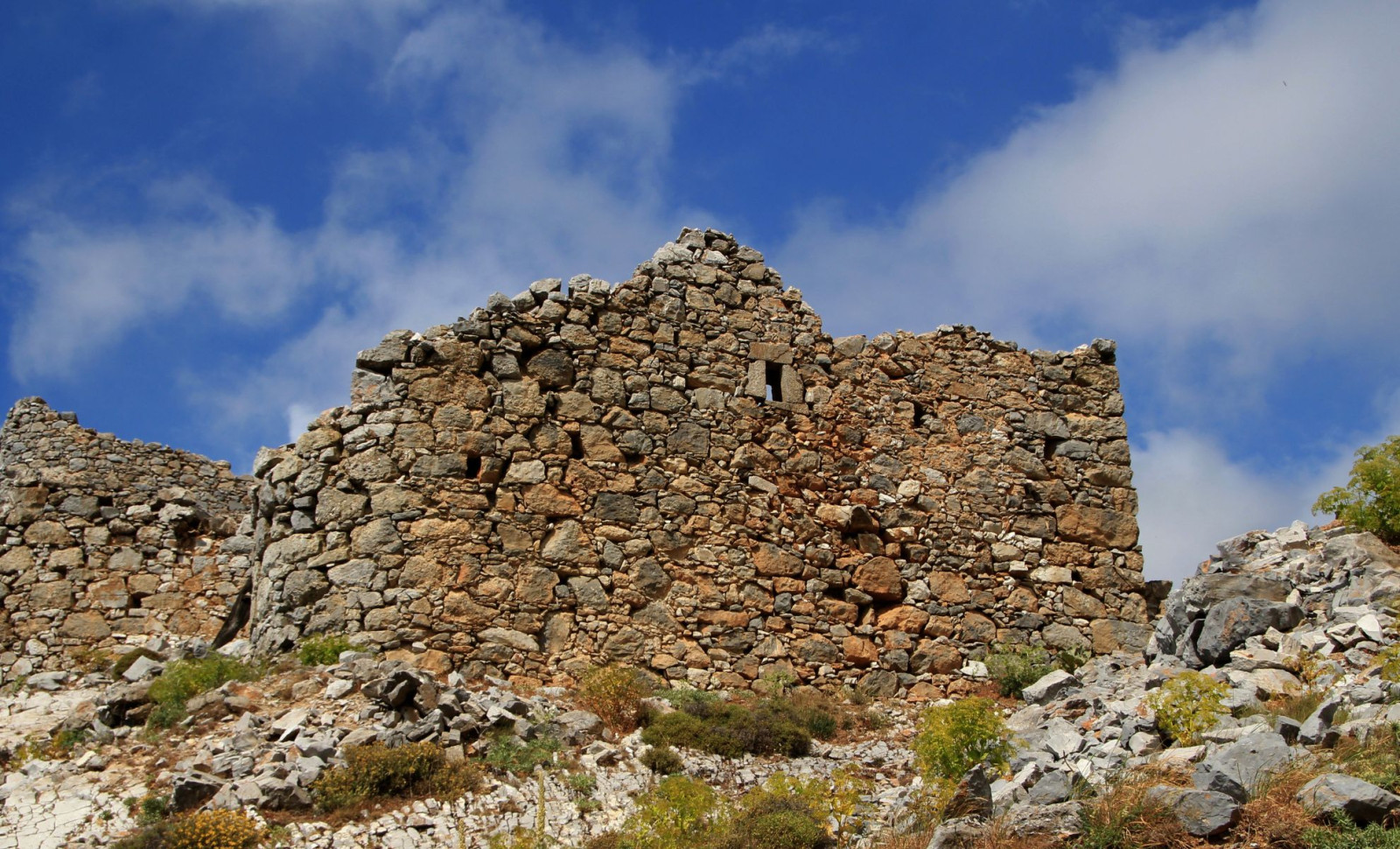
A serene hill in central Bosnia has become the center of an intriguing archaeological puzzle after specialists uncovered an unusual stone wall. This discovery led them to a hidden collection of metal artifacts and an even older ceremonial site beneath, where charred offerings were intentionally enclosed under stones. This remarkable find provides insight into practices from over 3,000 years ago.
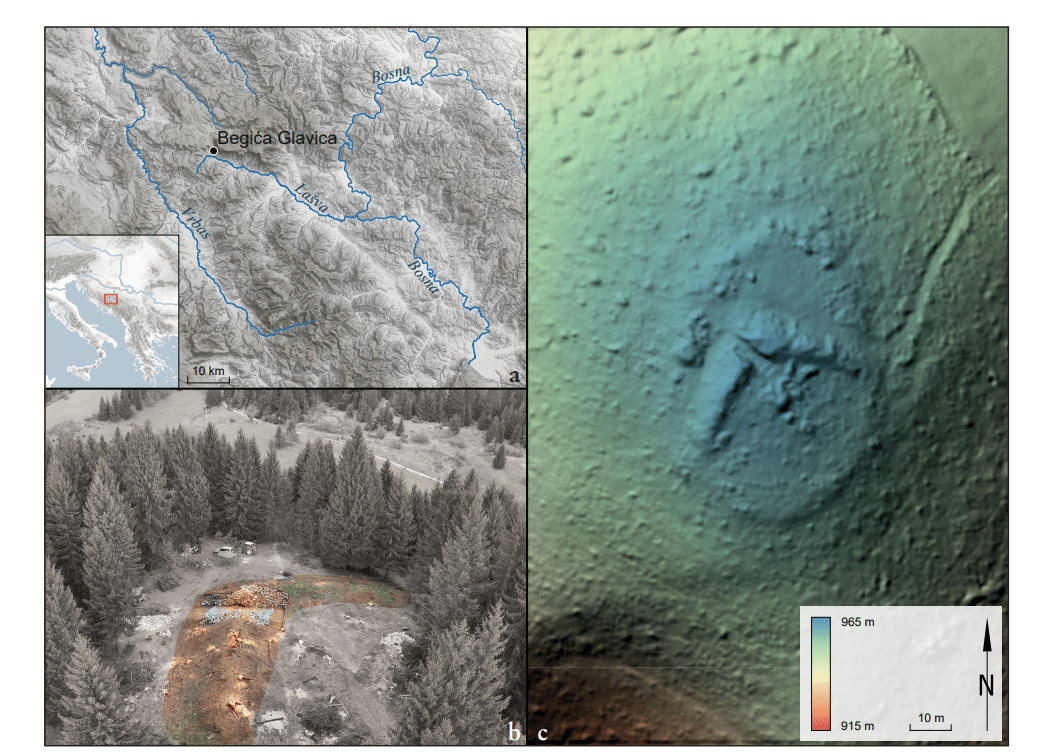
The location, Begića Glavica near Travnik, initially gained attention when metal detector enthusiasts found small items such as buttons and belt decorations dating back to the 6th century B.C.E. According to Archaeologia Austriaca, this spurred comprehensive excavation efforts, which soon revealed deeper layers associated with the Late Bronze Age.
From the outset, researchers understood this site was unlike typical hilltop settlements. Although the region is known for similar fortified enclosures, this particular location stands apart.

A Distinctive Wall Lacking Defensive Function
The most prominent feature is a 207-foot-long L-shaped wall made of limestone. Stones were transported from roughly a mile away, indicating significant effort. However, the wall’s height, only about 10 feet, suggests it was not meant to serve as a fortification. As the research paper notes:
“The Begića Glavica site represents a unique spot in the regional framework, most likely a place of gatherings and ceremonial events.” Instead of protecting anything, the wall seems to split the plateau into two areas, something rarely seen in similar sites.
Additionally, evidence suggests the wall was constructed in multiple phases. Different segments were added over time, hinting at the site's long-term significance. People repeatedly returned, expanding upon earlier structures, though the exact motivations remain uncertain.
Ritualistic Fire Buried Under Stones
Inside the wall, archaeologists found a layer containing burnt remnants, including charcoal, wood fragments, metal relics, and ceramic vessels. Some items remained precisely where they were placed during the fire event.
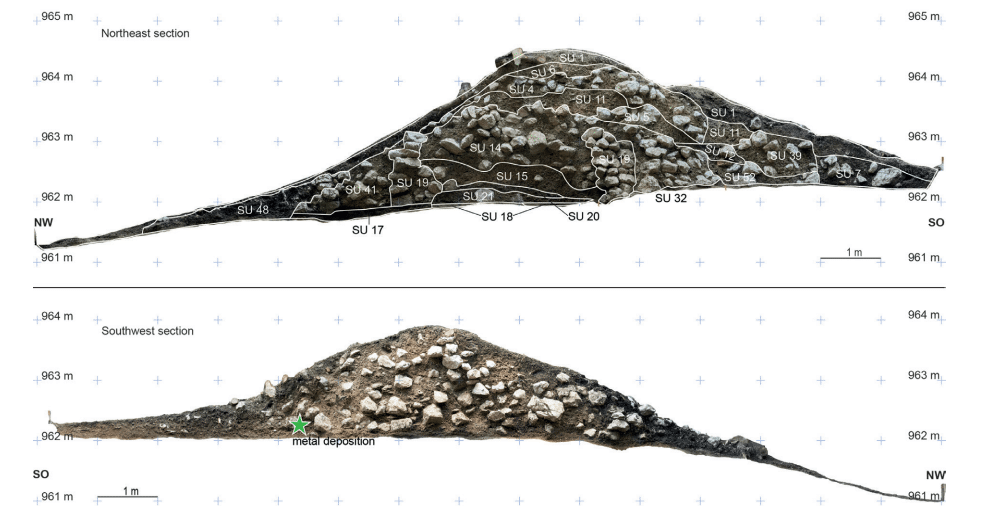
Recent studies reveal that one ceramic container measured nearly three feet in height. Wooden planks discovered may have served as platforms during ceremonies. Researchers are convinced this represents intentional burnt offerings, with the wall constructed afterward to seal these ritual deposits.
Enduring Significance Throughout Centuries
Dating analyses indicate the site was used from the 13th to 9th centuries B.C.E., with the most reliable data pointing to activity between the 11th and 9th centuries. Some earlier dates may reflect the use of ancient wood in the fires.
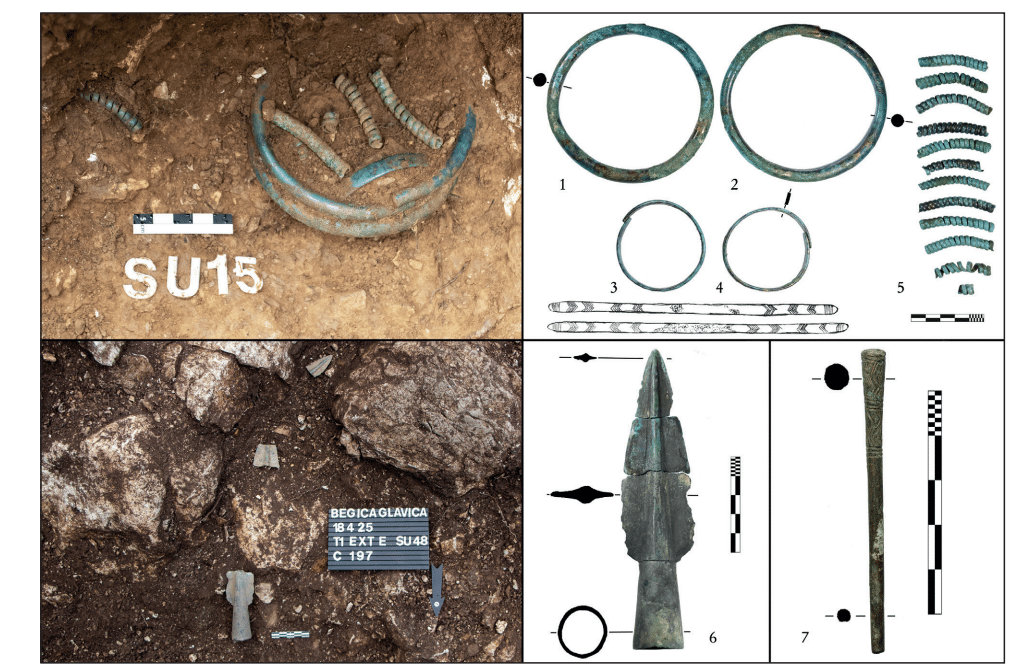
Remarkably, the site did not experience simple, one-time use. Hundreds of metal objects, including belt buckles, , and small metal sheets were uncovered, attesting to repeated visits and offerings. As the researchers state,
“The fact that centuries after the first, apparently turbulent events, this place was visited either by the local population and/or by groups from more distant regions, who performed metal depositions, feastings, and ceremonies, reveals its immense importance in the collective memory,”
- Categories:
- Science










0 comments
Sign in to Comment