
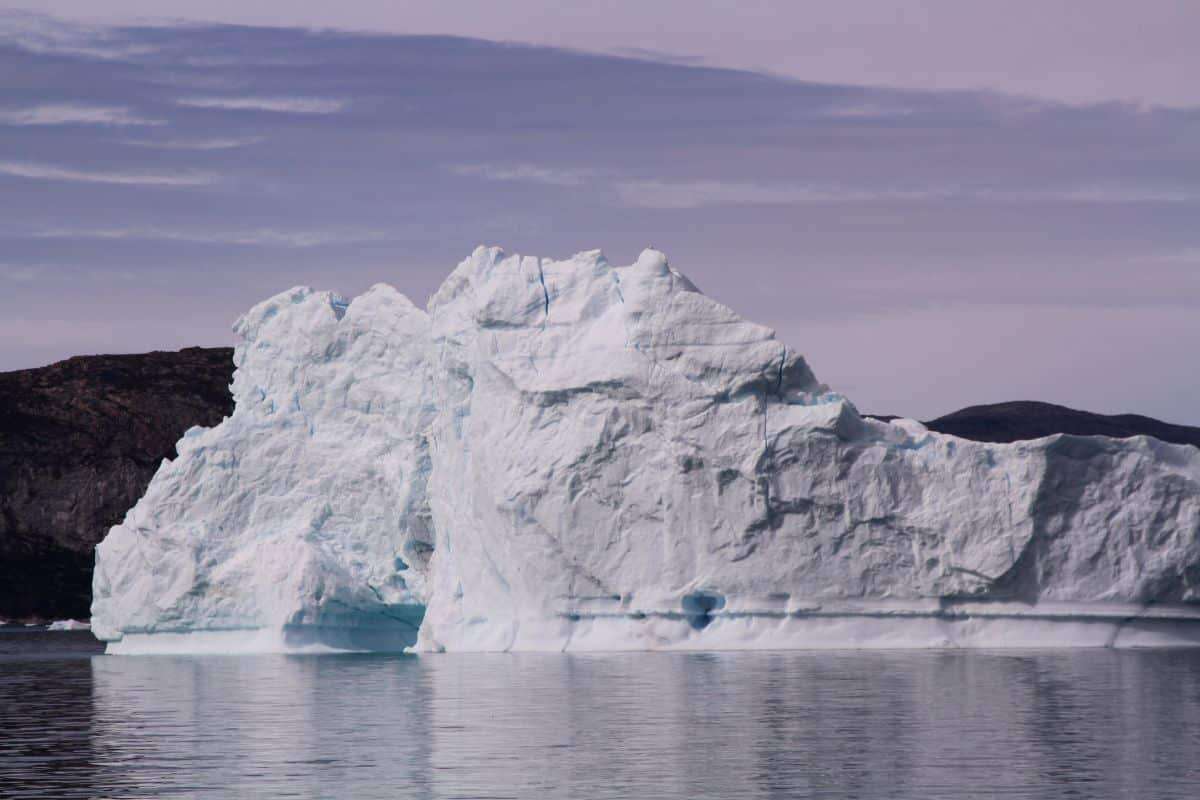
Next month, a squadron of fast drones will be deployed over the Arctic in an ambitious mission to change how experts keep tabs on Greenland’s quickly shrinking ice sheet.
Closing Data Gaps in Greenland’s Ice Monitoring
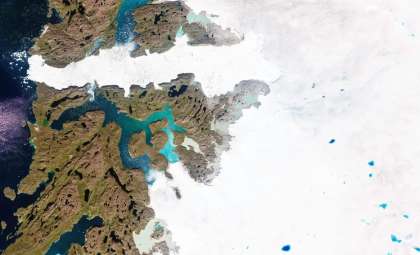
New Scientist reports that the initial flights near the Ilulissat Icefjord in western Greenland represent a breakthrough in cryosphere studies. UK drone maker Marble is leading this effort alongside researchers at the University of Bergen in Norway.
The plan is to launch an affordable, frequent observation network delivering almost real-time data on glacier retreat—far surpassing the detail satellites or manned aircraft can currently provide.

“We envision revisiting the entirety of Greenland every 12 hours with detailed mapping,” explains Marble CEO Mathieu Johnsson, who envisions a future with an autonomous drone swarm continuously supplying vital data to climate researchers worldwide.
The Critical Role of Greenland’s Ice Sheet
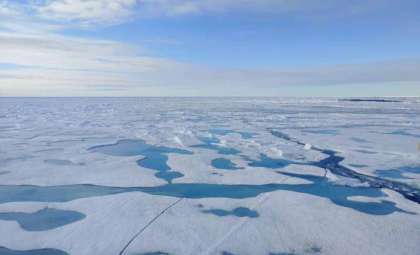
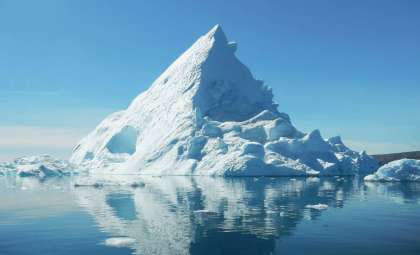
Greenland holds the planet’s second largest ice mass, with immense implications for global sea level rise. Complete melting could raise oceans by over 7 meters, a change projected over centuries to millennia, but scientists focus keenly on nearer-term threats.
Some of the more extreme models anticipate up to 1 meter of sea level rise by 2100 from Greenland’s meltwater, yet uncertainties persist, particularly around outlet glaciers such as Sermeq Kujalleq, due to limited data.
“Satellites provide some insights, but current measurements are inadequate,” notes Kerim Nisancioglu of the University of Bergen. He emphasizes that accurately tracking ice thickness is essential to identifying when glaciers near tipping points that speed up melting. “This new system will allow for continuous observation,” he says.
Advancing Climate Monitoring Through Technology
While these drones are already utilized in marine monitoring, their Arctic mission pushes them to withstand severe conditions. Outfitted with radar, visual cameras, and lidar, the drones will monitor Sermeq Kujalleq's transformations in real time, aiming to cut monitoring expenses by a factor of a thousand and remove the need for field teams.
The undertaking is backed by a £2 million grant from the UK’s Advanced Research and Invention Agency (ARIA). Ultimately, the vision includes fully automated robotic hangars to deploy and service drones without human presence, minimizing logistical challenges.
Facing extreme Arctic conditions with fragile devices presents hurdles. “We plan to learn by trial—seeing what breaks until the system becomes dependable,” Johnsson admits.
Enduring the Harsh Arctic Environment
Flying near the glacier will test the drones against freezing temperatures, biting winds, and swiftly changing weather — scenarios hard to replicate in controlled environments.
Success in these trials could pioneer a new era in climate observation technology, equipping scientists with rapid, precise tools to model and respond to glacial changes like never before.
- Categories:
- Climate change







0 comments
Sign in to Comment