
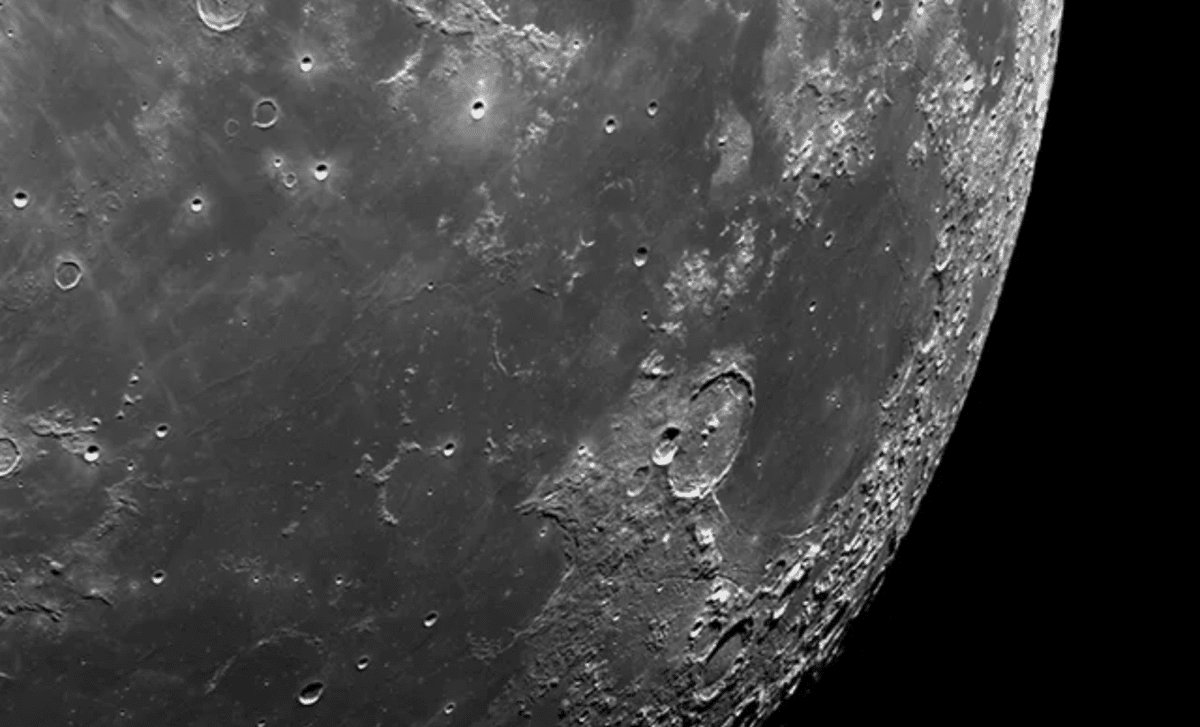
Ahead of NASA’s Artemis 2 expedition, astronauts will rely on one of the most direct and powerful tools to explore the Moon: their unaided eyesight. More than five decades after the Apollo missions paved the way, this journey marks a renewed emphasis on personal, sensory exploration rather than solely depending on advanced instruments and cameras. According to AFP, astronauts will actively observe and interpret lunar features on the spot, highlighting the enduring value of human perception in space research.
Why the Human Eye Remains a Superior Tool
In an era dominated by cutting-edge technology, the importance of human vision might initially seem unexpected. Yet, Kelsey Young, leading the Artemis 2 science team, highlights the unmatched resolution and depth of human sight. “The human eye is arguably the most sophisticated imaging system that has existed or ever will,” Young told AFP. “It contains a vastly higher concentration of receptors than any camera can capture.”
This extraordinary ability enables astronauts to perceive nuances on the lunar surface that cameras cannot fully replicate. While modern imaging devices produce sharp photographs, they often miss subtle textures and color transitions that human eyes quickly detect. For example, changes in shading caused by the angle of sunlight can unveil the Moon’s topography—details crucial for understanding its geological narrative.

Uncovering Lunar Hues and Surface Features
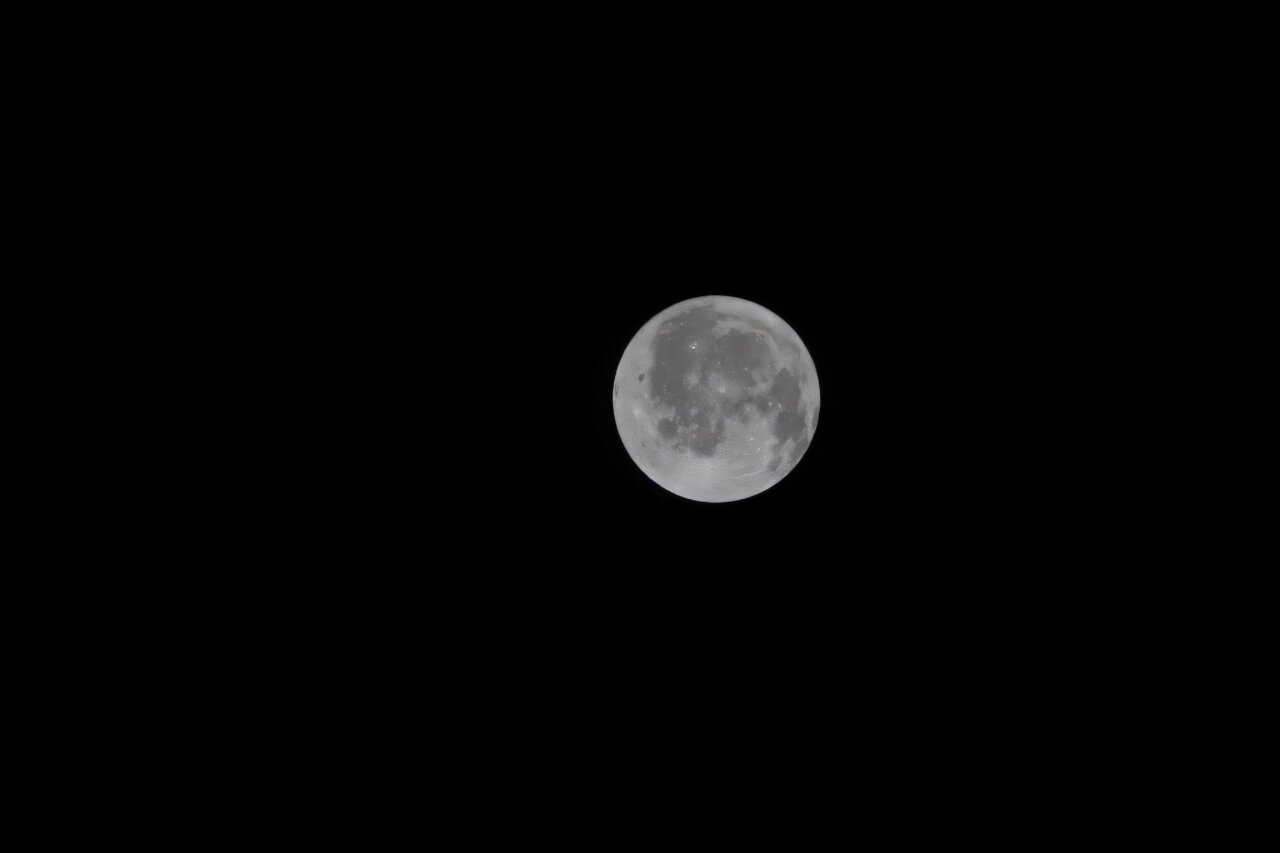
The Artemis 2 mission will offer astronauts an extraordinary chance to see the Moon in greater detail than ever before, surpassing the limitations of previous satellite imaging. Their chief focus will be to detect subtle color patterns and textural differences that provide clues about the lunar surface’s composition and evolution. Noah Petro, who leads NASA’s planetary geology laboratory, is particularly intrigued by the astronauts' potential to notice slight shifts in color, such as deep browns or soft tan tones.
“I don’t mean rainbow colors, but you know, dark browns or tan colors because that tells us something about the composition, and that tells us something about the history of the Moon,” he explained.
Recognizing such color variations can unlock vital insights into the Moon’s geological origins and dynamics.
Because the human eye excels at discerning these fine distinctions, it remains an indispensable instrument for the Artemis 2 expedition. The crew will examine surface features often overlooked by mechanical sensors. According to Young, their vision functions as a “magical tool” essential to unveiling the Moon’s hidden stories.
Astronauts Trained as Spacebound Geologists
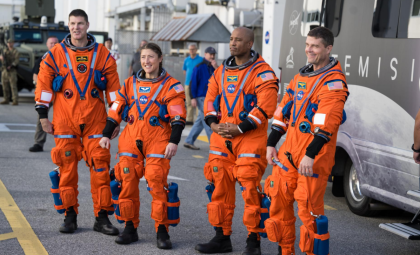
To maximize the mission’s scientific return, the Artemis 2 astronauts have trained extensively to become adept field researchers. This preparation involved theoretical lessons, hands-on geological excursions, and virtual lunar flyby simulations. Commander Reid Wiseman, pilot Victor Glover, mission specialist Christina Koch, and Canadian astronaut Jeremy Hansen have memorized the “Big 15” lunar landmarks to help orient their observations during the mission.
“The idea was to transform astronauts into practical field scientists,” Young explained. The team practiced using an inflatable Moon globe that mimics how sunlight angles influence the Moon’s perceived colors and textures. Such rigorous training ensures they can offer rich, real-time insights about lunar geology during their flyby.
Experiencing the Moon Through Live Astronaut Narratives
While prior missions captured images of the lunar surface, Artemis 2 will provide something novel: live narration from astronauts themselves. This dynamic firsthand commentary offers a rare, personal perspective for viewers on Earth. David Kring of the Lunar and Planetary Institute emphasized, “having astronauts describing what they’re seeing… That is an occurrence that at least two generations of people on Earth have never heard before.” These broadcasts promise to deepen public engagement with space exploration through genuine human experience.
NASA intends to stream Artemis 2’s lunar flyby live, with astronauts sharing real-time observations and impressions. Kelsey Young expressed her enthusiasm for these moments, saying, “Just hearing their practice descriptions during mission rehearsals gives me chills. I’m fully confident that these four will deliver extraordinary, vivid reports.”
- Categories:
- Nasa


0 comments
Sign in to Comment