
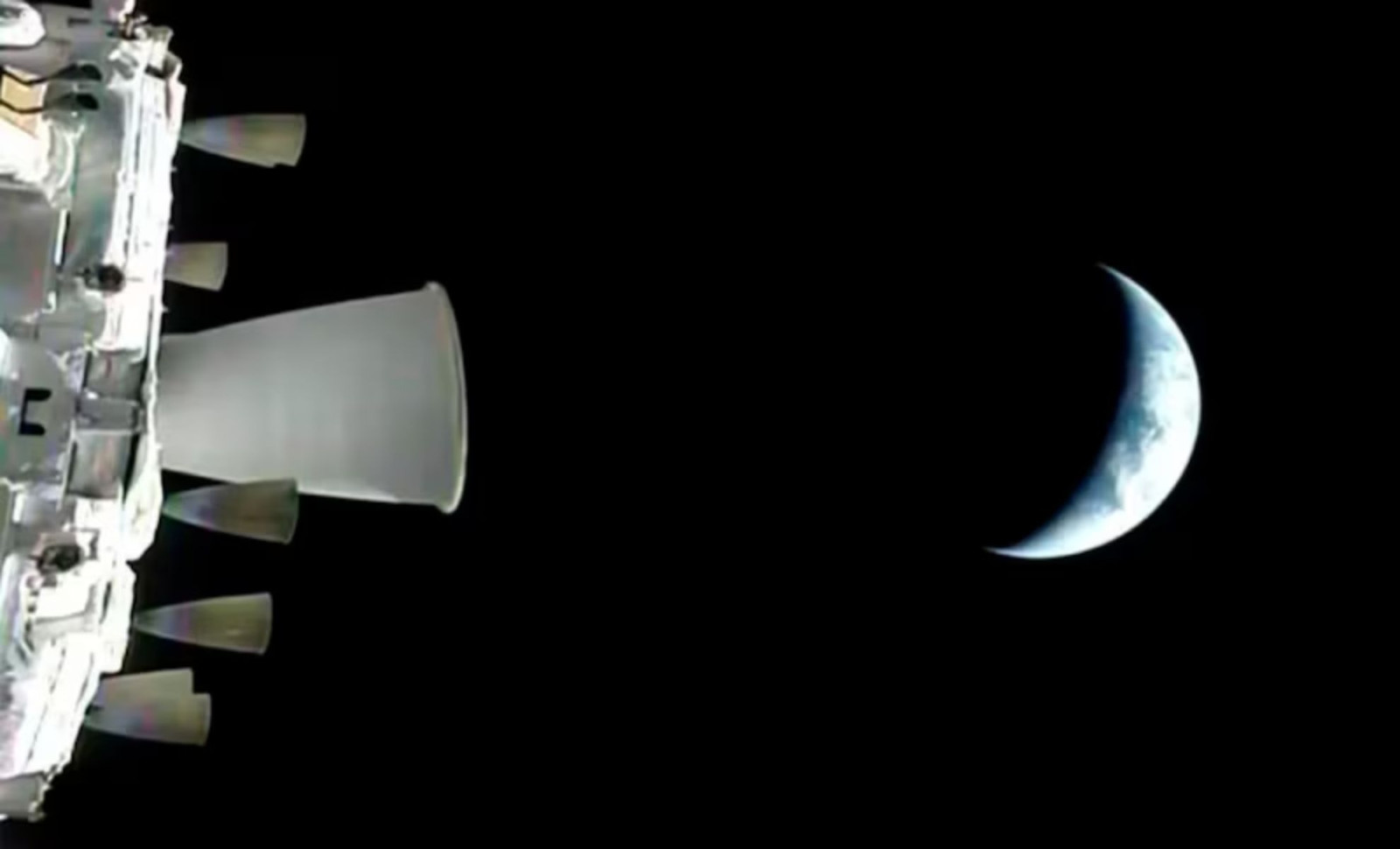
The astronauts aboard Artemis II are journeying farther from Earth than any humans ever have, breaking a distance record that has remained unchallenged since 1970. As the Orion spacecraft glides around the Moon's hidden hemisphere, the mission merges critical technical achievements with unique scientific observations.
This endeavor represents a key stage in NASA’s Artemis initiative, which aims to establish a sustained human presence in lunar orbit and enable deeper space exploration. Artemis II tests comprehensive systems, trajectories, and crew handling well beyond low Earth orbit.
Almost 56 years after the Apollo 13 crew set the previous distance milestone, Artemis II follows a comparable route—and extends it—highlighting how past missions continue to influence modern space exploration.

Surpassing Apollo 13’s Distance Record
At 1:56 PM ET, the Artemis II astronauts are anticipated to exceed the 248,655-mile distance record set by Jim Lovell, Fred Haise, and Jack Swigert during Apollo 13. Per the official NASA mission timeline, the Orion spacecraft is projected to reach a peak distance of 252,757 miles from Earth that same day.
This new benchmark showcases the spacecraft’s capability to safely function at extended distances, confirming the reliability of navigation, propulsion, and life-support systems in deep space. NASA’s planned trajectory means this record is set during the orbital pass around the Moon’s far side.

Extended Observation Period Behind the Moon
The mission’s flyby includes roughly six hours of monitoring the lunar far side, a section not visible directly from Earth. According to the schedule, observation starts at 2:45 PM ET, aiding efforts to identify potential future lunar landing zones.
At 6:44 PM ET, Orion will move behind the Moon, causing a 40-minute communication blackout. Neither the Deep Space Network nor the Near Space Network will be able to maintain contact during this interval. Communication is expected to resume at 7:25 PM ET as the spacecraft emerges from behind the Moon.
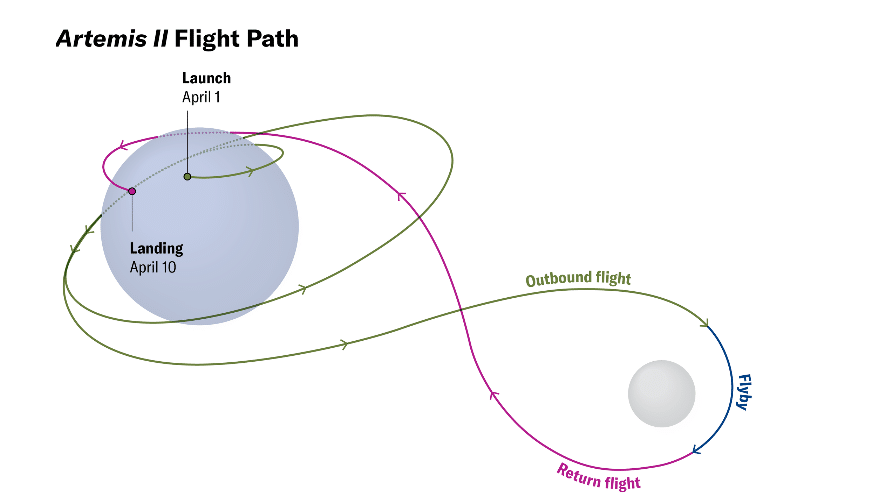
The orbital path also includes the closest lunar approach at 4,070 miles at 7:02 PM ET, a vital moment coinciding with prime mission operations.
Earthrise Recreation, Eclipse Viewing, and Journey Home
Once contact is restored, the crew will endeavor to capture the famous Earthrise image originally taken during Apollo 8 in 1968. Mission notes indicate this moment will occur soon after the spacecraft exits the Moon’s shadow.
The flight plan also includes a solar eclipse visible to the crew between 8:25 PM and 9:32 PM ET, as the Moon passes between the spacecraft and the Sun. Observations of the lunar surface wrap up at 9:20 PM ET, concluding a packed series of scientific activities.
After completing the flyby, Orion will start a four-day journey back to Earth, with splashdown scheduled for April 10 in the Pacific Ocean near San Diego according to NASA plans.
- Categories:
- Space









0 comments
Sign in to Comment