
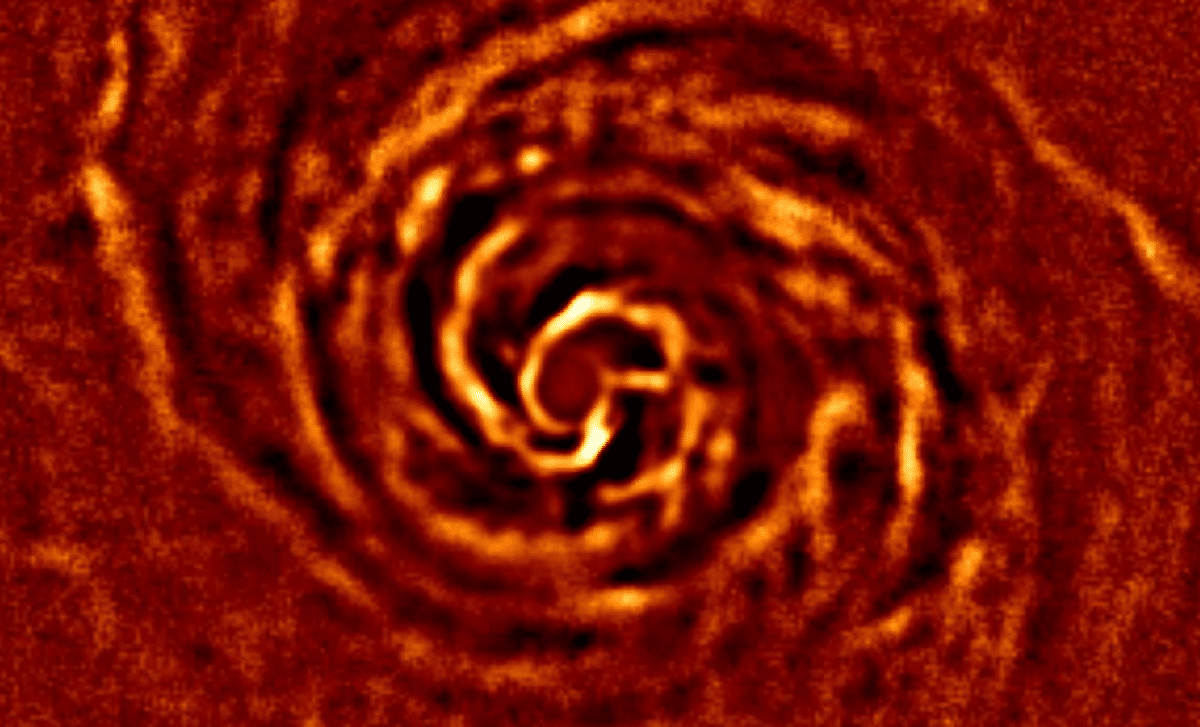
Astronomers have made a significant stride in studying how planets form by directly observing the rotation of a protoplanetary disk encircling the young star AB Aurigae. This achievement, reported in Astronomy & Astrophysics, offers an exceptional glimpse into the dynamic environment where planets are actively emerging, challenging previous theoretical expectations.
Peering Into the Cradle of Planet Formation
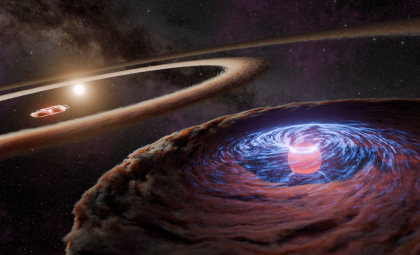
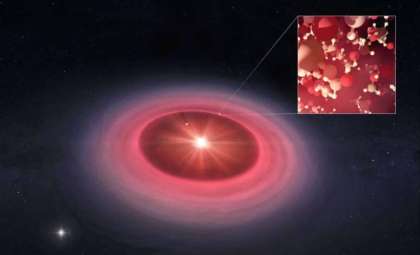
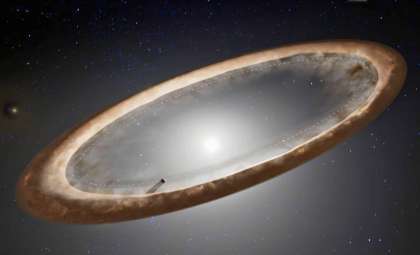
Protoplanetary disks, composed of gas and dust, envelop young stars and serve as the birthplaces of planets. Since the initial detection of such a disk around Beta Pictoris in 1984, these structures have been intensely studied to unravel the origins of planetary systems beyond our own. The AB Aurigae system, aged between 4 and 5 million years, captivates scientists with its intricate disk, featuring areas suggestive of giant planet development.
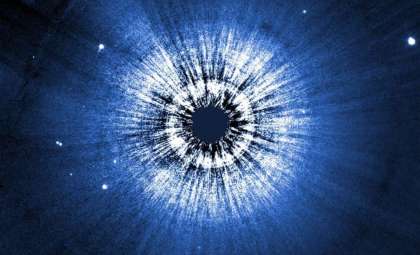
Employing the SPHERE instrument at the European Southern Observatory’s Very Large Telescope in Chile, the researchers monitored infrared signals from dust particles within the disk. This approach enabled precise detection of the disk’s rotational movement, uncovering regions where the flow deviates from typical physics models, likely influenced by the gravity of nascent giant planets.

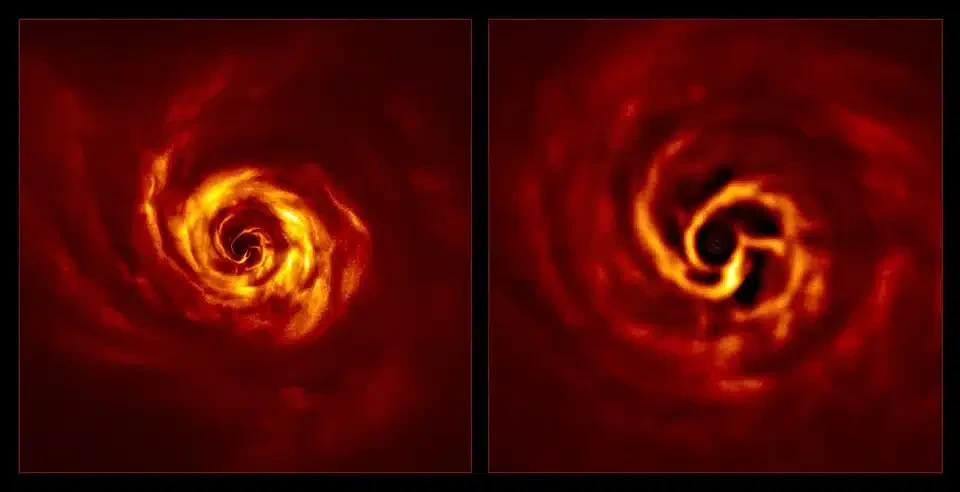
Unveiling Complex Features in AB Aurigae’s Disk
The AB Aurigae disk displays a non-uniform pattern characterized by spiral arms of gas and distinct twists and shadows, indicating intense interactions between forming planets and surrounding material. The confirmed giant planet AB Aurigae b, positioned about 93 astronomical units (AU) from the star with a mass near nine times that of Jupiter, seems to be reshaping the inner disk, potentially affecting the creation of other planets within the system.
Additional candidate sites for planet formation exist closer to the star around 30 AU, and farther out at distances spanning 400 to 600 AU. These dense clumps might represent early planetary embryos or concentrated dust and gas zones destined to develop into planets over millions of years. These dynamic areas offer critical clues to understanding the process of planetary growth and disk evolution.
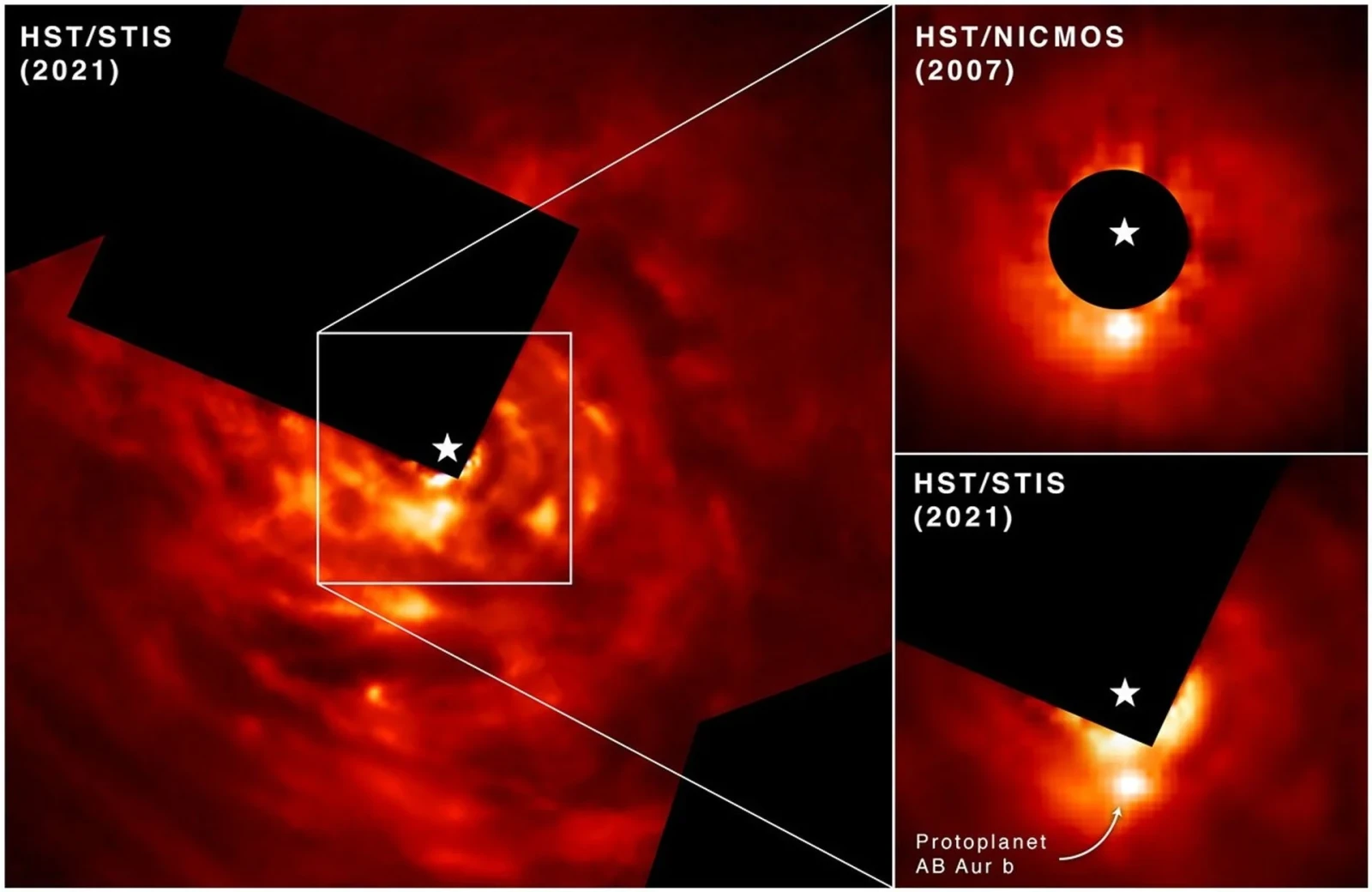
SPHERE’s Role in Revealing New Planetary Formation Insights
This breakthrough depended on the SPHERE (Spectro-Polarimetric High-contrast Exoplanet REsearch) instrument, specially designed to detect faint signatures from forming planets and intricate disk features in infrared wavelengths. By highlighting emissions from minuscule dust grains, astronomers identified bright spots of accretion where gas and dust merge before accreting onto nascent gas giants.
The study also detected quickly shifting shadows across the disk, likely caused by unseen planets or structures orbiting close to AB Aurigae. These observations provide a rare, real-time perspective on how planetary nurseries develop and evolve, offering challenges to existing theories and new directions for studying planet formation as it unfolds.
Broader Impact on Planet Formation Research
Monitoring AB Aurigae’s disk in real time equips astronomers with deeper knowledge of early planetary growth. Unlike static snapshots, following disk rotation in the moment exposes irregularities and active phenomena previously hypothesized but not directly observed. Published in Astronomy & Astrophysics, this research exemplifies the transformative power of instruments like SPHERE, offering vital data to refine models of planet formation both within and beyond our solar system.
These detailed findings not only illuminate specific stellar systems but also shape a comprehensive framework for exploring planetary origins galaxy-wide. Anticipated future studies aim to examine other protoplanetary disks over extended timelines to capture the complete formation journey of new planets.
- Categories:
- News




0 comments
Sign in to Comment