
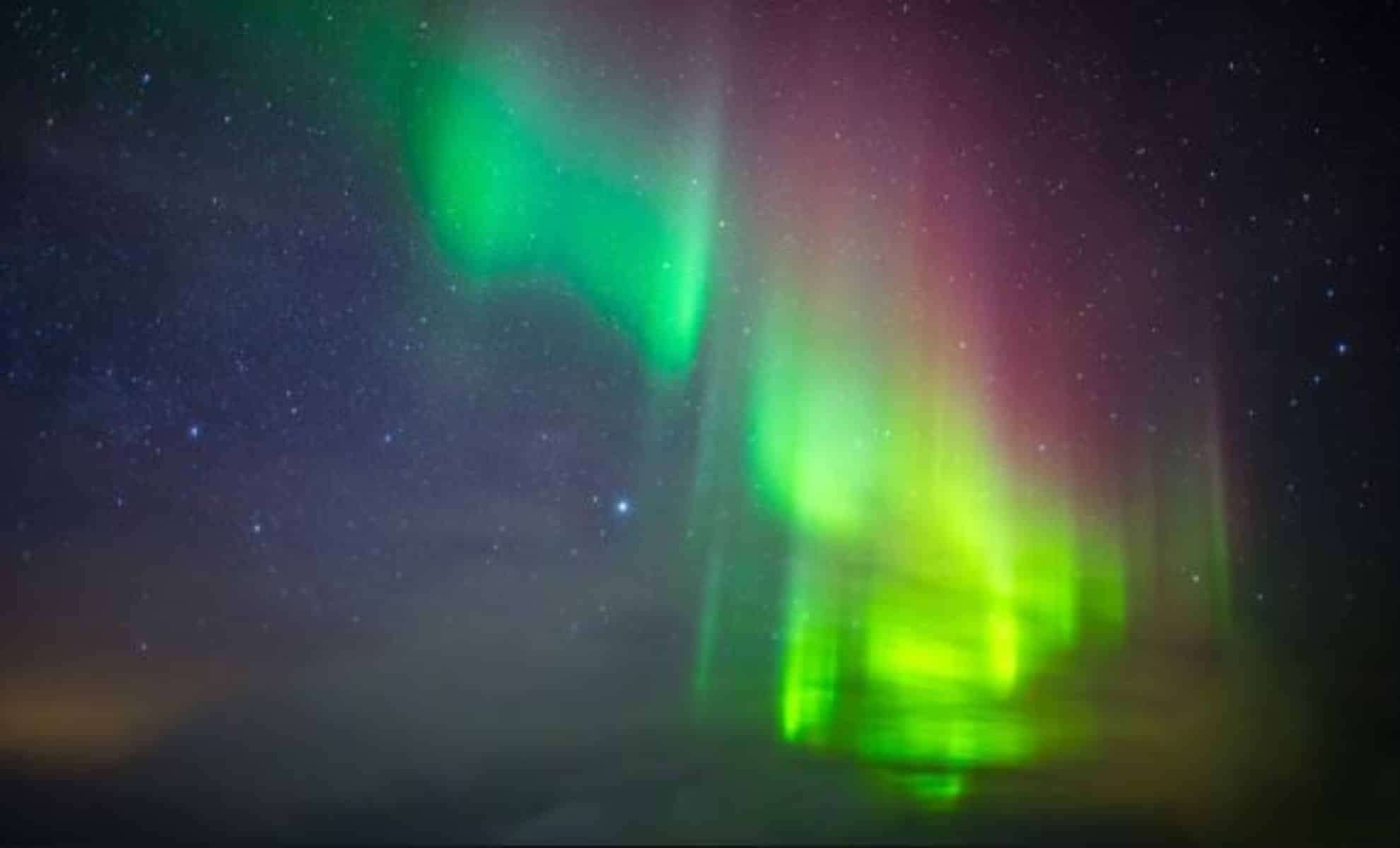
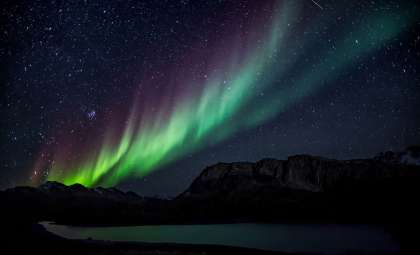
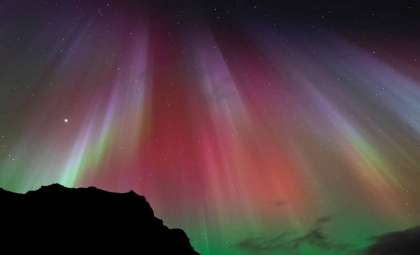
Observers across parts of the United States and Canada are set to experience a remarkable celestial event as the Northern Lights, also known as the Aurora Borealis, are predicted to shine brightly this weekend.
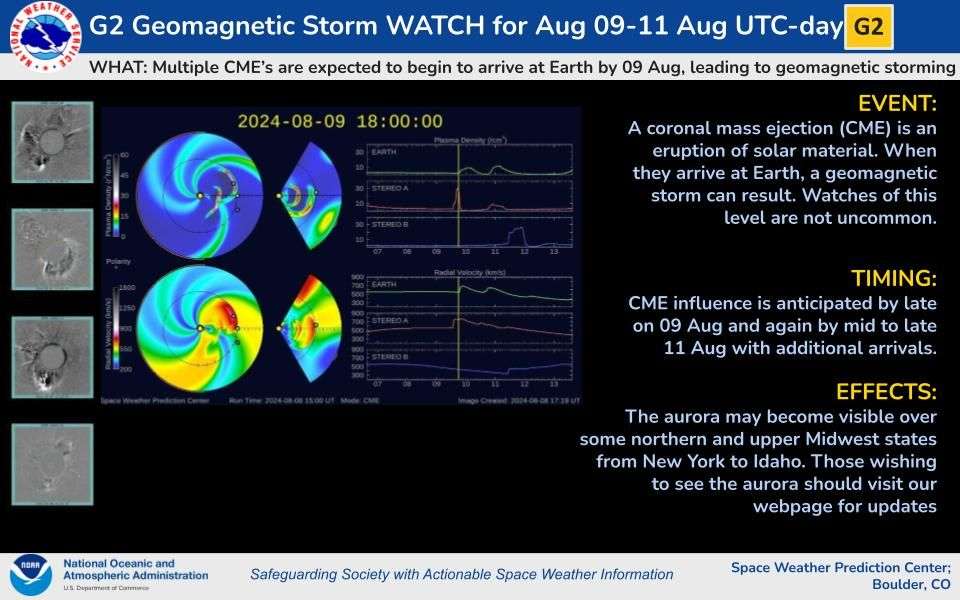
Due to increased solar activity, including multiple coronal mass ejections (CMEs) emitted by the Sun, the National Oceanic and Atmospheric Administration (NOAA) has issued a geomagnetic storm watch. This storm could push the aurora’s reach further south than usual, granting millions a chance to witness the spectacular light display.
Understanding the Northern Lights Phenomenon
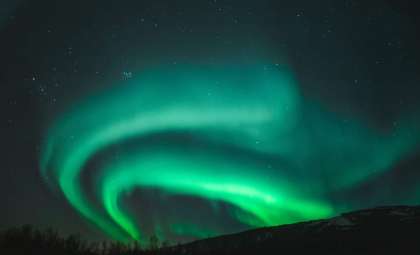
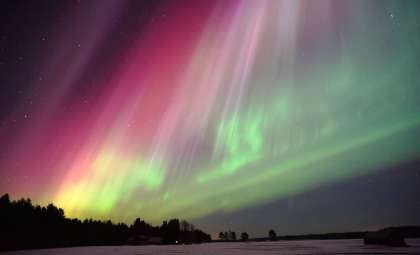
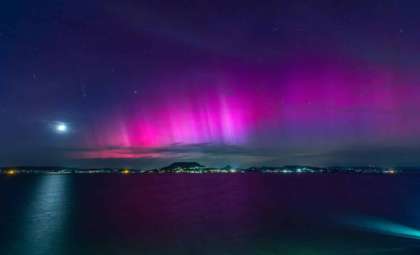
The Northern Lights represent one of Earth’s most mesmerizing natural visual phenomena. These occur when charged solar particles, mostly electrons, interact with atmospheric gases. Guided by Earth’s magnetic field toward the polar regions, these particles collide with nitrogen and oxygen atoms, producing the aurora’s dynamic color palette. The hues—green, pink, violet, among others—vary depending on the specific gas and altitude involved.

The strength and visibility of the aurora are heavily influenced by solar activity, especially coronal mass ejections. CMEs are large releases of solar wind and magnetic energy launched from the Sun’s outer atmosphere. When these reach Earth, they disrupt and compress the magnetosphere, sparking geomagnetic storms that amplify the aurora’s brilliance.

Such geomagnetic disturbances widen the typical range of the auroras, bringing them to lower latitudes. This weekend, a G2-class (moderate) geomagnetic storm is forecasted, potentially enabling Northern Lights viewing across much of the continental United States.
Optimal Locations and Times to Catch the Northern Lights
This geomagnetic event offers a chance to observe the aurora across an expansive northern U.S. corridor, spanning states like Washington, Idaho, Montana, North Dakota, South Dakota, Minnesota, Wisconsin, Michigan, and stretching east to New York and Maine. Viewers in Canada and Alaska will also enjoy prime conditions, with highly vivid aurora displays expected.
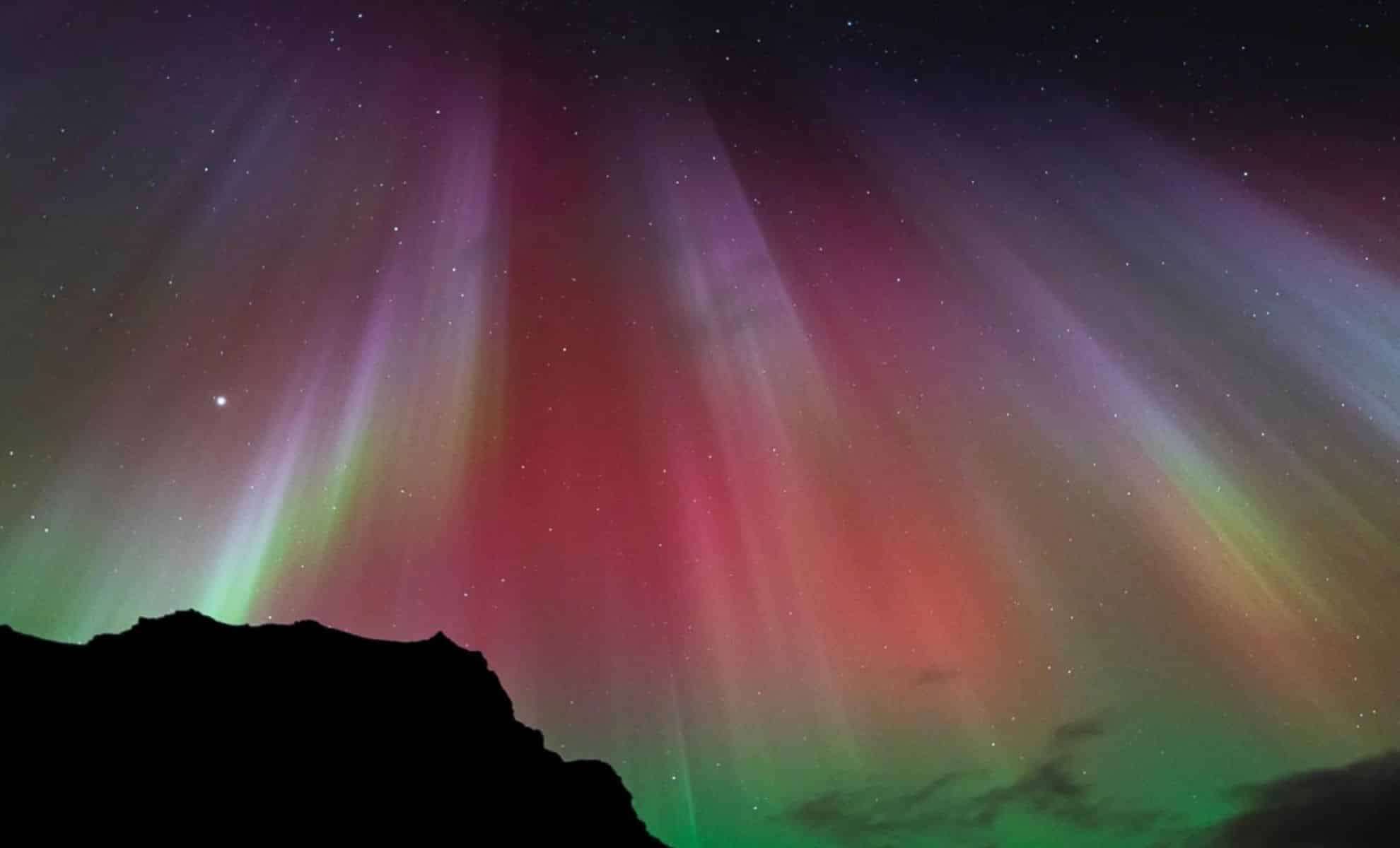
To maximize your viewing experience, it’s best to be situated as far north as possible and in areas free of artificial light pollution like city glare. The aurora is usually most apparent between 10 p.m. and 2 a.m. local time, though exact times can shift depending on location and storm intensity. Staying updated via real-time space weather alerts from sources such as NOAA’s Space Weather Prediction Center is highly recommended for the latest information.
Thursday evening will offer an early glimpse of this weekend’s event, with aurora visibility predicted in parts of Canada and Alaska, as well as some northern U.S. states. Activity is expected to ramp up throughout the weekend, resulting in brighter, more widespread auroras.
Solar Cycle 25’s Role in Enhancing Auroral Displays
The current surge in aurora activity is connected to the broader patterns of Solar Cycle 25. These approximately 11-year cycles mark periods of fluctuating solar activity. The latest cycle started in December 2019 and is predicted to reach its peak, or solar maximum, between late 2024 and early 2026. At this peak, sunspot numbers climb, increasing the occurrence and intensity of solar flares and CMEs.
Solar Cycle 25 has surpassed early expectations with its heightened sunspot activity. This uptick has already produced several intense geomagnetic storms this year, allowing the Northern Lights to be viewed unusually far south. As we near the maximum, opportunities to witness such spectacular auroras are set to increase, exciting both amateur skywatchers and professional researchers alike.
The effects of Solar Cycle 25 extend beyond auroral displays. Enhanced solar phenomena can disrupt satellites, GPS signals, and power grids, underscoring the importance of monitoring space weather. However, for now, the focus is on the enchanting nighttime illuminations these events produce.
Perseid Meteor Shower Adds to Weekend’s Night Sky Wonders
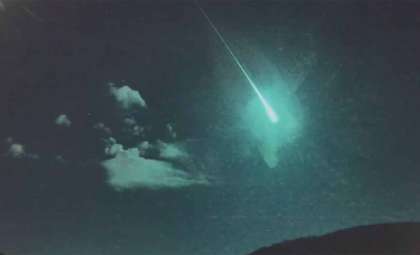
Though the Northern Lights are the event’s highlight, sky enthusiasts will also enjoy the Perseid meteor shower, which peaks from Sunday night into early Monday morning. Under ideal conditions, viewers may see as many as 100 meteors per hour.
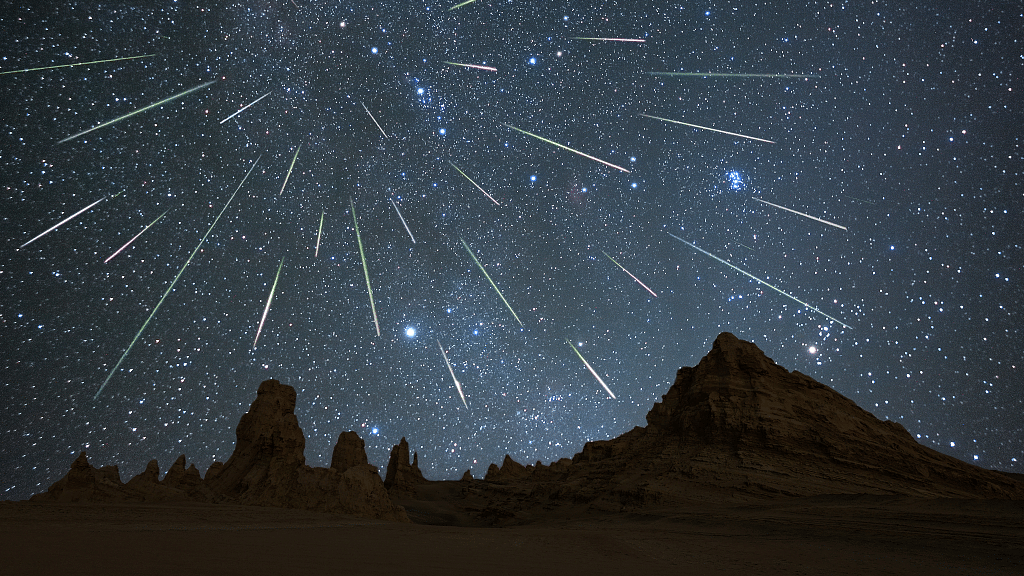
The Perseids are famous for their bright, swift meteors that often leave luminous trails in the night sky. This year, their display coinciding with the Northern Lights promises an extraordinary visual experience. Meteor activity gradually increases in the days leading up to the peak, providing ample chance to catch a glimpse.
Those fortunate enough to observe this unique tandem of natural wonders will witness one of nature’s rarest spectacles—Northern Lights and meteors illuminating the sky simultaneously. Stargazers of all levels should not miss this extraordinary weekend event.
- Categories:
- News






0 comments
Sign in to Comment