
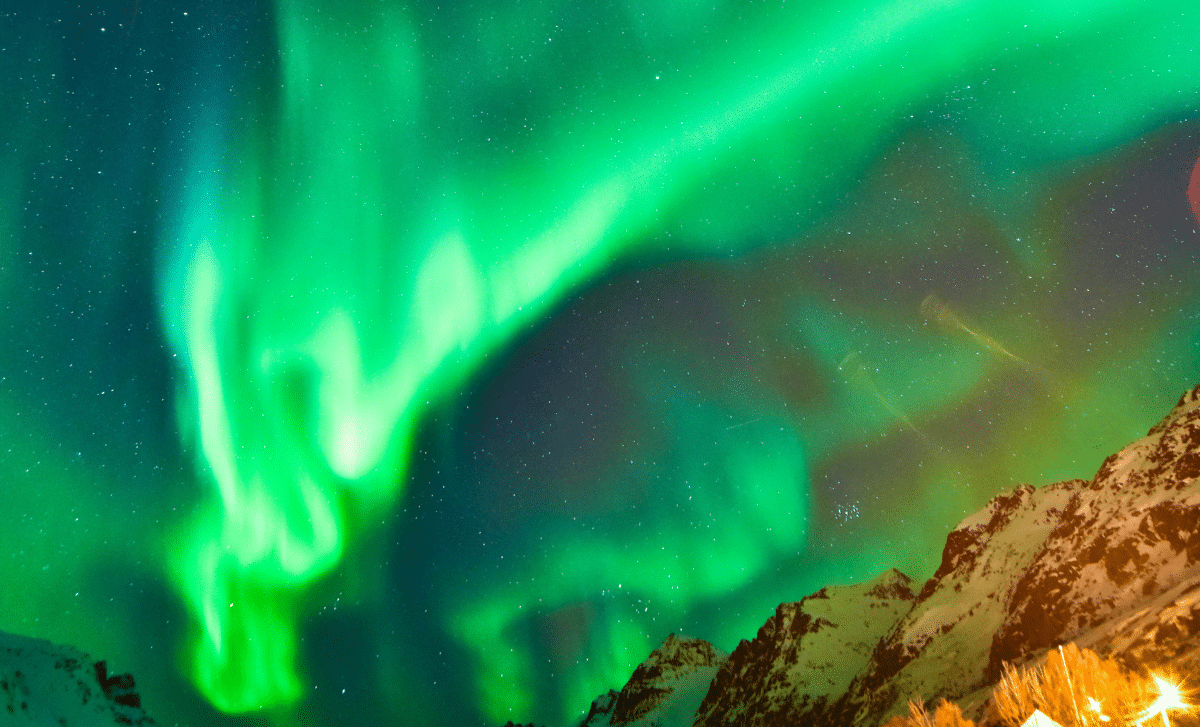
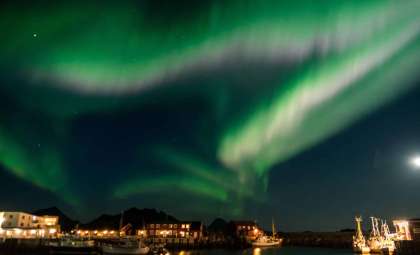
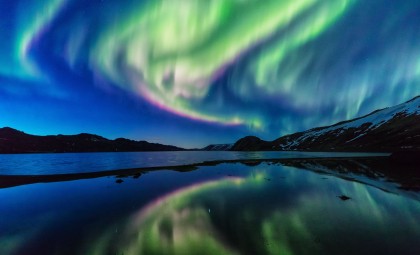
The enchanting phenomenon known as the Northern Lights, or Aurora Borealis, is set to dazzle observers across 15 states in the U.S. on December 17, 2025, according to NOAA predictions. This rare spectacle offers sky enthusiasts a chance to marvel at the ethereal glow shimmering across the night sky. Let’s explore the science behind this luminous show and tips to maximize your viewing experience.
Understanding the Aurora Borealis Phenomenon
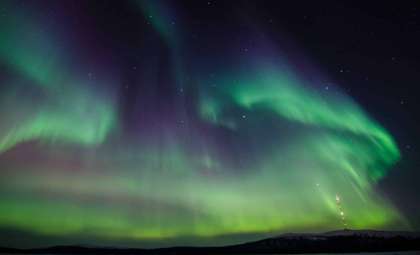
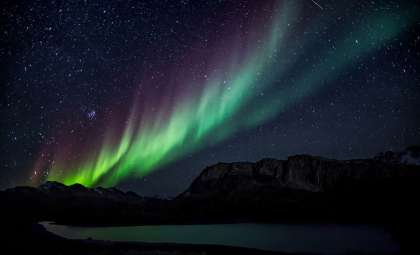
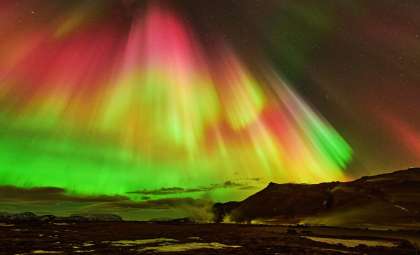
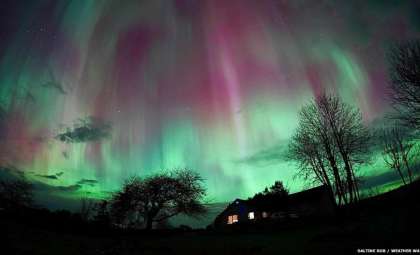
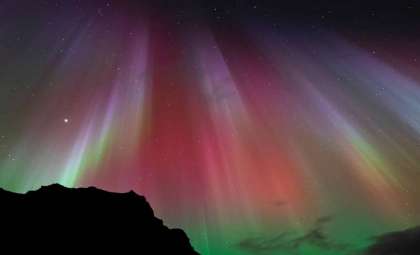
The Northern Lights occur due to intricate interactions between solar emissions and our planet’s magnetic environment. Solar storms propel charged particles toward Earth, which collide with atmospheric gases, causing vibrant light displays. The specific colors seen depend on the type of gas molecules and the elevation at which these particles collide—green often results from oxygen interactions at lower altitudes, while red and purple hues appear higher up.
This spectacular light show is mostly visible within the auroral oval, a ring-shaped region around the geomagnetic poles. Generally, the farther north you are in the U.S., the greater the chance of witnessing these lights. Yet during intense solar storms, the aurora can extend further south, granting even mid-latitude states a glimpse.

Where and When to Catch the Northern Lights Across the U.S.
NOAA’s forecast for December 17, 2025 highlights visibility across parts of 15 northern states including familiar aurora hotspots such as Alaska, Minnesota, Michigan, and Maine. Unusual southern sightings might occur in states like Wisconsin, New York, and Montana, depending on weather and solar activity levels.
For the clearest view, seek out dark, light-free areas such as isolated fields or cabins away from urban glow. Clear skies are crucial, so keeping an eye on weather reports ahead of time is advisable. The aurora typically becomes most vibrant after midnight, though it can flicker on and off during the night, requiring patience.
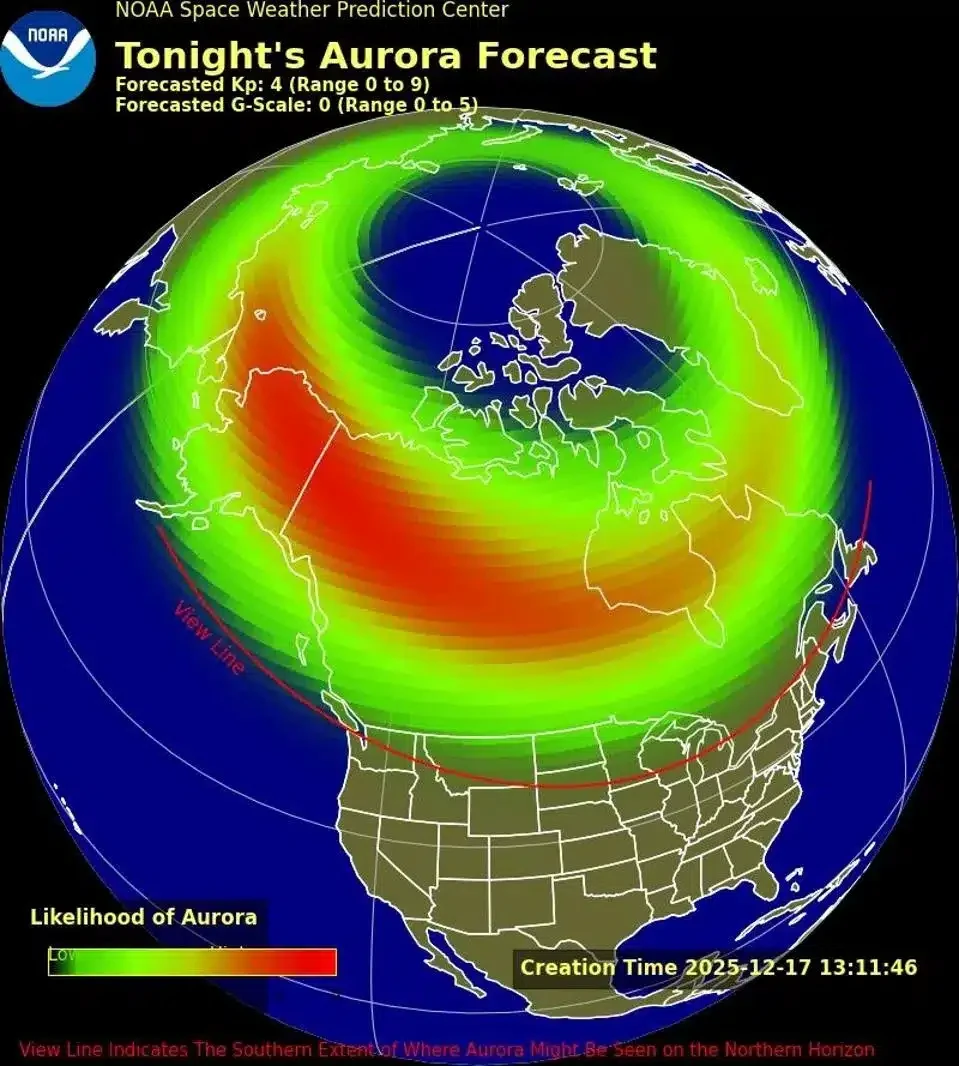
The Unique Solar Event Driving Tonight’s Aurora
This upcoming auroral display is tied to a substantial solar storm—a surge of solar wind often caused by coronal mass ejections (CMEs). These intense bursts are uncommon but can produce extraordinary aurora intensity visible over broader areas than usual.
NOAA also warns that such solar phenomena may disrupt satellites and communication systems. This dual scientific and visual event offers excitement for both researchers and casual observers alike.
Impact of Solar Activity on Aurora Frequency and Strength
Solar behavior follows an approximately 11-year cycle alternating between calm and active phases. Currently approaching a solar peak, there's a heightened chance of solar storms boosting geomagnetic activity. This escalation often results in more frequent, vivid aurora occurrences, particularly favoring northern regions.
The intensity of these cycles directly influences auroral displays because increased solar particle emissions magnify the interactions in Earth’s magnetic field. NOAA’s forecast anticipates this heightened solar activity, making this period an ideal window for aurora watchers.
Tips for Optimal Northern Lights Observation
Viewing the Northern Lights successfully involves thoughtful preparation. Start by consulting reliable sources such as NOAA’s space weather forecast to monitor geomagnetic activity, as stronger solar winds improve your chances.
Next, choose viewing sites removed from artificial illumination—rural and remote locations work best. Dress warmly to handle cold nighttime temperatures common in northern areas during December, ensuring you can enjoy the spectacle comfortably.
- Categories:
- News


0 comments
Sign in to Comment