
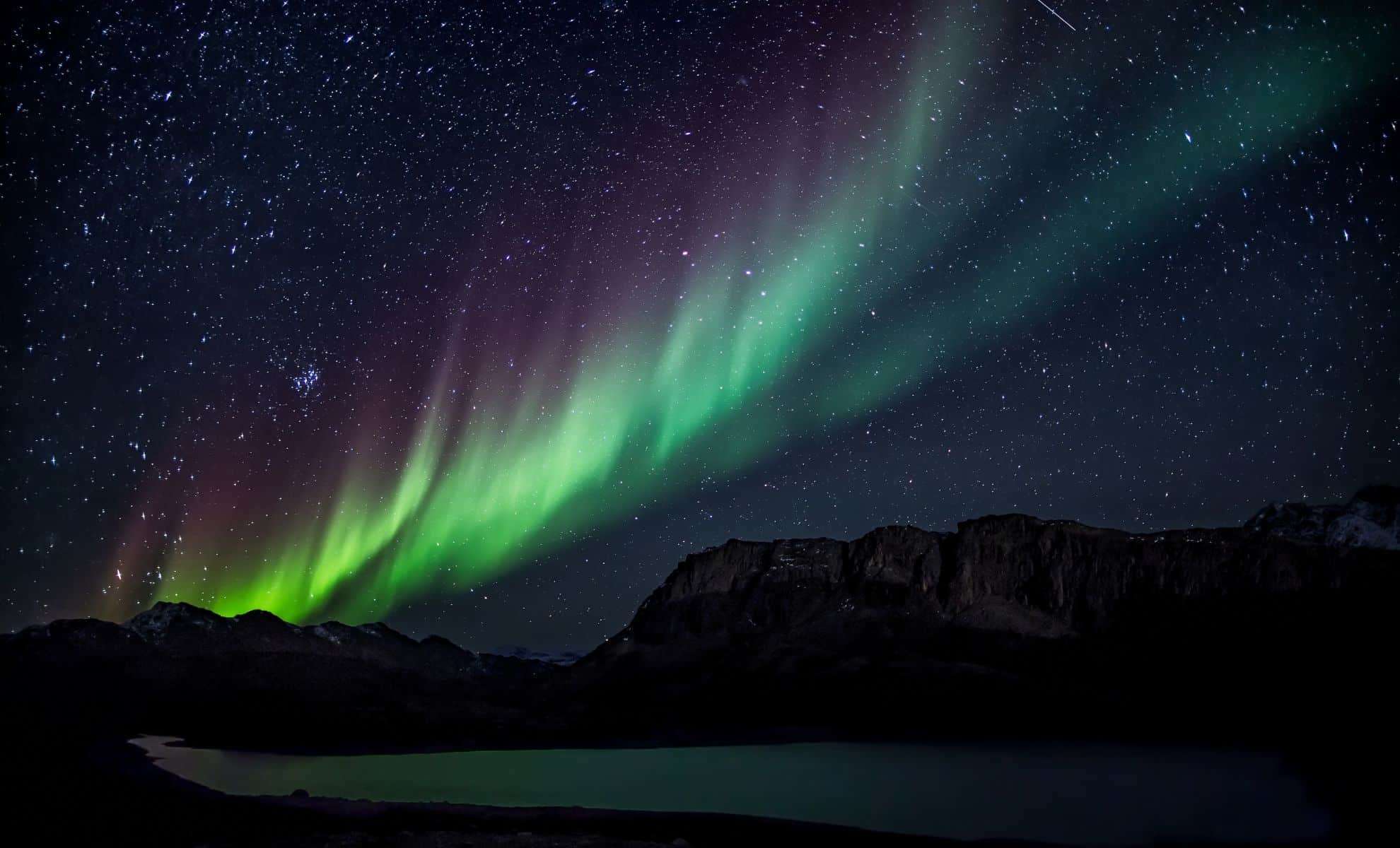
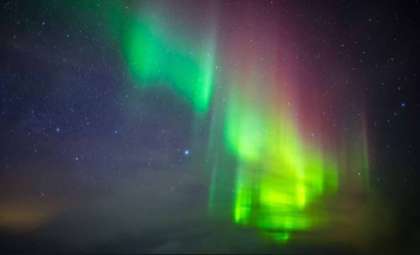
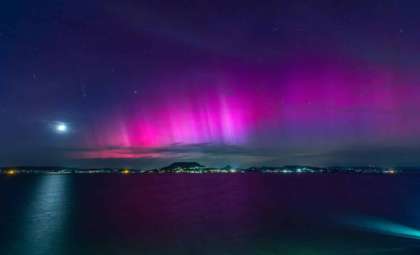
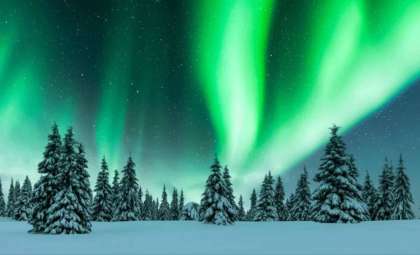
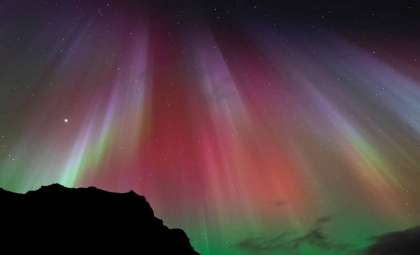
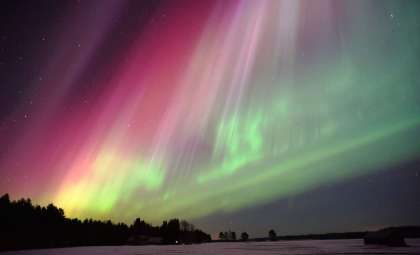
On Friday, March 15, 2025, a striking aurora display could be visible across portions of the northern United States. This phenomenon arises as a fast-moving solar wind stream impacts Earth's magnetosphere, pushing the auroral oval farther south than usual. The National Oceanic and Atmospheric Administration (NOAA) attributes this event to a coronal hole high-speed stream—an area of cooler, less dense solar plasma that releases solar wind more rapidly into space.
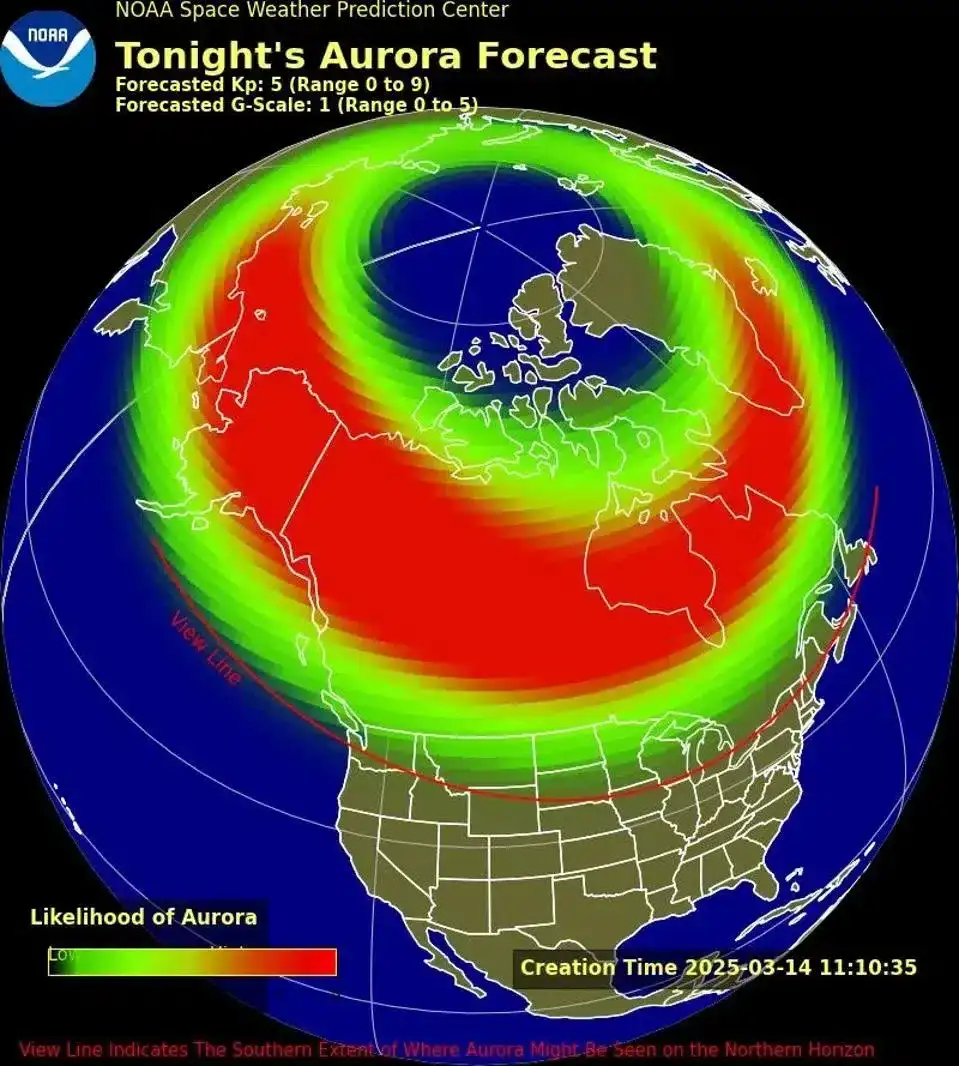
NOAA predicts a Kp index reaching 5 on a 9-point scale, signifying moderate geomagnetic disturbance, which may result in vivid and lively auroral displays for those situated within the optimal viewing zones. This geomagnetic activity is forecasted to carry over into Saturday with a slightly reduced Kp of 4 before diminishing by Sunday.
This surge in auroral events is linked to the continuing solar maximum, a phase of intensified solar activity that began in late 2024 and is projected to persist through early 2026.

Where to Watch the Aurora Tonight
Prime conditions for aurora observation remain in Alaska and the northern reaches of Canada. However, parts of the contiguous U.S. may experience glimpses of the Northern Lights if weather permits. The auroral viewing boundary dips just below the Canadian border, extending into select northern states.
States Most Likely to Witness the Aurora:
- Northeastern Washington
- Northern Idaho
- Montana
- North Dakota
- Northern Minnesota
- Northern Wisconsin
- Upper Michigan
States with Moderate Viewing Prospects:
- Northeastern Wyoming
- Northern South Dakota
- Northern Iowa
- New York
- New Hampshire
- Vermont
- Maine
Keep in mind that local weather and ambient light pollution will greatly influence visibility conditions.
Optimal Viewing Times and Tips for Spotting the Northern Lights
According to NOAA, the peak window to catch the aurora is between 10 PM and 2 AM local time. For the best experience:
- Choose a location free from urban light interference.
- Seek higher elevation to improve horizon views.
- Monitor space weather updates for real-time aurora forecasts.
- Be prepared to wait as the lights may appear suddenly and can be short-lived.
Tips for Photographing the Northern Lights
For those aiming to capture the aurora borealis, specialists suggest:
- Selecting a wide-angle lens to capture more sky.
- Using a wide aperture at f/4 or lower to gather ample light.
- Employing long exposures between 5 and 15 seconds to boost brightness.
- Activating night mode on smartphones and disabling the flash to preserve natural light.
Record-Breaking Auroral Activity in Recent Years
Northern Lights activity has surged dramatically, reaching peak levels unseen in five centuries during 2024, as reported by NASA. This spike is attributed to intensified solar events triggering powerful geomagnetic storms that draw the aurora much farther south than normal. In 2024, significant storms produced auroras visible as far south as Texas and northern Florida, a rare spectacle.
With the Sun maintaining its solar maximum phase, experts anticipate continued frequent and intense aurora sightings through 2025, offering numerous chances to enjoy this awe-inspiring light show.
Provided clear skies, tonight presents one of those uncommon opportunities to observe the Northern Lights in unexpected regions—so keep your eyes on the night sky!
- Categories:
- News




0 comments
Sign in to Comment