
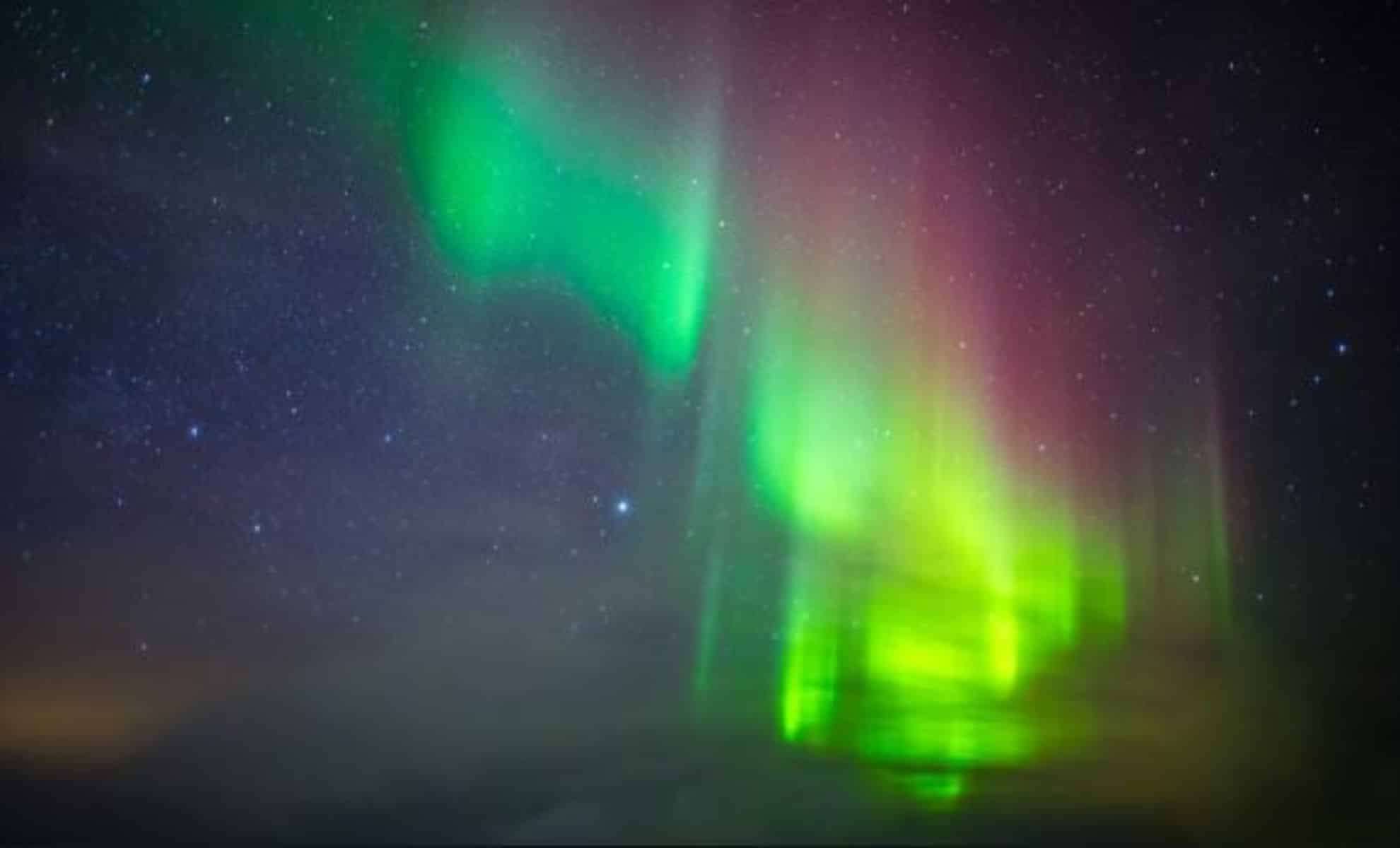
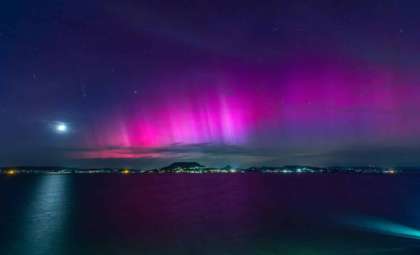
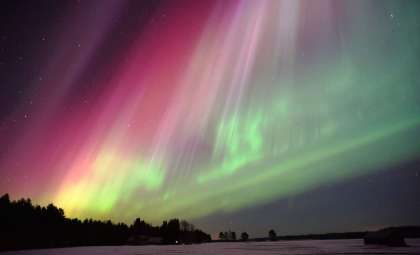
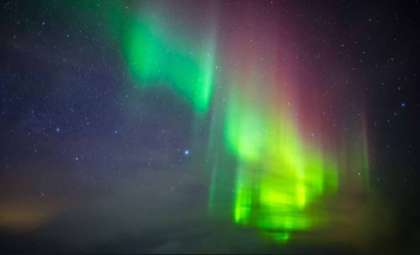
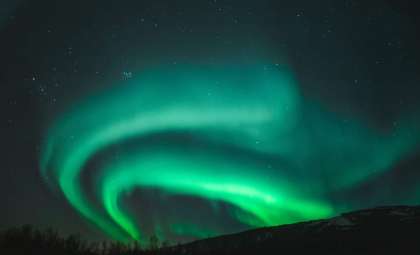
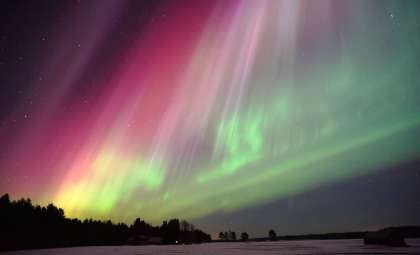
An increase in solar activity is lighting up the skies in parts of the northern United States this Tuesday evening, offering a rare chance to witness the mesmerizing Northern Lights, also known as the aurora borealis. Typically confined to polar zones, these colorful glows are now expected to be seen much farther south, due to strong geomagnetic disturbances caused by a recent solar flare. This dazzling green and pink spectacle not only delights viewers but may also signal more frequent aurora appearances as the sun approaches its upcoming solar peak.
Best Spots to Catch the Northern Lights
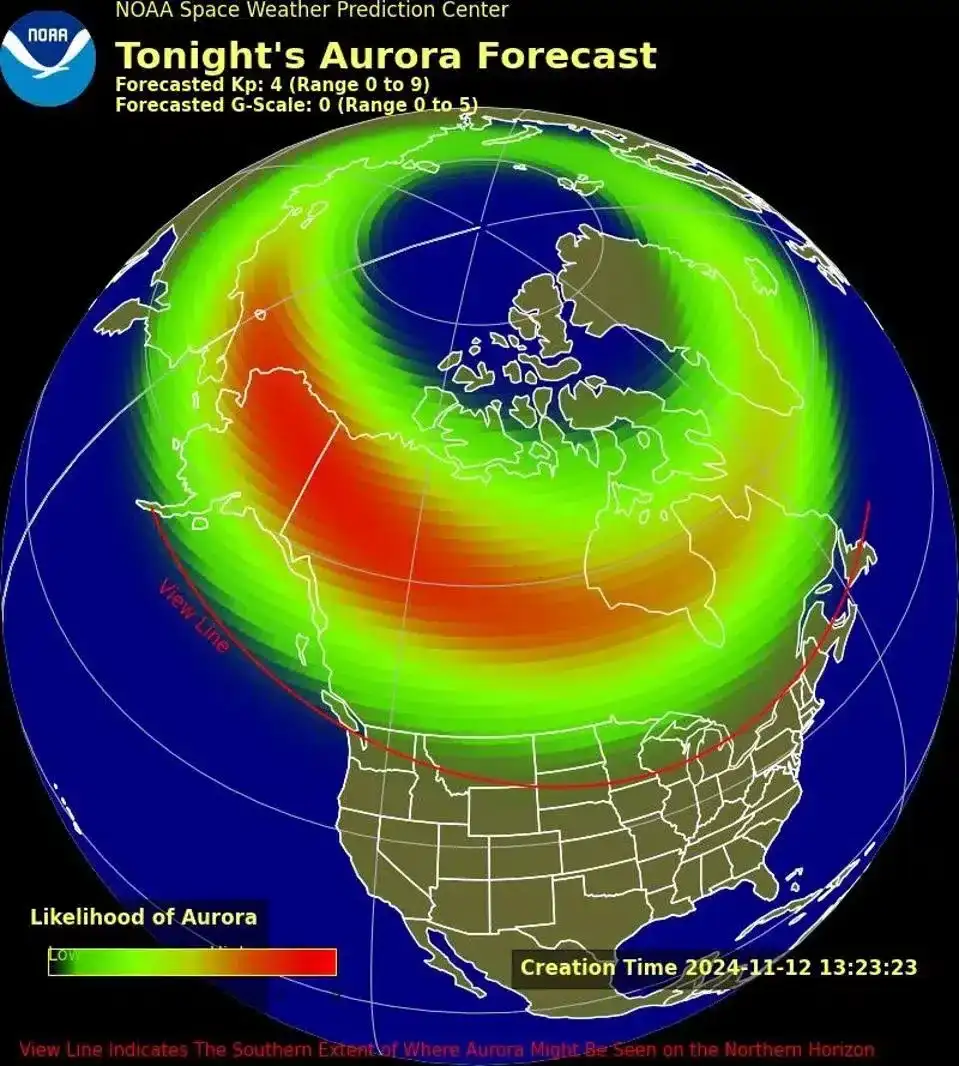
The National Oceanic and Atmospheric Administration (NOAA) has provided a forecast indicating that northern U.S. residents might witness auroras this evening. NOAA's aurora map highlights the greatest viewing prospects in northern Montana, North Dakota, and Minnesota, with possibilities extending into Washington, northern Idaho, South Dakota, Wisconsin, Michigan, and Maine—albeit with decreased chances farther south. Peak viewing hours are from 10 p.m. to 2 a.m. local time. Observers situated in areas free from light pollution and cloud cover will enjoy the best sightings, making it an excellent evening to escape urban brightness and gaze into the cosmos.
The Solar Forces Behind the Northern Lights
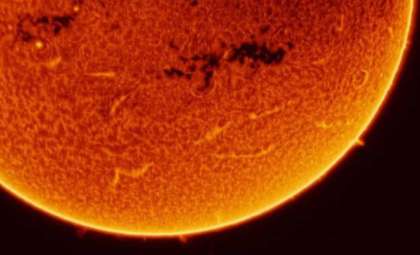
The auroras visible in the U.S. tonight are a result of recent solar flare activity—the Sun emitted a powerful burst of energy from its surface. When these solar flares direct their energy toward Earth, they interact with our planet’s magnetic shield and atmosphere, sparking the characteristic auroral glows. NOAA, which monitors these geomagnetic events, advises that “Auroral activity will likely decrease through Thursday, as no further geomagnetic storm conditions are expected.” However, a slight risk of solar radiation remains, which could momentarily disrupt power or communication.

According to a Forbes article, NOAA predicts an uptick in aurora occurrences in coming years as the Sun nears its next solar maximum, anticipated between 2025 and early 2026. This stage of the Sun’s 11-year cycle intensifies solar flares and coronal mass ejections, increasing the likelihood that the Northern Lights will be visible at lower latitudes. This means that more people in northern U.S. regions, even those typically beyond aurora zones, might soon get to enjoy these radiant natural light shows.
Tips for Seeing and Photographing the Aurora
NOAA suggests heading to elevated locations with minimal artificial lighting to maximize Northern Lights viewing chances. It’s also wise to monitor local weather for clear skies, as clouds can obscure the aurora. Photographers aiming to capture the lights should use night mode on smartphones or adjust manual settings on dedicated cameras. Setting a slow shutter speed, boosting ISO, and using the widest aperture can help reproduce the aurora's intense colors in photos.
This week’s night sky will also feature the Taurid meteor showers alongside November’s supermoon. The supermoon will shine approximately 30% brighter and 14% larger than a typical full moon, creating an exciting backdrop for stargazing. Together with the Northern Lights, these celestial events promise a spectacular viewing experience that highlights some of the night sky’s most stunning phenomena.
- Categories:
- News




0 comments
Sign in to Comment