
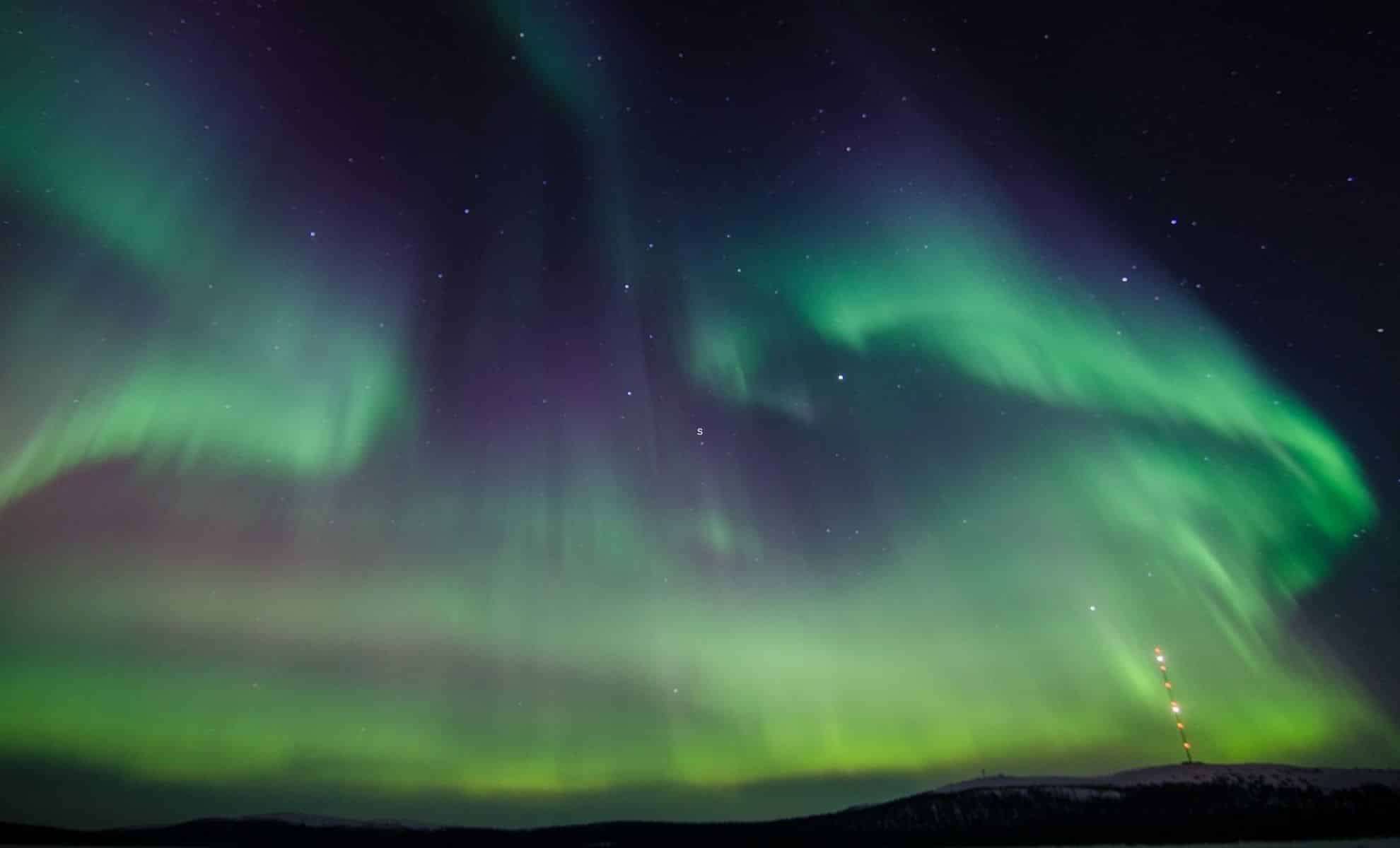
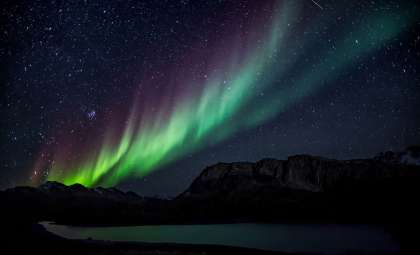
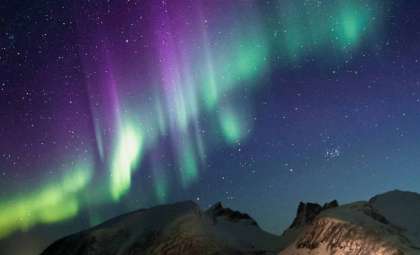
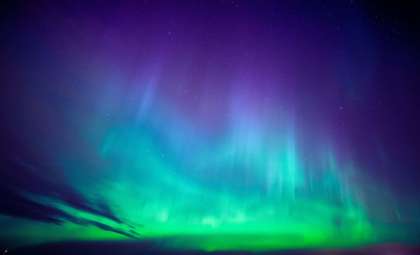
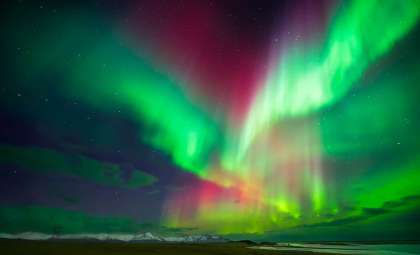
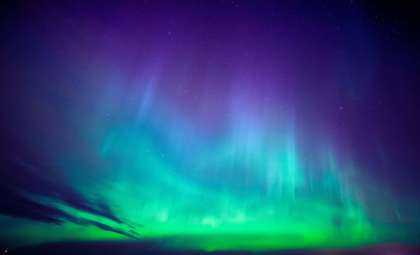
A geomagnetic storm anticipated this evening could showcase the breathtaking Northern Lights across numerous parts of the United States, with the National Oceanic and Atmospheric Administration (NOAA) forecasting vibrant auroral activity in up to 15 states. This aurora surge coincides with the sun’s current period of intense activity, known as the solar maximum, which increases the frequency and brilliance of these dazzling sky displays. Stargazers throughout the northern U.S. have a rare chance to enjoy this stunning natural phenomenon.
According to NOAA, the areas where the Northern Lights will most likely be observed tonight stretch broadly, with Alaska offering prime viewing opportunities. Other states such as Washington, Idaho, Montana, and Minnesota also stand a good chance to witness moderate auroral displays. The prime time for spotting the lights is expected to be between 10 p.m. and 2 a.m. local time.
Regions with Aurora Viewing Opportunities Tonight
Alaska remains the premier location to watch for the Northern Lights, given its closeness to the Arctic Circle and typically clear, dark skies. Meanwhile, several other states offer varying probabilities for catching the auroras depending on their geographic position and weather conditions. The NOAA highlights the following areas as notable spots for this event:

- Highest chances: Alaska, Washington, Idaho, Montana, North Dakota, Minnesota, Michigan, Wisconsin
- Moderate chances: Wyoming, South Dakota, Iowa, New York, New Hampshire, Vermont, Maine
In these locations, the aurora appears as charged solar particles collide with Earth's magnetic field during the geomagnetic storm, creating a mesmerizing light show for observers in the right place at the right time.
Maximizing Your Opportunity to See the Northern Lights
Experiencing the Northern Lights can be extraordinary, and several strategies can improve your chances of witnessing the spectacle. NOAA recommends seeking elevated locations like hills or mountains to avoid obstructions from buildings or foliage. Moving northward toward the auroral oval—the region with the highest aurora intensity—also increases visibility.
Avoiding areas with heavy artificial light is crucial since city lights can overshadow the faint glow of the aurora. Opting for remote locations with little to no light pollution will grant a clearer and more vivid view.
Timing also plays a key role. The best window for viewing generally falls between 10 p.m. and 2 a.m. local time when aurora activity peaks. Additionally, clear, cloudless skies greatly enhance the likelihood of seeing the colorful displays.
Capturing the Northern Lights with Your Camera
Those aiming to photograph the aurora borealis will benefit from detailed preparation. Using a tripod is essential to keep the camera steady during the long exposure times needed to catch the dim light. Employing a wide-angle lens helps frame the expansive sky, and shutter speeds between 15 and 30 seconds usually produce the best results.
iPhone users can take advantage of the built-in night mode, which adjusts automatically for low-light conditions to reveal the aurora’s vivid colors. Ensuring the phone's camera is set to the highest resolution preserves the intricate details of the light patterns.
The Current Surge in Northern Lights Explained
The sun’s 11-year solar cycle includes a peak phase called the solar maximum, during which solar flare activity and coronal mass ejections (CMEs) intensify. These events disrupt Earth’s magnetic field and generate the aurora borealis. The current solar maximum has been notably powerful, surpassing expectations and even reaching levels not seen in over 500 years, according to NASA.
This elevated solar activity has triggered more frequent geomagnetic storms, resulting in stronger and more widespread auroral appearances. NASA experts predict that this heightened display will continue until about 2026, when the solar cycle begins to wane and solar disturbances diminish.
- Categories:
- News




0 comments
Sign in to Comment