
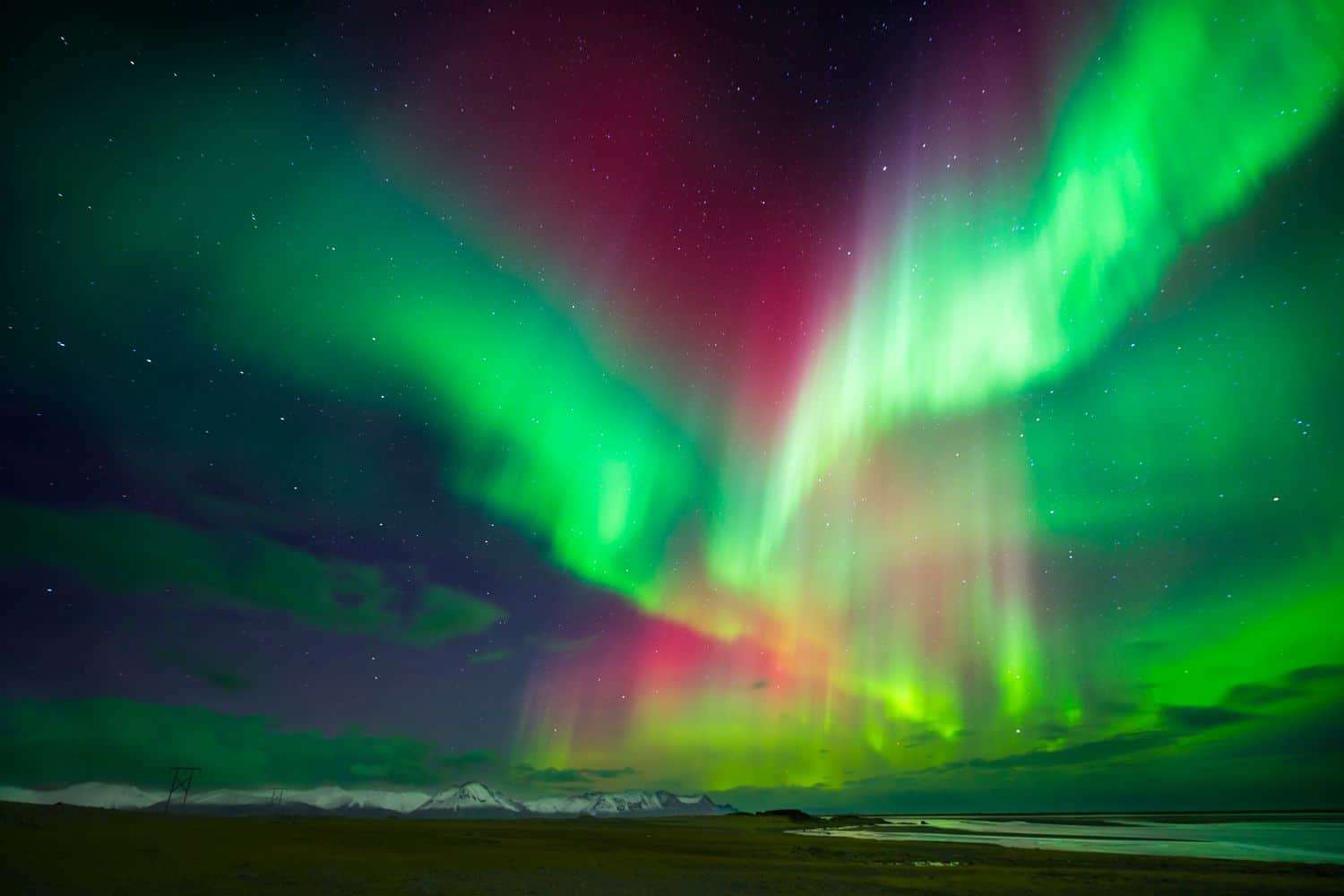
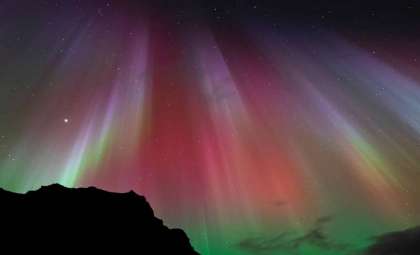
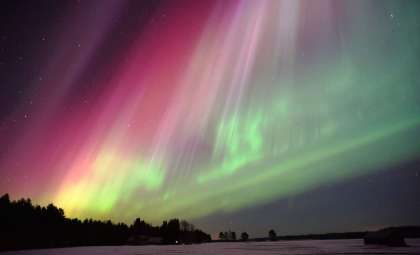
Sky enthusiasts across the northern United States are eagerly anticipating a vibrant display of the aurora borealis, expected to illuminate the night skies as far south as 15 states. Recent solar activity has prompted NOAA to predict geomagnetic storms that could extend the reach of the northern lights beyond their usual range this weekend. As cited by Forbes, this extraordinary occurrence might be visible in areas of Washington, Minnesota, New York, and Maine. Where will you be when the skies come alive?
Timing and Locations for Aurora Sightings
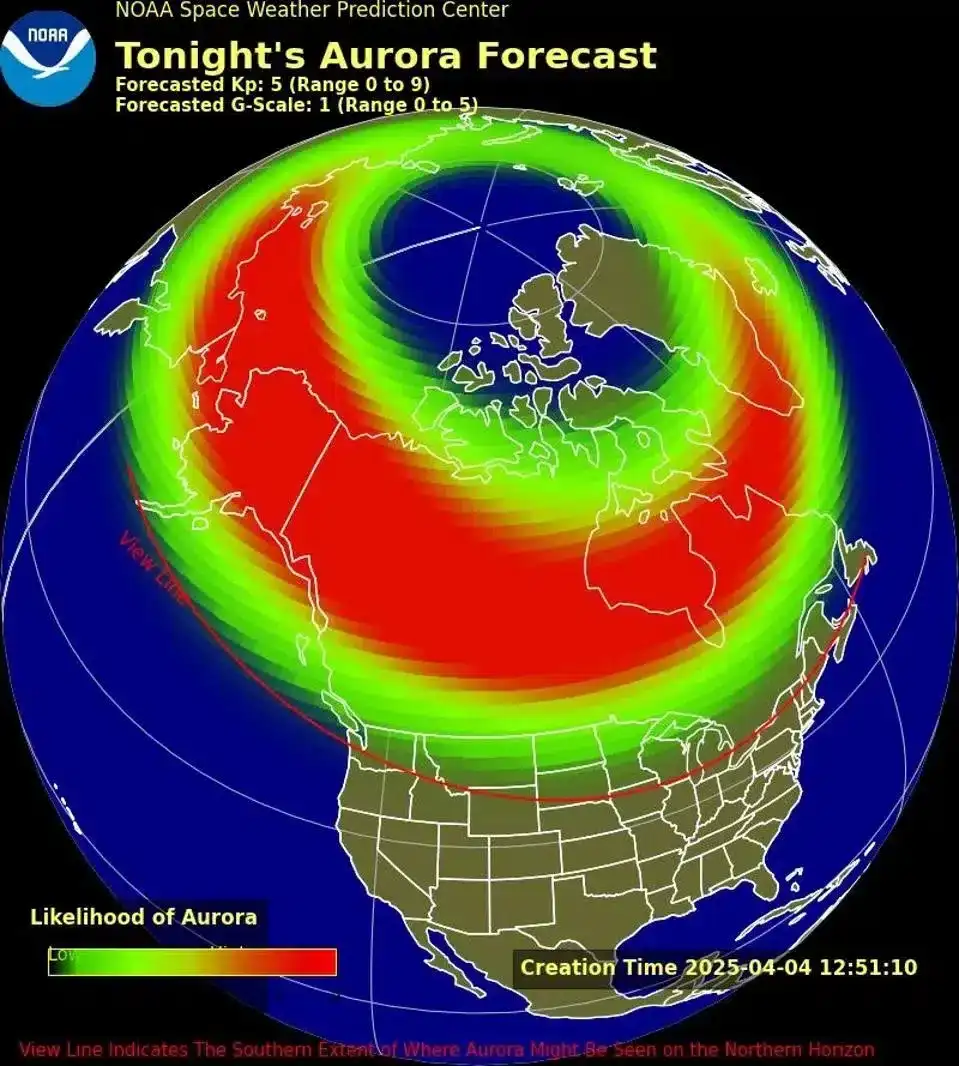
The aurora borealis is usually confined to higher northern latitudes, yet this weekend a strong geomagnetic storm is forecast to push the spectacle farther south, allowing people in northern U.S. states to witness this rare phenomenon. NOAA’s forecast indicates prime visibility in parts of Alaska and Canada, while regions including North Dakota, northern Michigan, and Montana have increased chances of sightings. States such as Wyoming, South Dakota, Iowa, and areas within New England could also experience glimpses of the lights, albeit with diminishing intensity further south.
This event offers many a unique chance to enjoy one of Earth’s most stunning natural light shows without traveling to Arctic regions. The aurora is predicted to be most vivid on Friday night, between 10 p.m. and 2 a.m. local time, coinciding with optimal dark sky conditions.

The Science Behind Geomagnetic Storms and the Aurora
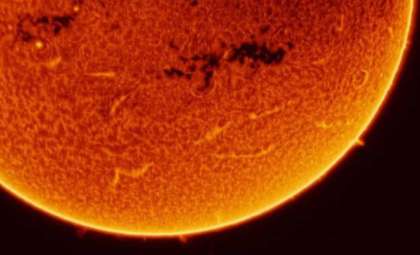
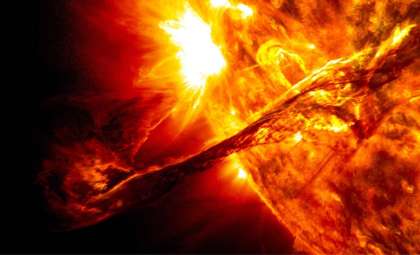
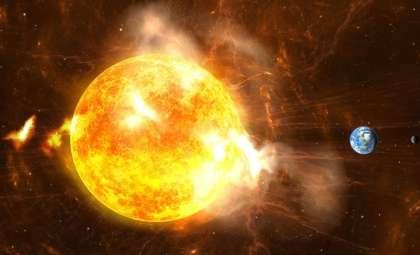
What causes these spectacular light displays? The northern lights, or aurora borealis, result from solar phenomena like solar flares and coronal mass ejections that propel charged particles toward Earth. These particles interact with our planet’s magnetic field, exciting atmospheric gases and producing vivid, colorful lights. Currently, a coronal hole on the sun is expected to send streams of particles our way, triggering geomagnetic storms.
We’re currently amid a phase of heightened solar activity known as the solar maximum, which boosts the frequency and strength of geomagnetic storms. This heightened activity means the auroras might extend further south than usual—setting the stage for spectacular scenes in places unaccustomed to such displays. With years like 2025 ahead, skywatchers can anticipate more frequent viewing chances.
Tips for Experiencing the Northern Lights
Experiencing the aurora borealis takes some preparation. Experts at NOAA advise finding an elevated location far from urban light pollution to maximize your viewing. Ideal viewing times generally fall between 10 p.m. and 2 a.m. when the sky is darkest.
If you plan to photograph the spectacle, use a wide-angle lens with a low aperture (around f/4 or below). Smartphone users should activate night mode and disable the flash to capture the best images. Dressing warmly is essential, as the best aurora sightings often require spending time outdoors in chilly air.
What Makes This Solar Activity Unique?
The ongoing solar maximum plays a crucial role in the current spate of auroral events. According to NASA, the previous solar cycle reached a 500-year high in 2024, placing us in an exceptional period for aurora visibility. This peak, expected to last through 2026, is driving more frequent and powerful geomagnetic storms.
In May 2024, one of the most intense geomagnetic storms of recent times brought the northern lights to unusual southern locales like Florida and Texas. Such events underscore the remarkable solar activity currently influencing Earth’s magnetic environment.
- Categories:
- News




0 comments
Sign in to Comment