
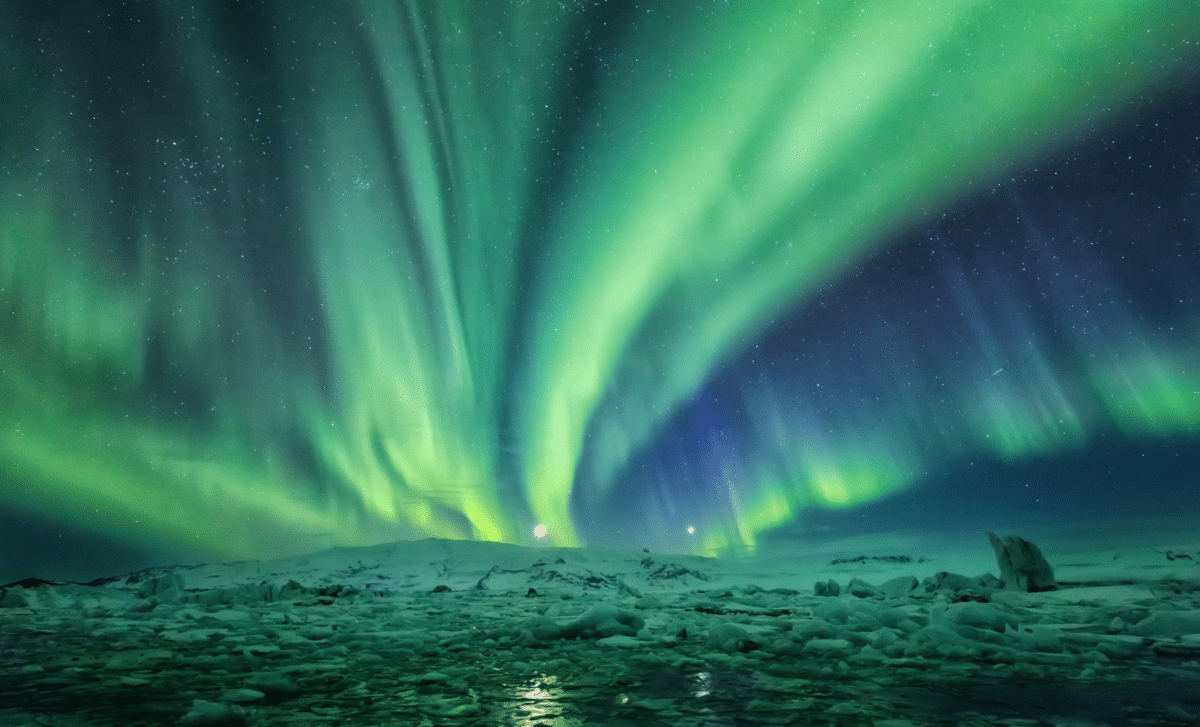
A rapidly advancing solar disturbance identified by NOAA has significantly raised the probability of witnessing the aurora borealis over extensive areas of the United States from Thursday night into the early hours of Friday. Experts have elevated the intensity of the incoming event to a G2 geomagnetic storm after detecting an Earth-bound coronal mass ejection erupting from the Sun. This timing is advantageous for viewers since the Moon is nearing its new phase, resulting in darker skies that enhance the visibility of even subtle auroral glows. Should conditions be ideal, millions across northern and central regions may experience one of this year's most expansive aurora displays.
Solar Explosion Alters Aurora Outlook
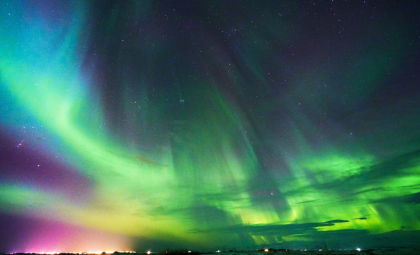
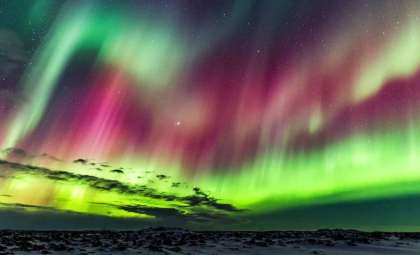
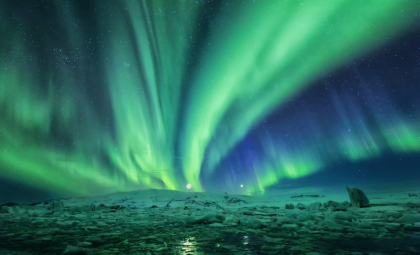
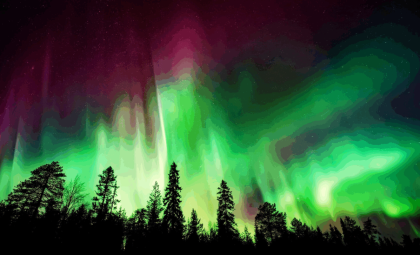
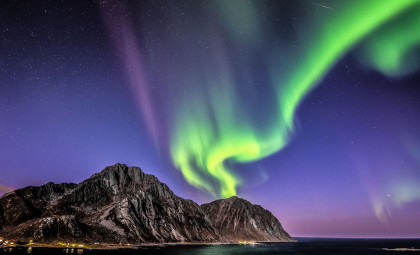
The enhanced forecast comes after scientists observed a coronal mass ejection (CME) launched from heightened solar activity seen earlier this month. These solar eruptions are closely tracked due to their potential to send energetic charged particles toward Earth. When these particles interact with Earth's magnetosphere, they can stimulate geomagnetic storms, producing dazzling auroras at latitudes far beyond the Arctic Circle. Based on the Space Weather Prediction Center run by NOAA, the storm has been upgraded to G2 strength, strong enough to move aurora visibility further south than typical. The prime observation window is now expected between 10:00 p.m. EDT Thursday and 1:00 a.m. EDT Friday. During this interval, northern states could see shifting waves of green, red, and purple luminescence illuminating the horizon. Intense bursts of solar activity may briefly brighten the auroras and extend visibility to southern latitudes.
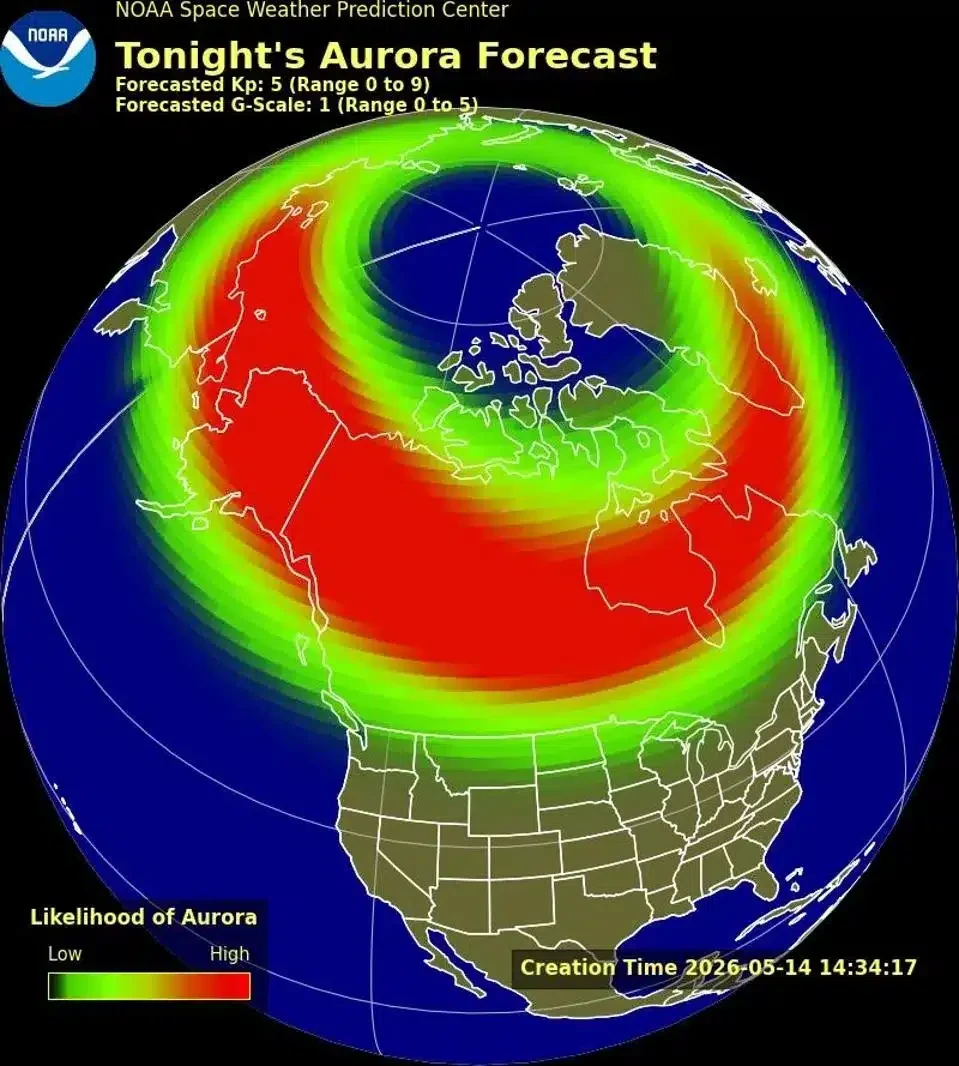
Expanded Aurora Visibility Across Northern United States
This upgraded geomagnetic warning significantly broadens the areas where the aurora might be observed. Under milder G1 storm conditions, the aurora would mostly be limited to states bordering Canada such as Montana, North Dakota, Minnesota, Wisconsin, Michigan, and Maine. However, now with the G2 forecast in place, sightings may reach into parts of Oregon, Wyoming, Nebraska, Iowa, Illinois, Indiana, Ohio, New York, Vermont, and New Hampshire. When skies are clear and free from city light pollution, even faint auroral glows may be seen along the northern horizon. Modern cameras and smartphones can capture subtle colors not easily visible to the naked eye, enhancing photographic displays. Weather conditions remain crucial, and cloud cover could obstruct views in some locations. Enthusiasts should consult local weather updates and real-time aurora tracking tools through the evening.

The Renewed Surge of Solar Activity
After a period of relative calm, solar researchers have detected an increase in solar activity. On May 7, an M2-class solar flare erupted from an active sunspot area, marking a resurgence in the Sun’s magnetic dynamics. Solar flares and CMEs are triggered by twisting magnetic fields above sunspots, cooler, darker regions on the solar surface. The Sun is moving closer to the peak of its roughly 11-year solar cycle, during which solar eruptions and intense space weather events become more frequent. This uptick in activity explains the recent increase in brightness and frequency of auroras seen over the past year. Some geomagnetic storms have allowed auroras to be visible unusually far south in the continental United States. Scientists anticipate more solar eruptions as active sunspot regions rotate back into Earth-facing positions in the weeks ahead.
- Categories:
- News



0 comments
Sign in to Comment