
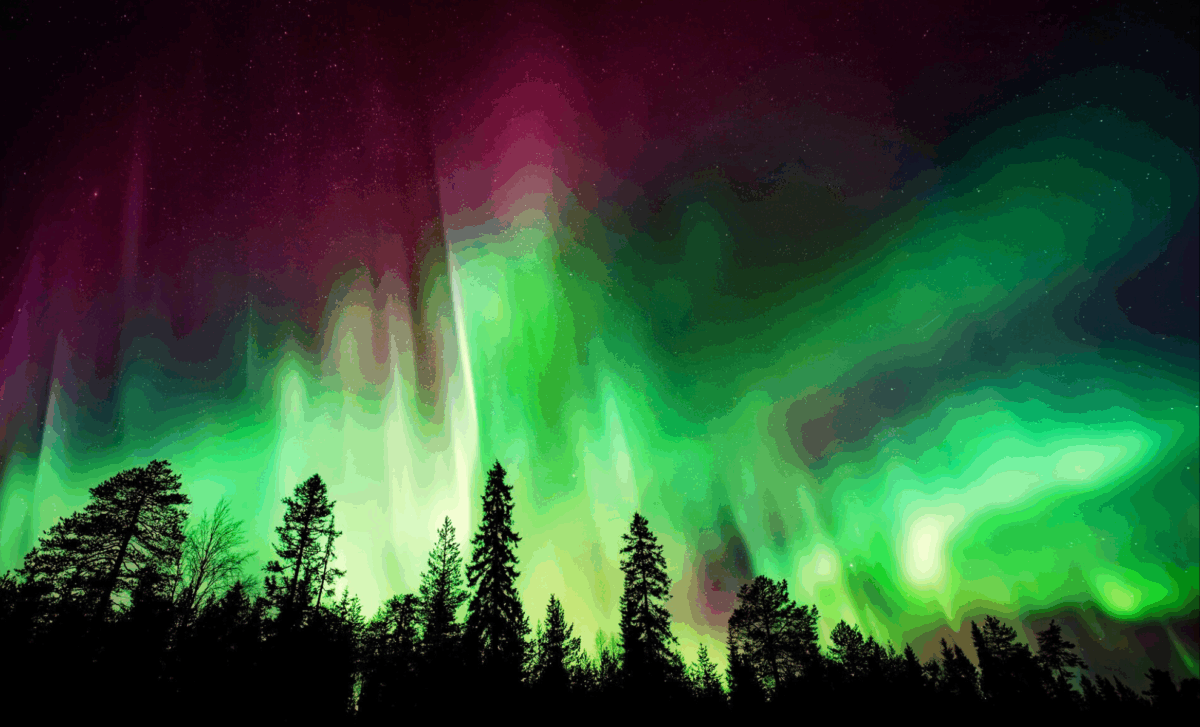
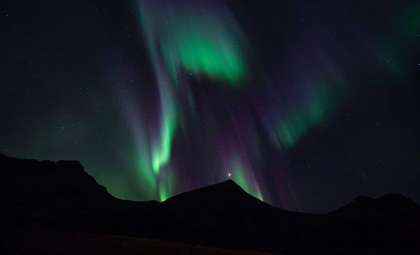
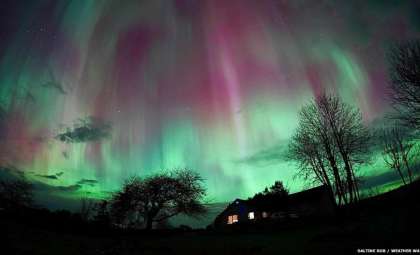
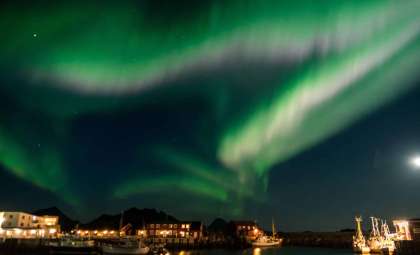
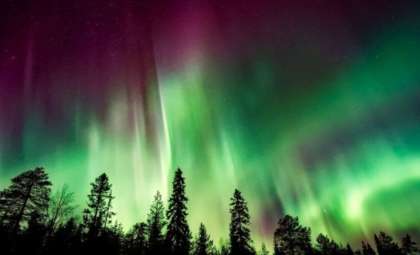
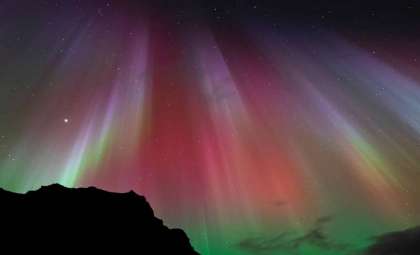
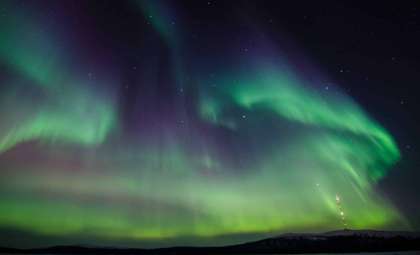
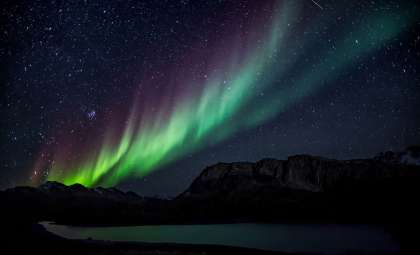
This weekend, spectacular displays of the Aurora Borealis are expected to brighten the night skies across a dozen U.S. states. This is driven by a G1-level geomagnetic storm forecasted by NOAA’s Space Weather Prediction Center (SWPC). The natural wonder, caused by interactions between solar wind and Earth's magnetic field, will be visible to the naked eye and cameras during the early morning hours on Sunday, Oct. 12, 2025. The storm is predicted to push the auroral oval farther south than usual, providing many more people a chance to experience this incredible light display.
What Causes the Northern Lights?
The Northern Lights are a dazzling natural spectacle that occurs when charged particles emitted from the Sun collide with gases in Earth’s atmosphere. These charged particles funnel toward the polar regions, where they interact with atmospheric molecules to create brilliant light shows. Solar activity, especially around solar maximum periods with more sunspots and coronal mass ejections, plays a key role in intensifying these auroral displays.
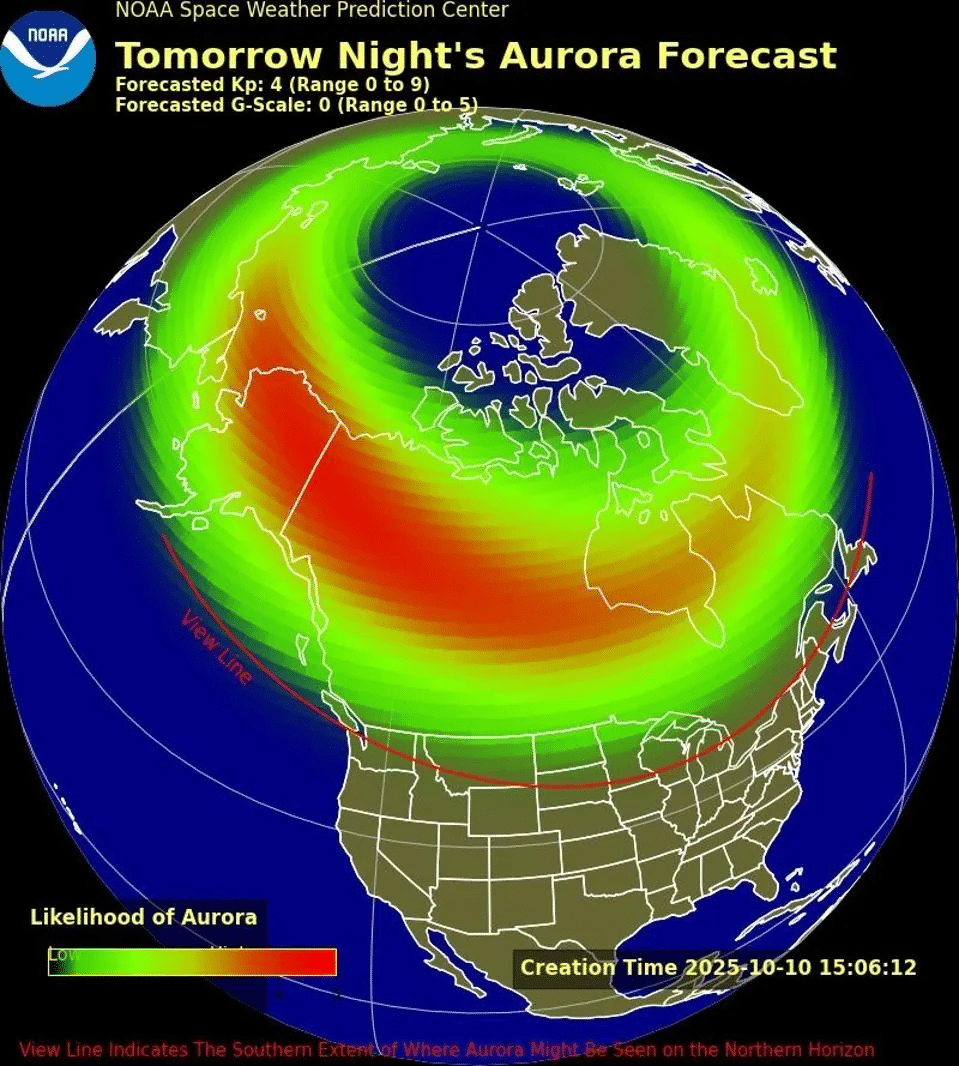
According to forecasts, the upcoming G1 geomagnetic storm—the lowest on the NOAA scale—will be strong enough to extend the auroral zone down to around 45 degrees latitude. This means states such as Michigan, New York, and parts of Washington could witness the Northern Lights—a rare opportunity for many living outside the usual aurora zones. This event coincides with the solar maximum cycle, enhancing aurora sightings this year compared to recent years.

Solar Wind and the Role of Coronal Holes
The key driver behind this increased auroral activity is a burst of solar wind expected to hit Earth’s magnetic field. NOAA’s SWPC predicts that a fast-moving solar wind stream emerging from a coronal hole on the Sun will interact with our planet’s magnetosphere, sparking geomagnetic storms. Coronal holes are areas where the Sun’s magnetic field opens, letting solar wind escape at high speed toward Earth.
This influx of solar wind will disturb Earth’s magnetic environment, potentially causing auroras to be visible further south than usual. While coronal holes are regular features on the Sun, their timing and size, especially during equinox periods when Earth’s and the Sun’s magnetic fields align better, can amplify geomagnetic storm effects. These disturbances may last several days, so even if you miss the peak display on Oct. 12, stunning auroras might still occur in the following nights.
Which States Can Expect to See the Aurora?
As the geomagnetic storm unfolds, the Northern Lights will mainly appear in northern U.S. states and select regions in Canada. Alaska remains a premier viewing destination due to its proximity to the Arctic Circle. However, residents of the contiguous U.S. may catch the aurora as far south as Washington and New York.
In particular, northern areas of Washington, Idaho, Montana, and Wyoming could witness the lights early Sunday morning, Oct. 12. Similarly, northern Minnesota, Wisconsin, Michigan, North Dakota, South Dakota, and Maine are also positioned to spot this rare display. Since urban light pollution can mask the aurora, the best viewing experience will be in dark, remote locations. Anyone within these states should look for clear, unobstructed skies to admire this natural spectacle.
- Categories:
- News



0 comments
Sign in to Comment