
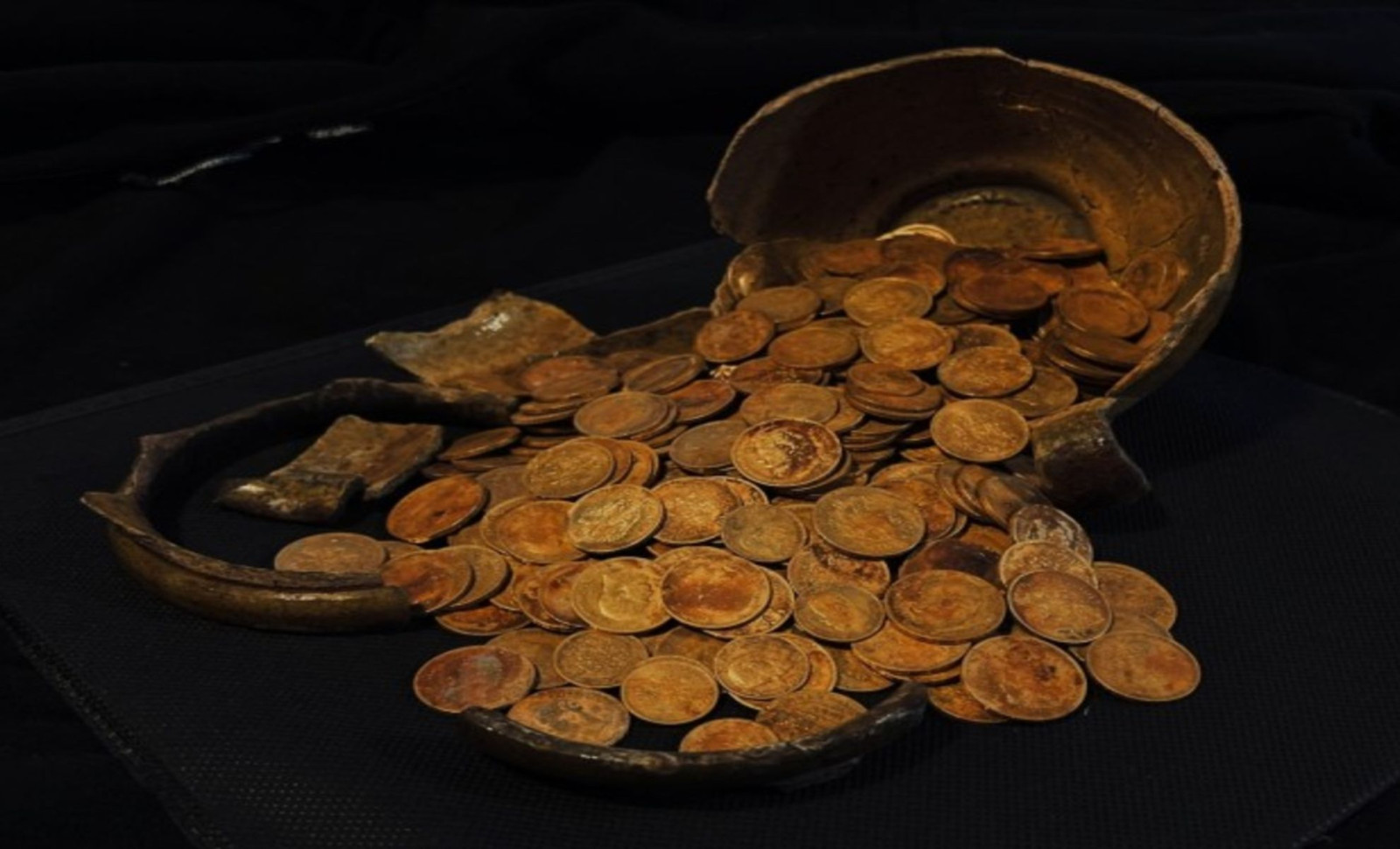
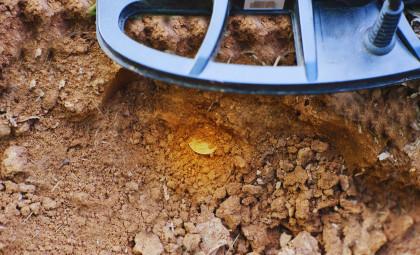
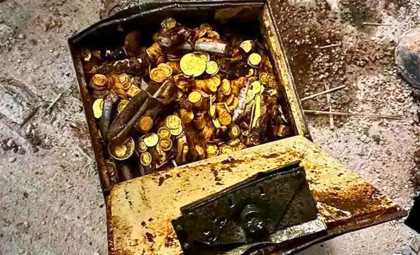
Archaeologists unearthed a hidden collection of 409 gold coins under a demolished house in Torzhok, Russia, where it had lain undiscovered for more than a hundred years. Found during 2025 excavations, the treasure is believed to be connected to the chaotic period surrounding the 1917 Revolution, likely abandoned by its owner who never returned.
The finding occurred in the Tver region amid emergency digs prior to construction activities. The project was led by the Institute of Archaeology of the Russian Academy of Sciences together with the All-Russian Historical and Ethnographic Museum.
Excavations took place along Sadovaya Street, a historically significant neighborhood in the city. The site is located approximately 60 meters from where the Dmitrievskaya Church once stood before its demolition in the 1930s.

Fragmented Pot Reveals Hidden Treasure
Below the stone base of a wooden dwelling destroyed during World War II and later reconstructed, workers found shards of a ceramic vessel tucked beneath the foundation stones.
This container, identified as a "kandyushka," is a small glazed jar traditionally used for storing items. According to a translated release from the Institute of Archaeology of the Russian Academy of Sciences:
“Gold coins spilled from the broken pot during foundation removal work. The pot was a clay jar with a handle and a brown-yellow glaze, known as a kandyushka according to ethnographic sources.”
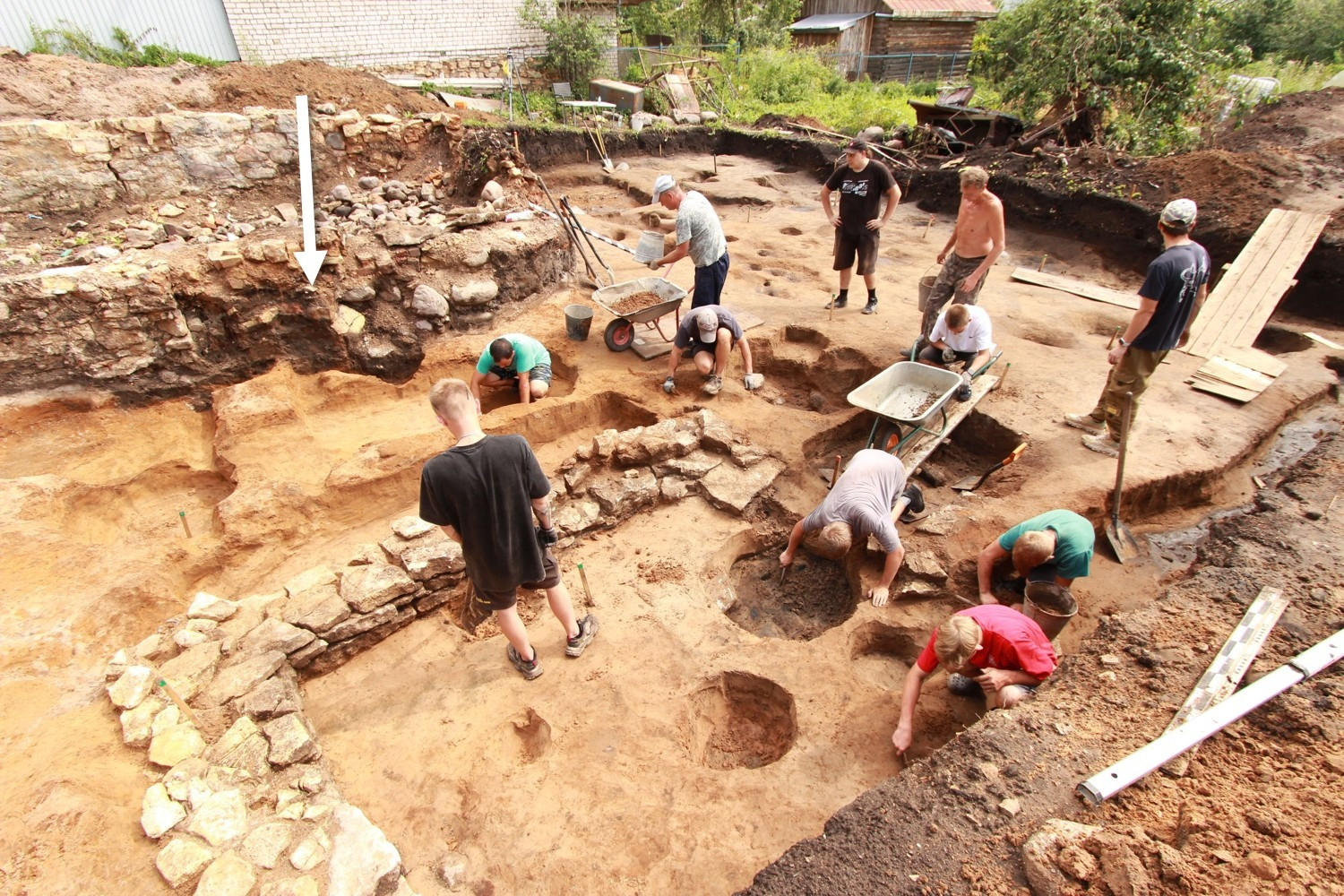
The jar's strategic position strongly suggests it was intentionally buried to safeguard valuables. The archaeological area spanned about 252 square meters, with the treasure uncovered near the site’s center.
Gold Coins Dating Back to Imperial Russia
The hoard comprises 409 gold coins minted between 1848 and 1911, encompassing the reigns from Nicholas I to Nicholas II. The majority are 10-ruble denominations, prevalent during the late Russian Empire period. The inventory lists 10 coins of 5 rubles, 2 of 7.5 rubles, 387 of 10 rubles, and 10 of 15 rubles.
“The total value of the coins in the treasure amounts to 4,070 gold rubles. The hoard was likely hidden during or after the revolutionary events of 1917. Apparently, its owner never came back to retrieve it,” the researchers said.
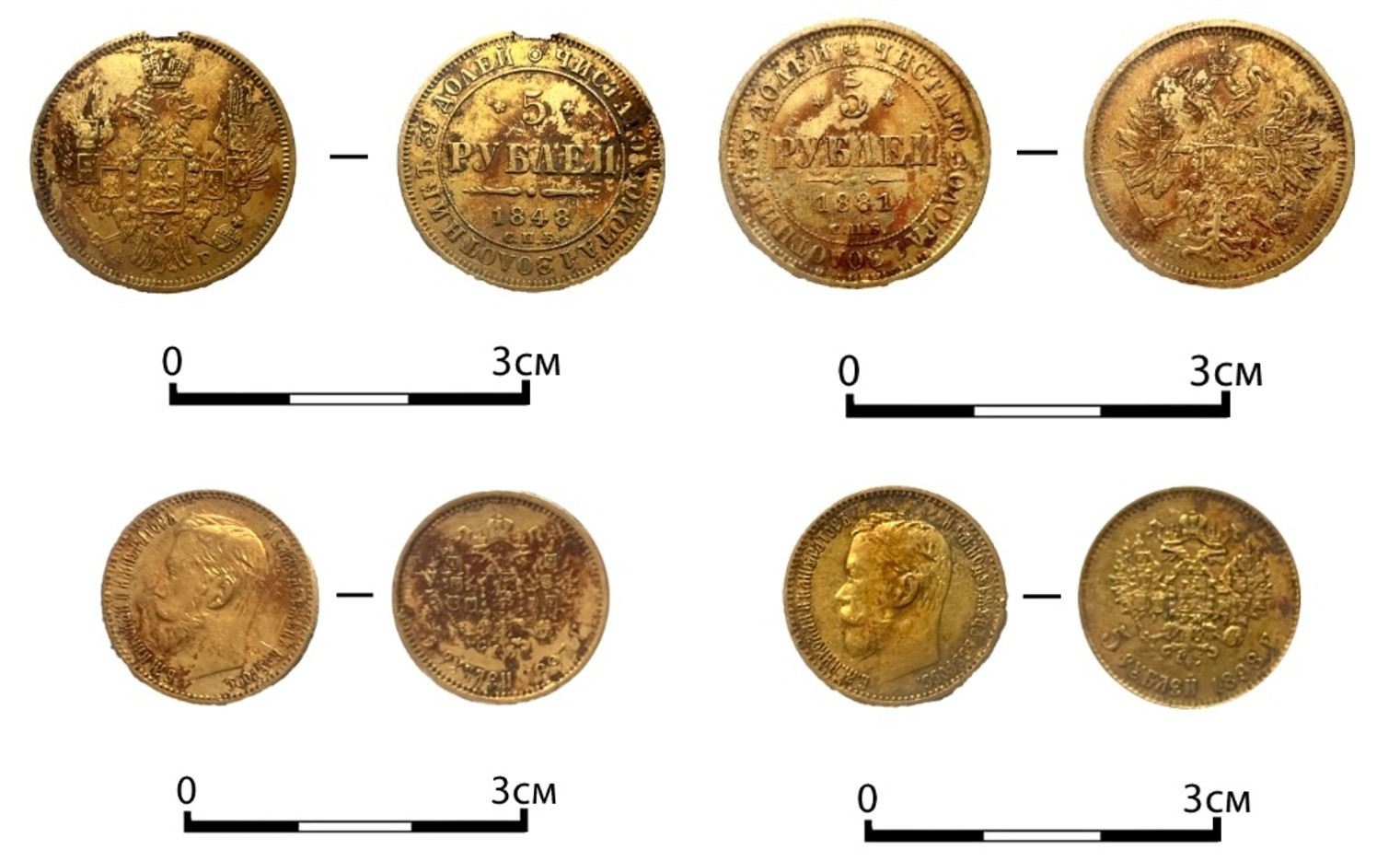
Experts pointed out that the most recent coin dates from 1911, indicating the treasure was concealed just a few years before the 1917 Revolution. During that era, many chose to hide their wealth to prevent theft or confiscation. Such discoveries are rare because gold coins were often recirculated or later recovered, making this untouched hoard particularly remarkable.
Owner’s Identity Remains a Mystery
The person behind the stash has yet to be identified. Historical documents reveal that between 1914 and 1921, the street housed 24 families, including clergy, merchants, artisans, and office workers. Matching these records to present-day locations is challenging, leaving the owner’s identity unknown.
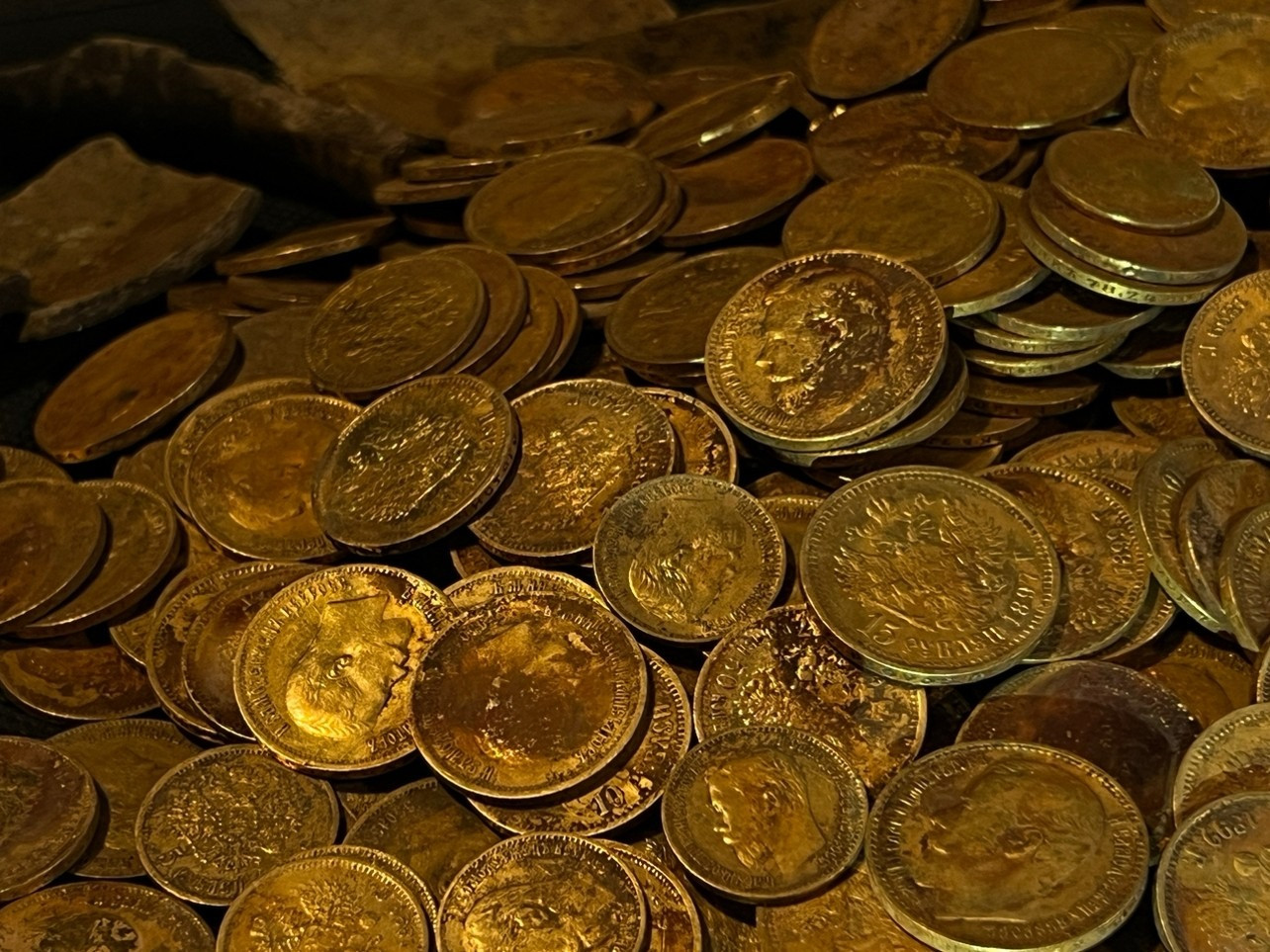
The find is classified as a “return hoard,” meaning it was stashed away temporarily with plans to retrieve it later. However, those plans were disrupted, most likely due to the political upheaval of the time. Following conservation and analysis, the coins will be exhibited at the All-Russian Historical and Ethnographic Museum in Torzhok.
- Categories:
- News






0 comments
Sign in to Comment