
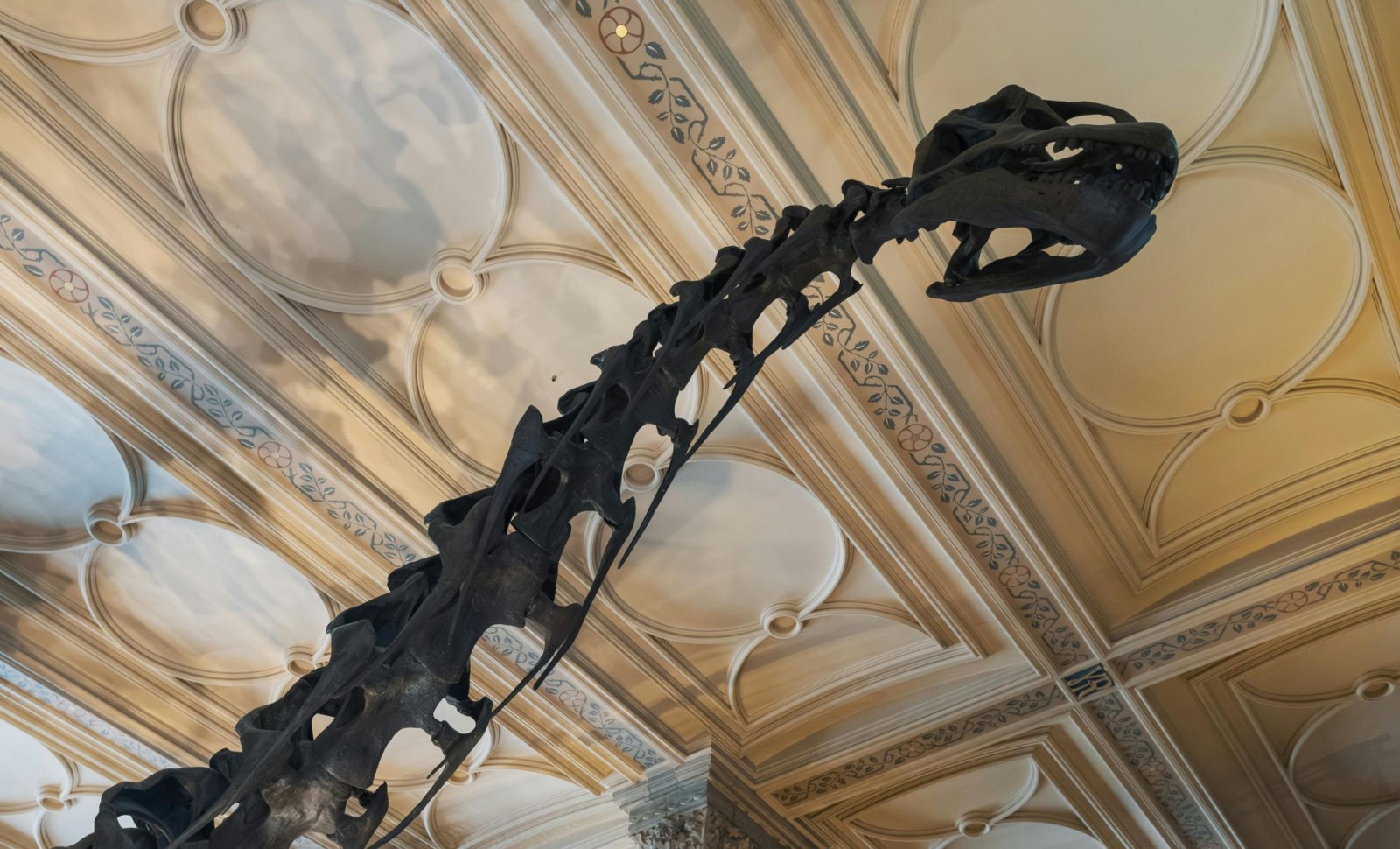
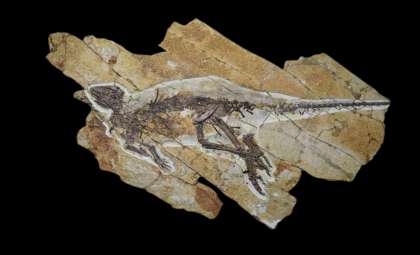
A dinosaur fossil tucked away for more than 100 years has recently been identified as belonging to a completely new species. Named Tuebingosaurus maierfritzorum, this fossil from Germany was initially mistaken for a Plateosaurus.
Thorough examination by paleontologists at the University of Tübingen uncovered that the specimen belonged to a distinct genus. Originally excavated in 1922, the fossil remained largely overlooked in a collection until modern analysis brought new insights to light.
A Rediscovered Relic Unveils Surprising Details
The story of Tuebingosaurus began with a typical case of mistaken identity in the field of paleontology. According to research published in Vertebrate Zoology, the skeleton found near Trossingen, Germany was long classified as Plateosaurus, a bipedal herbivore. However, researchers Regalado Fernandez and Ingmar Werneburg revisited the fossil in the university’s archives and found unexpected evidence.

The bones previously thought to belong to a bipedal dinosaur displayed traits indicative of a quadrupedal animal. Experts reported:
“This is unlike the Plateosauridae, which although resembling the long-necked sauropods from the Jura region, likely moved only on two legs,” they explained in a statement published by University of Tübingen.
Distinct features such as broader hips, sturdier long bones, and fused sacral vertebrae all pointed to a four-legged gait. This reanalysis led to the identification of a unique dinosaur species that had remained undiscovered for almost a hundred years.
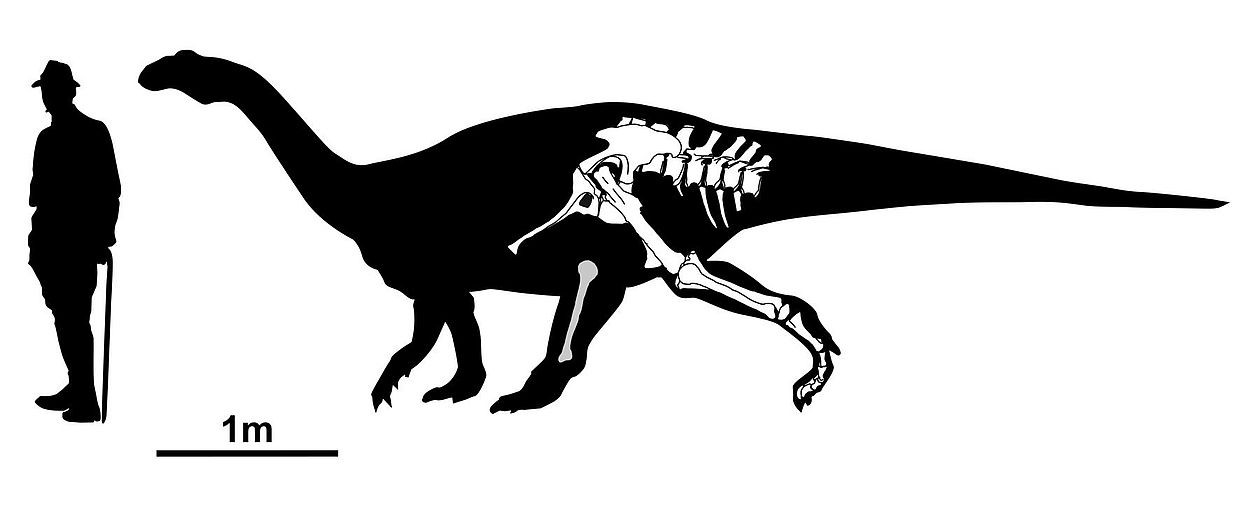
Introducing Tuebingosaurus maierfritzorum: A New Chapter in Dinosaur History
The newly named Tuebingosaurus maierfritzorum inhabited the Swabian Alb region in southwestern Germany approximately 203 to 211 million years ago. Unlike the traditionally bipedal Plateosaurus, this dinosaur was quadrupedal and shares closer evolutionary ties to later long-necked sauropods like Diplodocus. The genus name honors the city of Tübingen.
“Its genus name, Tuebingosaurus, is a homage to our beautiful university city and its inhabitants,” explained Werneburg.
The species designation maierfritzorum recognizes Wolfgang Maier and Uwe Fritz, German zoologists who have made notable contributions to evolutionary science. This discovery challenges the previous notion that Plateosaurus was the sole dominant dinosaur in the region, revealing a richer diversity. Regalado Fernandez noted:
“The fact that it has been illustrated since the early 20th century as part of Plateosaurus may suggest that some noise has been introduced into the phylogenetic analyses of the past decade by assuming all the medium to large-sized sauropodomorphs from Germany belonged to the same species,” the pair shares.
- Categories:
- News




0 comments
Sign in to Comment