
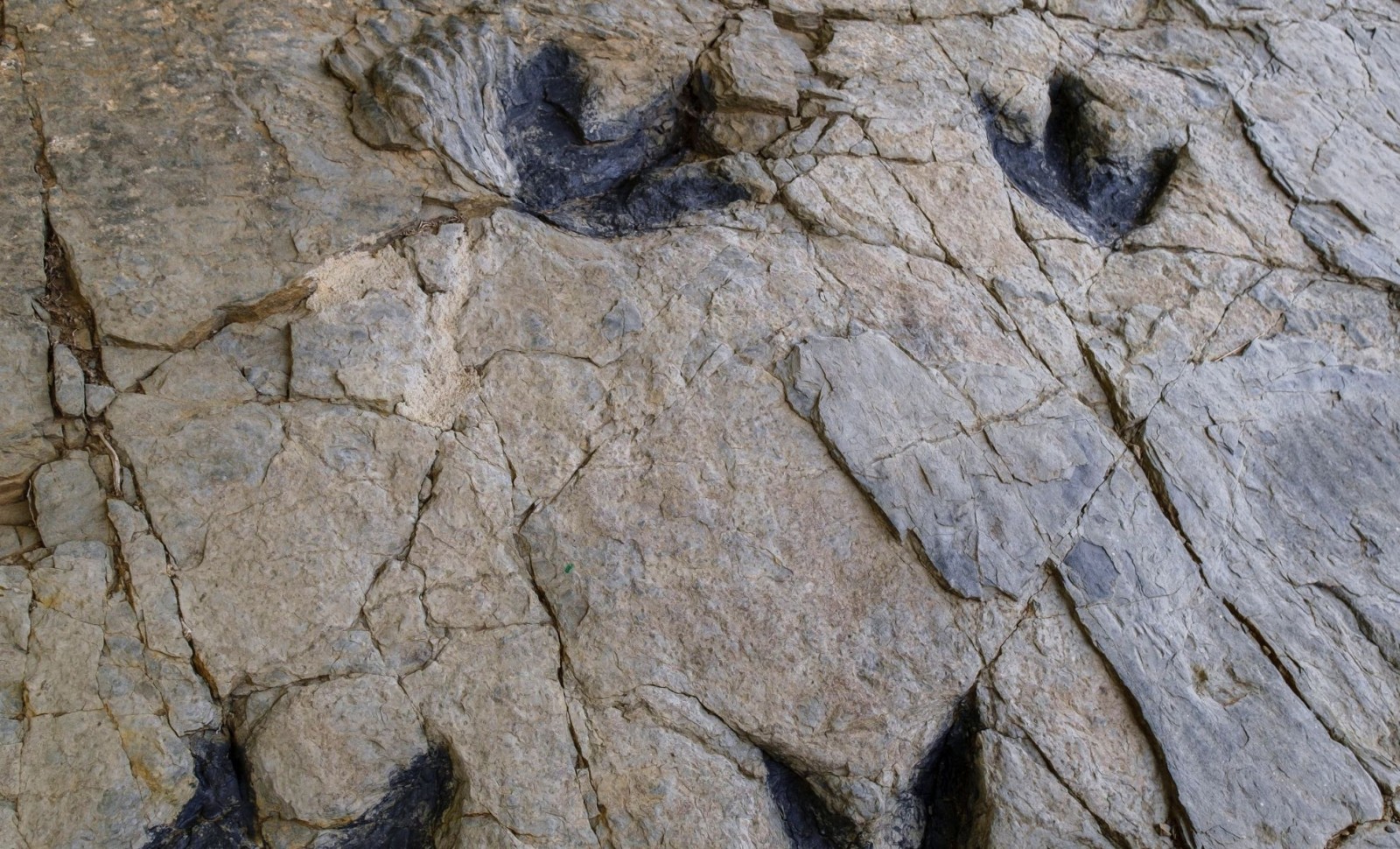
Enormous dinosaur footprints uncovered in China have introduced a newly identified species, Fujianipus yingliangi, believed to be among the largest raptors to have ever existed. These footprints, preserved in an ancient riverbank sediment dating back over 96 million years, indicate the dinosaur possibly measured up to 16 feet long.
Featured in the journal iScience, this discovery sheds light on the expanding size and variety of dinosaurs living during the Cretaceous period. Unlike the relatively small Velociraptor, the Fujianipus represents a much bigger and more daunting predatory dinosaur.
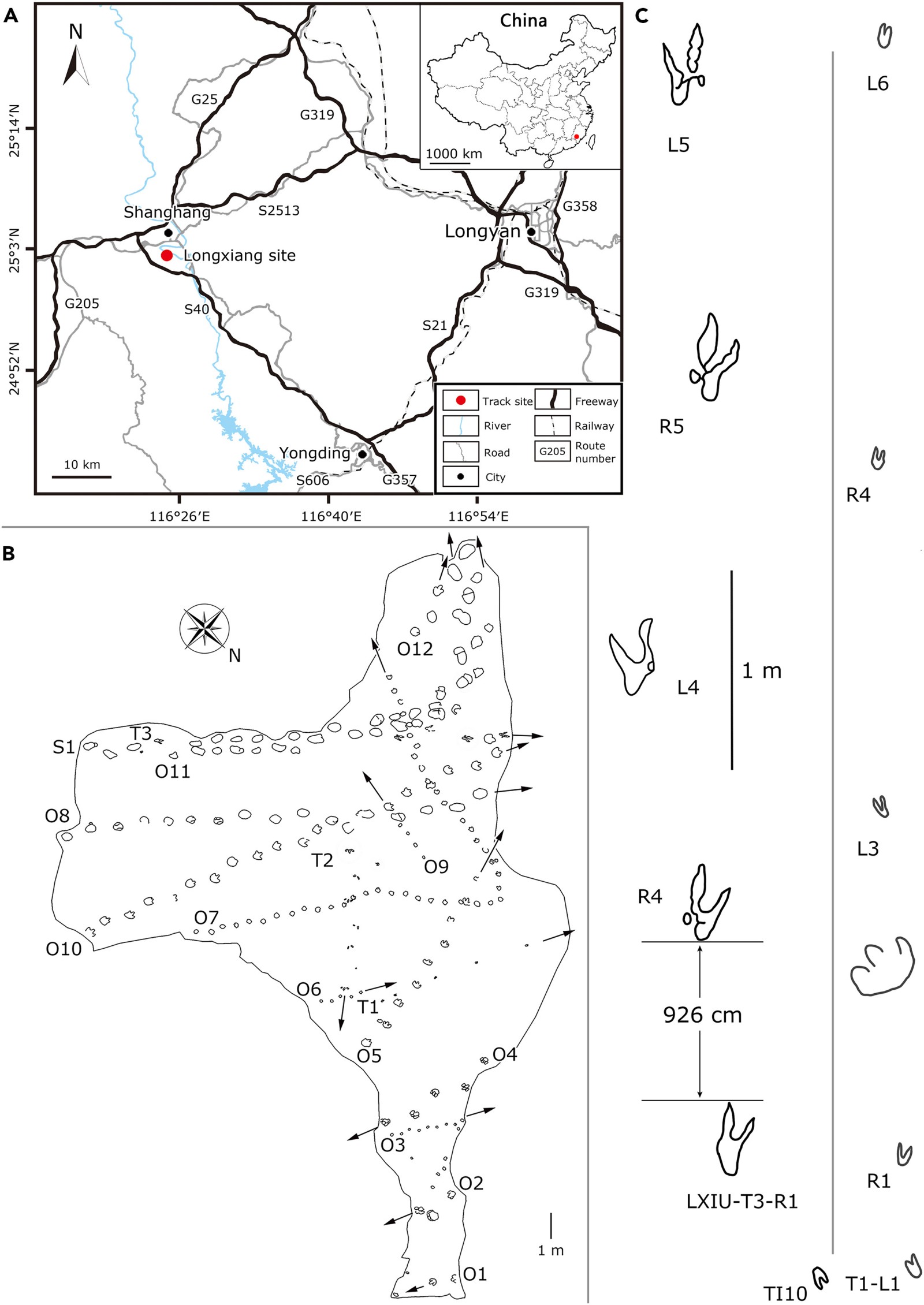
The Rich Fossil Footprint Site at Longxiang
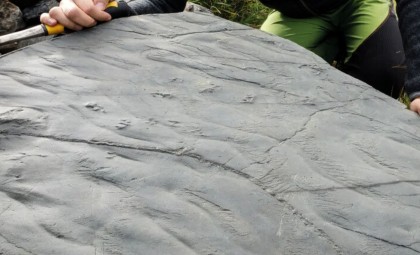
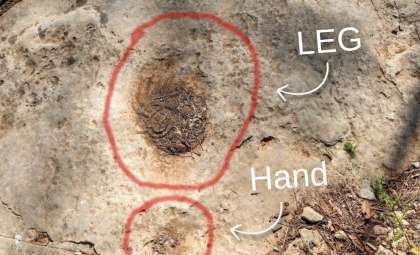
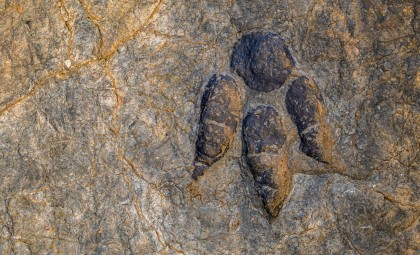
During explorations at the Longxiang track site in China in 2020, paleontologists came across five exceptionally large raptor footprints, each about 14 inches in length. These tracks were notably bigger than any previously recorded for raptors.

Formed when the area was a muddy riverbank, this fossil hotspot attracted a range of dinosaurs whose footprints have remarkably endured millions of years. Lida Xing, a lead researcher in the study, emphasized how remarkable the find was.
“You know a raptor track when you see it. But these tracks are different from any that have ever been found,” she explained.
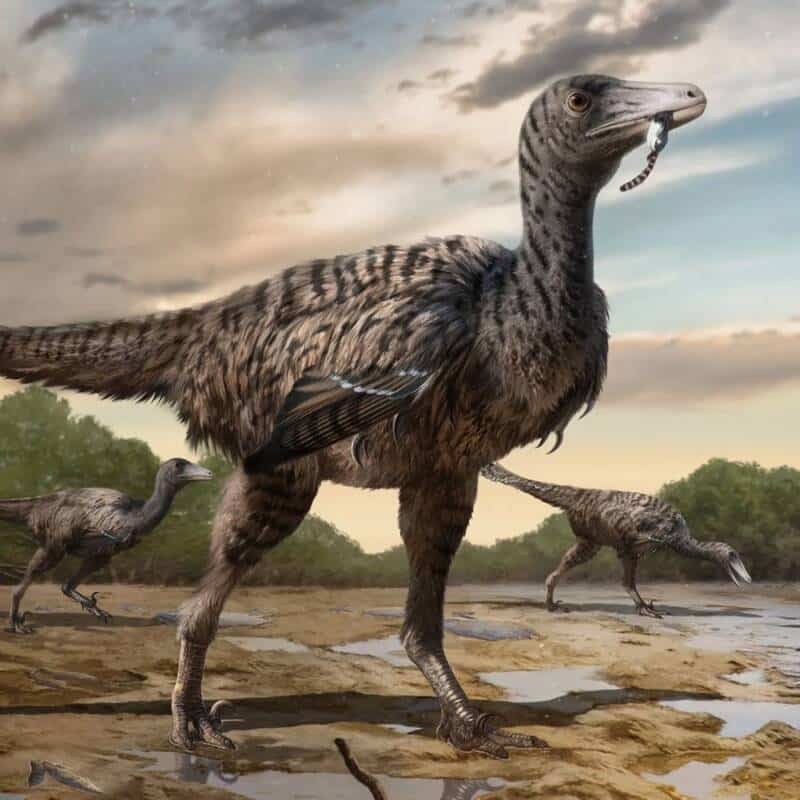
Scientists concluded these prints belonged to a raptor exceeding 16 feet long with an estimated hip height of approximately six feet.
Unearthing History Through Dinosaur Tracks
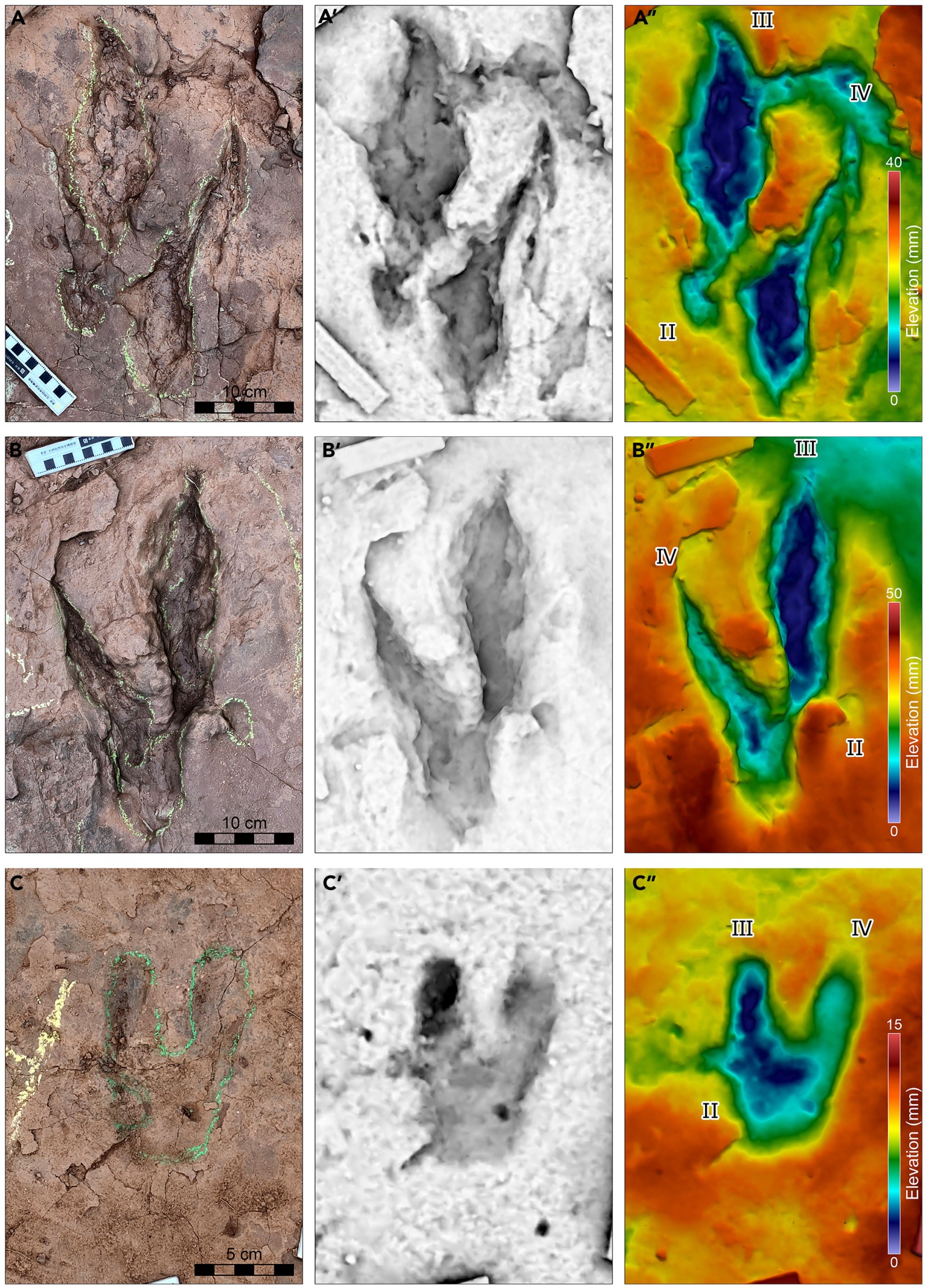
According to the publication, the Fujianipus prints were remarkably clear, depicting detailed toe pad outlines despite their great age. Scott Persons, a paleontologist at the College of Charleston, highlighted the exceptional quality of these fossil impressions.
“I’ve seen raptor tracks before, but they’ve all belonged to turkey-sized animals. The details on many of the prints are also strikingly good. You can see the shape of individual fleshy pads on each toe.”
The footprints’ distinctive two-toed pattern links Fujianipus to troodontids, an intelligent and bird-like dinosaur group. While most troodontids are small, this giant species stands out as an exceptional predator able to overpower larger prey compared to its relatives.
Raptor Evolution: Evidence of Giant Sizes
Raptors have traditionally been seen as relatively small, agile predators, but evidence is emerging that some species grew to much larger sizes over time.
“Their tracks look like they could have been made by a giant turkey, emu or other ground bird. Two-toed tracks are the mark of deinonychosaurs, better known as raptors,” according to sources spoke to South Carolina television station WYFF.
Though famous raptors like Velociraptor were quick and fierce, they were comparatively diminutive. The discovery of Fujianipus confirms that raptors could attain larger sizes, reshaping our understanding of their evolution.
- Categories:
- Science





0 comments
Sign in to Comment