
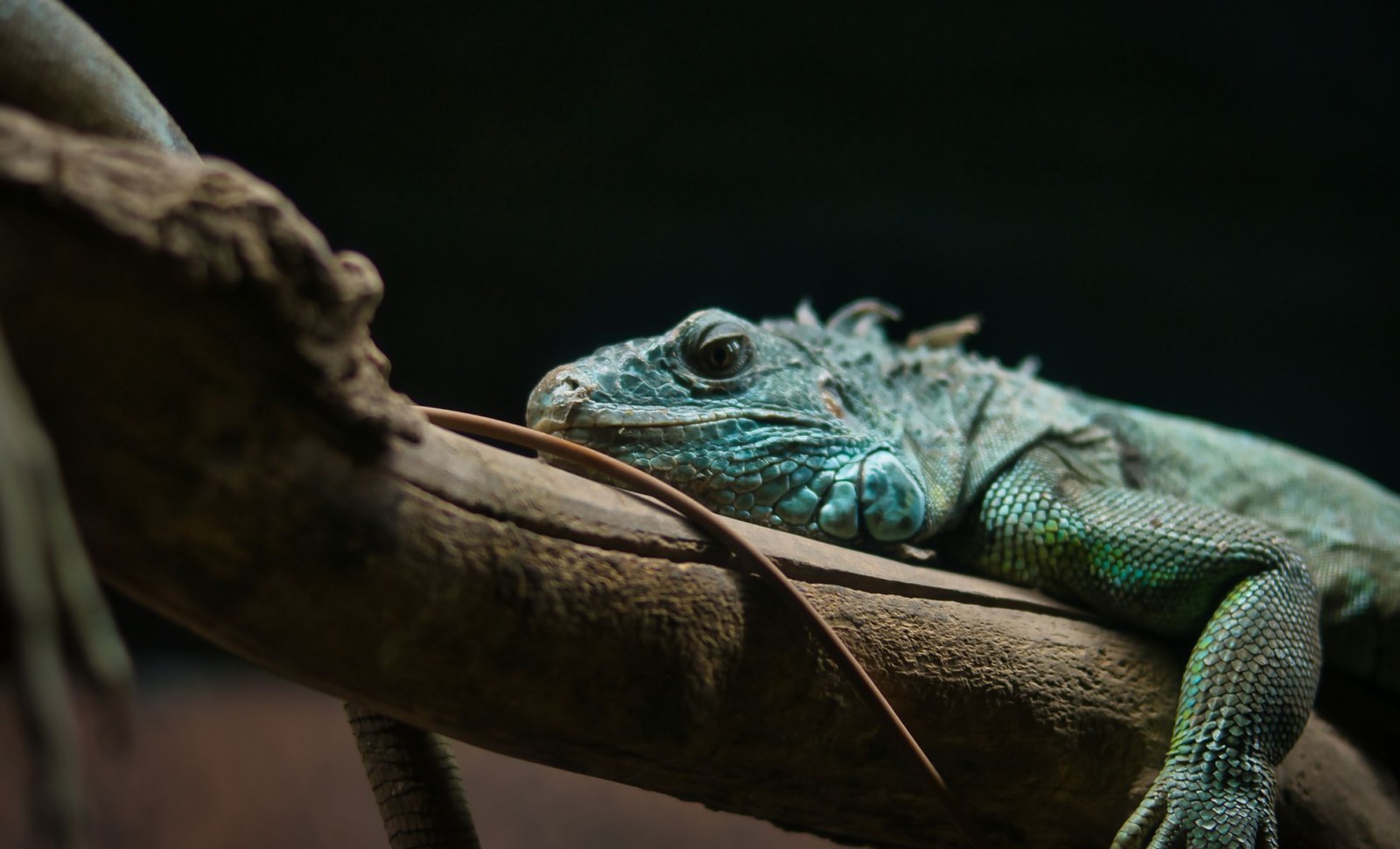
A distinctive group of spiny-tailed iguanas found on Clarion Island, located near Mexico's coast, faced near eradication after being mistakenly classified as an invasive species. It was initially believed that humans introduced these lizards to the island, upsetting the natural balance. However, a new genetic analysis reveals that these iguanas are native inhabitants of Clarion Island.
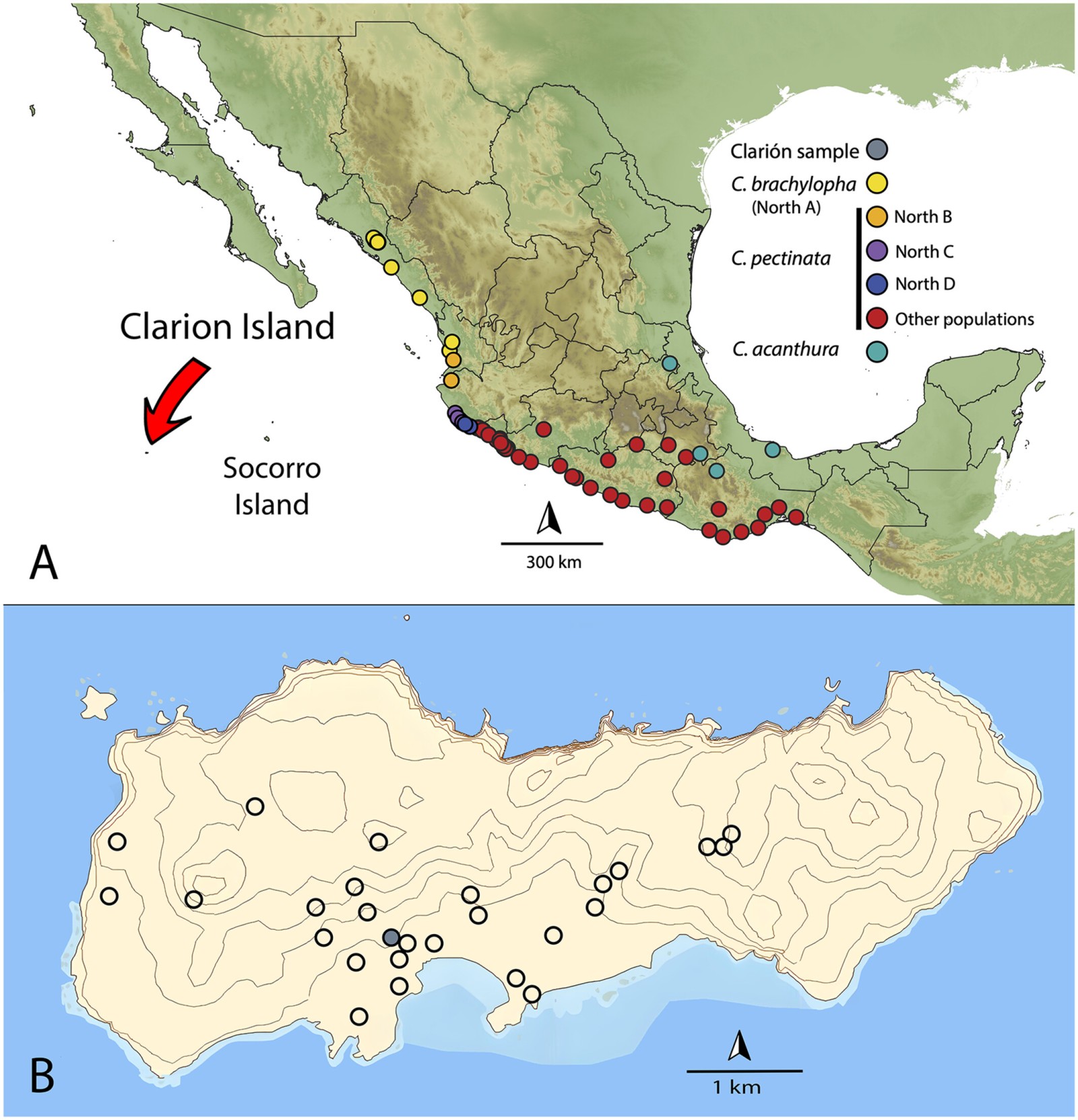
Daniel G. Mulcahy from the Museum für Naturkunde Berlin reports that these iguanas diverged from their mainland kin approximately 425,000 years ago. This suggests they reached the island long before human arrival—likely transported by natural rafts of vegetation or driftwood. Since humans colonized the Americas only about 26,000 years ago, these reptiles had established their presence on the island well in advance.
A Near-Extinction Episode for the Iguanas
The findings published in Ecology and Evolution have significant conservation ramifications. Previously considered invasive, the iguanas were threatened with elimination to “correct” their supposed introduction. Such actions would have eradicated a species that has thrived on the island for hundreds of millennia.

Daniel G. Mulcahy emphasized that this work showcases the critical need for genetic and historical insights when forming conservation strategies.
“Only through precise analyses can we understand which species truly belong to an ecosystem – and how we can effectively protect them,” he explained in a press release published by the Museum für Naturkunde Berlin.
Unexpected Impacts from Introduced Species
The real challenge for the iguanas arose not from their own actions but from the introduction of other animals by humans. Species such as sheep, pigs, and rabbits consumed vast amounts of vegetation, the very plants that sustained the iguanas. This depletion made the iguanas more conspicuous and seemingly numerous.
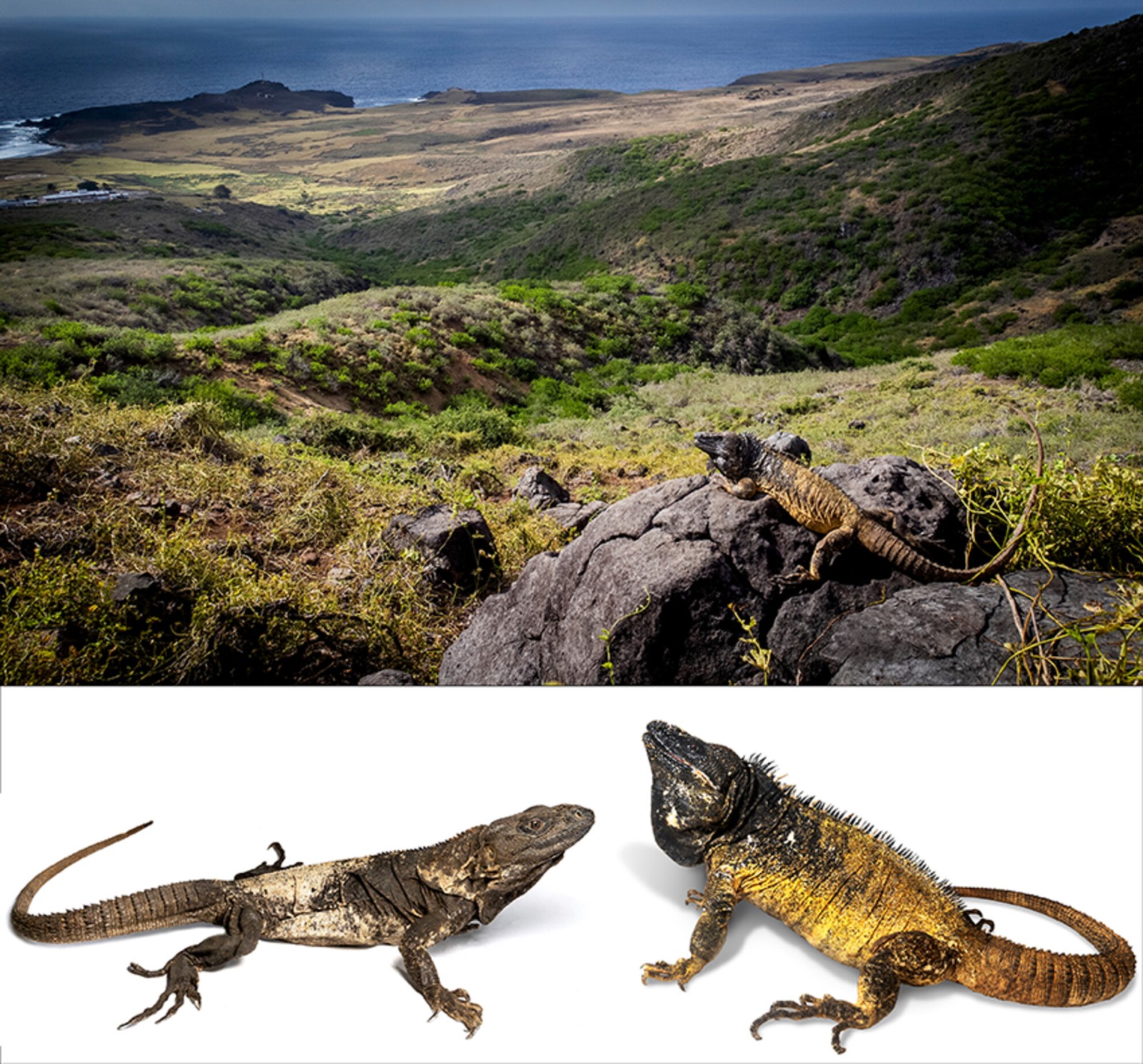
As reported by IFLScience, the iguanas’ increased visibility was mistakenly interpreted as invasive overpopulation. In truth, they were simply adjusting to habitat changes caused by the new herbivores. Had these introduced species not disturbed the ecosystem, these reptiles might have remained unnoticed.
The Importance of Accurate Scientific Assessment
Labeling species as invasive based on limited data can lead to misguided actions. This research on the Clarion Island iguanas stresses that detailed scientific investigation and thorough evaluation are crucial for correctly interpreting species’ ecological roles.
Mulcahy noted that revealing a species’ evolutionary background is key to crafting conservation efforts that protect biodiversity without causing additional harm. In this scenario, the study prevented the needless extinction of the Clarion spiny-tailed iguanas.
- Categories:
- Science









0 comments
Sign in to Comment