
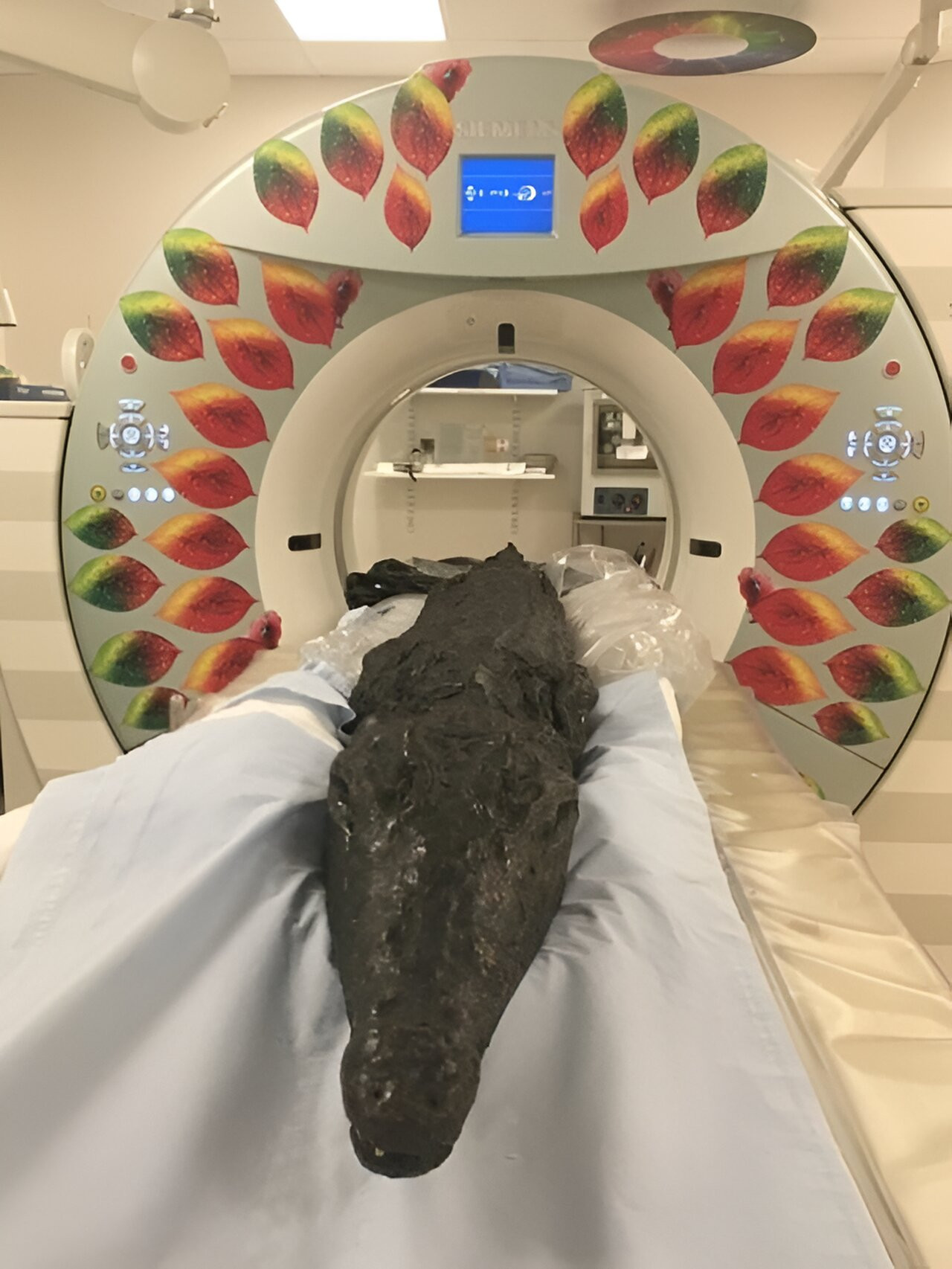
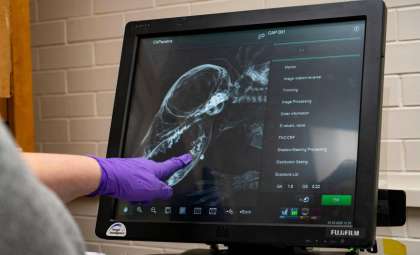
A remarkably well-preserved crocodile mummy dating back 3,000 years is unveiling intriguing details about ancient Egyptian customs. Utilizing advanced X-ray and CT scanning techniques, scientists have been able to explore the interior of this fossilized reptile, uncovering mysteries sealed for centuries.
Housed at the Birmingham Museum and Art Gallery, this specimen, cataloged as 2005.335, stands apart from typical mummies. Unlike the usual practice of removing internal organs in human mummification, this crocodile remained largely undisturbed. Its contents are shedding light on the ways ancient Egyptians revered and treated these sacred animals.
The Role of Crocodiles in Ancient Egyptian Culture
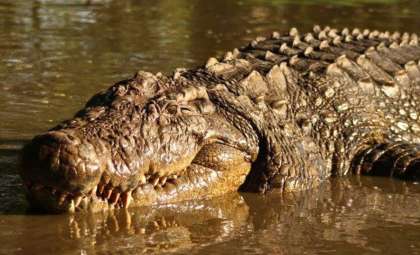
In ancient Egypt, crocodiles were more than fearsome beasts—they held a divine status. Sobek, the crocodile deity, embodied power, safeguarding qualities, and fertility. These creatures were often considered holy and symbols of fortitude, with some bred and captured specifically for ceremonial uses.

“Our work revealed a great amount of information, both about the life of the crocodile and the post-mortem treatment of its remains” explained Lidija McKnight, an archaeozoologist from the University of Manchester. “Mummies have long been a source of fascination for museum visitors of all ages. Our work provides a unique opportunity to connect visitors to the story of this animal.”
The University of Manchester's press release notes that Egyptians performed crocodile mummification rituals as protective offerings against the dangers posed by these animals. Thousands of such mummified crocodiles have been unearthed, many in Fayoum—the religious heartland dedicated to Sobek.
Revealing the Contents Within the Crocodile’s Stomach
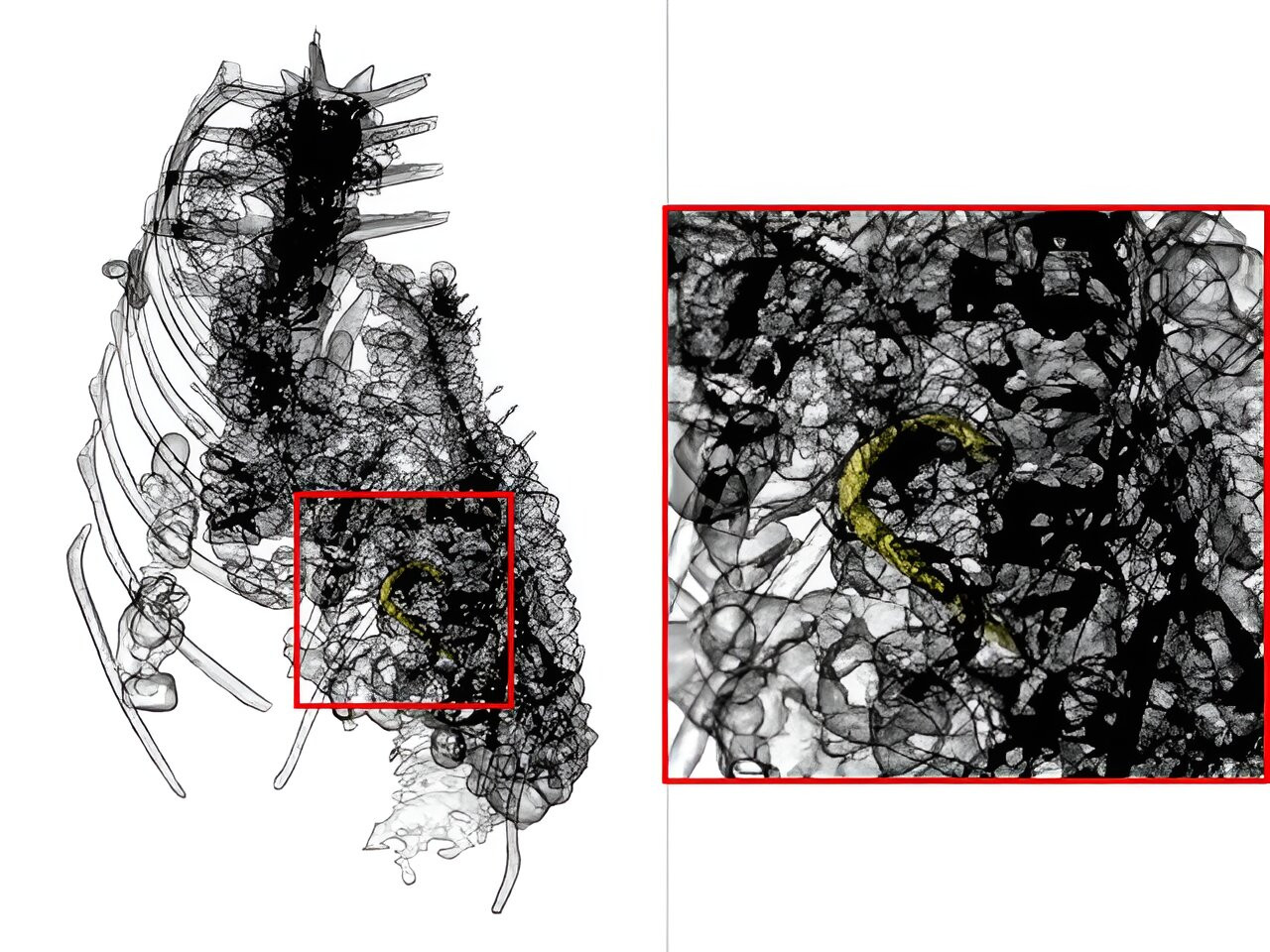
With these imaging methods, researchers explored the crocodile’s abdomen without disturbing the mummy’s exterior. Inside, they discovered gastroliths—small stones aiding digestion—and notably a fish entangled on a bronze fishing hook.
“The presence of more gastroliths higher up in the digestive tract,” the press release stated,“indicates an attempt to break down the animal’s last meal and shows that it died before they reached its stomach.”
McKnight added that the fish still hooked suggests the crocodile was captured shortly before its death, implying an intentional sacrifice rather than a natural passing.
Innovative Techniques Transform Archaeological Research
The breakthrough lies in the application of non-destructive technologies to study ancient remains. Instead of physically unwrapping or dissecting mummies, scientists now rely on X-rays and CT scans to investigate internal structures while preserving the artifacts’ integrity.
“Whereas earlier studies favored invasive techniques such as unwrapping and autopsy, 3D radiography provides the ability to see inside without damaging these important and fascinating artifacts,” said the co-author of a study published in the journal Digital Applications in Archaeology and Cultural Heritage.
McKnight emphasized that these technologies facilitate the creation of digital reconstructions, like the virtual model developed for the bronze hook found inside the crocodile’s stomach.
- Categories:
- Science


0 comments
Sign in to Comment